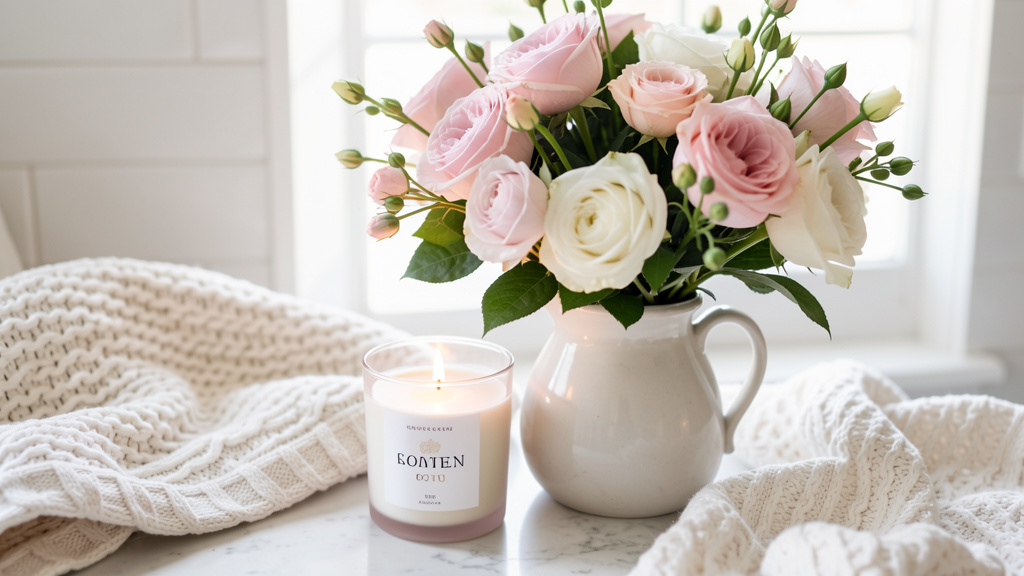
Move beyond overwhelming project lists. Discover a curated approach to meaningful, low-effort decor upgrades designed for real homes, real schedules, and lasting environmental harmony.
You’ve felt it—that subtle unease when walking into a room that feels unresolved, impersonal, or visually disjointed. You’ve saved countless “quick DIY” ideas, only to set them aside when faced with unclear instructions, missing tools, or results that feel hastily assembled. What if quick decor didn’t mean compromised intentionality? This guide reframes the one-hour project not as a crafty distraction, but as a purposeful design gesture. Inside, you’ll find a practical decision-making framework to identify which small intervention aligns with your space’s actual needs, eight carefully considered upgrades with material-aware guidance, adaptable solutions for common constraints, and insights into how subtle environmental shifts can support daily calm. Every step emphasizes clarity, accessibility, and respect for your time and lived experience.
Introduction: Shifting from Craft Checklist to Intentional Curation
Scroll through social feeds or browse home stores, and a familiar narrative emerges: meaningful decor requires significant investment—of time, budget, or specialized skill. Blank walls demand elaborate gallery walls; dull corners require custom builds; personality necessitates professional styling. This narrative overlooks a quieter truth observed across diverse living environments: the most resonant spatial shifts are often precise, thoughtful adjustments that address specific visual or functional gaps. A single well-placed object can recalibrate a room’s rhythm. A subtle textural addition can elevate perceived warmth. A strategic color echo can weave disparate elements into cohesion.
This perspective draws on established principles in environmental psychology: our surroundings gently influence mood, focus, and a sense of ease. When a space feels unresolved, it can contribute to low-grade cognitive load—a subtle mental effort we carry without always naming. Conversely, small, successful interventions foster a sense of agency and environmental harmony. The projects shared here are selected not for trend appeal, but for their consistent ability to address common spatial tensions: the entryway that lacks welcome, the shelf that feels visually noisy, the wall that absorbs light rather than reflecting it. Each has been considered across varied living contexts—apartments, multi-generational homes, compact layouts—and skill comfort levels. Critically, we begin not with materials, but with observation—because the right gesture, executed simply, creates more lasting value than a complex project misaligned with your space’s actual need. This cultivates a shift: from passive consumer of ideas to active, confident curator of your environment—a perspective that deepens with every intentional choice.
The Impact-Effort Lens: A Practical Framework for Choosing Your Project
Rather than selecting projects at random, lasting satisfaction grows from alignment—matching a small intervention to your space’s specific need and your current capacity. The Impact-Effort Lens offers a straightforward way to navigate choices by considering two gentle filters:
- Perceived Impact (Vertical Axis): How meaningfully might this change influence the room’s feeling, function, or visual flow? (Consider: Does it resolve a daily friction point? Does it bring calm or joy?)
- Required Investment (Horizontal Axis): What is the realistic scope—including gathering materials, execution, and resetting the space? (Honesty here prevents frustration.)
Plotting ideas reveals your strategic focus area: Meaningful Impact, Manageable Investment. Projects falling into high-investment categories belong on a future “when time allows” list. Very low-impact ideas may bring momentary delight but won’t address core tensions. This lens isn’t about perfection—it’s about directing your precious time where it will be most felt.
A Guiding Insight: Decoration flourishes not through accumulation, but through intentional selection—adding the right element, in the right place, at the right time to support visual ease.
Applying the Lens: A Gentle Self-Assessment
Step 1: The 90-Second Observation Walk
Set a gentle timer. Move slowly through the space you wish to refresh. Observe without judgment. Silently note:
Where does my eye pause or feel unsettled? (e.g., a bare stretch of wall, a surface that collects clutter)
What feels functionally awkward in daily use? (e.g., no spot for keys upon entering, seating without a surface nearby)
What feels disconnected from the room’s overall feeling? (e.g., a generic switch plate, mismatched frames)
Jot down one specific observation. Example: “The narrow hallway feels impersonal and dim when I arrive home.”* This becomes your focal point.
Step 2: Brainstorm Three Gentle Solutions
For your noted observation, list three possible responses. Example for dim hallway:
1. Hang a single small mirror opposite the entry door
2. Place a low-light tolerant plant on a narrow console
3. Add a small framed photograph at eye level
Step 3: Reflect on Each Option
Consider gently:
Small Mirror: Impact: Meaningful (reflects available light, creates depth). Investment: Manageable (measuring, mounting with appropriate adhesive). → STRONG CANDIDATE
Console + Plant: Impact: Moderate (adds life, but requires furniture). Investment: Higher (sourcing console, ongoing plant care). → FUTURE CONSIDERATION
Single Photograph: Impact: Moderate (adds personal touch). Investment: Very Low (framing, hanging). → ALSO VIABLE*
Step 4: Choose with Compassion
Select the option that feels genuinely achievable today and addresses your core observation. This mindful selection prevents the most common decor hurdle: beginning a project that feels simple but unfolds into unexpected complexity, leaving unfinished items and diminished confidence. The lens reframes “quick” not as a limitation, but as a compassionate constraint that invites clarity. A single thoughtfully placed object, chosen with purpose, carries more resonance than numerous additions made without reflection. This mindset—intention over volume—is the quiet foundation of spaces that feel truly settled.
Project Gallery: Eight Considered One-Hour Decor Gestures
Each project includes:
✅ Estimated Time Commitment (prep, active work, reset)
✅ Material Awareness (why choices matter, adaptable substitutions)
✅ Refinement Tip (a subtle detail for elevated results)
✅ Constraint Consideration (solutions for common limitations)
✅ Style Flexibility (adapting to Modern, Farmhouse, Boho, Minimalist sensibilities)
✅ Design Insight (the gentle psychology behind the gesture)
Project 1: The Calm Entryway Anchor (Transforming Daily Transition)
- Observation Addressed: Surfaces near the entrance accumulate keys, mail, or bags, creating visual noise at the start and end of the day.
- Estimated Time Commitment: 45 minutes (10 min prep, 30 min active, 5 min reset)
- Perceived Impact: High (supports functional flow and sets a tone of welcome)
Materials & Thoughtful Selection:
Small Tray or Shallow Box (approx. 8″x10″): Creates visual containment. Wood offers warmth; matte metal provides clean lines. Note: Avoid clear acrylic if clutter is a concern—it highlights contents.
Small Bowl (3-4″ diameter): For coins or small items. Ceramic feels grounded; woven textures add organic softness.
Low-Maintenance Plant Element: A hardy ZZ plant, snake plant, or high-quality faux botanical. Consideration: If light is limited, choose accordingly. Faux options have improved significantly in realism.
Removable Adhesive Strips (weight-appropriate): For mounting a small hook or shelf later, if desired. Tip: Clean wall surface with isopropyl alcohol wipe first for optimal adhesion.
Optional:* A small framed image (4×6″) of a personally calming scene.
Step-by-Step Guidance:
1. Clear & Reset (5 min): Remove all items from the surface. Wipe clean. This physical reset supports mental clarity.
2. Position the Anchor (2 min): Place the tray slightly off-center. This asymmetry often feels more organic and intentional than perfect centering.
3. Layer with Purpose (10 min):
* Nestle the bowl inside the tray.
* Position the plant beside the tray (not within it) to create depth and prevent the tray from appearing as a “dump zone.”
* Lean the framed image gently against the wall behind the tray.
4. Honor Negative Space (3 min): Ensure roughly 40% of the surface remains visible. This breathing room signals calm, not clutter. Step back. Does it feel open? Adjust gently.
5. Test the Flow (5 min): Walk in as if returning home. Place keys in the bowl. Does the motion feel natural? Tweak placement for ease.
Refinement Tip: Subtle Color Echoing
Notice colors already present in your home (e.g., deep blue in a rug = dominant; light wood floors = secondary; terracotta pot = accent). Select your tray (echoing dominant), bowl (secondary), and plant pot/frame (accent). This gentle thread fosters subconscious cohesion without matching perfectly.
Constraint Consideration:
Limited Surface Area: Use removable adhesive to mount a single narrow floating shelf. Style minimally: one small plant and one functional item.
Feels Too Staged: Introduce one gentle imperfection: a softly folded linen cloth beside the bowl, a handwritten note tucked near the frame. Authenticity resonates.
Style Flexibility:
Modern: Matte black tray, white ceramic bowl, minimalist frame.
Farmhouse: Reclaimed wood tray, galvanized bowl, small vintage-inspired hook nearby.
Boho: Woven seagrass tray, terracotta bowl, dried botanicals.
Minimalist: Light wood tray, single smooth stone instead of a bowl, ample space.
Design Insight: Environmental psychology suggests transition zones like entryways influence our shift between external and internal worlds. A resolved entry surface reduces visual noise, which may ease cognitive load. Including a natural element (real or thoughtfully chosen faux) connects to biophilic principles—subtle nature references associated with reduced stress. This gesture works because it addresses a functional need while nurturing a sense of arrival and care.
Project 2: The Curated Bookshelf Moment (From Storage to Story)
- Observation Addressed: Shelves feel visually busy, mismatched, or lack intentional arrangement.
- Estimated Time Commitment: 55 minutes (15 min prep, 35 min active, 5 min reset)
- Perceived Impact: High (transforms a high-visibility area through editing, not adding)
Materials & Thoughtful Selection:
Existing Books and Objects: No new purchases required. Power lies in rearrangement.
Small Level (or phone app): Ensures horizontal lines feel stable.
Soft Cloth: For gentle dusting during the process.
Optional: Bookends for support, removable washi tape for temporary height marking.
Step-by-Step Guidance:
1. Empty One Shelf (10 min): Begin with the most visible shelf (often eye-level). Remove everything. Place items nearby. A blank canvas allows clear seeing.
2. Gentle Sorting (5 min): As items come off, create three informal groups:
* Stay Here: Items meaningful to this space.
* Relocate: Belong elsewhere (kitchen book to kitchen).
* Release: Items kept from habit, not connection. Be kind but honest.
3. Compose the Shelf (25 min):
* Books First: Group vertically and horizontally in small clusters (2-4 books). Mix orientations for rhythm. Group by color or size for harmony—not randomness. Tip: Place taller books toward shelf edges for visual stability.
* Invite Space: Leave 30-40% of the shelf surface visible. This negative space is essential for a curated feel.
* Add Objects Sparingly: Introduce 1-3 non-book items. Position to break book blocks: a small plant at one end, a meaningful object centered on a horizontal stack, a textured item for tactile interest.
* Check the Horizon: Step back. Does the top edge create a gentle, varied skyline? Avoid a flat, uniform line.
4. Final Review (5 min): Wipe the shelf. View from seated and standing positions. Does it feel balanced? Calm?
Refinement Tip: Dynamic Grouping
Group items in odd numbers (1, 3, 5), ensuring variation in height and form. Example: One tall (plant), one medium (book stack), one short (small bowl). This creates balanced asymmetry. Avoid three identical items, which can feel rigid.
Constraint Consideration:
Many Books, Limited Space: Turn some paperbacks spine-in for a uniform color block. Or, face out 2-3 favorite covers as focal points, stacking others beside them.
Deep Shelves: Place a flat decorative element (small plate, mini-art) vertically against the back wall. This creates a “stage” that brings forward items placed in front.
Style Flexibility:
Modern: Monochromatic spines, one sculptural object, clean lines.
Farmhouse: Mix of hardcovers and paperbacks, vintage bookends, dried lavender bundle.
Boho: Horizontal stacks with draped textiles, macrame accent, crystals.
Minimalist: Books only (no objects), spines facing out in a cohesive color family, generous space.
Design Insight: Cluttered surfaces can contribute to visual fatigue. Curating a shelf reduces visual entropy, supporting a sense of order. Intentional grouping leverages the Gestalt principle of proximity—our minds perceive grouped items as related, creating harmony. Including personally meaningful objects transforms storage into narrative, reinforcing connection to place. This project beautifully illustrates that decor is often about editing with care, not accumulating.
Project 3: The Light-Reflecting Mirror (Expanding Space and Light)
- Observation Addressed: A room feels dim, visually tight, or lacks a gentle focal point.
- Estimated Time Commitment: 50 minutes (10 min prep, 35 min active, 5 min reset)
- Perceived Impact: High (optical enhancement of light and perceived space)
Materials & Thoughtful Selection:
Mirror (16″x20″ to 24″x36″): Proportion matters. Aim for a size that relates to the wall section or furniture below (e.g., 1/3 to 1/2 the width of a sofa).
Removable Adhesive Hangers (mirror-specific, weight-rated): Essential for safety and wall protection. Standard hooks may not suffice for glass weight.
Painter’s Tape: For marking placement without residue.
Level & Measuring Tape: Precision supports visual ease.
Soft Cloth & Glass Cleaner:* For final clarity.
Step-by-Step Guidance:
1. Identify Placement (5 min):
* Ideal: Opposite a window (to reflect natural light deeper into the room).
* Alternative: Above a console, sofa, or bed (creates a focal point).
* Consideration: Avoid reflecting cluttered areas directly.
2. Dry-Fit with Tape (10 min):
* Hold mirror at desired height (center approx. 57-60″ from floor).
* Outline the frame precisely with painter’s tape. Step back. Live with the outline for 5 minutes. Does it feel balanced? Adjust tape if needed. This prevents regrettable marks.
3. Prepare Surfaces (5 min):
* Clean wall area within tape outline with alcohol wipe; let dry.
* Clean mirror back where adhesive will contact.
4. Mount with Care (15 min):
* Follow adhesive product instructions exactly. Apply strips to mirror frame, press firmly per guidelines, align with tape outline, press mirror evenly to wall.
* Key: Press across the entire frame—not just corners—for full adhesion.
5. Final Check (5 min):
* Remove tape. Verify level. Clean glass surface. Observe the reflected light and space.
Refinement Tip: The Reflection Check
Before final mounting, hold the mirror in place and observe what it reflects. Is it a pleasant view (a plant, artwork, window)? Adjust the mirror’s position slightly to capture the most uplifting reflection possible. This makes the mirror an active design partner.
Constraint Consideration:
Textured Walls (orange peel, etc.): Clean thoroughly. Use adhesive strips rated for texture if available. For heavy texture, consider a leaning floor mirror—zero wall contact.
Safety Concerns: Adhesive products often include a test tab. After mounting, gently pull the tab per instructions to verify hold. Allow recommended cure time before exposure to vibration.
Style Flexibility:
Modern: Thin black or brushed brass frame, geometric shape.
Farmhouse: Distressed wood frame, rectangular with soft edges.
Boho: Ornate metal frame, sunburst or organic shape.
Minimalist: Frameless or ultra-thin profile matching wall tone.
Design Insight: Mirrors leverage principles of spatial perception. Reflecting light reduces reliance on artificial lighting during daytime and enhances ambiance. Psychologically, reflected space can make a room feel more open—a helpful consideration in compact areas. Placed thoughtfully, a mirror creates a deliberate focal point, guiding the eye and establishing visual rhythm. This gesture addresses spatial, lighting, and perceptual needs simultaneously, offering significant return through a single, considered action.
Project 4: The Textural Pillow Refresh (Renewing Comfort and Cohesion)
- Observation Addressed: Seating or bedding feels flat, dated, or stylistically disconnected.
- Estimated Time Commitment: 35 minutes (5 min prep, 25 min active, 5 min reset)
- Perceived Impact: Moderate-High (directly influences comfort perception and visual narrative)
Materials & Thoughtful Selection:
2-3 Pillow Covers (not inserts): A sustainable, budget-friendly approach. Measure existing inserts first (common: 18×18″, 20×20″).
Fabric Scissors: For trimming tags.
Lint Roller: To refresh the seating surface.
Optional: Iron for crisp finish on natural fiber covers.
Step-by-Step Guidance:
1. Assess Current State (3 min): Remove old covers. Note insert size. Lightly clean the sofa or bed surface.
2. Select Covers with Intention (7 min):
* Color: Choose one color already present in the room (from rug, art) + one subtle accent (from a smaller element).
* Texture: Mix at least two textures (e.g., smooth velvet + nubby boucle; crisp linen + soft chenille). Texture adds depth color cannot.
* Pattern: If using pattern, vary scale (e.g., large geometric + small stripe). Avoid multiple large, busy patterns together.
3. Insert and Fluff (10 min):
* Trim bothersome tags.
* Insertion Tip: Turn cover inside out. Insert pillow corner-first. Smooth fabric as you push insert in fully. Zip/close. Turn right-side out.
* Fluffing: Hold pillow vertically. Shake firmly downward 3 times. Gently punch the center to redistribute filling. Rotate and repeat for fullness.
4. Arrange with Ease (5 min):
* Sofa: Larger pillows at ends, smaller toward center. Angle slightly inward.
* Bed: Layer shams against headboard, standard pillows, accent pillows forward.
* Final Touch: Rotate one pillow 90 degrees. This subtle asymmetry feels relaxed and intentional.
Refinement Tip: The Fullness Check
After inserting, gently pinch the center of the cover. If more than an inch of fabric gathers easily, the insert may be too small. Ideal tension: fabric is smooth but not stretched tight. This supports a polished appearance.
Constraint Consideration:
Flat or Lumpy Inserts: Place inserts in dryer on air fluff (no heat) for 10 minutes with two clean tennis balls. For severely compressed inserts, replace inserts only (more economical than full pillows).
Uncertain Color/Pattern Choice: Photograph the room. View in black and white on your phone. Choose covers with clear contrast against the furniture (e.g., light cover on dark sofa). Contrast reads as intentionality.
Style Flexibility:
Modern: Tonal solids (charcoal, cream), textured fabrics (boucle, performance velvet).
Farmhouse: Linen or cotton in oatmeal, sage; subtle ticking stripe.
Boho: Mixed patterns (ikat, paisley) in earthy tones; tasseled details.
Minimalist: One cover in a neutral matching the furniture; focus on exceptional texture (heavy linen).
Design Insight: Textiles communicate comfort and care at a sensory level. Neuroaesthetic perspectives suggest varied textures engage our tactile perception, enriching the environmental experience. Thoughtfully chosen colors create visual anchors that tie room elements together, reducing perceived visual noise. Refreshing pillows is also psychologically accessible—it signals care for the space without permanence, building confidence for further gestures. This project demonstrates how soft elements profoundly shape a room’s feeling.
Project 5: The Purposeful Surface Vignette (Creating Micro-Moments of Calm)
- Observation Addressed: Small surfaces (nightstand, bathroom counter, windowsill) feel empty, sterile, or haphazardly cluttered.
- Estimated Time Commitment: 25 minutes (5 min prep, 15 min active, 5 min reset)
- Perceived Impact: Moderate (cultivates intentionality in daily-use zones)
Materials & Thoughtful Selection:
Small Base (4″x6″ to 6″x8″): A tray, wood slice, slate piece, or coaster to define the zone.
Three Items Maximum: Examples: small plant + candle + smooth stone; mini journal + pen + tiny photo.
Soft Cloth:* For cleaning surface and items.
Step-by-Step Guidance:
1. Clear the Surface (3 min): Remove all items. Wipe clean. Choose one surface you interact with daily.
2. Gather Your Trio (7 min): Select items from around your home. Ask gently:
* Does this serve a tiny function? (stone as paperweight)
* Does this spark a quiet moment of connection? (shell from a walk, smooth stone)
* Does this add subtle texture or color harmony?
* Do these three feel like they belong together? If not, swap one.
3. Arrange on Base (5 min):
* Place base on surface.
* Position items with varied heights: tallest at back, medium forward and off-center, shortest near front edge.
* Leave space between items—avoid tight clustering.
* Rotate one item slightly (e.g., angle the photo) for organic flow.
4. Final Review (2 min): View from your typical position for that surface. Does it feel calm? Purposeful? If busy, remove one item.
Refinement Tip: The Quiet Narrative
Choose items that hint at a gentle story without words. A single dried lavender sprig beside a linen sachet suggests calm. A vintage key beside a map fragment whispers curiosity. Authenticity resonates more deeply than generic motifs.
Constraint Consideration:
No Tray Available: Use a beautiful book laid flat as a base. Or, arrange the three items directly on the surface with intentional space between them—no container needed.
Feels Too Sparse: Add one textural element: drape a small piece of linen behind the items, or place a single leaf under the stone. Texture fills space without adding objects.
Style Flexibility:
Modern: Black slate base, white ceramic vessel with single stem, geometric object.
Farmhouse: Small cutting board, mini mason jar with wildflowers, vintage thimble.
Boho: Woven coaster, crystal cluster, tiny brass bell.
Minimalist: Light wood slice, single river stone, nothing else.
Design Insight: Vignettes create small zones of “refuge” within a larger space. On a bedside table, a calming arrangement supports wind-down rituals. In a bathroom, a simple grouping reduces morning rush stress. These micro-compositions offer visual resting points, easing eye fatigue from scanning empty or chaotic surfaces. The three-item limit harnesses the power of constraint: scarcity increases perceived value. Each object gains significance. This gesture teaches the foundational skill of editing—proving meaning arises from thoughtful selection, not accumulation.
Project 6: The Thoughtful Switch Plate Update (Honoring the Overlooked Detail)
- Observation Addressed: Standard plastic switch plates feel generic or clash with the room’s character.
- Estimated Time Commitment: 20 minutes per plate (5 min prep, 12 min active, 3 min reset)
- Perceived Impact: Moderate (signals attentive care; elevates perceived quality)
Materials & Thoughtful Selection:
Decorative Switch Plate Cover: Available in metal, wood, ceramic. Measure first: Standard toggle vs. Decora/GFCI sizes differ.
Screwdriver (appropriate type): Usually included in a basic home toolkit.
Painter’s Tape (Optional): To label screws if working on multiple plates.
Soft Cloth: For cleaning.
Step-by-Step Guidance:
1. Safety First (2 min): If uncertain, turn off power at the breaker for that circuit. For simple plate replacement on standard switches (not near water sources), many proceed without powering down—but prioritize your comfort. When in doubt, turn it off.
2. Remove Old Plate (3 min):
* Unscrew the two small screws.
* Gently pull plate away. Do not touch internal wiring. The plate is a cover only.
* Place screws on labeled tape to avoid loss.
3. Clean & Prep (2 min): Wipe wall area and back of new plate with a dry cloth.
4. Mount New Plate (8 min):
* Align new plate over mechanism (ensure toggle opening matches switch).
* Insert screws; hand-tighten first to avoid cross-threading.
* Final snug tightening with screwdriver—do not overtighten, which can crack the plate.
* Ensure plate sits flush against the wall.
5. Final Check (2 min): Restore power if turned off. Test switch function. View from multiple angles.
Refinement Tip: The Visual Bridge
Select a plate finish that gently connects elements in the room. Example: Brass cabinet pulls in the kitchen and a black lamp in the living area? Choose a matte black plate with subtle brass accents (or vice versa) to create a quiet visual thread.
Constraint Consideration:
Plate Doesn’t Sit Flush: Common with older walls. Use plastic shims (available at hardware stores) behind the plate. Or, choose a plate with a slightly wider border to mask minor gaps.
GFCI Outlet (Kitchen/Bath): These are larger. Purchase covers explicitly labeled “GFCI” or “Decora.” Measure existing plate before buying.
Style Flexibility:
Modern: Matte black metal, slim profile.
Farmhouse: Unfinished wood, slightly distressed; white ceramic with subtle glaze.
Boho: Hand-painted ceramic, mosaic tile accent.
Minimalist: High-gloss white ceramic or matte finish matching wall color.
Design Insight: Switch plates are repeated visual elements noticed subconsciously. Replacing generic plastic with a considered material signals meticulous care, elevating the room’s overall perceived quality. Material choices carry subtle weight: warm metals add timeless warmth; natural materials introduce organic texture; matte finishes feel contemporary and reduce glare. This gesture embodies kodawari—finding pride in perfecting small, often-overlooked details. Each time you flip a switch, it offers a quiet reinforcement that your space is tended to with intention.
Project 7: The Gentle Art Display (Personalizing Walls Without Permanence)
- Observation Addressed: Blank walls feel impersonal; concern about wall damage (especially for renters) prevents expression.
- Estimated Time Commitment: 40 minutes (10 min prep, 25 min active, 5 min reset)
- Perceived Impact: High (supports emotional connection to space through personal imagery)
Materials & Thoughtful Selection:
Artwork: Print, meaningful postcard, child’s drawing, fabric swatch. Start with one piece (11×14″ or 16×20″) for focus.
Removable Decorative Tape (Washi/Masking): Must be low-tack, residue-free. Test on an inconspicuous spot first. Choose width and color that complements the art.
Level & Measuring Tape: For alignment.
Scissors: For clean cuts.
Painter’s Tape (Optional):* For initial placement marking.
Step-by-Step Guidance:
1. Prepare Art (5 min): Select one piece that brings genuine warmth. Trim edges if needed. Tip: Back flimsy paper with lightweight cardstock for stability.
2. Determine Placement (10 min):
* Hold art at ideal height (center approx. 57-60″ from floor).
* Lightly mark top corners with painter’s tape. Step back. Live with the outline for 5 minutes. Adjust until balanced with furniture below.
3. Create the Display (15 min):
* Method A (Floating Frame): Apply decorative tape directly to the wall around the painter’s tape outline, forming a border around the art space. Remove painter’s tape. Slide art into the taped frame.
* Method B (Taped Art): Apply tape to the back top edge of the art (like a hinge). Press art to wall within the marked zone. Apply decorative tape over the top edge onto the wall. Best for sturdier paper.
* Smooth all tape edges firmly with your finger.
4. Final Review (5 min): View from seating position. Is it straight? Does the tape color enhance? Removable tape allows gentle repositioning if needed.
Refinement Tip: The Shadow Gap
When using Method A, leave a 1/4″ to 1/2″ gap between the art edge and the inner tape border. This subtle shadow line creates depth, making the art appear to float—a technique used to add perceived value.
Constraint Consideration:
Textured Walls: Use wider tape (1.5″+) for better adhesion. Press firmly with a credit card edge along the tape. For heavy texture, try removable adhesive putty on the back corners of the art instead of tape borders.
Displaying Multiple Small Pieces: Arrange pieces on the floor first in a cluster. Photograph the layout. Apply tape to outline the entire cluster on the wall first, then place individual pieces within the zone for cohesion.
Style Flexibility:
Modern: Black or white tape, single abstract print, clean border.
Farmhouse: Kraft paper tape or twine (secured with tiny removable dots), vintage botanical print.
Boho: Patterned washi tape (floral, ikat), collage of travel mementos.
Minimalist: Tape color matching the wall (creates a subtle frame), single line drawing.
Design Insight: Personal imagery nurtures “place identity”—the emotional bond between person and space. Displaying meaningful art reinforces belonging, which can be especially valuable in temporary homes. The removable method removes the primary barrier to wall decor: fear of damage. This psychological safety unlocks expression. The tape border serves dual purpose: it frames the art (drawing the eye) and frames the act of displaying it as intentional design. This gesture democratizes personalization, proving meaningful connection requires neither permanence nor perfection.
Project 8: The Sensory Ambiance Element (Engaging the Sense of Smell)
- Observation Addressed: A room feels sensorially flat despite visual efforts; a subtle mood shift is desired (calm, welcome, focus).
- Estimated Time Commitment: 15 minutes (5 min prep, 7 min active, 3 min reset)
- Perceived Impact: Moderate-High (direct, gentle influence on mood and memory)
Materials & Thoughtful Selection:
Small Non-Porous Dish (3-4″ diameter): Ceramic or glass. Avoid plastic (can absorb oils).
Carrier Oil: Reed diffuser base oil or fractionated coconut oil (stable, slow to oxidize). Note: Water alone will not disperse scent effectively.
Essential Oils (1-2 types): Choose based on desired effect:
* Calm: Lavender, Chamomile, Bergamot
* Clarity: Peppermint, Lemon, Rosemary
* Warm Welcome: Sweet Orange, a tiny drop of Cinnamon (use sparingly), Vanilla extract
Reed Sticks or Bamboo Skewers (3-5): Porous material draws oil upward.
Optional: Dried botanicals (lavender buds, thin citrus slice) for visual layer around* (not in) the oil.
Step-by-Step Guidance:
1. Prepare the Blend (3 min): Pour 2 tablespoons carrier oil into the dish. Add 10-15 drops total of essential oil(s). Start conservatively—you can add more later. Stir gently.
2. Insert Reeds (2 min): Place reeds into the oil. Wait 1 minute for saturation.
3. Position Thoughtfully (2 min): Flip reeds so saturated ends are up. Place dish on a stable surface away from direct sun, pets, children, and high traffic (e.g., bathroom counter, bedside table).
4. Add Visual Layer (Optional, 2 min): Tuck a few dried lavender buds or a thin lemon slice beside the reeds for visual interest.
5. Set Expectations (1 min): Scent will develop gently over 1-2 hours. Flip reeds weekly to refresh. Scent perception is personal—adjust oil quantity to your comfort.
Refinement Tip: Simple Scent Layering
Combine two oils for nuance. Entryway example: 8 drops Sweet Orange (warmth) + 4 drops Cedarwood (grounding). Bedroom example: 8 drops Lavender (calm) + 4 drops Vetiver (deep relaxation). Avoid more than two oils to prevent muddiness.
Constraint Consideration:
Scent Too Strong/Weak: Too strong? Remove one reed. Too weak? Add a few more drops of oil, or flip reeds more frequently.
No Oils or Reeds Available: Simmer pot alternative: In a small pot, combine 2 cups water, 1 sliced orange, 2 cinnamon sticks, 3 whole cloves. Simmer uncovered on low for 30-60 minutes (never leave unattended; do not boil dry). Creates warm, temporary ambiance.
Style Flexibility:
Modern: Clear glass dish, black reeds, single-note oil (Peppermint), minimalist placement.
Farmhouse: Unglazed ceramic dish, natural reeds, dried orange slice visible beside dish.
Boho: Hand-thrown pottery dish, mix of reeds and small feathers, complex blend (Patchouli + Orange).
Minimalist: Small white dish, one reed, single subtle oil (Bergamot).
Design Insight: Smell has a direct neural pathway to the brain’s limbic system—central to emotion and memory. A carefully chosen scent may support relaxation, focus, or evoke positive recollection. Unlike visual elements, scent operates below conscious awareness yet deeply shapes how a space feels. A subtly scented area feels cared for in a deeply human way. This gesture engages a sensory dimension often overlooked in decor, creating multi-layered ambiance. It requires no alteration to the physical space, making it universally accessible. This is environmental care that works gently in the background—proving the most resonant shifts are sometimes felt, not just seen. Seasonal Note: Adjust blends with the seasons—citrus and mint for warmer months, warm spices and cedar for cooler times—to keep the gesture feeling fresh and connected to the natural rhythm of the year.
Navigating Common Project Considerations: Gentle Solutions for Real-Life Scenarios
Even well-planned projects may encounter gentle friction. This section offers compassionate, actionable approaches to common scenarios—not as failures, but as expected parts of the creative process. The goal is to support your confidence and adaptability, ensuring your experience remains positive and sustainable.
When Time Feels Limited: The Graceful Pause Approach
- Scenario: The hour is nearly complete, but the project isn’t fully finished. A sense of pressure arises.
- Compassionate Response: Implement the 5-Minute Stabilization Step. Ask: “What is the smallest action I can take in five minutes to leave this project in a peaceful, non-stressful state?”
- Painting a frame? Wipe excess paint, place brush in water, cover project with a cloth.
- Hanging art? Remove temporary tape markers, place art and tools neatly nearby.
- Styling a shelf? Return most items to their original place, keeping only the one change you successfully made (e.g., the new tray).
- Mindset Shift: Completion exists on a spectrum. A thoughtfully paused project is far more valuable than a rushed, frustrating “finish.” Jot a quick note: “Resume: Flip reeds, add lavender oil.” This reduces friction when returning. Remember: the project serves your well-being. Protecting your calm is always the priority.
When Materials Behave Unexpectedly: The Adaptation Pathway
- Scenario: Adhesive doesn’t hold on textured walls; a color looks different in your lighting; fabric is more delicate than expected.
- Compassionate Response: Apply the Substitute-Shift-Simplify Pathway:
- Substitute: Identify the core need. Example: Damage-free hanging = need. Substitute: Removable adhesive putty (for lightweight items), tension rod display, or a leaning arrangement.
- Shift: Adjust location or scale. Example: Paint color feels overwhelming on a large surface? Shift to painting the inside of a bookshelf or a single small object.
- Simplify: Reduce to the essential gesture. Example: Fabric too delicate for a cover? Simplify to using it as a small table mat or wrapping it around a plain vase.
- Gentle Insight: Material interactions vary with environment (light, texture, humidity). Skilled creators aren’t those who avoid challenges—they’re those who adapt with curiosity. A thoughtfully modified project is still a success. Note the adaptation: “Used putty for small mirror—worked well!” This builds your personal knowledge library.
When the Result Feels Slightly “Off”: A Neutral Checklist
- Scenario: The project is complete, but something feels unresolved—cluttered, unbalanced, or disconnected.
- Compassionate Response: Walk through this non-judgmental checklist:
- Scale Check: Is the object proportionate to its surroundings? (Tiny plant on large console may feel lost). Adjust: Reposition or swap size.
- Balance Check: Does the arrangement feel visually stable? (All weight on one side of a shelf). Adjust: Shift one item to create counterbalance.
- Contrast Check: Is there enough distinction between elements? (Light pillow on light sofa may disappear). Adjust: Swap one item for higher contrast (darker tone, different texture).
- Space Check: Is there breathing room? (Crowded surfaces feel chaotic). Adjust: Remove one item. Truly—just one.
- Connection Check: Does it spark genuine warmth or calm? Or feel obligatory? Adjust: Replace with something that resonates authentically.
- Helpful Tip: Photograph the area. View it in black and white on your phone. Does the composition feel balanced without color distraction? This objective view often clarifies the needed tweak.
When Energy Dips Mid-Project: The Micro-Restoration Practice
- Scenario: Momentum slows around the 30-minute mark. The project begins to feel like a chore.
- Compassionate Response: Pre-plan micro-moments of restoration tied to small milestones:
- After gathering materials: Sip your preferred warm or cool beverage.
- After completing the core step (e.g., hanging the mirror): Step back, take a photo, quietly acknowledge “This is done.”
- After resetting the space: Play one favorite song and move gently for 60 seconds.
- Supportive Insight: Pairing task completion with small, kind rewards supports positive association with creative acts. This transforms the experience into a series of satisfying micro-wins. If energy is genuinely low, grant yourself explicit permission to pause after the current small step. Returning with refreshed energy often yields more joyful results than pushing through fatigue. Your well-being guides the process.
The Universal Reset: A Five-Minute Recalibration
When any project feels overwhelming:
1. Pause. Set tools down.
2. Breathe. Step away for exactly five minutes. Walk to another room. Sip water.
3. Reframe Gently. Ask: “What is the one smallest, gentle step I can take right now?” (e.g., “Wipe the surface,” “Re-measure once,” “Text a photo to a friend for a quick perspective”).
4. Act. Do only that one small thing.
5. Reassess. Often, clarity and momentum return. If not, apply the Graceful Pause Approach.
This reset interrupts stress cycles and returns agency to you. Remember: the purpose of these gestures is enhanced connection to your space, not perfection. Any step taken with calm intention holds value. Any pause taken with self-kindness is wisdom. Your relationship with your home is a gentle collaboration.
Your Questions, Answered
Q: How can I realistically assess if a project fits within one hour for my situation?
A: Apply the “Two-Tool Guideline.” If a project requires sourcing or learning to use more than two specialized tools you don’t readily have (e.g., power drill, sewing machine), the true time investment—including setup, learning, and cleanup—likely exceeds one hour. Prioritize projects using tools already accessible to you (scissors, tape measure, level). Also, note the step count: projects with more than eight sequential steps often expand in time. Focus on gestures emphasizing arrangement, curation, or surface styling over complex construction. Trust your intuition about your own pace.
Q: I rent my home. How can I ensure these projects are lease-friendly and damage-free?
A: Prioritize solutions designed for temporary living: removable adhesive products rated for the item’s weight (always clean the wall surface first per instructions), decorative washi tape for art displays, leaning mirrors or shelves, and surface styling (trays, vignettes). Before using any adhesive product, test it in an inconspicuous area (like inside a closet) and check removal after 48 hours. Document wall conditions with photos before and after. When uncertain, choose projects requiring zero wall contact—like the Entryway Anchor, Bookshelf Curate, or Sensory Ambiance Element. These deliver meaningful impact while honoring rental agreements. Always review your specific lease terms regarding modifications.
Q: What if I begin a project and realize it isn’t working for my space?
A: This is valuable information, not failure. Pause using the Graceful Pause Approach. Gently ask: “Is this a small adjustment (placement, one element) or a fundamental mismatch (scale, style)?” For small adjustments, use the Neutral Checklist. For fundamental mismatches, it is perfectly acceptable to stop. Return items to their original state or thoughtfully release unused materials. The time invested provided crucial insight: “This scale/color doesn’t harmonize here.” That knowledge prevents future effort and is itself a successful outcome. Decor is a process of learning what resonates in your unique space.
Q: How can I ensure quick projects feel elevated, not “crafty” or temporary?
A: Focus on three grounding principles: 1) Material Thoughtfulness: One well-chosen item (solid wood tray, ceramic bowl) carries more presence than several flimsy ones. 2) Intentional Space: Leave breathing room around objects. Clutter reads as chaotic; space reads as curated. 3) Cohesive Connection: Pull colors or textures from existing room elements. Avoid random bright hues or excessive embellishment unless it authentically reflects your personal style. Step back frequently while styling—viewing from a distance reveals if an arrangement feels balanced or busy. Authenticity always resonates more deeply than forced perfection.
Q: Do these approaches work well in very compact spaces (studio, tiny home)?
A: Yes—and they can be especially impactful. In small spaces, every object holds greater visual weight. These gestures become strategic spatial tools: a mirror enhances perceived openness; a curated shelf reduces visual clutter that can feel overwhelming in tight quarters; a purposeful vignette helps define distinct zones (sleeping, living) without physical barriers. Prioritize dual-purpose gestures: the Entryway Anchor can also hold a phone charger; the Bookshelf Curate can incorporate discreet storage boxes. In compact living, intentionality is both aesthetic and functional. Begin with the Light-Reflecting Mirror and Bookshelf Curate for significant spatial benefit.
Q: How can I adapt projects for homes with young children or pets?
A: Safety and practicality guide gentle adaptations: 1) Secure Thoughtfully: Use museum putty under small objects on shelves; choose items with stable bases. 2) Choose Wisely: Skip reed diffusers if pets are curious (opt for simmer pots used only during supervised times); select shatter-resistant materials (acrylic frames); avoid small detachable parts on vignettes. 3) Prioritize Cleanability: Choose pillow covers and tray materials that wipe clean easily. 4) Invite Participation: Turn the Bookshelf Curate into a shared activity—let children choose which books stay on their shelf. Projects that include family input often feel more resilient because they are collectively valued. Remember: a slightly imperfect, lived-in space that accommodates your real life holds far more value than a pristine, fragile display.
Q: How often should I refresh these elements to maintain interest without overwhelm?
A: There is no universal schedule—listen to your space and your own feelings. Gentle signs it may be time: you no longer consciously notice the element, it feels disconnected from the current season or your mood, or you sense a subtle desire for change. For many, rotating vignette items seasonally (four times a year) and refreshing pillow covers two to three times a year provides satisfying novelty without pressure. The beauty of these gestures is their gentle reversibility: adjusting a vignette takes minutes. Trust your intuition. If moving one object brings a quiet smile, that is reason enough. Decor is meant to evolve alongside you.
Q: Which project offers the most accessible starting point for someone new to intentional decor?
A: The Curated Bookshelf Moment is often the most approachable. It requires no purchases, minimal tools (just a cloth), and addresses a nearly universal experience: visual clutter. The process teaches foundational skills applicable everywhere: editing with purpose, grouping for harmony, balancing objects, and honoring negative space. The psychological benefit is immediate—a calmer, more ordered surface can ease daily stress. Success here builds quiet confidence. Begin with just one shelf. The visible shift demonstrates that meaningful change is accessible to everyone, regardless of budget or prior experience.
Q: How do I select colors for projects that harmonize with my existing, varied furniture?
A: Become a gentle “color detective.” Walk through your room with your phone. Photograph surfaces, textiles, and art. Open one photo and apply a black-and-white filter. Notice the dominant light, medium, and dark values. Then, look for recurring accent colors across different items (e.g., a blue thread in the rug, a vase, a book spine). These recurring hues form your innate, harmonious palette. Pull one accent color for your project (e.g., a new pillow cover). For neutrals, align with the dominant light or medium value you observed (e.g., if walls and sofa are light beige, choose a pillow in a slightly deeper, complementary beige tone). This method fosters cohesion without requiring a full room refresh.
Q: Are there gestures suitable for individuals with limited mobility or dexterity?
A: Absolutely. Focus on projects emphasizing thoughtful arrangement over physical exertion. The Purposeful Surface Vignette (arranging three items on a tray at a comfortable seated height), Sensory Ambiance Element (measuring oils while seated), and Bookshelf Curate (working one shelf at a time at accessible height) are highly adaptable. Consider adaptive aids: a reacher tool for placing items on higher shelves, pre-cut adhesive strips to minimize handling, a voice-controlled timer. Enlist support for physical mounting steps (like hanging a mirror), while you guide placement and styling—the creative vision is the most valuable contribution. Decor is fundamentally about intention and perspective, not physical capability. Your unique viewpoint shapes your space meaningfully.
Q: How do seasonal changes influence which projects feel most appropriate?
A: Seasons naturally invite gentle shifts. In spring, the Light-Reflecting Mirror maximizes increasing daylight; fresh botanicals in vignettes feel aligned. Summer may call for lighter textiles in the Pillow Refresh (linen, cotton) and citrus-based scents in the Ambiance Element. Autumn invites warmer tones in vignettes (dried leaves, terracotta) and grounding scents (cedar, clove). Winter benefits from the mirror reflecting limited light, cozy textures in pillows (wool blends), and warm welcome scents (vanilla, orange). The Bookshelf Curate can incorporate seasonal books or objects. There is no obligation to change—only an invitation to let your space gently reflect the world outside your window if it brings you joy.
Q: What if I feel overwhelmed by choices and struggle to pick just one project?
A: This is very common. Return to the Impact-Effort Lens. Revisit your 90-Second Observation Walk. Identify the one spot in your home that, if slightly improved, would bring the most daily ease or joy—perhaps the surface where you drop your keys, or the shelf you see first each morning. Choose the project that addresses that specific spot. Starting with one small, meaningful gesture builds momentum far more effectively than attempting multiple changes at once. Progress, not perfection, is the goal. You can always return to this guide for the next gesture when you feel ready.
Conclusion and Your Gentle Next Step
You now hold more than a collection of projects. You carry a compassionate lens—the Impact-Effort Lens—to observe your space with clarity and select gestures aligned with your true needs. You understand that the deepest purpose of decor is not visual perfection, but cultivating environments that support your well-being, reflect your authentic self, and ease daily friction. Each gesture shared here affirms a quiet truth: meaningful transformation rarely demands grand effort. It grows from precise, intentional actions rooted in your reality—your time, your space, your life.
Let’s bring this into gentle motion.
1. Core Principles to Carry Forward
Intention Over Accumulation: One thoughtfully chosen element resolves more tension than many haphazard additions. Edit with kindness.
Friction as Information: Challenges are not failures but data points. Meet them with adaptable, compassionate solutions.
Sensory Wholeness:* Engage sight, touch, and smell. A space that feels and smells cared for resonates more deeply than one that merely looks arranged.
2. The 24-Hour Invitation: One Small Act of Clarity
Within the next day, complete this single, gentle action:
Set a timer for 90 seconds. Walk into one room that feels slightly unresolved. Identify ONE specific observation (e.g., “The console table by the door collects clutter,” “The wall above the sofa feels empty”). Open your notes app and write exactly: “My focus for a small gesture: [State the observation].”
That is all. No shopping. No planning. Only clear naming. This simple act shifts you from passive observer to active, compassionate curator. It plants a seed of intention. When you feel ready—tomorrow, next week—you can return to this guide, consult the Lens, and choose the gesture that addresses it. Momentum begins with clarity, not busyness.
3. The Evolving Practice: Your Space as a Living Companion
View these one-hour gestures not as isolated tasks, but as building blocks in a lifelong practice of environmental care. Each successful gesture strengthens your intuition. Each adapted challenge deepens your resourcefulness. Over time, you’ll cultivate a personal library of what brings you ease and joy. You may notice how a calmer entryway softens your morning transition, how a curated shelf reduces evening mental clutter, how a subtle scent shift signals your nervous system to unwind. This is the profound reward: a home that doesn’t just look harmonious, but actively collaborates with your well-being. You are not merely arranging objects—you are nurturing a sanctuary attuned to your humanity. Start small. Trust your pace. Your space is ready to reflect the care you cultivate within it, one gentle gesture at a time.
Explore Our Complete System:
The Mindful Home Edit: A Room-by-Room Framework for Calm | Sustainable Style: Eco-Conscious Decor Choices That Endure | The Functional Beauty Method: Blending Storage and Aesthetics with Grace | Seasonal Shifts: Gentle Rituals to Refresh Your Home Through the Year | The Confidence Builder’s Guide to Color in Small, Meaningful Doses | Adaptive Living: Decor Solutions for Changing Needs and Spaces | The Restorative Room: Designing Spaces for Deep Relaxation