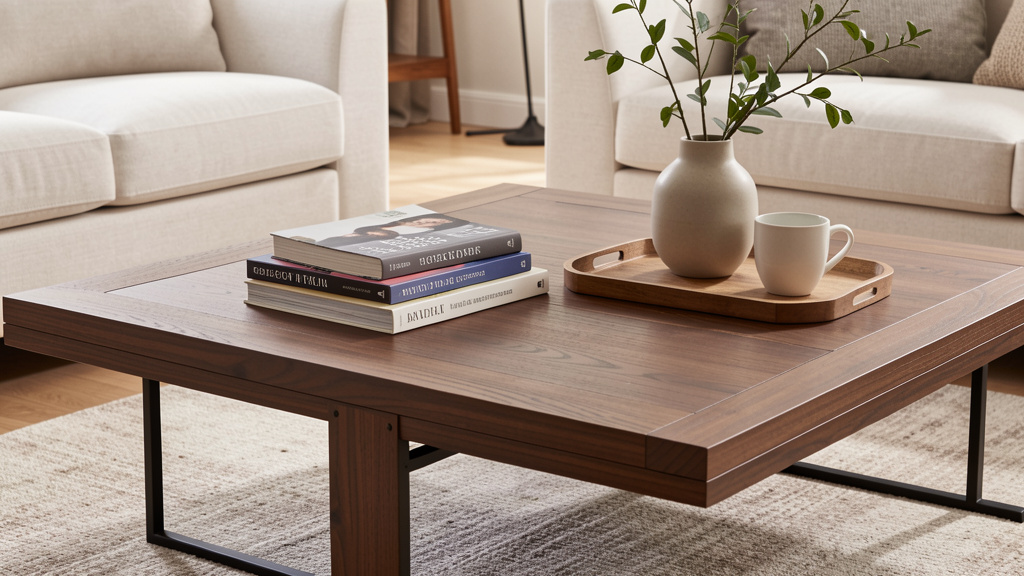
Move beyond random decor—learn the repeatable system used by designers to select, arrange, and balance accessories for a curated, intentional home that feels uniquely yours without a single note of clutter.
Accessory styling is the quiet alchemy of interior design—the deliberate placement of objects that transforms sterile spaces into living narratives. It’s where personality meets precision, and where a single well-chosen vase can shift a room’s entire emotional temperature. Yet for most homeowners, this final layer remains the most elusive: shelves feel haphazard, mantels appear staged, and surfaces accumulate objects without purpose. This comprehensive guide challenges the myth that great styling requires innate talent or deep pockets. Instead, we reveal the strategic, psychologically grounded framework professionals use to create displays that feel effortlessly intentional. Through room-specific applications, budget-conscious adaptations, and friction-point solutions ignored by superficial listicles, you’ll gain the confidence to curate spaces that resonate with authenticity and calm. No more guessing. No more clutter. Just a clear path to a home that tells your story with quiet confidence.
Introduction
Walk into any space deemed “magazine-worthy,” and you’ll rarely notice the accessories first. Instead, you feel it—a sense of harmony, intention, and lived-in warmth that lingers long after you’ve left. This isn’t accidental. Environmental psychology research, including studies published in the Journal of Environmental Psychology, consistently demonstrates that thoughtfully arranged objects can reduce cognitive load, lower stress responses, and foster deeper emotional connection to our surroundings. Cluttered surfaces may trigger low-grade anxiety; curated groupings often invite calm. Yet mainstream advice reduces this profound practice to bullet-point checklists: “Add greenery!” “Use trays!” “Follow the rule of three!” These fragments ignore the foundational question: Why does this arrangement work? Without understanding the underlying principles of visual weight, narrative cohesion, and spatial rhythm, even carefully selected accessories may fall flat. True mastery lies not in accumulating more objects, but in cultivating discernment—the ability to see potential in a single ceramic bowl, a weathered book, or a child’s artwork. This guide bridges the gap between inspiration and execution. We move beyond fleeting trends to establish a timeless, adaptable system rooted in design theory, human perception, and practical reality. Whether you’re styling a studio apartment shelf or a sprawling estate library, this framework empowers you to make intentional choices that honor your space, your story, and your daily rhythms. The journey to a deeply personal home begins not with shopping, but with seeing.
The CURATE Framework: Your Step-by-Step System for Intentional Accessory Styling
Forget memorizing arbitrary rules. The CURATE Framework is a cognitive toolkit designed to build your styling intuition from the ground up. Each letter represents a non-negotiable phase in the styling process—sequential, interdependent, and universally applicable across rooms, styles, and budgets. This isn’t about copying Pinterest boards; it’s about developing an internal compass that guides every decision. Professionals use variations of this methodology because it addresses the why behind every placement, transforming styling from a guessing game into a repeatable practice. Let’s dismantle the overwhelm and build confidence, one deliberate step at a time.
Step 1: Clarify Your Core Narrative
Before placing a single object, pause. What story should this space tell? A “core narrative” is the emotional anchor of your styling—a concise phrase capturing the feeling you want occupants to experience. Is it “Coastal Serenity”? “Urban Library”? “Grandmother’s Garden”? “Modern Minimalist Sanctuary”? This isn’t about labeling your aesthetic (“Scandinavian,” “Boho”); it’s about defining the sensation. A living room with the narrative “Welcoming Hearth” prioritizes warmth, texture, and conversational groupings. One with “Curated Gallery” emphasizes negative space, intentional focal points, and art-forward arrangements. Without this anchor, styling can become reactive—you might buy a trendy macramé wall hanging because it’s popular, not because it serves your space’s purpose.
How to define your narrative: Stand in the room. Close your eyes. Breathe. Ask:
– When I walk in here after a long day, what emotion do I need to feel? (Calm? Energized? Inspired?)
– What memory or place embodies that feeling for me? (A forest cabin? A Parisian café? A childhood library?)
– If this room were a person, what three adjectives would describe them? (Grounded? Playful? Refined?)
Write your narrative phrase on a sticky note. Place it where you’ll see it during styling sessions. Every accessory should earn its place by supporting this narrative. A “Welcoming Hearth” room may reject cold metallic sculptures but embrace a hand-thrown ceramic mug, a well-loved novel splayed open, or a wool throw draped casually over an armchair. A “Curated Gallery” space might feature a single sculptural branch in a minimalist vase, allowing the object’s form to speak without competition.
Common pitfalls to avoid:
– Narrative drift: Mixing “Coastal Serenity” (light woods, sea glass, airy textures) with “Industrial Edge” (exposed pipes, black metal, raw concrete) can create visual conflict. Consider choosing one primary narrative per zone.
– Overcomplication: “Bohemian Grandmillennial Coastal Farmhouse” isn’t a narrative—it risks visual chaos. Simplify. If drawn to multiple influences, identify the unifying thread: “Warm Eclecticism” focuses on texture and history over strict style labels.
– Ignoring function: A home office’s narrative might be “Focused Clarity,” yet a cluttered desk with numerous trinkets may contradict that goal. Let narrative guide what stays, not just what’s added.
Real-world application: Sarah felt her entryway was “cold.” Her narrative became “Gentle Arrival.” She removed generic mass-produced art and placed a small woven basket (for keys), a single framed photo of her daughter laughing (emotional anchor), and a smooth river stone she’d collected on a meaningful hike (tactile memory). No shopping required. The space now whispers, “You’re home.”
Step 2: Unify Through a Cohesive Color Story
Color is the silent conductor of visual harmony. Yet most styling challenges arise here—not from using “wrong” colors, but from treating accessories as isolated accents rather than threads in a larger tapestry. A cohesive color story doesn’t mean monochrome. It means establishing intentional relationships between hues across all elements: walls, large furniture, textiles, and accessories.
Build your palette strategically:
1. Anchor (60%): Dominant neutral from architecture or large furniture (e.g., warm white walls, oak floors, charcoal sofa).
2. Secondary (30%): Supporting tone from textiles or medium furniture (e.g., oatmeal rug, sage green armchair).
3. Accent (10%): Intentional pops from accessories (e.g., terracotta vase, indigo ceramic, mustard throw pillow).
Accessories live primarily in the Accent tier—but their impact multiplies when they echo colors elsewhere. A rust-colored book spine on a shelf ties to the rust in a nearby abstract painting. A navy ceramic bowl on the coffee table resonates with the navy in the area rug’s pattern. This creates visual “conversation” across the room, guiding the eye naturally and making the space feel deliberately composed.
Advanced technique: The Color Echo
Place a small accessory in your Accent color in three non-adjacent locations. Example:
– A burnt orange candle on the mantel
– A single burnt orange page visible in a stacked book on the side table
– A tiny burnt orange thread in the woven texture of a basket under the console
This subtle repetition feels intentional without being matchy-matchy. It’s the difference between “I bought these separately” and “This room was designed.”
Material as color: Remember that materials carry tonal weight. Brushed brass reads as warm gold; matte black ceramic reads as deep charcoal; unfinished wood reads as warm beige. A “black” accessory in glossy lacquer feels stark and modern; the same shape in matte ceramic feels earthy and soft. Always assess the undertone (warm/cool) and finish (matte/glossy/textured).
Budget adaptation: No need to repaint or reupholster. Use accessories to shift your existing palette. If your sofa is cool gray but you crave warmth:
– Add terracotta pots with trailing pothos
– Style books with warm-toned spines facing outward
– Place a honey-toned wood tray on the coffee table
These small interventions gradually warm the entire space’s perception.
Critical consideration: Scattering random bright colors (“I love this pink vase! And this turquoise frame! And this yellow sculpture!”) without connection to the larger palette may create visual noise. If you adore a color not in your scheme, ask: “Can I introduce it through an existing element?” Love emerald green? Find a throw pillow where green is one thread in a pattern dominated by your Secondary color (e.g., oatmeal with subtle green botanicals).
Step 3: Respect Scale and Proportion
A beautifully crafted vase may feel disconnected if dwarfed by a massive console table. A delicate porcelain figurine can vanish on a deep bookshelf. Scale and proportion form the invisible scaffolding of credible styling. They answer: Does this object belong here?
Master practical ratios:
– Surface to Object: For tabletops, mantels, or shelves, the combined width of grouped accessories typically occupies 40–60% of the surface length. On a 48-inch console table, your vignette might span roughly 20–28 inches. This prevents “floating” objects (too small) or overwhelming crowding (too large).
– Height Variation: In any grouping, create a gentle pyramid. Tallest object at back, medium in middle, shortest in front. Avoid rigid symmetry. A 12-inch vase, 8-inch candle, and 4-inch stack of books feels dynamic. Three identical 6-inch objects may feel static.
– Room Scale: In high-ceilinged rooms (10+ feet), taller accessories like floor vases or sculptural branches can feel appropriate. In low-ceilinged or compact rooms, modest vertical elements help avoid visual pressure.
The “Hand Test” for authenticity: Stand back from your arrangement. Does any single object feel like it could be held comfortably in one hand? If yes, it’s likely appropriately scaled for intimate surfaces (nightstands, small shelves). For larger surfaces (dining tables, deep consoles), objects should feel substantial enough to require two hands. This subtle cue signals “human-scaled” intentionality versus “decorator-placed” artifice.
Problem-solving scenarios:
– Problem: A long, narrow shelf feels empty with one small object.
Solution: Create three mini-groupings spaced evenly. Each grouping follows the pyramid rule. Leave intentional negative space between them.
– Problem: A large blank wall above a sofa needs art, but standard frames look lost.
Solution: Go vertical. A single tall, narrow piece (like textile art or a floor-to-ceiling mirror) or a vertical gallery wall of 3–5 frames aligned by their centers.
– Problem: A deep bookshelf swallows small decor.
Solution: Layer depth. Place taller items at the very back, medium items mid-shelf, small items at the front edge. Add a small leaning mirror or framed art against the back panel to create visual depth.
Pro insight: Scale isn’t just physical size—it’s visual weight. A solid black ceramic sphere carries heavier visual weight than a clear glass vase of the same size. A densely patterned textile feels “larger” than a solid-color one. Balance heavy objects with airy ones: pair a chunky wood bowl with delicate dried grasses; offset a dark metal sculpture with a light linen book cover.
Step 4: Anchor with Intentional Groupings
Humans are pattern-seeking creatures. Randomly scattered objects may trigger subconscious unease—we sense disorder. Groupings create order, rhythm, and rest for the eye. But not all groupings are created equal. The “Rule of Three” is widely cited yet frequently misapplied. True mastery lies in understanding why groupings work and how to adapt them fluidly.
The psychology of grouping: Odd numbers (3, 5, 7) often feel dynamic and natural because they create asymmetry with balance—mimicking organic patterns in nature (think flower petals, tree branches). Even numbers (2, 4) feel formal and static, suitable for symmetrical spaces (bedside tables, formal dining) but potentially rigid elsewhere. However, the real magic happens in the relationship between objects, not the count.
Build meaningful vignettes using the “Anchor-Complement-Texture” method:
1. Anchor: One dominant object that establishes scale and purpose (e.g., a table lamp for function, a sculptural vase for artistry).
2. Complement: One object that relates thematically or color-wise (e.g., a stack of books matching the lamp’s base color; a small plant echoing the vase’s organic shape).
3. Texture: One object adding tactile contrast (e.g., a smooth stone next to rough-hewn wood; a silky ribbon tied around books).
This trio creates narrative. The lamp isn’t just lighting; it’s “reading nook.” The vase isn’t just decor; it’s “memory of that pottery class.”
Advanced grouping techniques:
– The Cascade: Arrange objects in a gentle diagonal sweep across a surface (e.g., mantel, console). Start high on one end, descend gradually to the other. Creates movement and feels organic.
– The Cluster: For deep shelves or large surfaces, create 2–3 distinct groupings with intentional space between them. Each cluster follows Anchor-Complement-Texture. Prevents a “wall of stuff” effect.
– Functional Grouping: Group items by use. Keys + mail + sunglasses in a tray by the door. Remote controls + coasters + napkins on a coffee table tray. Styling serves life, not the reverse.
Avoid these grouping traps:
– The “Pinterest Perfect” Trap: Objects arranged with surgical precision, all facing forward, perfectly spaced. Feels sterile. Fix: Rotate one book spine inward. Tilt a frame slightly. Let a plant stem curve naturally. Imperfection signals humanity.
– The “Everything But the Kitchen Sink” Trap: Overloading a surface with too many anchors. Fix: Remove one object. Then remove another. Edit until only the most resonant pieces remain.
– The “Mismatched Orphans” Trap: Grouping objects with no visual or emotional connection (a seashell, a toy car, a crystal). Fix: Find the thread. Are they all gifts? All from travels? All in your accent color? If no thread exists, separate them.
The Fundamental Principle: Accessories gain meaning not from their individual beauty, but from the intentional relationships you create between them—and between them and the life lived in the space.
Step 5: Texture and Layer for Depth
Flat surfaces can feel emotionally flat. Texture is the secret weapon that adds dimension, warmth, and sensory invitation. It’s why a room with only smooth surfaces (glass, metal, lacquer) may feel cold, while one layered with nubby wool, rough wood, and soft linen feels embracing. Texture operates on two levels: visual (what the eye perceives) and tactile (what the hand desires to touch). Great styling engages both.
The Texture Triad for every surface:
For any styled area (shelf, table, bed), intentionally include:
1. Smooth: Glass, ceramic, polished stone, silk. Provides calm and reflection.
2. Rough: Raw wood, woven rattan, unglazed pottery, burlap. Adds earthiness and authenticity.
3. Soft: Wool, linen, velvet, dried botanicals. Invites touch and comfort.
Example: A coffee table vignette
– Smooth: Glass vase with single stem
– Rough: Small stack of reclaimed wood coasters
– Soft: Knit blanket casually draped over sofa arm nearby
Layering techniques beyond surfaces:
– Vertical Layering: On walls, layer art over textiles. Lean a small framed print against a larger woven wall hanging. Hang a delicate macramé piece in front of a painted canvas. Creates depth and shadow play.
– Textural Repetition: Echo a texture in multiple zones to unify the room. If your throw pillow has subtle bouclé texture, repeat it in a small ceramic dish on the console table. Not identical—just a whisper of similarity.
– Light as Texture: How light interacts with surfaces defines perceived texture. A matte ceramic absorbs light softly; a hammered metal bowl scatters light dynamically. Place textured objects where light will graze them (near a window, under a lamp) to maximize their impact.
Budget-friendly texture sources:
– Nature: Pinecones, smooth stones, dried eucalyptus, seed pods, driftwood. Free, sustainable, and deeply resonant.
– Thrift Stores: Linen tablecloths (cut into runners), vintage wool blankets (folded as throws), ceramic bowls with handmade imperfections.
– Your Home: A well-loved hardcover book (textured cover), a hand-knit scarf draped over a chair, a ceramic mug from a meaningful trip.
Critical nuance: Texture must serve the narrative. In a “Spa Sanctuary” bathroom, rough textures (like unpolished stone) may enhance authenticity. In a “Glamorous Dressing Room,” smooth textures (velvet, mirrored surfaces) reinforce the narrative. Consider whether added texture deepens your intended story.
Step 6: Edit Ruthlessly for Impact
Editing is not subtraction—it’s refinement. It’s the courageous act of removing what distracts from what matters. This is where styling shifts from accumulation to intention. Clutter isn’t defined solely by quantity; it’s defined by lack of purpose. One meaningless object can create more visual noise than five deeply resonant ones.
The 24-Hour Edit Protocol:
After styling a surface, walk away. Return the next day with fresh eyes. Ask these questions aloud:
1. “Does this object actively support my Core Narrative?” (If no, consider removing it.)
2. “If I saw this in a magazine, would I think it looked staged or authentic?” (If staged, adjust placement or remove.)
3. “Does this object spark genuine resonance, or am I keeping it out of guilt/habit?” (Be honest with yourself.)
4. “If I had to keep only three items on this surface, which would they be?” (Remove the rest.)
The “Negative Space” Imperative:
Negative space (empty areas) is not wasted space—it’s visual breathing room. It allows key objects to shine and reduces cognitive load. On a bookshelf, leave one entire shelf nearly empty except for a single small object. On a mantel, ensure roughly 30% of the surface remains clear. This isn’t minimalism for minimalism’s sake; it’s strategic emphasis.
When editing feels challenging:
– Sentimental items: You don’t need to display everything. Rotate meaningful objects seasonally. Keep a “memory box” for items too precious to discard but not currently serving the space. Display one photo from a trip, not ten.
– Functional clutter: Designate “homes” for daily items. A beautiful tray for remotes. A ceramic dish for keys. A woven basket for magazines. Contain the chaos; don’t let it dictate styling.
– Decision fatigue: Remove everything from the surface. Start with one Anchor object. Add only what enhances it. Stop when adding more feels like diminishing returns.
Editing transforms “stuff” into significance. It whispers confidence: “Every object here was chosen with care.” This final step is what separates a curated home from a decorated one. It’s the quiet power of restraint.
Room-by-Room Application: Adapting the Framework to Every Space
Theory becomes mastery through application. Let’s translate the CURATE Framework into actionable strategies for the rooms where styling challenges most commonly arise. Each space has unique functional demands, emotional roles, and spatial constraints. Generic advice fails here; specificity empowers. We’ll address layout quirks, lifestyle friction points, and narrative adaptations you won’t find in superficial guides.
The Living Room: Creating Conversation and Comfort
The living room is the heart of the home—a stage for connection, relaxation, and identity. Yet it’s often the most challenging to style: large surfaces invite clutter, multiple seating zones create visual competition, and the pressure to “impress” leads to impersonal choices.
Narrative Adaptation:
– Family Hub: Prioritize durability and approachability. Avoid delicate glass on low coffee tables. Use washable textiles. Groupings should feel inviting to children (“Touch this blanket!”). Narrative phrase: “Lived-In Warmth.”
– Entertaining Oasis: Focus on flow and focal points. Ensure accessories don’t obstruct conversation paths. Style surfaces at varying heights to create visual interest from seated positions. Narrative phrase: “Effortless Hospitality.”
– Personal Sanctuary: Embrace deeply personal objects. A shelf dedicated to travel mementos. Art that sparks private joy. Narrative phrase: “Quiet Reflection.”
Surface-Specific Strategies:
– Coffee Table: This is prime real estate. Apply Anchor-Complement-Texture:
Anchor: Large art book (spine facing out in your accent color)
Complement: Small ceramic dish holding TV remote (functional grouping)
Texture: Folded linen napkin or small woven coaster
Critical Edit: Leave approximately 50% of the surface clear for drinks, feet, or spontaneous moments. Never let accessories dominate function.
– Mantel: Avoid the “symmetrical shrine” (identical candlesticks flanking a mirror). Instead:
Left Side: Tall object (vase with dried branches)
Center: Medium object slightly off-center (small sculpture)
Right Side: Cluster of 2–3 small objects (stacked books, tiny frame)
Pro Tip: Hang art above the mantel 4–6 inches higher than standard to avoid visual crowding with the mantel display below.
– Bookshelves: The #1 clutter zone. Implement the “Zoning Method”:
Zone 1 (Top Shelf): Tallest items (art books standing vertically, tall vase)
Zone 2 (Middle Shelves): Mix of books (some stacked horizontally to break monotony) and 1–2 small accessories per shelf
Zone 3 (Bottom Shelf): Heaviest/bulkiest items (storage baskets, large art books)
Edit Rule: For every accessory added, consider removing two books. Books provide texture; accessories serve as punctuation.
Friction Point Solution: “My coffee table is always covered in kid stuff.”
Create a “landing strip” tray. A single beautiful tray holds remotes, coasters, and a small plant. Everything else (toys, tablets) has a designated home off the table—a nearby basket, a console drawer. Train the household: “The tray stays styled; everything else goes in its home.” This small boundary preserves intentionality without constant battles.
The Bedroom: Cultivating Calm and Personal Sanctuary
The bedroom’s primary function is restoration. Styling here must prioritize serenity over statement. Clutter may trigger subconscious stress; curated simplicity invites deep rest. Yet bedrooms often become dumping grounds for unread books, charging cords, and orphaned accessories.
Narrative Adaptation:
– Spa Retreat: Cool neutrals, smooth textures (silk, stone), minimal objects. Narrative phrase: “Unwinding Sanctuary.”
– Cozy Nest: Warm woods, soft knits, personal photos. Narrative phrase: “Gentle Embrace.”
– Creative Haven: For artists/writers—display tools beautifully (paintbrushes in a ceramic jar, favorite notebooks open on a stand). Narrative phrase: “Inspired Rest.”
Surface-Specific Strategies:
– Nightstands: The most critical edit zone. Apply the “Three-Item Rule”:
1. Functional: Lamp (warm, dimmable light)
2. Personal: One small meaningful object (a smooth worry stone, a single framed photo of a loved one)
3. Sensory: Small dish for jewelry/watch, or a single sprig of lavender
Remove: Stacks of books (store in a bedside basket), multiple remotes, cluttered trays. If space is tight, skip the personal item—function and calm trump decoration.
– Dresser Top: Avoid the “wall of frames.” Instead:
Left: Small plant (snake plant for low light) in a textured pot
Center: Functional tray holding perfume, ring dish, hand cream
Right: Single art object (small sculpture, folded textile art)
Height Tip: Keep all items under 12 inches tall to avoid visual weight competing with wall art above.
– Window Sills: Often overlooked! Style with purpose:
Sunny Sill: Small succulents in varying-height pots (smooth ceramic + rough terracotta)
Deep Sill: Folded linen blanket + single hardcover book (spine out) + smooth stone
Critical Edit: Ensure styling doesn’t block light or views. If the sill is narrow, leave it empty—negative space enhances the window’s role.
Friction Point Solution: “I have too many sentimental items to display.”
Create a “Memory Rotation System.” Buy three identical small frames. Display one meaningful photo. Store the other two photos in a drawer labeled “Rotation.” Change them seasonally or monthly. This honors sentiment without overwhelming the space. For non-photo items (tickets, trinkets), use a single small shadow box frame—curate 3–5 tiny items inside, then hang it like art. Containment creates calm.
The Kitchen and Dining Area: Functional Beauty
Kitchens demand styling that serves life, not hinders it. Accessories here must balance aesthetics with utility, hygiene, and workflow. The biggest mistake? Treating countertops like display shelves. Every object should earn its place through daily use or profound joy.
Narrative Adaptation:
– Chef’s Kitchen: Highlight beautiful tools. A copper pot hanging visibly. A ceramic knife block as sculpture. Narrative phrase: “Crafted Efficiency.”
– Family Gathering Hub: Warm textures, accessible items. A fruit bowl always filled. Open shelves with colorful dishware. Narrative phrase: “Nourishing Connection.”
– Minimalist Retreat: Extreme editing. Only the most beautiful, essential items visible. Everything else concealed. Narrative phrase: “Tranquil Precision.”
Surface-Specific Strategies:
– Countertops: Apply the “Daily Use Test.” Keep only items used daily:
Coffee Station: Beautiful mug, grinder, beans in a ceramic canister (all in cohesive colors)
Cooking Zone: Salt cellar, olive oil cruet, wooden spoon in a crock (all matching material/color story)
Edit Ruthlessly: That decorative bowl? Only if it holds fruit you actually eat. That stack of cookbooks? Store vertically in a cabinet; display one open to a favorite recipe on a small easel only when cooking.
– Open Shelving: The ultimate styling test. Use the “Color Block Method”:
Shelf 1: All white dishware (creates calm backdrop)
Shelf 2: Dishware in your accent color (e.g., terracotta bowls)
Shelf 3: Textural elements (woven baskets for pantry items, wooden cutting boards hung as art)
Critical Rule: Leave approximately 30% of each shelf empty. Overfilled shelves feel chaotic and are harder to access.
– Dining Table: Avoid permanent centerpieces that obstruct meals. Instead:
Daily: Completely clear. A clean table invites use.
For Meals: A single low centerpiece (a small vase with one stem, a ceramic dish with lemons) placed off-center to allow conversation flow.
Styling Hack: Keep a “table tray” stored nearby. For dinners, place the tray on the table with candles, napkins, and salt/pepper. Instant ambiance; easy cleanup.
Friction Point Solution: “My counters are always cluttered with mail, keys, random stuff.”
Designate one small zone as the “Command Center”—not on the main counter, but on a narrow console table by the kitchen entrance. Style it intentionally:
– A wall-mounted mail organizer (woven texture)
– A small ceramic dish for keys (in your accent color)
– A tiny chalkboard for notes
This contains chaos while feeling curated. Train household members: “Everything lands here first.” The rest of the kitchen stays serene.
The Bathroom: Spa-Like Serenity in Small Details
Bathrooms are intimate spaces where styling directly impacts daily ritual. Clutter here may feel deeply stressful; thoughtful touches feel luxurious. Humidity, small surfaces, and hygiene constraints require smart adaptations.
Narrative Adaptation:
– Spa Escape: Smooth stones, eucalyptus bundles, neutral textiles. Narrative phrase: “Daily Reset.”
– Botanical Oasis: Air plants in glass globes, pressed flower art, greenery. Narrative phrase: “Nature’s Pause.”
– Modern Sanctuary: Geometric containers, monochrome palette, hidden storage. Narrative phrase: “Streamlined Calm.”
Surface-Specific Strategies:
– Vanity Top: The “Three-Zone Edit”:
Zone 1 (Left): Functional only—soap dispenser, toothbrush holder (match materials: all ceramic or all brushed brass)
Zone 2 (Center): Completely clear for handwashing
Zone 3 (Right): One intentional accessory—a small tray holding a single candle (unscented if near sink) or a smooth stone
Critical Rule: Never place accessories where water splashes. Keep everything elevated on trays to contain moisture.
– Shower Niche: Style as a tiny sanctuary:
– Stack shampoo bottles neatly (labels facing same direction)
– Add one small element: a river stone at the niche base, a single eucalyptus sprig tied to the showerhead (replace weekly)
– Hygiene Note: Avoid porous materials (wood, unglazed ceramic) that may harbor mold.
– Windowsill/Ledge: Perfect for low-maintenance greenery:
– Air plant in a small glass holder (no soil, mist weekly)
– Small succulent in a drainage-friendly pot
– Avoid: Fresh flowers (short-lived, require frequent changing)
Friction Point Solution: “Products multiply and create visual chaos.”
Implement the “Decant and Conceal” system:
1. Decant: Transfer frequently used products (soap, lotion) into matching beautiful containers (glass pump bottles, ceramic dishes). Uniformity supports calm.
2. Conceal: Store backups, samples, and rarely used items in a lidded basket under the sink or in a nearby linen closet.
3. Rotate: Keep only 3–4 products visible on the vanity at once. Swap seasonally (e.g., rich cream in winter, light gel in summer).
This transforms product clutter into intentional curation. The visible items feel like part of the design, not an afterthought.
The Entryway: Making a Memorable First Impression
The entryway sets the emotional tone for the entire home. It’s a transition zone—between outside and inside, public and private. Styling here must balance welcome with function. Clutter here may create immediate stress; intentionality creates instant calm.
Narrative Adaptation:
– Welcoming Hearth: Warm textures, personal photos, visible storage. Narrative phrase: “Gentle Arrival.”
– Urban Minimalist: Clean lines, hidden storage, one striking art piece. Narrative phrase: “Calm Threshold.”
– Family Command Center: Durable materials, labeled bins, visible hooks. Narrative phrase: “Organized Launchpad.”
Surface-Specific Strategies:
– Console Table: Apply the “Functional Vignette”:
Anchor: Table lamp (provides welcoming light upon entry)
Complement: Small tray holding keys, sunglasses, mail (functional grouping)
Texture: Folded wool blanket draped over table edge (invites touch, ready for chilly mornings)
Critical Edit: Ensure approximately 50% of the surface remains clear for dropping bags, packages, or a child’s artwork.
– Wall Above Console: Avoid overcrowding. Choose one of these:
– A single large mirror (expands space, checks appearance)
– A small gallery wall of 3–5 frames (all same frame style, varying sizes)
– A single piece of art that reflects your narrative (a landscape for “Nature’s Threshold,” abstract for “Modern Calm”)
– Floor Zone: Style the space under the console:
– A slim woven basket for umbrellas
– A small bench with storage for shoes
– Pro Tip: Place a small indoor/outdoor rug here—catches dirt, defines the zone, adds texture.
Friction Point Solution: “Shoes, bags, and coats create instant chaos.”
Create “Homes for Things” with intentional styling:
– Coats: Install hooks at varying heights (adults/kids). Style with one beautiful woven basket below for scarves/gloves.
– Shoes: Use a slim shoe rack inside a closet, or a low bench with hidden storage. Avoid visible shoe piles.
– Bags: Designate one hook for “daily bag.” Store others in a closet.
The key: Make functional elements part of the styling. A row of matching woven baskets under a bench isn’t just storage—it’s texture. A set of unlacquered brass hooks develops a patina over time, becoming art.
The Home Office: Inspiration Without Distraction
A home office must balance focus and inspiration. Too sparse feels sterile; too cluttered may hinder productivity. Accessories here should support mental clarity, not compete for attention.
Narrative Adaptation:
– Focused Studio: Minimal surfaces, tools visible only when in use. Narrative phrase: “Deep Work Sanctuary.”
– Creative Studio: Mood boards, inspiring objects within sightline. Narrative phrase: “Curated Inspiration.”
– Hybrid Hub: Zones for work and personal life. Narrative phrase: “Intentional Balance.”
Surface-Specific Strategies:
– Desk Surface: The “Clear Canvas” principle. Keep only what’s used during active work:
Essential Zone (within arm’s reach): Lamp, notebook, pen cup, water glass
Peripheral Zone (desk edge): One small inspiration object—a smooth stone, a tiny plant, a single framed photo facing you (not visitors)
Critical Edit: At day’s end, clear everything except the lamp. A reset desk supports a reset mind.
– Shelving Behind Desk: Style for your eyes only:
– Books organized by color or size (creates calm backdrop)
– One small shelf dedicated to “current project” inspiration (mood board, fabric swatches)
– Avoid: Facing book spines outward if they create visual noise for you. Store reference books in closed cabinets.
– Wall Space: Use vertical surfaces intentionally:
– A large whiteboard or corkboard to the side of your main sightline (not directly in front)
– One piece of art above eye level when seated—something calming to glance at during thinking pauses
Friction Point Solution: “Papers and supplies take over.”
Implement the “Zone Containment” system:
1. Active Project Zone: One small tray on desk for today’s papers.
2. Pending Zone: A wall-mounted file sorter (styled in your color story) for items needing action this week.
3. Archive Zone: A lidded box under the desk for completed projects.
Label each zone. At week’s end, process the Pending Zone. This contains chaos while feeling intentional. The tray isn’t clutter—it’s a designated workflow tool.
Budget-Conscious Styling: Creating High-Impact Displays Without High Costs
Great styling has zero correlation with budget. The most resonant homes are often curated over years with thrifted finds, natural elements, and deeply personal artifacts. This section dismantles the myth that you need to shop to style. Instead, we focus on seeing—transforming what you already own through intentional arrangement, and sourcing meaningfully when needed.
The “Style What You Have” Protocol
Before spending a dime, conduct a “Home Archaeology Dig.” Set aside two hours. Move through your home with fresh eyes, treating every room like a thrift store you’ve never visited. Look for:
– Textural Elements: A woven basket stored in a closet. A smooth river stone from a hike. A vintage linen tablecloth.
– Color Anchors: Books with beautiful spines. Ceramic mugs in cohesive colors. Fabric scraps.
– Sentimental Artifacts: A child’s drawing framed simply. A ticket stub from a meaningful concert. A seashell from a family vacation.
The Rotation Technique:
Remove all accessories from one room. Sort them into three piles:
1. Resonates: Objects that spark genuine joy or support your narrative.
2. Neutral: Objects with potential (good color/texture) but currently misplaced.
3. Release: Objects kept out of guilt, obligation, or habit.
Style the room using only the “Resonates” pile. Then, strategically pull 1–2 items from “Neutral” that fill gaps (e.g., need more texture? Add the woven basket). Donate the “Release” pile immediately. This costs nothing but yields meaningful results. You’ll discover that your “best” accessories were hiding in plain sight.
Real Example: Maria felt her living room was “blah.” During her dig, she found:
– A faded blue linen napkin (texture + color echo for her accent)
– A smooth gray stone from her wedding hike (sentimental anchor)
– A stack of vintage National Geographic magazines (colorful spines for bookshelf)
She styled the coffee table with the stone centered on the folded napkin. On the shelf, she fanned three magazines spine-out beside a small plant. Total cost: $0. Impact: meaningful and deeply personal. The space now felt authentically hers.
Strategic Thrifting and Sourcing
When you do acquire items, shift from shopping to sourcing. Target specific gaps in your CURATE Framework:
– Need texture? Visit thrift stores seeking:
– Woven baskets (check for sturdiness; line with fabric if frayed)
– Vintage wool blankets (cut into pillow covers or runners)
– Unglazed ceramic bowls (perfect for keys, jewelry)
– Need color echo? Search for:
– Books with spines in your accent color (thrift stores often sell by the pound)
– Small ceramic dishes or vases (test for chips; embrace minor imperfections as character)
– Need scale? Look for:
– Small wooden boxes (stack for height variation)
– Vintage frames (paint them a unified color for cohesion)
Thrift Store Strategy:
1. Go with a mission: “I need one small textured object for my nightstand.”
2. Check structural integrity: No cracks, wobbles, or strong odors.
3. Assess potential: Can it be cleaned? Painted? Repurposed? (A chipped vase becomes a pencil holder.)
4. Price check: If over $5 for a small accessory, walk away. True gems are often affordable.
Nature as Your Stylist:
The most authentic, zero-cost accessories come from outside:
– Spring: Cherry blossoms in a small jar, fresh ferns
– Summer: Lemon slices floating in a glass bowl, seashells
– Fall: Pinecones, maple seed helicopters, dried wheat stalks
– Winter: Bare branches in a tall vase, smooth stones dusted with faux snow
Critical Tip: Forage responsibly. Never take from protected areas. Use fallen items only. Display temporarily (3–7 days), then compost or return to nature. This practice connects your home to the seasons—a deeply resonant narrative layer.
DIY Styling Elements That Feel Elevated
Simple handmade items often carry more emotional weight than store-bought decor. Focus on projects that serve your framework:
– Custom Bookends: Glue smooth stones or small wooden blocks to heavy bases. Paint to match your color story.
– Textured Wall Hanging: Stretch unbleached linen over a canvas frame. Stitch a simple geometric pattern with embroidery floss in your accent color.
– Scented Sachets: Fill small linen pouches with dried lavender from your garden. Tuck into drawers or place on shelves.
– Pressed Flower Art: Press flowers between heavy books for 2 weeks. Arrange under glass in a thrifted frame.
The “One Hour, One Surface” Challenge:
Pick one small surface (a shelf, a corner table). Spend 60 minutes styling it only with items already in your home. No shopping. No online browsing. Apply the CURATE steps: Clarify narrative, check color echoes, adjust scale, group intentionally, add texture, edit ruthlessly. Document before/after. This builds confidence faster than any purchase. You’ll prove to yourself that styling is a skill of arrangement, not acquisition.
Navigating Common Styling Challenges and Pitfalls
Even with a framework, real homes present real friction. These aren’t failures—they’re opportunities to deepen your styling intuition. Let’s address the most persistent challenges with actionable, psychologically grounded solutions.
Challenge 1: “I Style a Surface, But It Looks Staged, Not Lived-In”
This is a common frustration. The fix lies in embracing controlled imperfection—intentional cues that signal human presence.
The Authenticity Checklist:
– Rotate one element: Turn a book spine inward. Tilt a frame 2 degrees off-level.
– Add “in-use” evidence: Drape a blanket as if just used. Leave a bookmark visible in a stacked book.
– Vary orientations: Mix vertical and horizontal book stacks. Place one object slightly forward on a shelf.
– Incorporate organic elements: A plant with one slightly yellowing leaf feels real. A vase with water level visibly low says “life happens here.”
Why it works: Perfect symmetry may trigger a subconscious perception of being staged. Minor asymmetries mimic natural human interaction. Research published in Environment and Behavior found that spaces with subtle signs of use (a slightly askew cushion, an open book) were rated as “more welcoming” and “authentically lived-in” than perfectly arranged counterparts.
Challenge 2: “My Space Feels Cluttered Even With Few Objects”
Clutter is perceptual, not purely quantitative. Three mismatched objects with no relationship may feel cluttered; ten objects in a cohesive grouping can feel curated.
Diagnosis Questions:
– Do objects share a color thread? (If not, they may visually “shout” at each other.)
– Is there negative space between groupings? (Crowded groupings feel chaotic.)
– Do objects serve the narrative? (Irrelevant items create cognitive dissonance.)
Solution Protocol:
1. Photograph the space. View it on your phone screen—smaller scale reveals visual noise.
2. Circle the “loudest” object (the one your eye lands on first). Does it support the narrative? If not, consider removing it.
3. Apply the “Blur Test”: Squint at the space. Do objects blend into harmonious shapes, or do jagged edges compete? Smooth the silhouette by adjusting heights or removing outliers.
4. Create breathing room: Remove one object from every surface. Wait 24 hours. If you don’t miss it, donate it.
Challenge 3: “I Have Too Many Sentimental Items to Display”
Sentiment without strategy becomes emotional clutter. Honor memories without overwhelming your space.
The Memory Curation System:
– The Rotation Box: A single archival box holds non-displayed sentimental items. Label sections: “Childhood,” “Travel,” “Family.” Display only what fits in a small shadow box frame (8×10 inches). Change contents seasonally.
– The Integration Method: Weave sentiment into function. Frame a child’s drawing as the art above their desk. Use a grandmother’s teacup as a pencil holder. Transform memory into utility.
– The Digital Archive: Photograph bulky items (trophy, costume). Print one favorite image in a cohesive frame. Store the physical item. The memory is preserved; the space is freed.
Psychological Insight: Research in Memory Studies suggests that accessing a memory (viewing a curated photo) can be more emotionally potent than storing the physical object. Curating how you remember may reduce guilt while deepening connection.
Challenge 4: “My Style Changes Frequently—How Do I Avoid Constant Redos?”
Style evolution is healthy! Build a “styling infrastructure” that adapts:
– Neutral Foundation: Invest in large furniture and textiles in timeless neutrals (warm white, oat, charcoal). These rarely change.
– Accessory Flexibility: Keep accessories modular. Use trays to group items—swap the entire tray contents seasonally.
– The “Style Journal”: Keep a small notebook. When inspired, sketch or paste images. Wait 3 months. If the idea still resonates, implement it. This filters fleeting trends from true evolution.
Pro Tip: Designate one “experimental zone”—a single shelf, a small table. This becomes your styling sandbox. Change it freely without disrupting the whole room’s harmony. It satisfies the urge to refresh while protecting your core narrative.
Challenge 5: “Roommates/Family Members Undo My Styling”
Styling must serve the household, not just the stylist. Collaboration is key.
– Co-Create the Narrative: Hold a 15-minute family meeting. “What feeling should our living room give us?” Write down shared words (“cozy,” “fun,” “calm”). This becomes your joint anchor.
– Designate Zones: “Your nightstand is your space to style. This shelf is mine. The coffee table is ours to keep clear.” Ownership reduces conflict.
– Functional Compromises: If kids need toy access, style a low basket as part of the decor (woven texture, neutral color). Make the solution beautiful.
Remember: A home styled against its inhabitants’ needs will never feel right. True mastery balances aesthetics with humanity.
Seasonal Shifts and Evolving Displays: Keeping Your Home Fresh Without Starting Over
Seasonal styling shouldn’t mean packing away 80% of your decor. Sustainable, low-effort shifts honor the passage of time while maintaining your core narrative. This is styling with rhythm, not revolution.
The Layering Method for Seasons
Think of your home’s styling as a base layer (year-round) with seasonal “toppers” (changed quarterly). This minimizes effort and cost.
Base Layer (Unchanged Year-Round):
– Core furniture arrangement
– Large art pieces
– Primary textiles (rugs, sofa upholstery)
– Anchor accessories in neutral tones (wood bowls, ceramic vases)
Seasonal Toppers (Swapped Quarterly):
– Textiles: Throw pillow covers, lightweight blanket for summer; chunky knit throw for winter
– Botanicals: Fresh eucalyptus in spring; dried wheat in fall; bare branches in winter
– Color Accents: Swap small accessories in your accent color family (e.g., terracotta for autumn warmth; sea glass blue for summer cool)
– Sensory Elements: Scented candle (pine for winter, citrus for summer); textured elements (smooth stones for summer, nubby wool for winter)
Implementation Protocol:
1. Create a “Seasonal Box”: One medium storage bin. Label sections: Spring, Summer, Fall, Winter.
2. Curate 5–7 small items per season: Focus on texture and subtle color shifts, not theme overload.
– Spring: Light linen napkin, small bud vase, pastel ceramic dish
– Summer: Seashell, striped coaster set, clear glass pitcher
– Fall: Mini pumpkin (real or ceramic), dried leaf garland, amber glass bottle
– Winter: Pinecone, velvet ribbon, white ceramic candle holder
3. Swap on Equinox/Solstice: Spend 20 minutes refreshing surfaces. Store off-season items immediately.
Why this works: Neuroscience suggests that subtle environmental changes (light, texture, scent) can positively influence mood and circadian rhythm. A single sprig of forsythia in February signals hope; a smooth stone in July evokes cool water. These micro-shifts feel intentional without demanding full redecoration.
Holiday Styling Without Overwhelm
Holidays tempt maximalism. Anchor celebrations within your existing framework:
– Thanksgiving: Style the dining table with your year-round tray. Add one seasonal element: a small bowl of walnuts, a single taper candle in amber glass.
– Winter Holidays: Instead of covering every surface, choose one focal point:
– Mantel: Drape garland over your existing vignette (don’t remove it). Tuck in 3–5 ornaments that echo your color story.
– Entryway: Place a single evergreen branch in your console table vase. Add a red ribbon if it fits your palette.
– Critical Rule: Remove holiday decor within 48 hours of the holiday ending. Lingering decor may create visual fatigue and delay returning to your serene base layer.
Pro Insight: The most memorable holiday moments aren’t in perfectly styled rooms—they’re in spaces that feel like home, just with a touch of magic. A child’s handmade ornament on the tree holds more power than a store-bought village. Prioritize meaning over magnitude.
Evolving With Life Changes
Homes must grow with us. When life shifts (new baby, empty nest, career change), revisit your Core Narrative before moving objects.
– New Parent: Narrative shifts to “Nurturing Calm.” Edit surfaces ruthlessly for safety and function. Style a small “sanctuary shelf” in the nursery with one meaningful object (a smooth stone for your pocket during feedings).
– Empty Nest: Narrative becomes “Reimagined Freedom.” Rotate stored sentimental items into main living areas. That college pennant? Frame it simply. The space now honors history while embracing new chapters.
– Remote Work Expansion: Narrative adapts to “Integrated Harmony.” Style the home office edge with a small plant and a family photo—visual cues that work has boundaries within home life.
The 90-Day Reflection: Every quarter, sit in each room. Ask: “Does this space still support who I am now?” Adjust one surface. Small, consistent refinements prevent overwhelming overhauls. Your home becomes a living document of your journey.
Your Questions, Answered
Q: How many accessories is too many on a single surface?
A: There’s no universal number—it depends on surface size, object scale, and negative space. Apply the “40-60 Rule”: Grouped accessories should occupy approximately 40–60% of the surface length. On a 36-inch shelf, your vignette might span 14–22 inches. More importantly, use the “Glance Test”: Step back. Does your eye rest comfortably on the arrangement, or does it jump frantically between objects? If the latter, edit. One resonant object often holds more power than ten competing ones. Some designers adapt the well-known 60-30-10 color principle to spatial arrangement, suggesting approximately 60% of the surface remains clear, 30% holds the primary grouping, and 10% is reserved for a small accent object. This creates breathing room while maintaining presence.
Q: I have low light in my room. How can accessories make it feel brighter?
A: Focus on reflective surfaces and strategic placement. Place a small mirror opposite the light source (window or lamp) to bounce light deeper into the room. Choose accessories with light-reflective qualities: glass vases, metallic trays (brushed brass over chrome for warmth), light-colored ceramics. Style books with light spines facing outward on shelves. Avoid dark, matte objects in shadowed areas—they absorb light and may deepen gloom. A single white ceramic bowl on a dark console table creates a subtle focal point that draws the eye upward. Remember: texture matters in low light. A nubby cream wool coaster often feels brighter than a smooth black one, even if the black is technically lighter in value.
Q: Are there rules for mixing metals (brass, silver, black)?
A: The outdated “match all metals” rule can create sterile spaces. Modern styling embraces intentional mixing—but with strategy. Choose one metal as your dominant (roughly 70%), one as secondary (25%), and one as accent (5%). For example:
– Dominant: Brushed brass (lamp base, picture frames)
– Secondary: Matte black (vase, bookends)
– Accent: A single silver object (small tray)
Ensure metals share a finish family: all matte, all brushed, or all polished. Mixing brushed brass with polished chrome may create visual conflict; brushed brass with matte black often feels cohesive. Place secondary metals near dominant ones to create dialogue (a black vase beside a brass lamp). The accent metal should appear in only one or two small objects—enough to feel intentional, not accidental.
Q: How do I style open shelves without it looking messy?
A: Open shelves succeed through rhythm and restraint. Apply the “Zoning Method,” but add these critical layers:
1. Depth Layering: Place tallest items at the very back, medium items mid-shelf, small items at the front edge. This creates dimension.
2. Color Blocking: Group items by color family (all whites together, all blues together) rather than scattering colors. This creates calm visual columns.
3. Functional Grouping: Dedicate zones—top shelf for display only, middle shelves for daily dishes, bottom shelf for storage baskets.
4. The 30% Rule: Leave approximately 30% of each shelf empty. Overfilled shelves feel chaotic and are harder to access.
Most importantly: Edit ruthlessly. If a shelf feels busy, remove half the items. Return only what serves function or deep resonance. Open shelves showcase your curation skills. When in doubt, less is more.
Q: What’s the biggest mistake people make with accessory styling?
A: Prioritizing objects over intention. Buying a “stylish” item because it’s trendy, then struggling to place it. This may lead to surfaces that feel like catalogs, not homes. The antidote: Start with your Core Narrative and existing space. Ask, “What does this room need to feel complete?” before asking, “What should I buy?” A single smooth stone found on a walk often holds more meaning than an expensive sculpture purchased without purpose. True styling is subtraction and arrangement, not accumulation. As design legend Albert Hadley noted, “The essence of style is to be able to edit.”
Q: How do I incorporate children’s art without it looking chaotic?
A: Containment and curation transform chaos into charm. Avoid displaying art haphazardly taped to walls. Instead:
– Frame It: Use identical simple frames (black, white, or natural wood). Rotate art monthly.
– Create a Gallery Wall: Dedicate one small wall section. Hang frames in a clean grid. Label each with child’s name and date.
– Functional Integration: Use a child’s drawing as the art above their desk. Place a small framed piece on their nightstand.
– Digital Archive: Photograph art. Create a yearly photo book. Store originals; display the book on a shelf.
This honors creativity while maintaining visual order. The key: Treat children’s art with the same respect as purchased art—frame it, curate it, and give it intentional space.
Q: Can I use fake plants? Will it look cheap?
A: High-quality faux botanicals have evolved significantly. The key is strategic placement and material selection.
– Choose Wisely: Opt for silk or latex leaves with realistic veining. Avoid plastic-looking stems. Brands like Nearly Natural or Afloral specialize in botanical accuracy.
– Place Strategically: Use faux plants in low-light areas where real plants would struggle (windowless bathrooms, deep shelves). Pair with real plants elsewhere to blur the line.
– Style Authentically: Dust regularly. Place in beautiful pots that match your color story. Avoid perfect symmetry—bend stems slightly for organic shape.
– Avoid: Large faux trees in prominent spots (hard to mimic realism). Small succulents, eucalyptus sprigs, or olive branches are most convincing.
When done thoughtfully, faux plants provide texture and life without maintenance concerns. The goal isn’t deception—it’s creating a space that feels alive and cared for, regardless of your gardening skills.
Q: How often should I change my accessory styling?
A: There’s no calendar mandate. Change styling when:
– You feel visual fatigue (you no longer “see” the arrangement)
– Seasons shift (using the Layering Method for subtle refreshes)
– Life changes (new narrative requires new expression)
– An object loses meaning (you feel neutral or negative toward it)
Avoid changing styling out of boredom or social media pressure. A well-curated space should feel stable and grounding. If you crave change, start small: rotate one shelf, swap pillow covers, or add a single seasonal botanical. Sustainable styling evolves slowly, like a trusted friendship—not frantically, like a trend cycle.
Q: What if my partner and I have completely different style preferences?
A: This is common and solvable. Shift from “my style vs. your style” to “our shared narrative.”
1. Identify Common Ground: What feeling do you both want? (“Calm,” “welcoming,” “energizing”). This becomes your Core Narrative anchor.
2. Divide Zones: Assign styling ownership. “You style the home office; I style the living room shelves.”
3. Find Compromise Objects: Seek items that bridge styles. A rustic wood bowl (earthy) with a sleek brass candle (modern) may satisfy both aesthetics.
4. Focus on Function: Prioritize pieces that serve both needs (a comfortable reading chair, ample storage).
Remember: A home reflects a relationship. The goal isn’t perfect aesthetic alignment—it’s creating a space where both people feel seen and comfortable. Compromise isn’t sacrifice; it’s collaboration.
Q: Are there surfaces I should never style?
A: Yes. Prioritize function and flow:
– Primary pathways: Never place accessories where they obstruct walking paths (hallways, between furniture).
– Active work surfaces: Kitchen counters used for food prep, desks during work hours. Keep clear for function; style only peripheral zones.
– Safety-critical zones: Near stoves, heaters, or electrical panels. Avoid flammable materials or obstructions.
– High-traffic drop zones: The exact spot where bags/coats land. Style the area around it, but keep the landing zone clear.
Styling should enhance life, not hinder it. When in doubt, ask: “Does this object make this space more functional or less?” If less, relocate it.
Conclusion: The Art of the Intentional Home
We began with a simple truth: accessory styling is not about objects. It is about attention. It is the practice of looking closely—at your space, at your life, at the quiet stories waiting to be told through a single ceramic bowl, a well-loved book, a stone carried home from a meaningful walk. The CURATE Framework is not a rigid formula to be memorized, but a lens to sharpen your perception. Clarify your narrative. Unify your colors. Respect scale. Anchor with intention. Layer with texture. Edit with courage. These steps are not destinations; they are daily practices of seeing more deeply.
Recall the three pillars that transform styling from decoration to meaning:
1. Narrative over novelty: Every object should serve the emotional story of the space.
2. Relationship over randomness: Meaning emerges from intentional connections between objects and between objects and life.
3. Restraint over accumulation: What you choose not to display holds as much power as what you showcase.
This approach offers a thoughtful alternative to disposable decor culture. It rejects the pressure to constantly acquire and refresh. Instead, it invites you to cultivate a home that grows wiser, warmer, and more authentically yours with time. A home where a child’s drawing isn’t “clutter” but a cherished chapter. Where a thrifted vase isn’t “cheap” but a testament to your eye. Where empty space isn’t “boring” but a canvas for breath and light.
The 24-Hour Rule: Your First Step Toward Intention
Do not overhaul your home today. Do not rush to the store. Instead, choose one small surface—a single shelf, a corner table, the top of your nightstand. Spend twenty minutes applying just one step of the CURATE Framework. Clarify its narrative. Edit ruthlessly. Add one textural element from nature. Then, walk away. Return tomorrow. Notice how that tiny shift changes not just the surface, but your feeling within the space. This micro-action builds momentum far more powerful than any grand gesture. It proves that mastery lives in the details, and that your home is not a project to be completed, but a relationship to be nurtured.
The Big Picture: Your Home as a Living Practice
Great styling is not a finish line. It is a rhythm—a gentle cycle of arranging, living, observing, and refining. Seasons will turn. Life will shift. Your narrative will evolve. And your home will breathe with you, reflecting not a perfect ideal, but a beautifully imperfect, deeply human story. In a world of noise and haste, an intentionally styled home is a radical act of care. It is a sanctuary you build with your own hands, a quiet promise to yourself and those you love: Here, we are seen. Here, we belong. Here, we rest.
Explore Our Complete System:
The Psychology of Color in Home Design | Mastering Negative Space: When Empty is Powerful | Sustainable Sourcing: Thrifting Like a Pro | The Functional Home: Styling for Real Life | Creating Calm: Decluttering with Intention | The Narrative Home: Designing Spaces That Tell Your Story | Seasonal Styling: Simple Shifts for Year-Round Joy