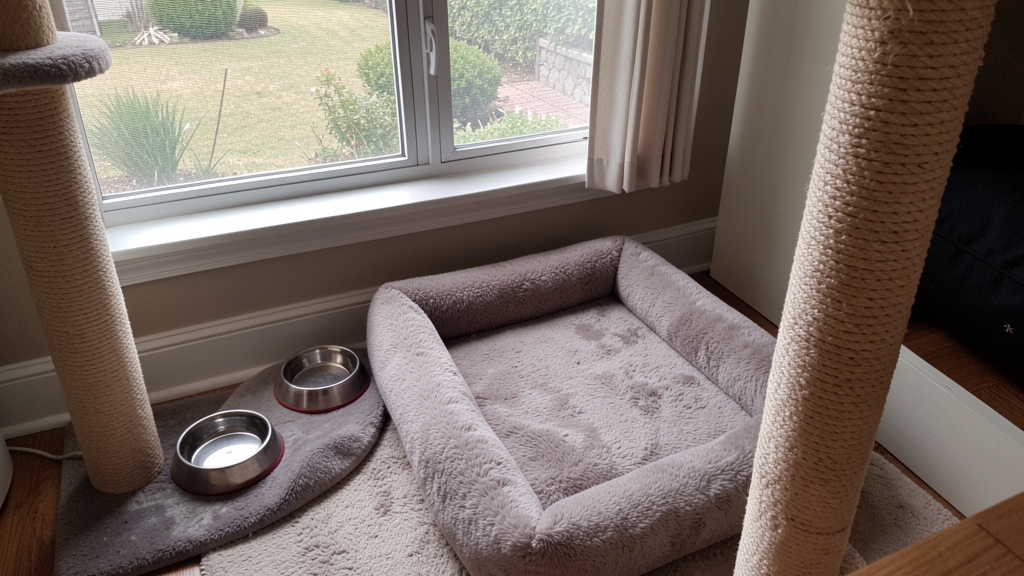
Move Beyond Basic Safety Tips: Build a Home That Honors Your Pet’s Instincts, Strengthens Your Bond, and Thrives with Daily Life
Creating a pet-friendly home transcends removing toxic plants or securing trash cans. It is the intentional weaving of animal behavior science, empathetic design, and sustainable daily rhythms into the very fabric of your living space. This guide delivers a holistic, actionable framework—grounded in principles recognized by veterinary environmental medicine and ethological research—to transform your house into a sanctuary where every creature, human and animal alike, feels secure, stimulated, and deeply connected. You’ll discover how thoughtful spatial choices reduce anxiety, prevent destructive behaviors before they begin, and cultivate a home that grows with your pet through every life stage.
Introduction: Redefining “Pet-Friendly” for the Modern Household
For decades, “pet-friendly” has been narrowly defined by hazard avoidance: hide the cords, lock the cabinets, choose scratch-resistant fabric. While safety is essential, this reactive approach misses the profound opportunity before us. Today’s pet guardians seek deeper harmony—a home that doesn’t just tolerate animals but actively supports their physical health, emotional well-being, and species-specific instincts. This shift aligns with evolving perspectives in veterinary care: environmental enrichment is widely regarded as critical to pet health, alongside nutrition and preventive care. Research published in the Journal of Veterinary Behavior consistently links enriched, predictable home environments to reduced stress indicators, fewer compulsive behaviors, and stronger human-animal bonds.
Consider the dog who chews baseboards not out of spite, but from unmet foraging instincts. The cat who avoids the litter box because its location triggers primal vulnerability. The rabbit who thumps anxiously near floor vents mimicking predator sounds. These aren’t “bad behaviors”—they are communications. A truly pet-friendly home listens. It translates biological needs into spatial solutions. It acknowledges that a parrot requires vertical territory as much as a hamster needs subterranean complexity. This framework moves beyond generic checklists to offer a dynamic system adaptable to your unique household composition, architecture, and lifestyle. Whether you share your space with a senior rescue dog, a curious kitten, a flock of finches, or multiple species cohabiting, these principles provide the foundation for lasting harmony. The journey begins not with a shopping list, but with a mindset shift: your home is a shared ecosystem. Every choice—from window placement to daily routines—ripples through this ecosystem. Let’s build it with intention.
The Harmony Habitat Framework: Foundation, Flow, Flourish
At the heart of a resilient pet-friendly home lies a three-layer framework informed by environmental enrichment practices and behavioral science. This model—Foundation, Flow, Flourish—mirrors the hierarchy of animal needs, ensuring safety and security form the bedrock upon which trust, expression, and joy naturally emerge. Skipping layers creates fragility; a beautifully appointed cat tree (Flourish) cannot compensate for a chaotic, unpredictable environment (weak Foundation). Let’s explore each layer with precision, practicality, and deep respect for your pet’s perspective.
Layer 1: Foundation – The Unseen Architecture of Safety & Security
Foundation addresses physiological safety and psychological security—the prerequisites for any animal to relax, learn, or play. Without this layer, stress becomes the default state, triggering survival behaviors that manifest as “problems” to humans. This layer operates largely beneath conscious awareness but requires deliberate design.
Spatial Sanctuary Zones: The Essential Retreat
Every pet must have immediate, unconditional access to a private sanctuary—a space they control entirely. For dogs, this is often a covered crate or den-like bed placed away from high-traffic zones (not tucked under a desk where feet constantly pass). For cats, it’s an elevated perch with a covered rear entrance (like a shelf behind a bookcase) or a quiet closet with a microchip-activated cat flap. Small mammals need hide boxes inside their enclosures; birds require a covered corner of their cage. Crucially, this zone must be respected: no forced interaction, no reaching in during rest. Teach children and visitors this boundary using visual cues—a small rug defining the zone, a discreet sign (“Quiet Please: Recharging”).
Why this matters: In ethology, this reflects “control over environment,” a core component of animal welfare frameworks. When an animal can retreat from stimuli (loud noises, visitors, other pets), its nervous system regulates. Chronic lack of retreat options correlates with heightened anxiety. Research indicates dogs with consistent access to private resting areas often exhibit fewer stress-related behaviors during household activity peaks.
Common Foundation Considerations:
– Placing a dog’s bed in a hallway where constant foot traffic may create low-grade stress.
– Using a glass-walled enclosure for reptiles without opaque hiding caves, potentially causing prolonged vigilance.
– Positioning a cat’s litter box in a noisy laundry room next to a humming washer—a location perceived as high-risk for ambush.
Adaptable Implementation:
– Ideal: Custom-built nook under stairs with sound-absorbing lining.
– Budget: Repurpose a large cardboard box (for cats/small dogs) lined with an old sweater; drape a thick blanket over a sturdy chair to create a cave.
– Temporary: During storms or fireworks, transform a closet: lay down a familiar blanket, add a worn t-shirt with your scent, and close the door partially.
Sensory Baseline Calibration: Tuning the Home’s Invisible Currents
Animals experience homes through heightened senses we often overlook. Foundation requires auditing your space through their sensory lens:
- Auditory: Identify low-frequency hums (refrigerators, HVAC systems) that may vibrate through floors. Place pet beds away from these sources. Use white noise machines near windows facing streets to mask sudden car doors or barking. For sound-sensitive pets (many herding breeds, senior dogs), designate a “quiet room” with thick rugs, heavy curtains, and bookshelves acting as sound buffers.
- Olfactory: Avoid strong chemical cleaners near pet zones. Opt for enzymatic cleaners for accidents—they eliminate odor signals rather than masking them with perfume, reducing the likelihood of repeat marking. Store citrus-scented products (aversive to many cats) away from feline pathways. Place calming pheromone diffusers (species-specific: Feliway for cats, Adaptil for dogs) near—not inside—sanctuary zones to avoid overwhelming the retreat space.
- Visual: Reduce visual stressors. For prey-species pets (rabbits, birds), position enclosures against walls so they aren’t exposed on all sides. Use sheer curtains on ground-floor windows to prevent dogs from fixating on passing squirrels (a common trigger for barrier frustration barking). For multi-cat homes, ensure sightlines allow pets to see approaching animals before close encounters—avoid blind corners in hallways.
Real-Life Scenario: Maya adopted Leo, a rescue Greyhound with noise sensitivity. Instead of relying solely on comfort wraps during storms, she implemented Foundation layer changes: moved his bed from the echoey kitchen to a carpeted bedroom corner, added a white noise machine playing forest sounds, and installed blackout curtains to mute lightning flashes. Over time, his pre-storm restlessness decreased noticeably. The environment itself became part of the support strategy.
Material Integrity: Beyond “Pet-Proof” to “Pet-Respectful”
Flooring, fabrics, and finishes must balance durability with biological appropriateness. Slippery hardwood floors may contribute to joint strain in dogs (especially seniors or deep-chested breeds) and prevent cats from confidently leaping down. Solution: Strategic area rugs with non-slip pads in key pathways (from bed to water bowl, near stairs). For flooring replacements, consider cork (naturally antimicrobial, warm underfoot, sound-absorbing) or luxury vinyl plank with textured finish for traction.
When selecting furniture fabrics, move beyond “scratch-resistant.” Tight-weave performance fabrics (like Crypton) resist claws and clean easily, but also consider texture preference. Many cats avoid rough sisal on sofas but happily use a dedicated sisal-wrapped scratching post. Offer choices: a smooth microfiber sofa paired with multiple textured scratching surfaces nearby. For households with pets prone to accidents (puppies, seniors, medical conditions), invest in washable, waterproof mattress and cushion protectors beneath decorative covers—discreet yet essential for hygiene and odor control.
The Fundamental Principle: Security is not the absence of stimuli, but the presence of predictable control. A pet who knows where safety lives, how to access it, and trusts it will remain undisturbed develops the confidence to engage fully with the home.
Layer 2: Flow – Designing Intuitive Pathways for Daily Life
With Foundation secured, Flow optimizes how pets and humans move through shared space. It eliminates friction points in routines (feeding, play, elimination) and aligns home layout with natural behavioral sequences. Flow reduces owner frustration (“Why won’t they use the fancy bed?”) and pet confusion (“Where is my water now?”) by creating intuitive, consistent patterns. This layer transforms chaotic cohabitation into graceful choreography.
The Circulation Loop: Mapping Species-Specific Movement
Sketch a simple floor plan of your main living area. Trace the path your dog takes from waking to breakfast. Does it weave through chair legs? Dodge toys? Now trace your cat’s path from litter box to sunny window perch. Do they cross the dog’s food zone? Flow design identifies and resolves these conflict zones.
- For Dogs: Create a dedicated “exit route” from sleeping area to door. Keep this path clear of obstacles. Place water bowls at the end of the route (near the door), not beside food—mimicking natural sequences where hydration follows activity. In multi-dog homes, ensure wide enough hallways to prevent tension during movement.
- For Cats: Implement vertical circulation. Install wall-mounted shelves or catwalks connecting key zones (sleeping area → window → litter vicinity). This “highway system” allows cats to navigate without ground-level confrontations. Place litter boxes on every floor level used by cats—never isolate them in a single basement location requiring stressful navigation past other pets.
- For Small Pets/Birds: Position enclosures away from high-traffic thoroughfares but within family activity zones (e.g., a quiet corner of the living room, not a lonely basement). This satisfies their need for social connection without overwhelming sensory input. Ensure cage doors open away from foot traffic to prevent accidental bumps during interaction.
Why Flow Prevents Misunderstood Behaviors: A dog who knocks over a trash can while circling the kitchen may simply be navigating an obstructed path to water. A cat who scratches the sofa arm may be using it as a directional marker between zones. By designing intentional pathways with appropriate markers (scratching posts at path junctions, water stations at route endpoints), you redirect energy positively.
Resource Placement Strategy: The Triad of Trust
Food, water, and elimination zones form a behavioral triad. Their placement relative to each other and to human activity zones profoundly impacts pet comfort.
| Resource | Ideal Placement Principle | Common Consideration | Flow-Optimized Solution |
|---|---|---|---|
| Food | Quiet, low-traffic area with visual barrier (e.g., behind a half-wall). Allows pet to eat without feeling exposed. | Next to noisy appliances or in center of kitchen island. | Create a “dining nook” in a quiet corner. Use a low bookshelf as a visual screen. For multi-pet homes, feed pets in separate areas with sightlines but space between them. |
| Water | Multiple stations: near resting areas, at end of activity paths, away from food bowls (animals instinctively avoid contaminating water sources). | Single bowl tucked beside food in a busy kitchen corner. | Place ceramic or stainless-steel bowls (less bacterial growth than plastic) in 2-3 locations. Add a pet fountain in a central zone—moving water encourages hydration, especially for cats. Clean bowls daily. |
| Litter/ Elimination | For cats: In quiet, accessible locations with two escape routes (never in a dead-end closet). For dogs: Consistent outdoor location; indoor pads placed away from sleeping/eating zones. | Litter box hidden in dark, noisy basement corner; pee pads near dog’s bed. | Cats: Place boxes in bathrooms (if quiet) or laundry rooms with doors propped open. Use large, uncovered boxes (approximately 1.5x cat’s length). Dogs: Designate a specific patio corner with textured pavers for traction. Keep leashes/hooks by every exit door used for potty breaks. |
Nuance for Multi-Species Homes: In households with both cats and dogs, elevate cat resources. Mount wall shelves for food/water bowls 30+ inches high. Use baby gates with cat-door flaps (positioned high) to create dog-free zones containing litter boxes. Never place a cat’s litter box where a dog can corner them during use—a critical safety and stress point often overlooked.
Temporal Flow: Weaving Routines into the Home’s Rhythm
Flow extends beyond physical space into time. Pets often thrive on predictability. Anchor their day with consistent environmental cues:
– Morning: Open bedroom curtains fully at wake-up time. The shift in light signals “day begins.” Place breakfast bowls in the same spot daily.
– Evening: Dim overhead lights 30 minutes before bedtime; use warm-toned lamps. This mimics natural dusk, supporting calmer settling.
– Transitions: Use distinct sounds for key routines. A specific chime before walks (not the jingle of keys, which can cause door-dashing anxiety) becomes a positive conditioned cue. A soft verbal phrase (“Time for quiet”) before leaving the house may reduce separation-related distress.
Illustrative Example: Mark kept his dog’s leash by the front door. Every time he grabbed keys (even just to check the mailbox), his Border Collie, Scout, would spin and bark frantically at the door—a conditioned stress response. By moving the leash to a closet and using a unique “walk chime” app only before actual walks, Scout learned to associate the chime with walks, not keys. Door anxiety diminished noticeably within days. The home’s temporal cues were recalibrated.
Layer 3: Flourish – Cultivating Joy, Expression, and Connection
Flourish is where personality shines. This layer activates species-specific instincts through enrichment, deepens human-animal bonds through intentional interaction zones, and celebrates the unique joy pets bring. It’s not “extra”—it’s essential for preventing boredom-related behaviors and nurturing psychological well-being. Flourish transforms a safe house into a vibrant, engaging habitat.
Instinct Activation Stations: Beyond Toys to Purposeful Engagement
Move past generic toy bins. Design stations targeting core instincts:
- Foraging Stations (Dogs, Cats, Pigs): Replace part of daily kibble with food puzzles. Start simple: a snuffle mat for breakfast. Progress to puzzle toys or DIY options (muffin tin covered with tennis balls). Hide small portions of kibble along a hallway “trail” before dinner. Why it works: Foraging occupies a significant portion of a wild canid’s/felid’s day. Replicating this satisfies deep neural pathways, reducing anxiety and destructive chewing. Studies suggest dogs using food puzzles may show reduced pacing and vocalizing.
- Predatory Sequence Zones (Cats, Ferrets): Cats benefit from completing the hunt-catch-kill-eat-groom sequence. Laser pointers only if followed by a physical “catch” (toss a kicker toy where the dot vanishes). Use wand toys with realistic movement (pause, twitch, hide) for short sessions daily. Place window perches facing bird feeders (with protective film on glass to prevent collisions) for safe “prey observation.”
- Burrowing & Nesting Areas (Rabbits, Guinea Pigs, Small Rodents): Provide deep bedding (paper-based or aspen shavings) for digging. Add cardboard tubes, untreated wicker baskets, or fabric tunnels. Rotate items weekly to maintain novelty. For birds, offer shreddable toys (untreated wood, palm leaves) and foraging cups hidden in cage corners.
- Scent Work Gardens (Dogs): Designate a small outdoor patch with pet-safe herbs (lavender, rosemary, catnip for cats). Bury scented items (a glove rubbed with your scent) for “find it” games. Indoors, use scent mats with products specifically formulated for pets (never undiluted human oils).
Adaptable Implementation Spectrum:
– Ideal: Custom-built cat agility course with shelves, bridges, and scratching surfaces integrated into living room wall.
– Budget: Repurpose cardboard boxes into tunnels and forts; stuff kibble into a clean, empty plastic bottle with holes punched (supervised use only); hang a feather teaser from a doorframe with string.
– Temporary Enrichment: During travel delays or bad weather, use household items: crumple paper into balls for chasing, hide treats under overturned cups for “shell game,” or simply sit quietly while your pet explores a new cardboard box.
Connection Corners: Designing Spaces for Mutual Joy
Intentionally design zones that facilitate positive interaction without demanding constant engagement:
– The Cozy Nook: A deep armchair with washable slipcover, a small side table for water bowl and grooming brush, and a soft throw blanket. Position near natural light. This becomes the default spot for quiet bonding—brushing, gentle massage, or simply sitting together while you read.
– The Play Portal: A dedicated area (corner of family room) with storage bench for toys. Include a non-slip mat for tug-of-war or training sessions. Keep high-value rewards (small training treats) in a nearby jar. The key: containment. When playtime ends, toys go in the bench, signaling transition. This prevents toys from becoming scattered hazards and teaches “play has a place and time.”
– The Observation Perch: For pets who prefer companionship without touch (many cats, senior dogs), create a comfortable spot near human activity but slightly elevated or set back. A window seat with cushion, a cat tree beside the home office desk, or a dog bed just outside the kitchen doorway. They participate in family life on their terms.
Real-Life Transformation: The Chen family had a “toy explosion” problem. Their Golden Retriever, Sunny, would drag toys everywhere, creating tripping hazards. They built a low wooden bench with open cubbies labeled “Sunny’s Toys.” They taught Sunny the “put away” command using positive reinforcement—dropping a toy in the cubby earned a treat. Within weeks, Sunny would proudly carry toys to the bench. The Connection Corner became a ritual: focused play followed by tidy-up. The home felt calmer; Sunny’s confidence grew.
Seasonal & Life-Stage Flourish: Adapting the Habitat Over Time
A static home cannot support a dynamic pet. Flourish requires proactive adaptation:
– Puppy/Kitten Phase: Prioritize chew-safe zones. Use exercise pens to contain exploration. Place potty pads or litter boxes exactly where accidents occurred previously—scent guides them. Introduce novel textures (grass mats, carpet squares) to build confidence.
– Senior Years: Add orthopedic beds with bolsters for joint support. Install ramps to favorite spots (car, sofa, bed). Place non-slip rugs on all hard surfaces. Raise food/water bowls to elbow height for arthritic pets. Use nightlights along paths to water or elimination areas.
– Seasonal Shifts: In summer, create a cool zone: tile floor section with a cooling mat, near a fan (never direct airflow on pet). In winter, position beds away from drafty windows; add heated pads under bedding (not on top) for warmth without burns. During holidays, establish a “quiet room” protocol before guests arrive—stocked with familiar items, white noise, and a pheromone diffuser.
Flourish is not about perfection. It’s about noticing what brings your pet’s eyes to light up—a sunbeam on the rug, the sound of the treat jar, the texture of a specific blanket—and intentionally weaving those moments into your shared habitat. It’s the daily choice to see your home through their eyes and respond with creativity and care.
Species-Specific Sanctuary Zones: Honoring Biological Blueprints
While the Harmony Habitat Framework applies universally, its expression must honor each species’ evolutionary legacy. A “one-size-fits-all” approach creates subtle stressors that erode well-being over time. This section translates core principles into tailored sanctuary designs for common household companions. Remember: within species, individual personalities vary. Observe your pet’s unique preferences and adjust accordingly.
Canine Comfort: Designing for Pack Instincts and Individual Roles
Dogs are social creatures whose home needs reflect their breed’s original purpose and their role within your family “pack.” A Border Collie’s sanctuary differs fundamentally from a Basset Hound’s—not due to preference, but biology.
Den Design Considerations:
A dog’s resting area should feel enclosed and secure. For many dogs, a crate covered with a breathable blanket (leaving the front open) provides ideal den-like security. Size matters: the crate should allow standing, turning, and lying flat comfortably. For dogs with crate sensitivity (often rescues), start with an open-topped exercise pen containing the bed, gradually introducing the crate door open, then closed for short periods with high-value treats.
Placement Psychology: Position the den where the dog can observe household activity without being in the direct flow. Beside a sofa (not under it), in a quiet corner of the living room with sightlines to family members. Avoid isolating dens in basements or laundry rooms—this may trigger distress in social species. For multi-dog homes, provide individual dens spaced apart, allowing choice of proximity. Never force cohabitation in a single crate.
Breed-Informed Flow Considerations:
– Herding Breeds (Border Collies, Aussies): Channel their drive with “jobs.” Install a treat-dispensing ball on a track they can nudge with their nose. Designate a specific basket of toys they are “allowed” to carry and organize. Provide visual barriers (like a baby gate) during high-stimulus times (children playing) to prevent frustrated circling.
– Scent Hounds (Beagles, Bassets): Their world is olfactory. Create scent trails for hide-and-seek games. Use snuffle mats daily. Avoid strong air fresheners near their zones. When walking, allow ample “sniffari” time—this is mental exercise as vital as physical.
– Brachycephalic Breeds (Pugs, Bulldogs): Prioritize temperature control. Place beds away from direct sun and heat vents. Ensure water is always accessible. Avoid stairs; use ramps for furniture access. Monitor closely in humid weather—designate a cool tile floor zone with a fan nearby.
– Sighthounds (Greyhounds, Whippets): Sensitivity to cold and hard surfaces is common. Provide deeply padded orthopedic beds. Use non-slip rugs on all floors. Avoid sudden loud noises near resting areas—they startle easily.
Outdoor Integration for Dogs:
A fenced yard requires enrichment to prevent boredom. Divide the space:
– Active Zone: Grass area for running, with durable toys (Jolly Balls).
– Sensory Zone: Plant pet-safe herbs (mint, rosemary) in raised beds; add a sand pit for digging (bury toys here).
– Rest Zone: Shaded area with raised cot (prevents ground moisture) and fresh water station.
Safety Note: Check fencing regularly for gaps. Bury fencing underground to prevent digging escapes. Never leave dogs unattended for extended periods—boredom leads to destructive digging or barking. Provide a covered shelter within the yard for weather protection, but remember: dogs are social creatures. Their primary sanctuary belongs inside with their family.
Feline Freedom: Engineering Vertical Territory and Choice
Cats are solitary hunters who thrive on control, vertical space, and predictable resources. Forcing horizontal cohabitation without vertical options creates chronic stress—a root cause of litter box avoidance and inter-cat tension.
The Vertical Ecosystem:
Cats perceive space in three dimensions. A smaller space with vertical access can feel more expansive than a larger horizontal-only space. Build upward:
– Entry-Level: Wall-mounted shelves (secured into studs) at varying heights, connected by narrow pathways. Place near windows.
– Intermediate: Cat trees with multiple levels, sisal-wrapped posts, and enclosed hideaways (not just open platforms). Position one near a sunny window, another near sleeping areas.
– Advanced: Custom catwalks spanning rooms, integrated with bookshelves or cabinetry. Include “escape routes”—a high shelf leading to a closed-off room via a cat door.
Placement Strategy: Create sightlines between key resources. A cat should be able to see the litter box entrance from their favorite perch before descending. Avoid placing perches directly facing the front door—this creates vigilance stress. Instead, position them beside side windows with less traffic.
Litter Box Protocol: Key Considerations
Litter issues are a common concern. Most stem from environmental mismatches:
1. Quantity: A common guideline is one box per cat, plus one extra.
2. Placement: One on every floor. In quiet, accessible locations with two exit paths (never in a closet with a swinging door that can trap them).
3. Type: Large, uncovered boxes (storage bins with a cut-down side work well). Fill with 2-3 inches of unscented, fine-grain clumping litter (mimics natural soil).
4. Maintenance: Scoop daily. Completely change litter weekly. Wash boxes monthly with mild soap (no ammonia—smells like urine to cats).
Important Insight: If a cat avoids the box, first rule out medical issues with a vet. Then audit location: Is it near a noisy appliance? Can another pet block access? Is the litter texture aversive? Never punish—this associates fear with elimination.
Window Worlds and Predatory Fulfillment:
Windows are television for cats. Maximize safe viewing:
– Install sturdy window perches (secured to frame, not just suction cups).
– Place bird feeders outside windows visible from perches—but apply decal stickers to glass to prevent collision injuries.
– Rotate catnip or silver vine toys near windows to maintain interest.
For indoor-only cats, predatory sequence completion is important. Daily wand toy sessions (ending with the “catch” of a small treat) support well-being. Provide multiple scratching surfaces: vertical posts (tall enough to stretch fully), horizontal mats, and angled options. Place them near sleeping areas (cats stretch upon waking) and by entrances (territorial marking).
Small Mammal & Avian Havens: Micro-Habitats of Complexity
Rabbits, guinea pigs, birds, and rodents require environments that satisfy deeply ingrained instincts often invisible to humans. Their enclosures are not cages—they are entire worlds.
Rabbit & Guinea Pig Sanctuary Principles:
– Space Considerations: C&C (cube and coroplast) pens are ideal. Minimum space guidelines exist (e.g., 12 sq ft per rabbit plus run space), but more space is generally better.
– Zoning Within Enclosure: Divide space mentally:
– Hide Zone: Multiple enclosed hide boxes (cardboard castles, wooden houses) placed at opposite ends.
– Litter Zone: Corner litter box filled with paper-based litter and hay on top (rabbits eat while eliminating).
– Forage Zone: Scatter hay throughout; use puzzle feeders for pellets.
– Dig Zone: Shallow tray filled with soil or shredded paper.
– Flooring: Solid flooring only (no wire bottoms). Cover with absorbent bedding (paper pellets) topped with soft hay or fleece liners (changed daily).
– Daily Freedom: Rabbits and guinea pigs benefit from several hours of supervised free-roam time in a bunny-proofed room daily. Block cords, cover baseboards with cardboard, remove toxic plants. This supports physical and behavioral health.
Avian Environment Essentials:
Birds are prey animals whose cage design directly impacts psychological safety:
– Cage Size: Wingspan must allow full extension without touching bars. For parrots, width > height (they fly horizontally). Minimum bar spacing appropriate for species (too wide = foot entrapment risk).
– Interior Layout:
– Perches: Vary diameter (natural branches ideal) and material (rope, wood, cement). Place highest perch away from cage door.
– Food/Water: Position away from perches above to avoid contamination. Use multiple stations.
– Hide Areas: Include a “sleeping hut” or covered corner for security during rest.
– Out-of-Cage Time: Essential for physical and mental health. Create a “bird-safe” room: close windows/doors, cover mirrors, remove toxic plants (lilies, philodendron), secure other pets. Provide a play gym with foraging toys. Never force interaction—let the bird choose to step up.
– Sensory Awareness: Avoid placing cages in drafty areas, direct sunlight (overheating risk), or near kitchens (certain fumes can be harmful). Position at eye level when you’re seated—too high may feel dominant; too low may feel vulnerable.
Reptile & Amphibian Habitat Fidelity:
These pets require precise replication of microclimates. Research species-specific needs before acquisition:
– Thermal Gradients: Essential for ectotherms. Create a warm basking zone (species-specific temp) and a cool zone within the same enclosure. Use thermostats on all heat sources—never rely on wattage alone.
– Humidity Control: Tropical species need consistent high humidity (misters, deep substrate, live plants). Desert species require dry air with localized moisture (shallow water dish). Monitor with digital hygrometers.
– Substrate & Enrichment: Avoid loose substrates for species prone to impaction (use reptile carpet or tile). Provide hides on both warm and cool ends. Add climbing branches, rocks, or aquatic features as appropriate.
Ethical Consideration: Many reptiles have complex social and spatial needs. Consult species-specific care guides from veterinary herpetology associations. When in doubt, consider adoption from rescues specializing in reptiles.
Room-by-Room Transformation Guide: Practical Integration
Translating framework principles into your actual home requires room-specific strategies. This guide provides actionable adaptations for every key space, balancing pet needs with human functionality. Implement changes incrementally—start with the room where your pet spends most time.
Kitchen: The High-Stakes Hub
The kitchen concentrates hazards (food, chemicals, heat) and high-value resources (food bowls, trash). Strategy: Create clear zones and barriers.
Safety First Protocol:
– Trash Containment: Use a step-can with a secure lid inside a cabinet, or a freestanding can with a locking lid. For persistent trash raiders, install a cabinet lock on the under-sink cabinet where trash is stored.
– Chemical Lockdown: Store all cleaners, detergents, and pesticides in high cabinets with child-proof locks. Never leave open containers on counters.
– Food Security: Keep human food in sealed containers. Never leave food unattended on counters—train dogs with “leave it” commands, but don’t rely solely on training. Use baby gates to restrict kitchen access during cooking if needed.
– Appliance Awareness: Keep dishwasher and washing machine doors closed. Teach pets to avoid the stove area—use a stovetop cover when not in use. Secure dangling cords from blenders or toasters.
Pet Integration Zones:
– Feeding Station: Create a dedicated nook in a quiet corner (not underfoot near the stove). Use a non-slip mat under bowls. For multi-pet homes, feed dogs and cats in separate areas with sightlines but space between them to reduce tension. Elevated bowls may benefit some large breeds (consult your vet—some conditions require floor-level feeding).
– Water Station: Place a ceramic bowl or fountain away from food bowls and the trash can. Refill and clean daily. Consider a second station just outside the kitchen door for easy access.
– “Go Zone” for Dogs: Designate a specific spot (a rug or bed) where your dog waits during meal prep. Train with positive reinforcement: “Go to your spot” earns a chew toy or frozen Kong. This prevents begging and underfoot accidents.
Real-Life Hack: Sarah installed a tension rod horizontally across her kitchen doorway, 18 inches above floor level. Her small dog could duck under it, but it blocked access to the main cooking area. Simple, reversible, and effective.
Living Room: The Social Heartland
This space demands balance: human relaxation, pet enrichment, and multi-species coexistence. Focus on zoning and resource placement.
Furniture Strategy:
– Sofas/Chairs: Choose performance fabrics (Crypton, Sunbrella) with tight weaves. Avoid delicate silks or loose knits. Place throws or slipcovers on favored pet spots for easy washing.
– Scratching Solutions: Place sturdy scratching posts next to furniture your cat targets—not across the room. Cats scratch near resting areas and territorial boundaries. Use double-sided tape (like Sticky Paws) on furniture arms temporarily while redirecting to the post.
– Cord Management: Run TV and lamp cords through PVC conduit pipes secured under furniture. Use cord clips to keep them taut against walls. Spray bitter apple only on accessible cord sections (test fabric first).
Multi-Species Flow Mapping:
– Vertical Separation: Install cat shelves high on walls. Use baby gates with cat-door flaps (positioned high) to create dog-free zones containing cat resources.
– Visual Barriers: Place a bookshelf perpendicular to a hallway to break sightlines between dog resting area and cat litter box location. Reduces staring-induced tension.
– Shared Zones: Designate a central rug area as neutral territory. Place interactive toys here for supervised multi-pet play (only if all pets are comfortable).
Enrichment Integration:
– Mount a bird feeder outside a living room window with a cat perch nearby (apply window decals).
– Keep a “quiet time” basket stocked with puzzle toys, snuffle mats, and chews for when you need focused work time.
– Use furniture layout to create natural pathways: arrange chairs to allow clear routes between pet zones without cutting through human seating areas.
Bedroom: Sanctuary Within Sanctuary
Bedrooms should be ultimate retreats for both humans and pets. Prioritize sleep quality and security.
Pet Sleeping Solutions:
– On-Bed: If permitted, ensure pets have easy access (ramp for seniors) and washable bedding. Address allergies with HEPA air purifiers and frequent laundering.
– Off-Bed: Place orthopedic beds on the floor near your bed. For cats, a window perch with cushion. For small pets, position enclosures away from direct drafts but within the room’s ambient warmth.
– Separate Room: For pets with nighttime anxiety or medical needs requiring monitoring, keep their den in your bedroom but not on the bed. The proximity provides comfort without disruption.
Nighttime Safety & Calm:
– Install nightlights along paths to water or elimination areas for senior pets.
– Use white noise machines to mask household sounds (HVAC, street noise) that might startle light sleepers.
– Keep floors clear of tripping hazards (shoes, toys) before bed.
– For cats who wake owners at dawn: Use an automatic feeder timed for before wake-up. This may help break the “feed me when I meow” cycle. Provide a pre-bedtime interactive play session to expend energy.
Critical Boundary: Teach children that a pet’s bed (whether on floor or furniture) is a “do not disturb” zone during rest times. Use visual cues like a special blanket only placed during nap times.
Bathroom: Compact but Critical
Often overlooked, bathrooms concentrate hazards and essential resources.
Litter Box Optimization (For Cats):
– If space allows, place box in a corner with walls on two sides for security. Ensure the door can stay propped open (use a door stop) so the cat never feels trapped.
– Never place box directly beside the toilet—flushing sounds startle many cats.
– Keep cleaning supplies locked under the sink. Store medications in high cabinets.
– Place a non-slip mat beside the tub for pets who join baths.
Small Pet Station:
– For rabbits or guinea pigs with free-roam time, the bathroom (with toilet lid closed and hazards removed) can be a safe exercise pen location. Block vents and secure cords.
– Keep grooming supplies (brushes, nail clippers) in a dedicated caddy for easy access during handling sessions.
Universal Safety:
– Always keep the toilet lid down—curious pets can fall in or drink contaminated water.
– Never leave small items (bobby pins, cotton swabs) within reach.
– Use non-slip adhesive strips in bathtubs if bathing pets there.
Outdoor Spaces: The Extended Habitat
Yards, balconies, and patios require species-specific safety and enrichment. Never assume “fenced” equals “safe.”
Canine Yard Enhancement:
– Zoning: Divide into activity zones. Add a digging pit filled with sand and buried toys. Plant pet-safe shrubs (bamboo, rosemary) for shade and sensory interest.
– Safety Audit: Check fencing regularly for gaps. Bury fencing underground. Remove toxic plants (sago palm, oleander, lilies). Secure compost bins (contain moldy food hazards). Provide constant access to fresh water in a tip-proof bowl.
– Mental Stimulation: Install a “sniffari” path: scatter kibble along a grassy route. Hang durable toys from sturdy branches. Rotate novel items weekly (a new log, a cardboard box).
Feline Outdoor Access (Safely):
– Catio Construction: Build or buy a secure outdoor enclosure attached to a window or door. Must have roof (predator protection), multiple levels, scratching posts, and weather protection. Use sturdy wire mesh buried underground.
– Harness Training: For supervised outings, use a well-fitted harness (not collar) and leash. Start indoors, rewarding calm behavior. Never force exploration.
– Window Box Gardens: Grow catnip, catmint, or wheatgrass in secure window boxes. Apply bird-safe decals to glass.
Balcony & Patio Safety (Essential):
– Netting: Install sturdy pet-proof netting on all railings, extending from floor to ceiling. Standard balcony gaps can trap heads or allow falls.
– Plant Audit: Remove all toxic plants (lilies, sago palm, azaleas). Use hanging planters out of reach.
– Surface Safety: Avoid pressure-treated wood (contains arsenic). Provide shaded areas and cool surfaces (tile sections) in summer. Never leave pets unattended on balconies.
Wildlife Coexistence Protocol:
– Secure trash cans with locking lids to avoid attracting raccoons or coyotes.
– Bring pets indoors at dusk/dawn when predators are active.
– Use motion-activated sprinklers to deter wildlife from yards.
– Keep bird feeders away from areas where cats have outdoor access.
Ethical Consideration: Outdoor access carries inherent risks (vehicles, toxins, wildlife, disease). For cats, many veterinary and conservation organizations recommend supervised outdoor time only (catios, harness walks). Weigh risks carefully with your veterinarian based on your location and pet’s health.
Navigating Behavioral Crossroads: When Harmony Feels Distant
Even with a thoughtfully designed habitat, behavioral challenges arise. Life changes (new baby, moving), medical issues, or unresolved stressors can disrupt harmony. This section provides a compassionate, solution-focused protocol—not quick fixes, but sustainable pathways back to balance. Always rule out medical causes with a veterinarian first. Pain, thyroid issues, or cognitive changes often manifest as behavioral shifts.
Decoding Distress: From Symptom to Root Cause
Pets communicate through behavior. “Problem” behaviors are symptoms of unmet needs. Shift your perspective from “How do I stop this?” to “What is my pet trying to tell me?”
| Observed Behavior | Common Misinterpretation | Likely Root Cause (Habitat Lens) | First Step |
|---|---|---|---|
| Chewing furniture/baseboards | “He’s destructive/spiteful” | Boredom, teething (puppies), anxiety, lack of appropriate chew outlets | Audit daily enrichment: Is foraging time sufficient? Are chew toys rotated? Check for separation anxiety triggers (does it happen only when alone?) |
| Litter box avoidance | “She’s mad at me” | Medical issue (UTI), box location stress (noise, accessibility), litter texture aversion, box cleanliness | Vet visit first. Then: Add boxes, change location, try different litter, ensure easy access (low sides for seniors) |
| Excessive barking at windows | “He’s being annoying” | Barrier frustration (sees triggers but can’t investigate), lack of mental outlet, anxiety | Block visual access temporarily (sheer curtains). Increase sniff-based walks. Teach “quiet” command with positive reinforcement. Provide alternative focus (chew toy during peak trigger times) |
| Hiding/avoiding interaction | “She’s shy” | Pain, fear (recent loud noise?), resource guarding anxiety, environmental change | Create safe retreat zone. Avoid forcing interaction. Use high-value treats tossed near (not at) hiding spot to build positive association. Consult vet for pain assessment |
| Inter-pet tension (hissing, growling) | “They just don’t like each other” | Resource competition (food, space), inadequate territory, forced proximity | Implement strict resource separation. Create vertical space for cats. Use baby gates for visual barriers. Gradual reintroduction protocol with positive associations (feed near each other with barrier) |
The Observation Journal:
Before intervening, observe objectively for a few days:
1. What exactly happens? (Not “he’s aggressive”—”he stiffens, stares at Cat B, then swats when Cat B passes within 2 feet”)
2. When does it occur? (Time of day, preceding events: after meals? when doorbell rings?)
3. Where does it happen? (Map the location)
4. Who is involved? (All pets? specific combinations?)
5. What happens immediately after? (Does behavior stop? escalate?)
This data reveals patterns invisible in the moment. You might discover barking peaks 10 minutes after the mail truck passes—a predictable trigger requiring environmental modification (closing blinds at that time), not punishment.
The Reintroduction Protocol: Resetting Relationships
For multi-pet households experiencing tension, a structured reintroduction rebuilds positive associations. This is not “just giving them time”—it’s active conditioning.
Phase 1: Complete Separation (Several Days)
– House pets in separate rooms with all resources (food, water, litter, bed).
– Swap bedding daily to exchange scents.
– Feed pets on opposite sides of a closed door—positive association with proximity.
Phase 2: Controlled Visual Access (Several Days)
– Use a baby gate covered with a towel (allowing scent exchange but blocking full view).
– Feed pets on either side of the gate. Gradually raise the towel over days as calmness allows.
– Keep sessions short (5-10 minutes), ending before tension arises. Reward calm behavior with treats.
Phase 3: Supervised Interaction (Ongoing)
– Leash dogs if needed. Keep sessions brief.
– Engage pets in parallel activities (both chewing bones, playing with separate toys).
– End sessions on a positive note. Never force interaction.
– If tension occurs, calmly separate without scolding. Return to previous phase.
Patience is essential. Rushing causes setbacks. Celebrate micro-progress: a relaxed tail wag, shared space without staring. Consult a certified veterinary behaviorist for persistent issues—they design species-specific protocols beyond generic advice.
Anxiety Alleviation: Environmental Calming Techniques
For noise sensitivities, separation distress, or general anxiety, modify the environment before considering supplements (though consult your vet about options).
Sensory Modulation Toolkit:
– Sound: White noise machines mask triggers. Calming music designed for pets may lower heart rates. During storms/fireworks, play nature sounds at moderate volume.
– Sight: Close curtains during fireworks. Use opaque window film on lower panes to block street stimuli while preserving light.
– Smell: Species-specific pheromone diffusers (Adaptil for dogs, Feliway for cats) mimic calming signals. Place near resting areas, not in high-traffic zones.
– Touch: Pressure wraps (Thundershirts) provide gentle, constant pressure—like a hug. Introduce gradually during calm times. For cats, a covered bed with soft fleece lining offers security.
The Safe Space Ritual:
Create a dedicated anxiety-reduction zone before crises occur:
1. Choose a quiet closet or corner.
2. Line with familiar blankets (your scent).
3. Add a covered bed or crate.
4. Place a white noise machine nearby.
5. Keep high-value chews or puzzle toys reserved only for this space.
During stressors, guide pet to the space calmly. Never force entry. Over time, the space itself may become a conditioned calm signal.
Important Reminder: Punishment is generally counterproductive for anxiety-driven behaviors and can increase fear. Your calm presence is valuable. Breathe deeply—pets often mirror human emotional states.
The Wellness-Integrated Home: Proactive Health Through Habitat
A pet-friendly home actively supports physical health, preventing issues before they arise and accommodating changing needs across the lifespan. This proactive integration supports quality of life and deepens your role as a guardian.
Allergy & Air Quality Management
Pet allergies (human or pet) require strategic environmental control—not just medication.
For Human Allergy Sufferers:
– Air Filtration: Place HEPA air purifiers in bedrooms and main living areas. Run continuously.
– Surface Strategy: Replace fabric upholstery with leather/vinyl where possible. Use washable rugs instead of wall-to-wall carpet.
– Grooming Protocol: Brush dogs outdoors daily. Wipe paws and coat with damp cloth after walks. Bathe pets regularly with vet-approved shampoo.
– Zone Control: Keep pets out of bedrooms. Use washable covers on furniture they use. Wash bedding weekly in hot water.
For Pets with Environmental Allergies (Atopy):
– Paw Care: Wipe paws with pet-safe wipes after outdoor time to remove pollen.
– Bedding Hygiene: Wash pet beds weekly in fragrance-free detergent.
– Air Quality: Reduce indoor allergens (dust mites, mold) with dehumidifiers in damp climates and regular HVAC filter changes (MERV 11+).
– Consult Your Vet: Environmental management complements—but doesn’t replace—veterinary treatment plans. Track symptom patterns to identify triggers.
Aging Gracefully: Habitat Adaptations for Senior Pets
Senior pets (generally 7+ years, earlier for giant breeds) benefit from proactive habitat adjustments to maintain dignity and comfort. Watch for subtle signs: hesitation on stairs, reduced grooming, changes in sleep patterns.
Mobility Support System:
– Non-Slip Surfaces: Apply adhesive grip strips to hard floors in key pathways. Use washable area rugs with rubber backing.
– Ramps & Steps: Install ramps for car access, sofas, and beds. Choose models with textured surfaces. For cats, use low-rise steps to favorite perches.
– Orthopedic Support: Replace thin beds with medical-grade orthopedic foam beds. Add bolsters for head/neck support. Place beds away from drafts and cold floors.
– Elimination Ease: For dogs with incontinence, use washable pee pads in discreet locations. For cats with arthritis, switch to extra-large litter boxes with very low entry ramps (DIY: cut a U-shaped notch in a storage bin side). Place boxes on every floor level.
Sensory Accommodations:
– Vision Loss: Keep furniture layout consistent. Use textured rugs to mark room transitions. Verbally announce your presence before approaching.
– Hearing Loss: Use vibration cues (stomp foot gently) or hand signals for communication. Avoid startling from behind.
– Cognitive Support: Maintain strict routines. Use nightlights for orientation. Provide familiar toys and scents. Consult your vet about cognitive changes—environmental enrichment combined with veterinary care can support well-being.
Daily Wellness Checks:
Incorporate gentle assessments into routines:
– While petting, feel for lumps, bumps, or areas of tension.
– Check teeth/gums during play (offer dental chews as part of routine).
– Monitor water intake and elimination habits.
– Note changes in appetite, energy, or interaction.
Early detection through daily observation supports timely veterinary care. Partner closely with your veterinarian on senior wellness plans.
Emergency Preparedness: The Unthinkable Made Manageable
Disasters (fires, floods, evacuations) require pet-specific planning. Most emergency kits overlook animal needs.
The 72-Hour Go-Bag (Per Pet):
– Documents: Waterproof pouch with photos (showing you with pet for ID), vaccination records, microchip number, vet contact, description.
– Supplies: 3-day food/water supply, collapsible bowls, medications (7-day supply), first-aid kit (gauze, antiseptic wipes, tweezers), leash/harness, carrier.
– Comfort: Familiar toy, blanket with your scent.
– Special Needs: Diapers for incontinent pets, cooling mat for brachycephalic breeds.
Home Safety Protocols:
– Window Clings: Place “Pet Inside” decals on front/rear windows (available from ASPCA). Update with current pet count/species.
– Carrier Accessibility: Keep carriers assembled and accessible (not in attic). Practice loading pets calmly—make it positive with treats.
– Evacuation Plan: Identify pet-friendly hotels, boarding facilities, or friends/family outside your area. Know multiple evacuation routes.
– During Evacuation: Secure pets in carriers/leashes before emergency arrives. Never leave pets behind.
Post-Emergency Reintegration:
After returning home:
– Reintroduce pets slowly—they may be disoriented.
– Check yard for hazards (downed power lines, debris).
– Monitor closely for stress behaviors (hiding, accidents).
– Maintain routines as much as possible.
Community Action: Share your emergency plan with trusted neighbors. Offer to include their pets in your plan if they’re away during a crisis. Build a neighborhood pet-alert network.
Overcoming Real-World Frictions: Practical Solutions for Common Constraints
Perfect habitats exist only in magazines. Real homes have budgets, rentals, space limits, and competing human needs. This section provides empathetic, actionable strategies for navigating these very real constraints without compromising core welfare principles.
Renting with Pets: Advocacy Through Responsibility
Landlords fear damage, not pets. Position yourself as the solution, not the problem.
Pre-Lease Preparation:
– Pet Resume: Create a one-page document for your pet: photo, age, breed, training certifications (CGC), vet references, spay/neuter proof, and a brief “personality profile” (“Loves napping in sunbeams, responds to ‘place’ command”).
– Damage Prevention Plan: Propose solutions upfront: “I will use area rugs in high-traffic zones and install temporary window guards for my cat.” Offer to pay a slightly higher security deposit.
– References: Provide letters from previous landlords attesting to responsible pet ownership.
Renter-Friendly Modifications:
– Floor Protection: Use large, washable area rugs with non-slip pads in key zones (entryway, beside bed). Avoid permanent adhesives.
– Window Safety: Install removable window guards (like those from Guardian Angel) that screw into window frames without damaging walls. Remove before moving.
– Scratching Solutions: Use free-standing scratching posts instead of wall-mounted shelves. Place them strategically near furniture to redirect behavior.
– Odor Prevention: Clean accidents immediately with enzymatic cleaner. Use washable mats under food/water bowls. Maintain impeccable litter box hygiene.
Lease Renewal Strategy:
At renewal time, present a “Pet Stewardship Report”:
– Photos of well-maintained space
– Documentation of routine vet care
– Testimonial from building manager about responsible ownership
This transforms perception from “tenant with pet” to “valued resident who cares for their home.”
Budget-Conscious Harmony: Value Over Cost
Pet-friendly doesn’t require expensive renovations. Strategic, low-cost changes yield disproportionate benefits.
The $20 Transformation Kit:
1. Non-Slip Rug Pad ($8): Cut to size for key pathways. Prevents slips, protects floors.
2. Cardboard Boxes (Free): Create tunnels, forts, scratching surfaces (wrap with sisal rope). Rotate weekly for novelty.
3. Old Sweaters/T-Shirts (Free): Line pet beds with your scent for comfort. Make DIY tug toys (braid strips).
4. Muffin Tin ($3): Hide kibble under tennis balls for a DIY puzzle feeder.
5. Tension Rod ($6): Create room dividers or block access under furniture.
Prioritization Framework:
Focus spending on high-impact, safety-critical items first:
1. Essential: Secure trash containment, non-slip surfaces for seniors, species-appropriate enclosure size.
2. High-Impact: Food puzzles, scratching posts, orthopedic bedding.
3. Nice-to-Have: Custom furniture, decorative catio elements.
DIY Enrichment Library:
– Snuffle Mat: Braid fleece strips through a rubber mat with holes.
– Frozen Kong: Stuff Kong with wet food, peanut butter (xylitol-free), and freeze.
– Cardboard City: Stack boxes, cut doorways, hide treats inside.
– Scent Trail: Rub a treat on floorboards in a winding path.
Rotate DIY toys weekly to maintain novelty. The effort invested matters more than cost.
Balancing Human & Animal Needs: The Coexistence Compromise
Harmony requires mutual respect. Your needs matter too. Sustainable solutions honor both.
When Human Activities Clash:
– Yoga/Exercise Time: Use a baby gate to create a “do not disturb” zone. Give pet a long-lasting chew or puzzle toy before starting. Train a “settle” command on a mat.
– Dining In: Feed pets before your meal. Provide a chew toy in their designated spot. Use a gate if needed—this isn’t punishment; it’s clear boundary setting.
– Work From Home: Create a “quiet signal” (like a specific mat) meaning “human is working, quiet time.” Reward calm behavior near your workspace. Schedule short play breaks to reset.
Shared Space Negotiation:
– Furniture Access: If pets aren’t allowed on furniture, provide equally comfortable alternatives in the same room. A plush dog bed beside the sofa feels inclusive, not exclusionary.
– Noise Sensitivity: If your dog’s barking disrupts work calls, address the cause (boredom? anxiety?) with enrichment, not just suppression. Provide a chew toy during high-focus times.
– Guest Protocol: Prepare guests in advance: “Fluffy is shy—please ignore her until she approaches.” Provide a quiet room retreat for pets during parties.
The Empathy Exchange:
When frustration arises, pause and ask:
– What need is my pet expressing?
– What need am I trying to meet?
– Where can we find common ground?
This shifts conflict to collaboration. A compromise isn’t failure—it’s the essence of coexistence.
Your Questions, Answered
Q: How do I know if my home is truly meeting my pet’s needs?
A: Observe baseline behaviors. A content pet shows relaxed body language (soft eyes, loose posture), engages in species-typical activities (foraging, grooming, play), uses resources willingly (litter box, bed), and seeks interaction on their terms. Signs of unmet needs include pacing, excessive vocalizing, destructive behavior when alone, hiding, or avoidance. Regular veterinary check-ups rule out medical causes. When in doubt, consult a certified animal behavior consultant—they assess environments objectively.
Q: Are “pet-proofing” sprays (bitter apple) effective and safe?
A: Bitter apple sprays can deter chewing on specific, non-essential items (like furniture legs) when used temporarily alongside redirection to appropriate chew toys. However, they are not a standalone solution. Never spray on items pets need to access (food bowls, bedding). Test on inconspicuous area first for fabric damage. More importantly, address the root cause: is the pet bored, teething, or anxious? Sprays mask symptoms; enrichment solves causes. Avoid sprays containing capsaicin (hot pepper)—they can cause oral irritation.
Q: My cat only uses one litter box even though I have three. Is this normal?
A: Yes, and it’s actually positive! Cats often develop strong preferences for a specific box location, substrate, or cleanliness level. The extra boxes serve critical purposes: they provide options if the preferred box is occupied (in multi-cat homes), inaccessible (door closed), or accidentally soiled. Never remove the unused boxes—they’re insurance against elimination accidents. Continue scooping all boxes daily to maintain appeal.
Q: How can I make my home safe for both a curious toddler and a nervous rescue dog?
A: This requires layered safety and supervised interaction. Use baby gates to create separate zones when direct supervision isn’t possible. Teach the toddler gentle touch (“pet like a butterfly”) using stuffed animals first. Reward the dog generously for calm behavior near the child. Create a “sanctuary zone” for the dog (covered crate) that the toddler is taught to respect—use a visual cue like a red mat meaning “dog resting, do not approach.” Always supervise interactions. Consult a trainer experienced in dog-child dynamics for personalized guidance. Prioritize the dog’s stress signals (lip licking, turning head away)—these are requests for space.
Q: Are essential oil diffusers dangerous for pets?
A: Many essential oils pose risks to pets, especially cats (due to liver enzyme differences) and birds (highly sensitive respiratory systems). Oils like tea tree, eucalyptus, citrus, and peppermint can cause health issues. Never diffuse oils in homes with birds. For cats and dogs, avoid diffusing entirely if possible. If used, ensure pets can leave the room, use minimal amounts, and choose pet-safe oils only under veterinary guidance. Safer alternatives: pheromone diffusers (Adaptil/Feliway) or plain water vapor humidifiers.
Q: My senior dog slips on hardwood floors. Rugs keep moving. What’s the best solution?
A: Combine approaches for stability. First, apply non-slip adhesive strips (like those used in showers) directly to the floor in key pathways—these are low-profile and stay put. Second, place washable area rugs with rubber backing (not just a separate pad) over these strips. Third, consult your vet about canine grip socks or booties with non-slip soles for times when rugs aren’t feasible. For long-term solutions, discuss area-specific flooring updates (like a cork or textured vinyl patch in high-traffic zones) with your landlord or during renovations.
Q: How do I introduce a new pet to my existing pets without chaos?
A: Patience and structure prevent trauma. Start with complete separation (different rooms). Swap bedding daily for scent introduction. Feed pets on opposite sides of a closed door. Progress to visual access through a baby gate (covered initially). Only allow direct interaction when all pets show relaxed body language (loose tails, soft eyes). Keep initial meetings short, positive, and supervised. Never force interaction. Have separate resources (food, water, beds) for each pet initially. This process can take weeks—rushing causes lasting tension. Resources like the ASPCA’s “Adding a New Pet” guide offer species-specific timelines.
Q: Are there truly “pet-friendly” plants, or should I avoid all houseplants?
A: Many beautiful plants are safe! For cats and dogs, excellent choices include spider plants, Boston ferns, parlor palms, calatheas, and African violets. Always verify with the ASPCA’s Toxic and Non-Toxic Plants database before bringing any plant home. Place even safe plants out of reach if your pet is a persistent chewer—ingesting large amounts of any plant material can cause gastrointestinal upset. For determined chewers, provide designated “chew plants” like cat grass (wheatgrass) in accessible spots to redirect behavior.
Q: My apartment is small. How can I provide enough enrichment without clutter?
A: Think vertically and rotationally. Install wall-mounted shelves for cats. Use over-door organizers for toy storage. Implement a “toy library”: keep 3-4 toys accessible, store the rest, and rotate weekly to maintain novelty. Focus on high-impact, low-space activities: daily sniff-based walks for dogs, window perches with bird feeders for cats, puzzle feeders that replace bowl meals. Quality of interaction matters more than quantity of space. Ten minutes of focused play beats hours of ignored toys.
Q: How often should I deep-clean my pet’s bedding and toys?
A: Bedding should be washed weekly in hot water with fragrance-free detergent. For pets with allergies or incontinence, wash every 2-3 days. Toys require varied care: plush toys weekly (check labels), rubber toys (like Kongs) can be washed in dishwasher top rack weekly, rope toys should be replaced when frayed. Food puzzles need daily cleaning to prevent bacterial growth. Establish a Sunday “reset” routine: wash bedding, clean bowls, sanitize toys. This prevents odor buildup and supports hygiene.
Q: Is it okay to let my cat sleep in my bedroom?
A: For most cats and humans, yes—if it supports restful sleep for both. If your cat wakes you at dawn, implement the pre-bedtime play session and automatic feeder strategy mentioned earlier. If allergies are a concern, keep the cat off the bed and use HEPA air purifiers. If your cat has litter box issues, ensure a box is accessible on your floor level overnight. The key is mutual comfort. If either you or your cat experiences disrupted sleep, adjust the arrangement compassionately.
Q: What’s the single most impactful change I can make today?
A: Create one undeniable sanctuary zone. For a dog: place a covered crate with a soft blanket in a quiet corner, and teach family members to respect it. For a cat: install a single wall shelf near a window with a cushion, ensuring two escape routes. For any pet: place their water bowl in a new, quiet location away from food and high traffic. This immediate act of providing security and choice builds trust faster than any expensive purchase. Start here, then build outward.
Conclusion and Next Step
Creating a Harmony Habitat is not a destination but a continuous practice of observation, empathy, and gentle adjustment. You’ve now explored a comprehensive framework that moves far beyond hazard checklists to honor the biological and emotional truth of your animal companions. Remember the three pillars: Foundation (safety and security as essential bedrock), Flow (intuitive pathways that reduce daily friction), and Flourish (intentional spaces for joy and expression). These layers work synergistically—each strengthening the whole.
The most profound transformations often begin with subtle shifts. You need not overhaul your home overnight. Sustainability lies in consistent, mindful choices aligned with your pet’s evolving needs and your family’s reality. Celebrate small victories: the first time your dog chooses their new bed without prompting, the calmness in your cat’s eyes as they survey their vertical territory, the shared quiet moment in your newly designed Connection Corner. These moments are the true metrics of success.
The 24-Hour Rule: Your Immediate Action
Within the next day, implement one micro-action that reinforces security:
– For dogs: Place a non-slip mat under their water bowl and ensure their resting area has a visual barrier (like a half-wall or bookshelf) between them and high-traffic zones.
– For cats: Add one new scratching surface next to the furniture they currently target, and sprinkle catnip on it.
– For all pets: Spend five uninterrupted minutes observing your pet in their favorite spot. Notice their posture, breathing, and engagement. What does their body language tell you?
This tiny act anchors the framework in your daily life. It builds momentum. It reaffirms your commitment.
The Big Picture: Your Home as a Living Testament
A truly pet-friendly home is more than wood, fabric, and layout. It is a living testament to compassion—a space where vulnerability is protected, instincts are honored, and connection is cultivated with intention. In nurturing this habitat, you do more than prevent problems; you affirm the inherent worth of another being. You model empathy for children. You create a legacy of care that ripples outward. The scratches on the post, the worn spot on the rug, the quiet rhythm of shared routines—these are not flaws. They are the beautiful, imperfect signatures of a life lived together.
Your journey continues with curiosity. Notice what brings your pet peace. Adapt when needs change. Seek knowledge when challenges arise. You are not just a pet owner; you are a habitat steward. And in that role, you hold the power to transform a house into a sanctuary—one thoughtful choice at a time.
Explore Our Complete System:
The Mindful Feeding Protocol: Beyond the Food Bowl | Decoding Canine Body Language: A Visual Guide | Senior Pet Wellness: A Room-by-Room Adaptation Guide | Multi-Species Harmony: Building Peace in Diverse Households | Sustainable Pet Care: Eco-Friendly Choices for Healthier Homes | The Anxiety-Alleviating Home: Environmental Calming Techniques | Emergency Preparedness for Pet Guardians: Your Complete Action Plan