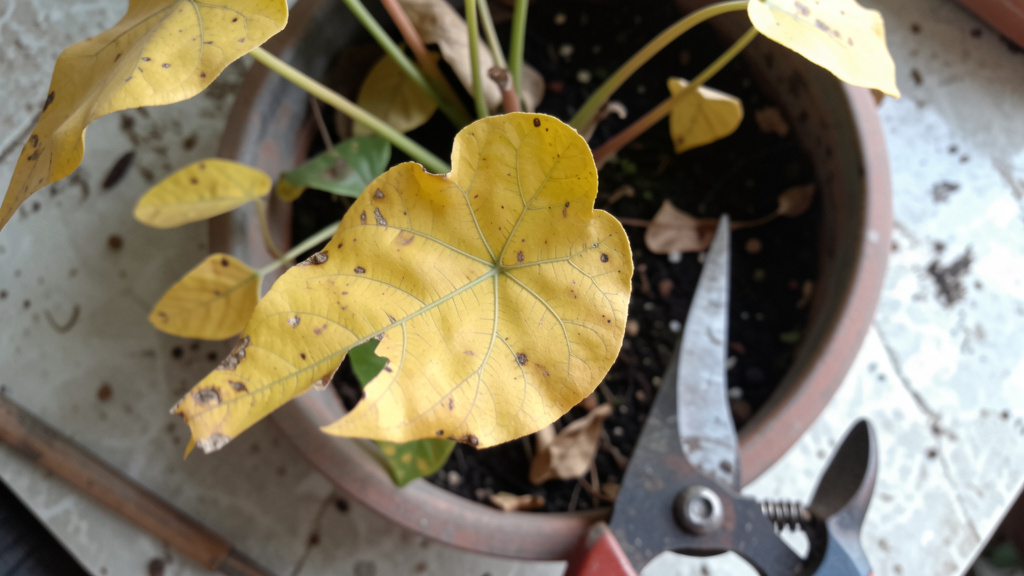
Stop guessing and start understanding. This comprehensive visual guide helps you match your plant’s symptoms to likely causes and practical, adaptable steps—grounded in established horticultural principles and responsive care.
That unsettling moment when you notice your once-vibrant Monstera developing pale leaves. The quiet concern as brown edges appear on your Calathea. You adjust watering. You shift its spot. You offer gentle encouragement. Yet uncertainty lingers. You are not failing as a plant caregiver—you are navigating a complex language of subtle signals. Plants communicate through visible changes shaped by biology, environment, and history. This guide supports you in moving from reactive concern to thoughtful observation. We’ll explore common visual cues, consider their potential origins (including hidden factors), and offer clear, adaptable pathways forward. No generic platitudes. No trial-and-error stress. Just compassionate, concept-focused guidance to nurture your plants and deepen your confidence—season after season.
Introduction: Learning the Language of Leaves
Indoor plants do not change appearance out of randomness or displeasure. Every shift in color, texture, or form reflects a physiological response to conditions. A curled leaf may conserve moisture. Yellowing on older foliage often signals natural nutrient redistribution. Brown tips frequently indicate environmental friction. Recognizing this communication transforms care from guesswork into partnership. This resource draws upon widely shared diagnostic approaches used across botanical institutions, extension services, and experienced plant communities. We focus not only on visible changes but on the interconnected systems influencing plant vitality. Common patterns suggest that most indoor plant concerns relate to fluctuations in hydration, light exposure, humidity levels, soil conditions, or biological interactions. Understanding these connections builds lasting skill. This journey isn’t about perfection—it’s about attentive observation. Your path toward confident, responsive plant care begins with a single thoughtful look.
The 5-Step Observation Framework: Cultivating Clarity Before Action
Before focusing on a single leaf, pause. Rushing to intervene (“It needs water!”) can unintentionally compound stress. This structured yet flexible approach encourages thorough assessment. Follow these steps sequentially—each builds understanding for the next.
Step 1: The Environmental Context Scan (5 Minutes)
Step back. Observe the plant’s full setting before handling it.
– Light Conditions: Note window direction (north, south, east, west), distance from glass (in feet or meters), and any barriers (curtains, furniture). Consider seasonal shifts: a bright summer window may become dim in winter. If using a light meter app, treat readings as approximate guides: very low light (<100 lux), low light (100–300 lux), medium light (300–1,000 lux), bright indirect light (1,000–3,000+ lux). Important note: “Bright indirect” means a sunlit room where direct beams do not touch leaves. South-facing windows in summer can deliver intense light that may stress shade-adapted species.
– Watering History: When was it last watered? How was water applied? Did excess drain freely? Assess moisture at root depth using a finger, wooden chopstick (insert 2–3 inches; dry = clean removal, moist = soil adheres, wet = muddy residue), or moisture meter if available.
– Microclimate Factors: Is the plant near heating/cooling vents, drafty doors, radiators, or humidifiers? Note recent changes: repainting, furniture rearrangement, seasonal transitions, or new household routines. Humidity levels often drop significantly in heated or air-conditioned spaces during colder months.
A Foundational Insight: Plants respond to their immediate physical surroundings. A location that seems ideal may create subtle stressors based on airflow, temperature shifts, or light quality.
Step 2: Systematic Symptom Documentation (7 Minutes)
Examine gently and thoroughly—top to bottom, front to back. A magnifying glass aids in spotting fine details.
– New Growth: Compare color, size, and shape to mature leaves. Are emerging leaves unfolding smoothly?
– Mature Leaves: Inspect upper and lower surfaces. Note patterns of discoloration (uniform? between veins? at margins?), texture (crisp? soft?), or irregularities.
– Stems & Petioles: Check for color shifts, soft spots, unusual markings, or flexibility.
– Soil Surface: Look for mold, tiny insects, white residue (mineral deposits), or soil pulling away from pot edges.
– Root Zone (if accessible): Gently ease the plant from its pot. Healthy roots typically appear firm and white/tan. Signs of concern may include dark, soft roots or a sour odor. Rootbound plants show dense circling roots.
Helpful Practice: Photograph each angle. Symptoms evolve; visual records support accurate tracking over time.
Step 3: Pattern Recognition Over Isolated Clues
Single symptoms rarely tell the full story. Clusters provide meaningful context:
– Yellowing leaves with persistently damp soil and musty odor often indicate root stress from excess moisture.
– Brown, crispy tips with soil shrinking from pot edges and low ambient humidity suggest moisture inconsistency or dry air.
– Drooping with dry soil typically signals thirst. Drooping with soggy soil may reflect root impairment affecting uptake.
– Sticky residue with dark sooty film and small bumps points to sap-feeding insects.
Step 4: Prioritizing Concerns Thoughtfully
Address issues in this general sequence:
1. Active biological concerns (rapidly spreading pests, visible mold)
2. Critical moisture imbalances (completely desiccated rootball or waterlogged soil)
3. Acute environmental shifts (direct sun exposure on shade-loving plants, sudden temperature drops)
4. Ongoing environmental adjustments (gradual humidity improvement, light optimization)
Step 5: Gentle Intervention and Patient Observation
Apply one supportive change at a time. Allow 3–7 days (or longer for slow-growing species) before introducing another adjustment. Focus observation on new growth—existing damage often remains visible while the plant recovers. Keep simple notes: date, action taken, observed changes. Healing follows botanical rhythms, not human urgency. Trust the process.
This framework cultivates calm clarity. Now, let’s explore specific symptoms with nuance and care.
Symptom Guide: Contextual Clues and Adaptable Pathways
Yellowing Leaves: Interpreting the Most Common Signal
Yellowing invites immediate action—but context determines the right response. The pattern and accompanying conditions hold meaning.
Pattern A: Widespread Yellowing Across Multiple Leaves
Common Consideration: Moisture imbalance affecting roots.
Why it may occur: Soil remaining saturated limits oxygen availability to roots, potentially impairing function. The plant may shed leaves to conserve resources.
Supportive Checks:
– Does the pot feel heavy days after watering?
– Is soil cool and damp 2 inches deep?
– Is there a sour odor near the soil?
– Upon gentle inspection, are roots dark and soft?
Adaptable Steps:
– Pause watering. Place in bright, indirect light (avoid direct sun). Elevate pot slightly for airflow.
– If root concerns are evident:
1. Rinse roots gently under lukewarm water.
2. Using sterilized tools, trim away affected root sections.
3. Dip remaining roots in a mild hydrogen peroxide solution (1 part 3% peroxide to 3 parts water) for a few minutes.
4. Repot into fresh, well-aerated mix in a clean pot of similar size.
5. Water lightly. Wait 7–10 days before next watering.
Prevention Insight: Practice the “soak-and-dry” approach: water thoroughly until drainage appears, then wait until the appropriate soil depth dries before rewatering. Pots with drainage holes support healthier root environments.
Note: Adding gravel beneath soil does not improve drainage and may trap moisture. Soil structure—not pot layers—governs water movement.
Pattern B: Yellowing Limited to Older, Lower Leaves
Common Consideration: Natural leaf turnover or gradual nutrient shift.
Why it may occur: Plants often redirect nutrients from aging leaves to support new growth. This is typical when only 1–2 oldest leaves yellow slowly over weeks. Accelerated change may relate to nutrient availability.
Supportive Checks:
– Are new leaves vibrant and developing normally?
– Has the plant remained in the same soil for over a year without supplemental feeding?
– Is yellowing gradual, not sudden?
Adaptable Steps:
– If natural turnover: Gently remove the yellowed leaf at its base. No further action needed.
– If nutrient support seems helpful: During active growing seasons (spring/summer), apply a balanced liquid fertilizer at half the recommended strength. Never apply to dry soil or a visibly stressed plant.
Important Distinction: If yellowing lower leaves coincide with damp soil, revisit Pattern A considerations—root-related issues can mimic natural aging.
Pattern C: Yellowing Between Leaf Veins (Interveinal Chlorosis)
Common Consideration: Nutrient availability influenced by soil pH or water quality.
Why it may occur: In alkaline conditions, certain nutrients like iron become less accessible to roots—even if present. This is frequently observed with plants sensitive to mineral-rich tap water.
Supportive Checks:
– Do leaf veins remain distinctly green while tissue between them pales?
– Is the plant species known to prefer slightly acidic conditions (e.g., Calathea, Gardenia)?
– Is tap water consistently used without filtration?
Adaptable Steps:
1. If accessible, test soil pH. Most houseplants thrive near neutral to slightly acidic (pH 6.0–6.8).
2. For sensitive plants: Use rainwater, distilled water, or tap water left uncovered for 24 hours.
3. For immediate support: Apply a chelated iron foliar spray per product instructions.
4. For magnesium support: Dissolve 1 tablespoon of Epsom salt in 1 gallon of lukewarm water; apply sparingly to soil.
Prevention Insight: Choose potting mixes formulated for tropical plants. For water-sensitive species, incorporate extra perlite (1 part perlite to 2 parts mix) to enhance aeration and stability.
Contextual Note: Plants in regions with hard water may show these symptoms more readily. Adjusting water source often yields gradual improvement over several weeks.
Pattern D: Pale or Yellow-Tinged New Growth
Common Consideration: Light levels insufficient for chlorophyll development or nutrient availability.
Why it may occur: Emerging leaves require adequate light to develop full color. Sulfur deficiency (less common) can also affect new growth.
Supportive Checks:
– Is new growth noticeably smaller and lighter than mature leaves?
– Is the plant positioned more than 5–6 feet from the nearest window?
– Are stems elongating noticeably between leaves (etiolation)?
Adaptable Steps:
– Relocate to a brighter location (east or west window often ideal). Rotate the pot weekly for even exposure.
– If natural light is limited: Supplement with a full-spectrum LED grow light (12–14 hours daily).
– For suspected nutrient support: Use a balanced fertilizer containing micronutrients during growth periods.
Prevention Insight: Research light needs before acquiring a plant. Low-light tolerant species (Snake Plant, ZZ Plant) thrive where high-light plants (Croton, Citrus) struggle.
Clarifying Example: Pale new growth on a Peace Lily near a north window typically reflects light limitation—not deficiency. Gentle relocation often resolves it more effectively than feeding.
Brown Leaf Tips and Edges: Beyond Simple Thirst
Crispy brown margins often signal environmental friction rather than a single cause. Texture and context matter.
Primary Consideration: Moisture Inconsistency or Low Humidity
Why it may occur: Leaf edges, farthest from vascular pathways, are vulnerable when roots cannot consistently supply moisture. Dry indoor air (common in winter) accelerates moisture loss.
Supportive Checks:
– Is soil dry throughout the pot?
– Does soil pull away from container edges?
– Is the plant near heating vents, AC units, or frequently opened doors?
– Humidity levels consistently below 40%?
Adaptable Steps:
– Hydration Support: Submerge the pot in room-temperature water for 15–20 minutes until bubbling slows. Drain thoroughly.
– Humidity Enhancement: Place pot on a pebble tray with water (pot rests above water line). Group plants together. Use a humidifier nearby if possible.
– Grooming: Trim brown tips with clean scissors at a slight angle following the leaf’s natural shape. Avoid removing entire leaves unless over half is damaged—remaining green tissue still contributes energy.
Prevention Insight: Establish a consistent moisture-check routine. For humidity-loving plants (Calathea, Ferns, Prayer Plants), prioritize sustained humidity methods over occasional misting.
Important Nuance: Brown tips from dryness feel uniformly crisp. Tips affected by water chemistry (common in Spider Plants, Dracaenas) may appear similar despite consistent care. Solution: Use distilled, rainwater, or filtered water. Let tap water sit uncovered 24 hours before use.
Secondary Consideration: Mineral Buildup or Fertilizer Residue
Why it may occur: Dissolved salts from water or fertilizer can accumulate, drawing moisture away from roots.
Supportive Checks:
– White crust visible on soil surface or pot rim?
– Recent fertilizer application?
– Browning appeared shortly after feeding?
Adaptable Steps:
1. Flush soil: Slowly pour room-temperature water through the soil until several times the pot volume drains out. Repeat after 30 minutes if buildup is significant.
2. Flush monthly if using tap water regularly or fertilizing.
3. Repot if residue is heavy or plant shows no improvement.
Prevention Insight: Fertilize at reduced strength. Always water soil before applying fertilizer. Refresh the top inch of soil seasonally.
Tertiary Consideration: Physical Contact or Temperature Shifts
Why it may occur: Leaves brushing walls, furniture, or cold windowpanes can develop localized damage. Sudden temperature changes may also cause cellular stress.
Supportive Checks:
– Is browning confined to leaves touching surfaces?
– Did changes occur after relocation near drafts, heaters, or cold glass?
– Is discoloration one-sided?
Adaptable Steps: Relocate plant to provide clearance (6+ inches) from obstacles, vents, or windowsills. Maintain stable temperatures (65–80°F / 18–27°C is suitable for most common houseplants).
Prevention Insight: Use thermal curtains on cold windows in winter. Monitor ambient conditions with a simple thermometer/hygrometer.
Drooping or Wilting Leaves: Decoding the Signal
Drooping triggers urgency—but soil moisture is the essential clue.
Scenario 1: Drooping + Dry Soil = Hydration Needed
Why it may occur: Roots lack available moisture, reducing turgor pressure in stems.
Adaptable Step: Water thoroughly until drainage appears. Many plants (Pothos, Philodendron, Peace Lily) show visible recovery within an hour. Peace Lilies often droop noticeably as an early thirst signal—a useful natural indicator.
Prevention Insight: Learn your plant’s unique cues. Some species (ZZ Plant) show minimal drooping until severely dry; others signal early. Regular soil checks build familiarity.
Scenario 2: Drooping + Moist/Soggy Soil = Root Function Concern
Why it may occur: Compromised roots cannot absorb water effectively, mimicking thirst. Additional watering worsens stress.
Adaptable Steps:
– Pause watering. Move to bright, indirect light.
– Increase gentle airflow (e.g., nearby fan on low setting, not blowing directly).
– If persistent: Follow root assessment steps in Pattern A above.
Critical Reminder: This scenario commonly explains “I watered it and it declined faster.” When uncertain, wait 24 hours and recheck moisture deeper in the soil before watering.
Scenario 3: Drooping After Repotting or Relocation = Adjustment Period
Why it may occur: Root disturbance or environmental change creates temporary stress.
Adaptable Steps:
– Place in a slightly shadier spot for 7–10 days.
– Lightly mist foliage if the species appreciates humidity.
– Avoid fertilizing. Water only if soil is dry.
– Allow time: Most plants stabilize within two weeks as roots re-establish.
Prevention Insight: Repot during active growth periods (spring). Minimize root handling. Introduce light changes gradually over several days.
Sudden Leaf Drop: Responding to Acute Change
Rapid loss of multiple leaves signals significant environmental shift. Stay calm—identify the trigger.
Common Trigger: Environmental Shift
Examples:
– Temperature fluctuation (drafts, proximity to heaters/AC)
– Light reduction (moving from bright greenhouse to dim interior)
– Water inconsistency (very cold water, irregular schedule)
Supportive Check: Did leaf drop occur within 1–3 days of a change? Are fallen leaves primarily green?
Adaptable Steps:
– Stabilize the immediate environment.
– Avoid additional changes (no repotting, feeding).
– Maintain consistent, appropriate watering.
– Most plants recover once the stressor is addressed; new growth typically resumes within weeks.
Contextual Note: Seasonal transitions (e.g., bringing plants indoors in autumn) commonly trigger temporary leaf drop. Patience and stability support adaptation.
Other Considerations:
– Moisture Imbalance: If soil remains wet and leaves show yellowing or spots, assess root health.
– Biological Factors: Inspect remaining leaves for webbing, residue, or tiny insects. Isolate and address if found.
Prevention Insight: Quarantine new plants for 3–4 weeks. Perform weekly visual checks on all plants.
Curling or Cupping Leaves: Moisture and Environmental Cues
Leaves may curl upward (“cupping”) or downward to reduce surface exposure—a response to stress.
Upward Curling/Cupping
Common Considerations:
– Moisture stress or low humidity (especially in Calatheas, Prayer Plants)
– Pest presence (aphids, thrips on undersides or new growth)
Adaptable Steps:
– For moisture/humidity: Water if soil is dry. Increase ambient humidity.
– For pests: Inspect closely with magnification. Spray undersides with insecticidal soap if insects are present. Repeat as needed per product guidance.
Downward Curling
Common Considerations:
– Excess soil moisture or cool temperatures
– Chemical exposure (recent use of leaf shine, pesticides, or nearby aerosols)
Adaptable Steps:
– If soil is wet: Pause watering, improve airflow.
– If cool: Relocate to a warmer, draft-free area.
– If chemical exposure suspected: Rinse leaves gently with lukewarm water. Flush soil. Discontinue use of questionable products.
Prevention Insight: Maintain consistent temperatures. Avoid chemical sprays near plants. Water with room-temperature water.
Leggy Growth and Sparse Foliage: Light and Growth Patterns
Elongated stems with wide gaps between small leaves often indicate insufficient light for the plant’s needs.
Why it may occur: In lower light, plants prioritize stem elongation over leaf development—a survival adaptation called etiolation.
Supportive Checks:
– Are stem segments between leaves (internodes) noticeably longer than on healthy examples?
– Is new growth smaller and lighter in color?
– Does the plant lean strongly toward the light source?
Adaptable Steps:
1. Relocate: Move to the brightest suitable spot available (east/west window ideal for many). Rotate weekly.
2. Prune for Form: Cut stems just above a leaf node to encourage branching. Use healthy cuttings for propagation if desired.
3. Supplement Light: Add a full-spectrum LED grow light (12–14 hours daily), positioned 6–12 inches above foliage.
4. Patience: Existing elongated growth won’t revert. Focus on supporting denser new growth from pruned areas.
Prevention Insight: Match plants to your home’s light reality. Place high-light needs (Croton, Citrus) in south windows (with acclimation); medium-light plants (Pothos, Philodendron) in east/west; low-light tolerant species (Snake Plant, ZZ) in north-facing or interior spaces.
Species Awareness: Some plants naturally exhibit longer internodes (e.g., String of Hearts). Research typical growth habits to distinguish normal form from stress response.
Brown Spots or Patches: Pattern-Based Interpretation
Location, texture, and progression guide understanding.
Small, Dry, Crisp Spots
Common Consideration: Sun exposure intensity.
Why: Direct sun through glass can concentrate heat, scorching leaf tissue—especially after sudden relocation to brighter light.
Adaptable Steps: Move away from direct sunbeams. Use sheer curtains to diffuse light. Trim severely damaged leaves.
Prevention Insight: Acclimate plants gradually to brighter conditions over 7–10 days.
Large, Irregular, Soft or Water-Soaked Spots
Common Consideration: Bacterial or fungal activity.
Why: Moisture lingering on leaves in warm, still air creates favorable conditions. Entry points may include wounds or water droplets.
Adaptable Steps:
– Isolate the plant.
– Remove affected leaves with sterilized tools.
– Improve airflow around the plant.
– Avoid wetting foliage when watering; direct water to soil.
– If persistent, consider a copper-based fungicide or neem oil solution labeled for foliar use (test on a small area first).
Prevention Insight: Water early in the day so leaves dry quickly. Space plants for air circulation. Sterilize tools between uses.
Concentric Ring Patterns
Common Consideration: Fungal leaf spot.
Adaptable Steps: Same as above, with emphasis on removing fallen debris from soil surface.
Prevention Insight: Avoid overhead watering. Quarantine new plants initially.
Tiny Dots with Fine Webbing Underside
Common Consideration: Spider mite activity (addressed in pest section below).
Pale or Washed-Out Foliage: Light and Nutrient Context
Loss of vibrancy often relates to reduced chlorophyll production.
Primary Consideration: Light levels below optimal range.
Why: Chlorophyll synthesis requires sufficient light photons.
Supportive Check: Is the plant distant from windows? Is new growth noticeably lighter?
Adaptable Step: Relocate to brighter indirect light. Consider supplemental lighting.
Secondary Consideration: Nutrient availability.
Why: Nitrogen supports green pigment. Deficiency often appears first on older leaves.
Supportive Check: Are older leaves uniformly paler while new growth is smaller?
Adaptable Step: During active growth seasons, apply balanced liquid fertilizer at half strength.
Tertiary Consideration: Natural variegation shift.
Supportive Check: Are solid green shoots emerging on a normally variegated plant (e.g., Marble Queen Pothos)?
Adaptable Step: Prune reverted stems promptly—they can dominate growth.
Insight: Some species (e.g., certain Coleus) develop richer color in brighter light. Pale appearance may simply indicate light is below the threshold for optimal pigment expression.
Visible Pests: Identification and Gentle Management
Early detection supports effective, minimal-intervention care. Inspect new growth and leaf undersides weekly.
Scale Insects
Identification: Small, tan/brown bumps (1–5mm) on stems or leaf undersides. Sticky residue (honeydew) may be present below; black sooty mold can develop on residue.
Why they appear: Thrive in stable, dry conditions; protected by waxy covering.
Adaptable Protocol:
1. Isolate the plant.
2. Gently remove visible scales with a soft toothbrush dipped in diluted isopropyl alcohol (1:1 with water).
3. Spray thoroughly (stems, joints, undersides) with insecticidal soap or neem oil solution.
4. Repeat every 5–7 days for 3–4 weeks to address hatching cycles.
5. For persistent cases, consult local nursery staff about targeted options.
Prevention Insight: Quarantine new plants. Wipe leaves periodically with a damp cloth. Maintain moderate humidity.
Spider Mites
Identification: Tiny moving dots (red, brown, translucent) on undersides; fine webbing between leaves/stems; stippled (speckled) appearance on upper surfaces.
Why they appear: Prefer warm, dry air (<40% humidity). Reproduce rapidly.
Adaptable Protocol:
1. Isolate immediately.
2. Rinse undersides thoroughly with a gentle spray of water.
3. Apply insecticidal soap or neem oil every 3–4 days for 2 weeks. Rotate products if needed.
4. Increase humidity significantly: group plants, use pebble trays, or run a humidifier nearby.
Prevention Insight: Mist humidity-loving plants regularly. Avoid placing near heat sources. Grouping plants raises ambient humidity naturally.
Mealybugs
Identification: White, cottony clusters in leaf axils, stem joints, or soil surface. Sticky residue present.
Why they appear: Hide in crevices; protected by waxy coating.
Adaptable Protocol:
1. Dab visible insects directly with a cotton swab dipped in diluted isopropyl alcohol.
2. Spray entire plant (focusing on crevices) with insecticidal soap or neem solution.
3. Water soil lightly with diluted neem solution to address potential root dwellers.
4. Repeat weekly for 3–4 weeks.
Critical Step: Check nearby plants—they spread easily through contact or air currents.
Fungus Gnats
Identification: Small black flies hovering near soil; translucent larvae (with dark heads) in moist soil.
Why they appear: Thrive in consistently damp soil with organic debris.
Adaptable Protocol:
1. Allow top layer of soil to dry thoroughly between waterings.
2. Apply Bacillus thuringiensis israelensis (BTI) products (e.g., Mosquito Bits) to soil per label instructions.
3. Cover soil surface with a thin layer of sand or fine gravel to deter egg-laying.
4. Place yellow sticky traps near the soil to monitor adults.
Prevention Insight: Avoid overwatering. Remove dead leaves from soil surface. Use well-draining soil mixes.
Aphids
Identification: Small soft-bodied insects (green, black, white) clustered on tender new growth. Sticky honeydew present.
Adaptable Steps: Spray with strong water stream. Apply insecticidal soap or neem oil. For outdoor-safe settings, beneficial insects like ladybugs may help.
Absent or Slowed New Growth: Seasonal and Systemic Factors
Periods of minimal growth are normal for many plants. Investigate thoughtfully.
Step 1: Consider Seasonality
– Is it late fall or winter? Many plants naturally slow growth during cooler, darker months. Adaptable Step: Reduce watering frequency; pause fertilizing; wait for spring.
Step 2: Assess Root Conditions
– Gently check for dense circling roots (rootbound) or signs of decay. Adaptable Step: Repot into a slightly larger container with fresh mix if rootbound. Address root health concerns if present.
Step 3: Evaluate Light Exposure
– Has light availability decreased seasonally? Adaptable Step: Relocate to a brighter spot or add supplemental light.
Step 4: Review Nutrient Support
– Has the plant remained in the same soil for over a year? Adaptable Step: During active growth periods, apply half-strength balanced fertilizer.
Step 5: Rule Out Hidden Stressors
– Inspect roots for pests or damage. Adaptable Step: Treat per relevant protocols.
Important Perspective: Some species (Snake Plant, ZZ Plant) are naturally slow growers. Research expected growth patterns. True concern arises when growth deviates significantly from the plant’s established rhythm.
White, Powdery Residue on Leaves: Fungal Consideration
Identification: White or gray powdery coating on leaf surfaces, sometimes causing curling.
Common Consideration: Powdery mildew—a fungal issue favored by warm days, cooler nights, and still air (common in seasonal transitions).
Why it occurs: Spores land on leaves; moisture on the leaf surface (not necessarily high air humidity) encourages growth. Overcrowded plants are more vulnerable.
Adaptable Protocol:
1. Remove severely affected leaves.
2. Spray with:
– Homemade option: 1 tablespoon baking soda + ½ teaspoon mild liquid soap + 1 gallon water (test on small area first).
– Neem oil solution (follow product dilution guidelines).
– Commercial fungicide labeled for powdery mildew.
3. Improve airflow: space plants apart; add gentle air movement nearby.
4. Water soil directly in the morning to allow quick drying.
Prevention Insight: Avoid overcrowding. Thin dense foliage slightly for better circulation. Choose resistant varieties when available.
Sticky Residue on Leaves or Surfaces: Following the Clue
A shiny film on leaves, pots, or nearby surfaces is honeydew—excrement from sap-feeding insects.
Immediate Steps:
1. Gently wipe leaves with a soft, damp cloth to remove residue (helps prevent sooty mold).
2. Inspect meticulously for scale, mealybugs, aphids, or whiteflies (undersides, stems, joints).
3. Address any pests found using relevant protocols above.
Why it matters: Honeydew attracts ants and can foster black sooty mold—a surface fungus that blocks light but doesn’t invade plant tissue. Mold typically cleans off easily once pests are managed.
Supportive Step: Clean surfaces below the plant with mild soapy water.
Environmental Foundations: Nurturing the Four Key Conditions
Symptoms often reflect imbalances in these interconnected areas. Attending to them proactively supports resilience.
Water Wisdom: Context-Aware Hydration
Watering is deeply personal to each plant, pot, soil, season, and home.
The Soak-and-Dry Approach (Suitable for Many Tropicals):
1. Water slowly until it flows freely from drainage holes.
2. Discard excess water in saucers after 15 minutes.
3. Wait until an appropriate soil depth dries before rewatering:
– Succulents/Cacti: Wait until soil is dry 2–3 inches deep.
– Most Tropicals (Pothos, Philodendron): Wait until top 1–2 inches feel dry.
– Moisture-Lovers (Calathea, Ferns): Wait until top ½ inch feels slightly dry; avoid complete dryness.
Tool Options:
– Moisture meter: Insert to root depth. Use readings as one data point alongside touch.
– Chopstick test: Insert wooden stick 2 inches deep. Dry = clean removal; moist = soil sticks; wet = muddy residue.
Seasonal Awareness:
– Spring/Summer: Growth increases; watering frequency typically rises.
– Fall/Winter: Growth slows; reduce watering significantly. Shorter days and indoor heating alter evaporation rates.
Pot Material Influence:
– Terracotta: Porous; dries faster. Helpful for plants prone to moisture stress.
– Plastic/Ceramic: Retains moisture longer. Beneficial for humidity-loving plants or inconsistent waterers.
Water Quality Considerations:
– Chlorine: Let tap water sit uncovered for 24 hours before use.
– Fluoride Sensitivity: Use distilled, rainwater, or filtered water for Spider Plants, Dracaenas, Peace Lilies.
– Hard Water: White crust on soil? Flush soil thoroughly monthly. Use alternative water sources for sensitive species.
Light Literacy: Aligning Plants with Your Space
Light fuels life. Mismatches create chronic stress.
Window Guidance (Northern Hemisphere Context):
– South: Strongest light; direct sun most of the day. Suitable for: Cacti, Succulents, Citrus, Fiddle Leaf Fig (with gradual acclimation). Caution: Can scorch shade-loving plants.
– East: Gentle morning sun (2–4 hours), bright indirect light afterward. Suitable for: Most common tropicals (Monstera, Philodendron, Pothos), African Violets. Often a versatile choice.
– West: Intense afternoon sun (can be hotter than south). Suitable for: Sun-tolerant species. Caution: Use sheer curtains to soften intensity.
– North: No direct sun; consistent low light. Suitable for: Snake Plant, ZZ Plant, Pothos (growth may slow), Cast Iron Plant. Caution: May cause legginess in medium/high-light plants.
Assessing Light:
– Shadow test: Hold hand between plant and window. Sharp shadow = bright light; soft shadow = medium; faint/no shadow = low light.
– Seasonal note: Deciduous trees outside windows alter light seasonally. Winter sun angles differ from summer.
Artificial Light Support:
– Full-spectrum LED grow lights: Energy-efficient. Position 6–12 inches above plants.
– Duration: 12–14 hours daily for foliage plants; use a timer for consistency.
– Signs of insufficient light: Leggy growth, small new leaves, loss of variegation, stalled growth.
– Signs of excessive light: Brown crispy patches, bleached appearance, leaves curling away from window.
Humidity Harmony: Creating Supportive Microclimates
Many houseplants originate from humid habitats (60–80% humidity). Indoor air, especially in winter, often falls below 30%.
Plants Often Needing Higher Humidity: Calathea, Maranta, Ferns, Prayer Plants, Orchids, Anthuriums.
Signs of Dry Air: Brown leaf tips, crispy edges, curling leaves, bud drop, increased vulnerability to spider mites.
Effective Humidity Strategies (Ranked by Impact):
1. Humidifier: Most reliable method. Place near plants (not blowing directly on them). Target 40–60% for most homes; 50–70% for humidity-loving species.
2. Pebble Tray: Fill tray with pebbles and water (water level below pebble tops). Place pot on pebbles. Evaporation raises local humidity. Refresh water weekly.
3. Grouping Plants: Cluster 3+ plants together; collective transpiration creates a shared microclimate.
4. Enclosed Spaces (with caution): Small terrariums or cloches for very sensitive tiny plants. Ensure some airflow to prevent fungal issues.
Methods with Limited Impact:
– Misting alone: Briefly raises humidity; may promote leaf spot issues if water sits. Best combined with other methods.
– Bathroom placement: Only beneficial if the bathroom has adequate light and consistent steam (e.g., daily hot showers). Many bathrooms are too dark.
Seasonal Note: Humidity drops significantly in heated homes during cold months. Proactive support is especially valuable then.
Monitoring: An affordable hygrometer provides helpful context.
Soil Science: Supporting Root Health
Potting mix is a living medium—not garden soil.
Why Garden Soil Isn’t Suitable Indoors: Compacts easily, drains poorly, may harbor pests or pathogens.
Components of a Healthy Mix:
– Moisture Retention (≈60%): Coconut coir (sustainable) or peat moss.
– Aeration (≈30%): Perlite or pumice—critical for preventing compaction and supporting root oxygen exchange.
– Nutrient Support (≈10%): Compost or worm castings for gentle, sustained nourishment.
Specialized Mixes:
– Succulents/Cacti: Equal parts potting mix and perlite/pumice.
– Orchids: Chunky bark-based mix (soilless).
– African Violets: Light, peat-based mix with extra perlite.
Refreshing Soil:
– Annually for vigorous growers (Ferns, Figs).
– Every 2 years for slow growers (Snake Plant, ZZ).
– Immediately if soil is hard, smells sour, or water pools on the surface.
Repotting Considerations:
1. Choose a pot only 1–2 inches larger in diameter.
2. Water the plant lightly the day before repotting.
3. Gently loosen the rootball; trim any dead sections.
4. Position in fresh mix; water lightly.
5. Keep out of direct sun for about a week.
Drainage Note: Pots with drainage holes greatly support root health. If using a decorative cachepot without holes, keep the plant in its nursery pot, remove to water thoroughly, and drain completely before returning.
Repotting vs. Treatment: A Thoughtful Decision Path
Clarity here prevents unnecessary stress.
Is the plant showing urgent distress? (Rapid yellowing, severe wilting, active pests)
→ Yes: Address the immediate concern first. Repotting adds disturbance. Only repot as part of treating root rot or severe compaction.
→ No: Continue.
Are roots densely circling, emerging from drainage holes, or is the pot cracked?
→ Yes: Repotting is likely beneficial. Best performed in spring during active growth. Choose a pot modestly larger.
→ No: Continue.
Has the plant remained in the same soil for 12–24+ months with slowed growth?
→ Yes: Top-dress or repot. Gently replace the top 1–2 inches of soil with fresh mix. Full repot if rootbound.
→ No: No action needed. Frequent repotting can disrupt root systems.
Does soil remain wet longer than expected after watering?
→ Yes: Repot into a faster-draining mix (add extra perlite/pumice). First check for root health concerns.
→ No: Refine watering habits instead.
Species-Specific Considerations: Honoring Unique Needs
Some plants communicate needs more distinctly. Anticipating their preferences builds success.
Calatheas and Marantas (Prayer Plants)
Common Stress Signals: Brown tips, leaf curling, rapid yellowing.
Key Considerations:
– Humidity: Thrive with consistent humidity above 50%. A humidifier is often necessary in dry climates or seasons.
– Water: Prefer distilled, rainwater, or filtered water. Maintain evenly moist (not soggy) soil. Avoid complete dryness.
– Light: Bright, indirect light only. Direct sun causes scorch.
– Sensitivity: Leaves naturally fold at night. Minimize handling and environmental fluctuations.
Supportive Tip: After repotting, placing the plant on a pebble tray within a loosely tented clear plastic bag (vented for airflow) for a few days can support humidity during adjustment.
Fiddle Leaf Figs (Ficus lyrata)
Common Stress Signals: Brown spots, leaf drop, crispy edges.
Key Considerations:
– Stability: Avoid frequent relocation. Drafts or sudden changes often trigger leaf drop.
– Water: Use the soak-and-dry method. Water when the top 1–2 inches of soil feel dry.
– Light: Bright, indirect light (east or west window ideal). Rotate pot weekly for balanced growth.
– Foliage Care: Gently wipe leaves monthly with a damp cloth to support light absorption.
Insight: Brown spots with yellow halos may indicate moisture-related stress. Adjust watering and improve airflow. Crispy brown edges often relate to dryness or low humidity.
Orchids (Phalaenopsis)
Common Stress Signals: Wrinkled leaves, yellowing lower leaves, lack of rebloom.
Key Considerations:
– Medium: Requires airy, bark-based mix—not standard potting soil. Clear pots allow root monitoring.
– Watering: Soak medium thoroughly when roots appear silvery (dry), then allow to drain completely. Frequency varies with humidity and season.
– Light: Bright, indirect light (east window ideal). Dark green leaves may indicate insufficient light; reddish tones suggest too much.
– Encouraging Reblooms: After flowers fade, cut the spike above a healthy node. Providing slightly cooler nighttime temperatures (55–65°F / 13–18°C) for a few weeks may encourage a new spike.
Note: Room-temperature water is gentler on roots than ice cubes.
Succulents and Cacti
Common Stress Signals: Mushy stems (overwatering), shriveling (underwatering or root issues), stretching.
Key Considerations:
– Soil: Must be very gritty (50% perlite/pumice or more).
– Pot: Unglazed terracotta with drainage supports drying.
– Water: Soak thoroughly, then wait until soil is completely dry deep down before rewatering. In winter dormancy, water sparingly (every few weeks).
– Light: South window essential for most. Stretching indicates urgent need for brighter light.
Clarifying Distinction: Shriveling with dry soil suggests underwatering. Shriveling with damp soil suggests root impairment—pause watering and assess roots.
Navigating Persistent Challenges: A Compassionate Path Forward
Even experienced caregivers encounter puzzles. Proceed with patience.
- Revisit Fundamentals:
- Was soil moisture checked at root depth, not just the surface?
- Could window film, outdoor foliage, or seasonal light shifts alter perceived brightness?
-
Might water chemistry be a subtle factor? (Try distilled water consistently for 4–6 weeks.)
-
Document Observations:
-
Keep simple notes: date, symptom photos, care actions, environmental notes. Patterns often emerge over weeks.
-
Seek Targeted Support:
- Visit a locally owned nursery with horticulturally trained staff. Bring clear photos or the plant. Local expertise accounts for regional factors like water quality or common pests.
-
Share in plant-focused online communities with:
- Clear photos (whole plant, close-ups of symptoms, soil, pot)
- Your general location (for climate context)
- Care history (light, water routine, soil, recent changes)
- Steps already taken
-
Reflect on Compatibility:
-
Is the plant’s natural habitat fundamentally mismatched to your home environment? (e.g., A humidity-dependent Calathea in a dry, heated apartment with minimal light). Sometimes the most caring choice is finding a better-suited home for the plant.
-
Honor Natural Cycles:
- Some plants have limited indoor lifespans (e.g., certain flowering gift plants).
- Older plants may naturally decline. Focus energy on propagation to continue its legacy.
- Not every plant can be restored—and that is part of the learning journey. Apply insights gently to future care.
Perspective from Practice: Persistent issues sometimes involve regional nuances—like local water composition or prevalent pests—that digital resources cannot address. Local nursery professionals offer place-based knowledge cultivated through community-specific experience. Their guidance is a valuable resource for complex cases.
Your Questions, Answered
Q: Why are my plant’s leaves turning yellow after moving it?
A: This commonly reflects adjustment to a new light level or minor root disturbance. Moving to a dimmer spot reduces the plant’s capacity to support existing leaves; moving to brighter light requires acclimation. Ensure the new location aligns with the plant’s needs. Avoid further changes. Water only when soil indicates need. New growth typically adapts within a few weeks. If yellowing spreads rapidly or soil is soggy, assess for root-related concerns.
Q: Can a plant with significant root concerns recover?
A: Recovery is possible if healthy root tissue remains. Gently rinse roots, trim affected sections with sterilized tools, dip in mild hydrogen peroxide solution, and repot into fresh, well-draining mix in a clean pot of similar size. Water lightly. Place in bright, indirect light with good airflow. Avoid fertilizing. Patience is essential; new growth may take weeks to appear. Success depends on the extent of remaining healthy roots and consistent supportive care.
Q: How can I distinguish between underwatering and water chemistry causing brown tips?
A: Consider the pattern and care context. Underwatering typically causes widespread browning with dry soil and crispy texture across the leaf. Water chemistry sensitivity (common in Spider Plants, Dracaenas) often shows isolated tip browning despite consistent watering habits. Solution: Switch to distilled, rainwater, or filtered water. Trim brown tips. New growth should emerge without browning over time.
Q: Why does my Peace Lily droop dramatically even when soil feels slightly moist?
A: Peace Lilies are highly sensitive to moisture fluctuations at the root zone. What feels “slightly moist” to a finger may be approaching dryness for its roots. Dramatic drooping is often its natural early-warning signal—and it typically recovers quickly after watering. This behavior is usually normal. However, if drooping occurs with soggy soil, assess for root function concerns. For consistent care: Water when the plant begins to show slight droop, or use a moisture meter targeting the “moist” range.
Q: Is tap water unsuitable for all plants?
A: Sensitivity varies. Plants particularly sensitive to minerals/chlorine: Spider Plant, Dracaena, Peace Lily, Calathea, Prayer Plant. For these, use distilled, rainwater, or filtered water. Many common plants (Pothos, Philodendron, Snake Plant, ZZ) tolerate tap water well—letting it sit uncovered for 24 hours allows chlorine to dissipate. Hard water (leaving white crust) affects all plants over time; periodic soil flushing helps. When uncertain, research your specific plant’s preferences.
Q: What is a balanced fertilizing routine?
A: During active growth (spring/summer): Apply balanced liquid fertilizer every 4–6 weeks at half the recommended strength. During slower periods (fall/winter): Reduce or pause fertilizing. Essential practices: Always water soil before applying fertilizer. Never fertilize a stressed, dry, or recently repotted plant. Less is often more—signs of excess include brown leaf tips, white soil crust, or sudden leaf drop. Flush soil thoroughly with water if over-application is suspected.
Q: Why isn’t my plant growing despite appearing healthy?
A: First, confirm it’s not in a natural dormancy period (common in cooler, darker months). If during active season: Check if rootbound (gently inspect roots). Assess light—is it sufficient for growth (not just survival)? Consider soil age; nutrients deplete over time. Ensure consistent, appropriate watering. Remember that some species (ZZ, Snake Plant) are naturally slow growers. Research expected growth patterns. If all factors seem aligned, continued patience is often the right path—growth spurts frequently follow seasonal shifts.
Q: Are leaf shine products recommended?
A: Generally not advised. Commercial leaf shines can clog leaf pores (stomata), potentially hindering the plant’s natural functions. They may attract dust and cause long-term issues. Gentle alternatives: Wipe leaves with a soft, damp cloth or soft brush. For non-hairy leaves (e.g., Fiddle Leaf Fig), a barely damp cloth is sufficient. Healthy plants in appropriate light naturally develop vibrant foliage.
Q: How do I differentiate spider mites from dust on leaf undersides?
A: Magnification helps. Dust wipes away easily. Spider mites:
– Leave fine webbing (especially at leaf-stem junctions)
– Appear as tiny moving specks under magnification
– Cause visible stippling (tiny light dots) on upper leaf surfaces
– Rub test: Gently rub underside with a white paper towel; mites may leave faint smudges
When suspected, isolate the plant and treat preventatively with insecticidal soap.
Q: Why do new Monstera leaves lack splits or holes (fenestrations)?
A: Fenestrations typically develop as the plant matures and receives adequate light. Juvenile leaves are naturally solid. If a mature plant produces solid leaves:
1. Light may be insufficient. Move to a brighter spot (east/west window).
2. Support may be needed. Providing a moss pole or trellis encourages mature growth habits.
3. Nutrient support during growth seasons may help.
Patience is key—fenestrations appear on leaves produced after conditions improve.
Q: Is it normal for lower leaves to yellow and drop?
A: Yes, in moderation. Plants naturally shed oldest leaves (lowest on the stem) to redirect energy. This is typical if:
– Only 1–2 leaves yellow at a time
– Yellowing occurs gradually over weeks
– New growth remains healthy
– Soil moisture is appropriate
If yellowing is rapid, affects many leaves simultaneously, or involves new growth, investigate moisture, nutrients, or pests.
Q: How can I support humidity without a humidifier?
A: While humidifiers offer the most consistent results, these methods provide support:
– Pebble trays: Fill with pebbles and water (pot sits above water). Evaporation increases local humidity. Refresh water weekly.
– Group plants: Cluster 3+ plants together; their combined transpiration creates a microclimate.
– Strategic placement: Near (not in) kitchens or bathrooms with natural steam and adequate light.
– Misting with airflow: Light misting combined with gentle air movement disperses moisture more effectively.
Note: Misting alone has minimal impact on ambient humidity. These methods work best in contained areas.
Conclusion and Your Next Step
You now carry a framework for thoughtful plant care—not just for addressing current observations, but for building lasting understanding. Remember this core truth: Plants communicate honestly. Every change in leaf, stem, or soil offers insight. Your role is not to control, but to observe deeply and respond with informed compassion. Mastery grows through curiosity, not perfection. Each challenge met deepens your connection to the living world within your home.
Three Anchors to Carry Forward
1. Observe before acting: Use the 5-Step Framework. Soil moisture and environmental context are your most reliable guides.
2. Seek root causes: Symptoms are signals. Gentle investigation reveals the path forward.
3. Honor botanical time: Healing and growth unfold at nature’s pace. Trust the process with patience.
The 24-Hour Invitation
Within the next day, choose one plant in your space. Perform a quiet Environmental Scan and Symptom Inventory using the steps in this guide. Note your observations in a journal, phone note, or sketch. Take no action yet—simply witness. This practice of mindful attention strengthens the diagnostic intuition that transforms care from anxiety into quiet confidence.
A Broader Perspective
Your relationship with plants is a living dialogue—a continuous exchange of observation, response, and mutual growth. Each challenge navigated deepens your understanding. Each thriving leaf reflects attentive care. You are not merely sustaining plants; you are cultivating a sanctuary that breathes with you, teaches presence, and rewards gentle persistence. Carry this awareness lightly. Share insights kindly. And when uncertainty arises, return to the fundamentals: light, water, air, soil. The guidance is always there, written in green.
Explore Our Complete Plant Care System:
The Thoughtful Guide to Watering Indoor Plants | Light Mapping: A Practical Window-by-Window Placement Guide | Soil Foundations: Creating Custom Mixes for Every Plant Type | Gentle Pest Management: Non-Toxic Strategies for Houseplant Health | Seasonal Care Companion: Month-by-Month Indoor Plant Tasks | Propagation with Patience: Ethical Methods for Growing Your Collection | Choosing Plants for Your Space: A Compatibility-Focused Starter Guide