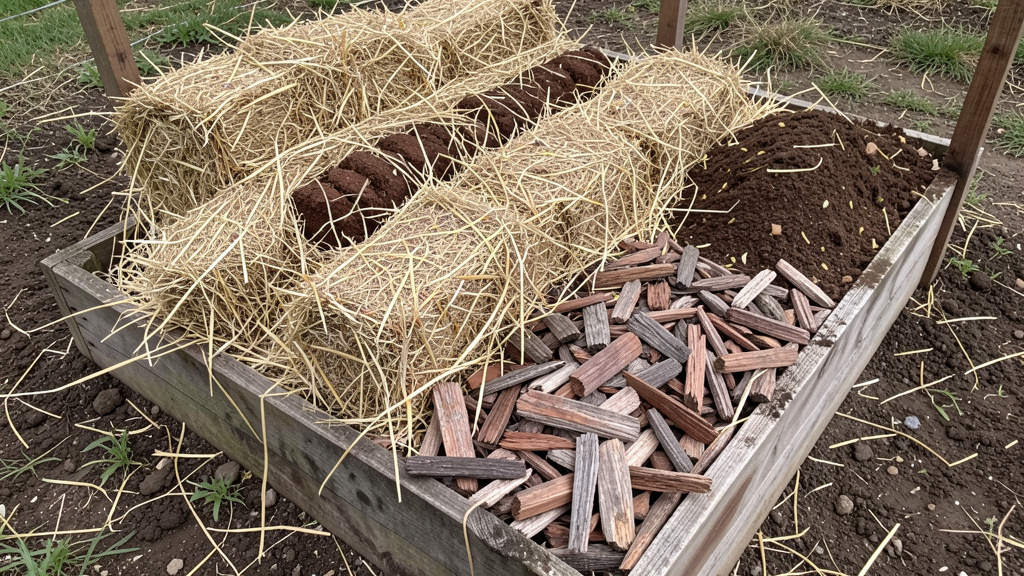
Unlock nature’s most elegant soil solution—transforming bare earth into a thriving, self-sustaining ecosystem beneath your plants’ roots
Mulching is far more than a cosmetic finish for garden beds or a seasonal chore to check off your list. When approached with intention and ecological awareness, mulch becomes a dynamic, living interface between your plants and the soil beneath—a strategic tool that conserves water, suppresses weeds, moderates temperature extremes, and, most profoundly, feeds the invisible universe of microbes, fungi, and invertebrates that form the foundation of garden health. This guide moves beyond generic “spread two inches” advice to deliver a nuanced, science-informed framework for selecting, timing, and applying mulch tailored precisely to your soil type, climate, plant community, and long-term garden vision. Whether you steward a compact urban raised bed, a sprawling perennial border, or a productive vegetable plot, you’ll discover how to harness mulch not as a blanket, but as a catalyst for resilience.
Introduction: Why Mulch Is the Silent Architect of Garden Vitality
Beneath the visible beauty of blooms and foliage lies the true engine of garden life: the soil. Healthy soil is not merely dirt—it is a complex, breathing ecosystem teeming with microorganisms, intricate fungal networks, earthworms, beetles, and countless other allies working in concert to cycle nutrients, structure soil particles, and support plant immunity. Yet this delicate system faces constant pressure: erosion from wind and rain, compaction from foot traffic, moisture loss under sun and wind, temperature swings that stress roots, and relentless competition from opportunistic weeds. Mulch, applied thoughtfully, addresses all these challenges simultaneously—not through force, but through emulation of nature’s own wisdom. In undisturbed forests, grasslands, and woodlands, the ground is never bare. Fallen leaves, spent stems, bark, and decomposing matter form a continuous protective layer that nourishes the soil food web season after season. Our gardens, as cultivated spaces, lack this natural replenishment cycle. Strategic mulching consciously restores it.
Soil science literature and observational studies across diverse biomes consistently associate intentional mulching practices with improved soil organic matter, enhanced water infiltration, greater microbial activity, and increased plant vigor compared to uncovered soils. This pattern is documented across agricultural extensions, ecological restoration projects, and community gardening initiatives. The transformation begins subtly—a slight darkening of the soil surface after rain, fewer weeds emerging near seedlings, moisture lingering deeper into dry spells—but accumulates into profound, lasting change. Over successive seasons of consistent practice, many gardeners observe soil that feels softer underfoot, drains without puddling, retains moisture without staying soggy, and supports plants with noticeably deeper root systems and greater resilience. This guide synthesizes these principles into an actionable, adaptable system. We’ll move beyond material lists to explore why certain mulches excel in specific contexts, how timing influences biological activity, and when to adjust your approach based on real-time feedback from your garden. This is mulching elevated from task to strategy—a partnership with the living earth beneath your hands.
The Soil-First Mulching Framework: Five Intentional Steps to Ecosystem Harmony
Forget the notion of mulch as a uniform carpet applied identically across every inch of your property. True mastery lies in viewing mulch as a targeted intervention designed to support specific soil and plant needs. The Soil-First Framework provides a repeatable decision-making process that replaces guesswork with clarity. By moving sequentially through assessment, selection, timing, application, and adaptation, you align your actions with ecological logic rather than convention. This method ensures every handful of mulch serves a defined purpose, maximizing benefit while minimizing waste, cost, and unintended consequences. Whether you’re preparing a new bed or refining an established garden, these five steps create a foundation for intelligent, responsive stewardship.
Step 1: Assess Your Soil and Garden Goals—The Diagnostic Foundation
Before selecting a single material, pause. Stand in your garden space. Observe. Ask targeted questions. This diagnostic phase prevents costly mismatches—like applying nitrogen-hungry wood chips to a nutrient-sensitive bed or using lightweight straw on a slope prone to washout. Assessment is not about perfection; it’s about gathering actionable intelligence.
Begin with Soil Texture and Structure:
Grab a handful of moist soil (not soggy, not bone-dry). Squeeze it gently. Does it form a tight, sticky ball that holds its shape stubbornly? You likely have clay-heavy soil—dense, slow-draining, prone to compaction when wet, and hard when dry. Clay benefits from coarse, chunky mulches (like arborist wood chips or shredded bark) that create air pockets, improve surface drainage, and encourage earthworm activity to gradually loosen structure over time. Avoid fine mulches like sawdust or compost alone on heavy clay; they can form an impenetrable crust when wet, worsening drainage.
Does the soil crumble immediately through your fingers, feeling gritty and refusing to hold shape? Sandy soil drains rapidly, struggles to retain moisture and nutrients, and heats/cools quickly. Here, finer, moisture-retentive mulches shine: well-rotted compost, leaf mold, or straw layered over compost. These materials act like a sponge, slowing evaporation and providing organic matter that sandy particles need to build cohesion.
Does the soil form a loose ball that breaks apart with a light tap? You have loam—the gardener’s ideal. Even loam benefits from mulch to maintain its quality. Focus shifts to supporting specific plant needs (e.g., acid-loving mulches for blueberries) or seasonal goals (summer cooling vs. winter insulation).
Evaluate Current Soil Health Indicators:
Look beyond texture. Are earthworms present after a rain? Their castings are nature’s perfect fertilizer. Few or no worms suggest compaction, low organic matter, or pH imbalance—mulch choices can help address this. Is the soil surface cracked or crusted? This signals erosion risk and poor structure; a protective mulch layer is urgent. Does water pool after rain or irrigation? Indicates poor infiltration; coarse mulches will help. Does the soil feel lifeless, dusty, or hydrophobic (water beads up and runs off)? This demands immediate attention with moisture-retentive, biologically active mulches like compost or leaf mold to rehydrate and reintroduce organic matter.
Clarify Your Primary Garden Objectives:
Be specific. Are you:
– Establishing a new perennial border? Prioritize weed suppression and long-term soil building. Coarse wood chips applied deeply create a stable environment for young roots while minimizing weed competition for multiple seasons.
– Growing heavy-feeding vegetables? Focus shifts to nutrient contribution and moisture consistency. A base layer of compost topped with straw or grass clippings delivers immediate fertility while conserving water during fruiting.
– Restoring a native plant meadow? Mimic local ecology. In prairie regions, a light layer of chopped native grass clippings or leaf litter supports seedling establishment without smothering delicate natives. Avoid wood chips, which can alter soil chemistry unfavorably for some natives.
– Managing slopes or erosion-prone areas? Stability is key. Heavier materials like shredded bark, wood chips, or even gravel (in non-planting zones) resist washout. Consider biodegradable erosion control mats pinned under mulch on severe slopes.
– Creating a low-maintenance pathway? Durability and weed suppression dominate. Gravel, crushed stone, or densely packed wood chips offer longevity with minimal replenishment.
Map Microclimates Within Your Space:
Sun exposure, wind patterns, and proximity to structures create distinct zones. A south-facing bed against a brick wall bakes in summer heat—prioritize cooling, moisture-retentive mulches like compost or straw. A north-facing, shaded bed stays cool and damp; avoid thick layers of moisture-holding mulch here to prevent fungal issues on plant crowns. Windy corners need heavier mulches (wood chips over straw) to prevent blowing away. Low spots that collect water require highly porous materials (coarse bark) to avoid creating a soggy trap. Sketch a simple map noting these variations. Your mulching strategy may differ within the same garden.
Why This Step Is Non-Negotiable: Skipping assessment leads to common mulching frustrations: applying the wrong material for the soil type (worsening drainage issues), ignoring plant needs (acidifying soil for lime-lovers), or misjudging site conditions (mulch washing away after first rain). This diagnostic phase takes minutes but prevents seasons of frustration. It transforms mulching from a generic task into a precise, purposeful act of garden care. Common mistakes include assuming all “organic mulch” is interchangeable or applying the same depth everywhere. Remember: a desert cactus garden and a moisture-loving hosta border demand fundamentally different approaches. Your observation is the compass.
Step 2: Match Mulch Type to Your Ecosystem—Beyond the Bagged Aisle
With your assessment complete, you’re equipped to select materials that align with your soil’s needs, plant preferences, climate realities, and ethical values. Mulches fall into two broad categories—organic (derived from once-living matter, decomposing over time to feed soil) and inorganic (mineral or synthetic, providing physical benefits without nutritional contribution). Within organics, further distinctions exist: bulky materials (wood chips, straw) excel at weed suppression and moisture retention but decompose slowly; fine materials (compost, leaf mold) integrate rapidly, feeding microbes directly but offering less physical barrier. The optimal choice often involves layering: a nutrient-rich base topped with a protective cover.
Organic Mulches: The Soil Builders
Arborist Wood Chips (The Gold Standard for Beds & Trees):
Often available from local tree services, these are a mix of shredded bark, wood, and leaves—nature’s balanced blend. Unlike uniform bagged bark nuggets, this diversity decomposes at varying rates, creating habitat complexity for soil life. Ideal for ornamental beds, around trees and shrubs, pathways. Apply 3–4 inches deep. Why it works: The chunky texture allows air and water penetration while blocking light to weed seeds. As fungi and bacteria break down lignin-rich wood, they release nutrients slowly. Earthworms thrive in the moist, protected environment. Critical nuance: Use only on established plantings (not direct seed beds). Keep several inches away from tree trunks and plant crowns to prevent moisture-related rot. Avoid chips from black walnut (juglone concerns) or visibly diseased trees. Budget tip: Partner with a neighborhood arborist; many deliver loads to avoid landfill fees. Emergency alternative: Shredded fall leaves offer similar benefits.
Shredded Leaves / Leaf Mold (The Gentle Nourisher):
Raked autumn leaves, shredded by running over them with a mower or using a leaf shredder, are a gardener’s treasure. Piled and moistened, they decompose into “leaf mold”—a crumbly, moisture-retentive humus revered by gardeners for generations. Apply shredded leaves 2–3 inches thick in vegetable beds, perennial borders, or under shrubs. Leaf mold can be used as a top-dressing or mixed lightly into soil. Why it works: Leaves are rich in carbon and trace minerals. Shredding accelerates decomposition and prevents matting. Leaf mold significantly enhances water retention, buffers soil pH, and encourages beneficial fungal networks crucial for perennial plants and trees. Critical nuance: Whole leaves (especially maple, oak) mat down when wet, blocking air/water—always shred. Avoid leaves from plants showing signs of disease. Oak leaves decompose slower but add valuable acidity for acid-loving plants. Budget tip: Collect neighborhood leaves in fall; many homeowners bag them for disposal. Emergency alternative: Finely shredded plain paper (non-glossy, black-and-white only) layered under straw provides similar carbon structure.
Straw (Not Hay!) (The Vegetable Garden Ally):
Straw—dried stalks of grain crops like wheat or oats—is valuable for vegetable gardens. Crucially, this is not hay, which contains seed heads that will sprout weeds relentlessly. Look for “weed-free straw” bales at farm stores. Apply 3–4 inches around tomatoes, squash, strawberries, potatoes. Why it works: Lightweight yet effective at blocking weeds, insulating soil, and keeping fruit clean (prevents soil splash on tomatoes/strawberries). Decomposes moderately fast, adding organic matter. Reflects sunlight, keeping soil cooler in peak summer. Critical nuance: Ensure it’s truly straw. Shake a handful—if seeds fall out, it’s hay; return it. Avoid straw treated with persistent herbicides (ask supplier; “certified weed-free” is safest). Can harbor rodents if piled against structures; keep away from house foundations. Budget tip: Split a bale with gardening neighbors. Emergency alternative: Pine needles work well for pathways between rows.
Compost (The Nutrient Catalyst):
Finished, screened compost is less a “mulch” and more a soil amendment applied as a top-dressing. Use ½ to 1 inch layer on vegetable beds before planting, or around hungry perennials/roses. Why it works: Teeming with microbes, nutrients in plant-available form, and humus. Provides immediate fertility boost while improving soil structure. Acts as a “microbial inoculant,” jumpstarting biological activity beneath other mulches. Critical nuance: Never use unfinished compost (still hot, recognizable scraps)—it can harm plants and temporarily tie up nitrogen. Screen compost to remove large chunks. Best used under a protective mulch layer (like straw) in vegetable gardens to prevent crusting and nutrient leaching. Budget tip: Make your own! A simple bin system turns kitchen scraps and yard waste into valuable amendment. Emergency alternative: Well-rotted manure (aged sufficiently) offers similar benefits but test pH first; some manures are alkaline.
Grass Clippings (The Quick-Release Booster):
Fresh clippings from untreated lawns are a valuable resource—but require careful handling. Apply thinly (¼ inch max) and only when dry, allowing each layer to settle before adding more. Never pile thickly; anaerobic decomposition creates foul-smelling slime and heat that damages plants. Ideal for between rows of corn, potatoes, or around established squash. Why it works: Rich in nitrogen, clippings decompose rapidly, feeding microbes and providing quick nutrients. Excellent moisture retention. Critical nuance: Only use clippings from lawns never treated with herbicides or pesticides. Even “organic” lawn treatments can harm garden plants. Avoid if lawn has gone to seed. Layer thinly over compost or soil; never use alone thickly. Budget tip: Free and abundant if you mow regularly. Emergency alternative: Alfalfa meal sprinkled lightly offers similar nitrogen boost without bulk.
Pine Needles / Strawberries (The Acidic Specialist):
Also called “pine straw,” these interlock to form a stable, attractive mat. Ideal for acid-loving plants: blueberries, azaleas, rhododendrons, camellias, strawberries. Apply 2–3 inches. Why it works: Slightly acidic as they decompose (though effect is mild and temporary), excellent for erosion control on slopes due to interlocking structure, allows good water penetration, deters some pests (slugs dislike crawling over them). Critical nuance: Does not drastically lower soil pH long-term; use primarily for plants that prefer acidic conditions, not to “fix” alkaline soil. Avoid in fire-prone areas (flammable when dry). Budget tip: Collect from pine trees on your property or local parks (if permitted). Emergency alternative: Oak leaf mulch offers similar mild acidity.
Inorganic Mulches: The Targeted Solution
Gravel, Crushed Stone, or River Rock (The Permanent Pathway):
Ideal for non-planting areas: pathways, around drought-tolerant rock garden plants (sedum, thyme), or as a decorative top-dressing in containers. Apply 2–3 inches over landscape fabric (use permeable, woven fabric, not plastic) for longevity. Why it works: Excellent drainage, zero decomposition (no replenishing needed), reflects heat (beneficial for heat-loving plants like lavender), suppresses weeds effectively. Critical nuance: Never use directly on soil in planting beds. It heats soil excessively in summer, prevents organic matter incorporation, and makes future planting/editing difficult. Can migrate into lawns. Choose local stone to reduce transport footprint. Budget tip: Buy in bulk from landscape suppliers; bagged is costly long-term. Emergency alternative: Recycled crushed concrete offers similar function with sustainability benefit.
Landscape Fabric (The Short-Term Weed Barrier):
Woven polypropylene fabric allows air/water penetration while blocking light. Use only under gravel pathways or in high-weed-pressure areas for 1–2 seasons max. Why it works: Provides immediate, strong weed suppression where organic mulch alone might fail initially (e.g., clearing a weedy field for a new bed). Critical nuance: Avoid plastic sheeting—it creates anaerobic conditions, harms soil life, and traps heat. Fabric degrades over time, fragments, and becomes entangled with roots. Organic matter accumulates on top, creating a new weed bed. Best practice: use fabric temporarily while establishing a thick organic mulch layer, then remove fabric once weeds are suppressed. Budget tip: Reuse discarded fabric from construction sites (ensure clean). Emergency alternative: Cardboard (see below) is a superior biodegradable barrier.
Cardboard / Newspaper (The Biodegradable Barrier):
Plain, uncoated cardboard (remove tape/labels) or black-and-white newspaper (avoid colored ink) laid directly on soil, overlapped generously, then topped with 3+ inches of organic mulch. Why it works: Blocks light completely to smother existing weeds/grass (“sheet mulching” or “lasagna gardening”). Biodegrades in 6–12 months, adding carbon. Allows water penetration once wetted. Critical nuance: Must be covered with organic mulch to weigh it down and prevent blowing away. Overlap edges by 6+ inches to prevent weeds sneaking through. Avoid glossy/coated cardboard. Excellent for converting lawn to garden beds without digging. Budget tip: Free from grocery stores (produce boxes) or neighbors. Emergency alternative: Burlap sacks (natural fiber, not plastic-lined) work similarly for small areas.
Mulch Type Comparison: Matching Material to Mission
| Mulch Type | Best For | Ideal Depth | Longevity | Key Considerations & Cautions |
|---|---|---|---|---|
| Arborist Wood Chips | Ornamental beds, trees, shrubs, pathways | 3–4 inches | 2–4 years | Keep away from trunks/crowns; avoid black walnut/diseased wood; local sourcing ideal |
| Shredded Leaves | Most beds, vegetable gardens (under straw) | 2–3 inches | 1 season | MUST shred to prevent matting; avoid diseased leaves; collect in fall |
| Straw (not hay!) | Vegetable gardens, strawberry beds | 3–4 inches | 1 season | Verify “weed-free”; avoid herbicide-treated; keep from foundations |
| Compost | Vegetable beds (base layer), hungry perennials | ½–1 inch | Integrates | Must be fully finished; screen first; best under protective mulch |
| Grass Clippings | Between rows of established crops | ≤¼ inch dry | Weeks | ONLY untreated lawns; apply thin/dry layers; never thick piles |
| Pine Needles | Acid-lovers, slopes, strawberries | 2–3 inches | 1–2 seasons | Mild acidity; flammable when dry; avoid in fire zones |
| Gravel/Stone | Pathways, rock gardens, containers | 2–3 inches | Permanent | NEVER in planting beds; use over permeable fabric; heats soil |
| Cardboard + Mulch | Smothering weeds, new bed creation | Cardboard + 3″+ | 6–12 mos | Overlap edges generously; cover completely with mulch; avoid glossy coatings |
Why Material Selection Matters Profoundly: Choosing mulch is selecting the future trajectory of your soil. Wood chips foster fungal-dominated ecosystems ideal for trees and perennials. Compost and grass clippings encourage bacterial activity favored by annual vegetables. Straw creates a neutral, protective buffer. Using gravel over planting soil halts biological activity entirely. This decision ripples through nutrient cycling, water dynamics, and plant health for years. Common errors include using fresh wood chips directly on vegetable seedlings (causing nitrogen drawdown), applying hay instead of straw (introducing weeds), or piling mulch against tree trunks (“volcano mulching”) inviting rot and pests. Always prioritize locally sourced, chemical-free materials. Transporting mulch long distances carries hidden ecological costs; what grows near you belongs near you. When in doubt, observe natural ecosystems nearby—what covers the forest floor? What decomposes on the prairie? Nature provides the blueprint.
Step 3: Time Your Application for Maximum Impact—Working With Nature’s Rhythms
Mulching is not a once-a-year event dictated by calendar dates. Timing is a strategic lever that influences seed germination, soil temperature, moisture retention, and biological activity. Applying mulch too early can delay soil warming in spring; too late misses the window to suppress early weeds. The optimal moment shifts with seasons, plant types, and regional climate. This step transforms mulching from a reactive chore into a proactive partnership with seasonal cycles.
Spring: The Precision Window
Goal: Suppress weeds before they germinate, conserve spring moisture, moderate soil temperature for seedlings.
When to Apply: Wait until soil has warmed sufficiently for your target plants. Applying thick mulch too early on cold, wet soil keeps it chilly, delaying planting and potentially encouraging fungal issues. Ideal timing: after final frost date, once soil is workable and before summer annual weeds set seed. For vegetable gardens: apply after direct-sowing seeds or transplanting seedlings, once they are established. For perennial beds: apply after early spring bulbs have emerged but before aggressive weeds take hold.
Material Choice: Lighter, faster-warming mulches work well: shredded leaves, compost, or thin straw. Avoid thick wood chips over emerging delicate perennials—they can hinder growth.
Critical Nuance: In cool-season climates, delay mulching until soil reaches target temperature. In warm climates, apply earlier to conserve precious moisture before heat intensifies. Watch the weeds: if you see tiny weed seedlings emerging, you’re already late—mulch immediately to block further growth.
Common Mistake: Mulching cold, wet soil in early spring, prolonging chill and slowing plant growth. Patience pays; let the sun warm the earth first.
Summer: The Moisture Guardian
Goal: Reduce evaporation, keep roots cool during heatwaves, prevent soil crusting.
When to Apply: Early to mid-summer, before peak heat and drought stress set in. Ideal after a deep watering or soaking rain when soil is moist throughout the root zone. Applying mulch to dry soil seals in drought conditions.
Material Choice: Thicker, insulating layers excel: 3–4 inches of straw in vegetable beds, wood chips in ornamental beds. Pine needles reflect some heat. For containers, a 1-inch layer of compost or fine bark prevents rapid drying.
Critical Nuance: Replenish mulch thinned by spring decomposition. Check depth—poke a finger in; if you feel hot soil or see bare patches, add more. Focus on high-value plants: tomatoes, peppers, roses, newly planted specimens. Avoid piling mulch against plant stems; create a small “moat” to prevent stem rot in humid heat.
Common Mistake: Waiting until plants show drought stress (wilting) to mulch. By then, soil moisture is already critically low. Mulch is preventative medicine, not an emergency cure.
Fall: The Protective Blanket
Goal: Insulate soil from winter freeze-thaw cycles, protect plant crowns and shallow roots, incorporate organic matter before spring.
When to Apply: After first hard frost has killed annuals but before ground freezes solid. Soil should still be relatively warm. This timing allows earthworms and microbes to begin incorporating organic matter before winter dormancy.
Material Choice: Heavier, insulating materials: shredded leaves (abundant and free!), wood chips, or straw. For tender perennials, a thicker layer provides crucial crown protection. Avoid fine compost alone—it can wash away or crust over winter.
Critical Nuance: In regions with mild, wet winters, use coarser mulches (wood chips) to prevent saturation and fungal issues. In cold-winter zones, mulch after ground freezes slightly to avoid attracting rodents seeking warm nesting spots all winter. Remove winter mulch from perennial crowns in early spring once frost threat passes to prevent rot.
Common Mistake: Mulching too early in fall while soil is still warm, which can delay plant dormancy and increase winter injury risk. Wait for consistent cool temperatures.
Winter: The Strategic Pause
Goal: Generally, minimal active mulching. Focus on preparation and observation.
When to Apply: Only for specific needs: adding extra straw over strawberry beds after ground freezes, or replenishing pathways washed out by storms. Avoid disturbing soil or plant crowns during deep freeze.
Material Choice: Only materials already on-site; avoid importing cold, wet mulch that could shock roots.
Critical Nuance: Use winter to plan next season’s mulch sourcing (contact arborists for spring chip delivery, collect leaf bags from neighbors). Observe where mulch washed away or compacted—note areas needing adjustment next year.
Common Mistake: Heavy mulching during deep freeze, which can insulate soil too well, preventing necessary cold dormancy for some plants, or creating rodent highways.
Special Timing Scenarios:
– After Planting New Trees/Shrubs: Apply mulch immediately after planting, forming a wide, shallow “donut” (not volcano!) around the root ball. This conserves moisture critical for root establishment and suppresses competition. Replenish annually.
– When Smothering Weeds (Sheet Mulching): Best done in fall or early spring. Lay cardboard/newspaper on moist soil, cover thickly with mulch. Allow 6–12 months to decompose before planting.
– In Fire-Prone Regions: Maintain a “defensible space” zone (5+ feet) around structures with non-flammable mulch (gravel, stone) or bare soil. Avoid highly flammable mulches near homes. Time application to keep mulch moist during fire season; avoid dry, deep layers in summer.
– For Seed Starting: Never mulch directly over tiny seeds. Wait until seedlings are well-established (several true leaves). For direct-sown carrots or radishes, skip mulch or use a very thin layer of fine compost after germination.
Why Timing Is a Force Multiplier: Properly timed mulching leverages natural processes. Fall-applied leaves decompose gradually, feeding soil microbes through winter. Spring-applied straw conserves the moisture from melting snow and spring rains. Summer mulch transforms scarce irrigation into sustained root-zone hydration. Mis-timed mulch wastes resources and can harm plants: insulating cold soil in spring delays growth; applying thick mulch to dry soil in summer locks in drought. Observe your garden’s micro-seasons. Track soil temperature. Note weed emergence patterns. Let these cues—not arbitrary dates—guide your actions. This attunement deepens your relationship with the land and yields exponentially better results than calendar-driven routines.
Step 4: Apply with Precision Technique—The Art of the Perfect Layer
How you apply mulch matters as much as what you use. Sloppy application wastes material, harms plants, and undermines your strategic goals. Precision technique ensures every particle serves its purpose: protecting soil, supporting plants, and inviting beneficial life. This step covers depth, placement, edging, and tools for professional-grade results achievable by any gardener.
Mastering Depth: The Goldilocks Principle
Too thin, and weeds penetrate, moisture escapes. Too thick, and you suffocate soil life, create anaerobic conditions, or invite pests. The ideal depth depends entirely on material and purpose:
– Fine Mulches (Compost, Leaf Mold, Grass Clippings): ½ to 1 inch. Thicker layers crust, block air/water, or (in clippings’ case) turn slimy.
– Medium Mulches (Shredded Bark, Straw, Pine Needles): 2 to 3 inches. This blocks light to weed seeds while allowing air/water exchange.
– Coarse Mulches (Arborist Wood Chips, Large Nuggets): 3 to 4 inches. Chunky texture creates air pockets; less depth needed for weed suppression than fine materials.
– Weed Barrier Base (Cardboard/Newspaper): Single layer of cardboard (overlapping seams 6+ inches) or 5–10 sheets of newspaper, always covered by 3+ inches of organic mulch.
How to Measure: Use a ruler initially. Poke your finger in—ideal depth feels substantial but not impenetrable. Replenish annually as materials decompose; don’t just pile new mulch on top of old matted layers. Rake aside decomposed mulch, loosen soil lightly if compacted, then apply fresh layer.
Critical Exception: Around tree trunks and plant crowns, depth must taper to ZERO. Create a clear 6–12 inch diameter circle of bare soil around the base. Mulch piled against bark (“volcano mulching”) traps moisture, softens bark, and invites borers, rodents, and fungal issues. This single error is a significant contributor to tree health decline in managed landscapes. Visualize a donut, not a volcano.
Strategic Placement: Respecting Plant Architecture
– Trees & Shrubs: Extend mulch ring to the drip line (outer edge of branches) if possible. Roots extend far beyond the trunk. A wide, shallow ring (3–4 ft diameter minimum for young trees) reduces competition from grass, protects surface roots from mowers, and directs water inward. Keep mulch pulled back from trunk.
– Perennials & Annuals: Apply evenly around plants, maintaining the crown-clear zone. For clumping plants (hostas, daylilies), mulch right up to the outer edge of the foliage base. For rosette plants (lettuce, strawberries), keep mulch 1–2 inches away from the central crown.
– Vegetable Gardens: Apply between rows and around plants, avoiding direct contact with stems. For vining crops (squash, cucumbers), place a small tile or board under fruit to prevent soil contact; mulch around it.
– Containers: Apply ½ to 1 inch of fine mulch (compost, small bark) on top of potting mix. Prevents surface crusting, reduces watering frequency, and adds visual polish. Ensure drainage holes remain unobstructed.
– Pathways: Apply 2–3 inches of coarse wood chips or gravel. For wood chips, install low edging (metal, plastic, stone) to contain material. Refresh pathways annually as traffic compacts material.
Edging: The Professional Finish That Prevents Migration
Mulch belongs in beds, not on lawns or patios. Crisp edges keep materials contained, reduce maintenance, and enhance aesthetics.
How to Edge: Before applying mulch, redefine bed edges. Use a sharp spade or half-moon edger to cut a clean, shallow trench (2–3 inches deep) between bed and lawn/path. Angle the cut slightly inward toward the bed. For permanent definition, install physical edging: metal (durable, invisible), plastic (budget-friendly), stone, or brick.
Why It Matters: Edging prevents grass roots from invading beds (a major weed source) and stops mulch from washing or blowing onto hard surfaces. It creates a physical barrier that makes blowing leaves or debris off pathways effortless. Re-cut edges annually in spring for best results.
Common Mistake: Skipping edging, leading to “mulch creep” onto lawns, requiring constant cleanup and allowing weeds to bridge between zones.
Tools of the Trade: Efficiency Without Strain
– Wheelbarrow or Garden Cart: Essential for moving bulk mulch. Line with tarp for easy cleanup.
– Pitchfork (for loose materials like chips/straw): More efficient than a shovel for aerated materials.
– Square-Point Shovel (for bagged mulch/compost): Cuts cleanly through compressed bags.
– Rake (landscaper’s rake ideal): For spreading and leveling mulch evenly. Metal tines handle coarse chips; plastic works for fine materials.
– Gloves: Protect hands from splinters, thorns, or rough materials.
– Mulch Blower (for large properties): Rental option for significant areas; applies evenly with minimal labor.
Pro Technique: Dump mulch in small piles throughout the bed (don’t carry heavy loads far). Spread outward from each pile using a rake, working in sections. Stand on a board placed on the mulch to avoid compacting soil beneath. Step backward as you work. For tight spaces around plants, use hands (with gloves) for precision.
Watering Protocol: Activate the System
After application, water thoroughly—especially if soil was dry. This settles the mulch, eliminates air pockets, and ensures moisture reaches the soil below. For sheet mulching (cardboard), water the cardboard heavily before adding top mulch layer to initiate decomposition. In dry climates, a light misting after application prevents lightweight mulches (straw) from blowing away until settled.
Why Technique Transforms Outcomes: Perfect depth maximizes weed suppression while preserving soil respiration. Crown-clear zones prevent devastating diseases. Crisp edging reduces long-term maintenance significantly. These details separate functional mulching from artful stewardship. Common failures stem from haste: volcano mulching trees, applying uniform depth regardless of material, neglecting edges. Slow down. Treat application as mindful practice. Notice how the mulch settles, how it interacts with plant forms. This tactile engagement deepens garden knowledge in ways reading alone cannot. Precision applied today prevents problems tomorrow—saving water, reducing weeding, and protecting plant health for seasons to come.
The Fundamental Principle: Mulch is not a blanket to smother the soil, but a breathable membrane designed to nurture the living interface between plant and earth—applied with respect for the life it shelters.
Step 5: Monitor, Maintain, and Adapt—The Feedback Loop of Mastery
Mulching is not “apply and forget.” A living garden changes daily. Weather shifts. Plants grow. Soil responds. True mastery lies in observing these signals and adjusting your approach—a continuous feedback loop that refines your strategy season after season. This step cultivates the gardener’s most valuable skill: attentive responsiveness.
Establish a Monitoring Routine:
– Weekly Glance: While watering or weeding, pause. Poke a finger through the mulch. Is the soil beneath moist 1–2 inches down? If bone-dry, your layer is too thin or needs replenishing; if soggy/moldy, too thick or poorly draining. Note weed seedlings emerging through the mulch—indicates insufficient depth or degraded material.
– Seasonal Deep Check: In spring and fall, gently pull back mulch in a few spots. Observe soil color (dark = rich organic matter), structure (crumbly = good), smell (earthy = healthy; sour = anaerobic), and life (earthworms, beetles = thriving). Check mulch depth with a ruler; replenish where decomposed below target depth.
– After Extreme Weather: Following heavy rain, check for washout on slopes; add erosion-control measures if needed. After drought, assess if mulch layer preserved moisture better in some areas than others. After windstorms, note if lightweight mulches blew away—consider heavier alternatives next time.
Maintenance Protocols by Scenario:
– Replenishing Decomposed Mulch: In spring, before peak growth, top-dress beds where mulch has thinned. Rake aside remaining material, loosen soil surface lightly if crusted, add fresh layer to target depth, then replace old mulch on top. Avoid simply piling new mulch over old matted layers, which creates barriers.
– Addressing Matting or Crusting: If fine mulch (compost, grass clippings) forms a hard crust, gently break it up with a hand cultivator or rake tines. Mix lightly with underlying soil if possible. Prevent future crusting by using coarser materials or layering (compost under straw).
– Managing Fungal Growth: White mycelium (fungus) is normal and beneficial—it’s decomposers at work! Only problematic if thick, slimy mold appears (indicates poor air flow, excessive moisture). Solution: fluff mulch with rake to aerate; reduce depth; ensure crown clearance. Avoid fungicides—they kill beneficial fungi too.
– Pest Observations: Notice increased slugs under thick straw? Switch to pine needles or wood chips in that bed next season. See ants nesting in dry mulch? Water more deeply before applying mulch; ensure layer isn’t too thick. Rodents tunneling? Avoid deep mulch against foundations; use gravel barriers near structures. Observe first—react second. Not all “pests” are problematic; some beetles eat slug eggs.
– Weed Breakthroughs: Persistent weeds emerging through mulch signal need for thicker layer, better barrier (cardboard base), or manual removal of roots before re-mulching. Don’t just add more mulch on top of established weeds—they’ll push through.
Adapting Your Strategy Year-to-Year:
– Soil Improvement Observed: After multiple seasons of wood chips, clay soil feels looser? Gradually shift to finer mulches (compost, leaf mold) to accelerate humus building. Sandy soil holds moisture better? Introduce more diverse organic materials to boost nutrient retention.
– Plant Community Changes: Added acid-loving blueberries to a bed previously mulched with neutral wood chips? Transition to pine needles or oak leaf mulch over 1–2 seasons. Converted lawn to native meadow? Shift from wood chips to light leaf litter application mimicking local ecology.
– Climate Shifts: Experiencing hotter, drier summers? Increase mulch depth slightly (within limits) and prioritize moisture-retentive materials (compost under straw). More intense rainfall? Ensure slopes have coarse, erosion-resistant mulches; improve drainage first if pooling occurs.
– Resource Availability: Local arborist now offers chips? Adjust plan to utilize this sustainable resource. Neighborhood leaf collection program expanded? Stockpile shredded leaves for fall application. Adaptability turns constraints into opportunities.
Documenting Your Journey:
Keep a simple garden journal. Note:
– Date, material, depth applied
– Weather conditions during/after application
– Observed effects: weed suppression level, moisture retention, plant response
– Problems encountered and solutions tried
– Sourcing details (e.g., “Chips from local tree service—maple/oak mix”)
Reviewing past entries reveals patterns: “Wood chips lasted 3 years on north slope but washed out on south slope after heavy rain—need heavier material there next time.” This personalized data is more valuable than any generic guide. It builds your expertise, tailored to your unique piece of earth.
Why Adaptation Is the Hallmark of Expertise: Gardens are dynamic systems, not static installations. A rigid “mulch once a year” rule ignores this reality. The gardener who observes, learns, and adjusts cultivates not just healthier soil, but deeper wisdom. Common pitfalls include ignoring warning signs (mold, pests) until severe, or stubbornly repeating failed approaches (“I’ve always used straw here”). Embrace experimentation: try a new mulch in one small bed; compare results to your standard practice. Celebrate small wins—”Fewer weeds this year!”—and learn from setbacks without self-judgment. This iterative process transforms mulching from a task into a dialogue with your garden—a practice of humility, curiosity, and co-creation. The most resilient gardens are tended by adaptable stewards.
Tailoring Mulch to Your Garden’s Unique Zones: Precision for Every Plant Community
A master gardener recognizes that a single mulching strategy cannot serve the diverse needs within one property. The moisture-loving hosta border demands different care than the drought-tolerant rock garden; the intensive vegetable patch operates on a different timeline than the established woodland shade garden. This section provides targeted protocols for seven distinct garden zones, translating the Soil-First Framework into actionable, zone-specific blueprints. Apply these as modular templates, adjusting based on your site assessment.
Vegetable Gardens: The Nutrient-Demanding Cycle
Vegetables are heavy feeders with shallow roots, requiring consistent moisture, warm soil (for warm-season crops), and freedom from weed competition. Mulching here is a high-stakes strategy directly impacting yield and quality.
Seasonal Protocol:
– Early Spring (Cool-Season Crops: Peas, Spinach, Lettuce): Wait until soil warms sufficiently. Apply a thin layer of finished compost as a nutrient boost, followed by shredded leaves or very thin straw. Avoid thick mulch that cools soil excessively. Keep clear of delicate seedlings.
– Late Spring/Summer (Warm-Season Crops: Tomatoes, Peppers, Cucumbers): After transplanting and once plants are established, apply straw (verified weed-free) or grass clippings (thin layers). For tomatoes/peppers, create a small basin around each plant before mulching to direct water to roots. Place tiles or boards under fruiting squash/cucumbers to prevent soil contact; mulch around them.
– Succession Planting: When harvesting early crops, remove spent plants, lightly scratch soil surface, add compost, then re-mulch before planting next crop.
– Fall (Overwintering Crops: Kale, Garlic): After planting garlic cloves or sowing kale, apply straw once ground begins to cool. This insulates roots, prevents frost heave, and suppresses winter annual weeds. Remove excess in early spring to allow soil warming.
Critical Nuances:
– Nitrogen Management: Fresh wood chips or sawdust directly on soil can temporarily tie up nitrogen as microbes decompose them—problematic for nitrogen-hungry crops. Avoid fresh coarse wood products in vegetable beds. If using wood chips for pathways between beds, keep them contained and away from crop roots.
– Disease Prevention: Avoid mulching right up to tomato/pepper stems. Soil-borne pathogens splash onto lower leaves during rain; mulch reduces this, but stem contact invites rot. Maintain stem clearance. Replace mulch annually in tomato beds to reduce pathogen buildup.
– Seed Starting: Do not mulch over direct-sown seeds (carrots, radishes, beans). Wait until seedlings are well-established (3–4 true leaves). For tiny seeds like carrots, skip mulch or use a barely visible dusting of fine compost after germination.
– Container Vegetables: Use ½ inch of fine compost or small bark nuggets on top of potting mix. Prevents surface drying and adds nutrients. Ensure pots have drainage holes; mulch should not block them.
Budget & Sustainability Tips:
Partner with local coffee shops for used grounds (mix lightly into soil before mulching—do not use thick layers alone). Collect untreated grass clippings from neighbors. Grow cover crops (clover, vetch) in off-season; chop and drop as “living mulch” before flowering. This builds soil while suppressing weeds.
Perennial Borders & Flower Beds: The Long-Term Ecosystem
Perennials, shrubs, and ornamental grasses form the backbone of most landscapes. Their deepening root systems and multi-year presence allow for mulching strategies focused on long-term soil building, weed suppression, and aesthetic integration. Fungal-dominated ecosystems thrive here.
Material Selection Deep Dive:
– Arborist Wood Chips (Ideal): The top choice for most perennial beds. Apply 3–4 inches initially. Replenish with 1–2 inches annually as it decomposes. The varied particle size fosters diverse soil life. Earthworm activity increases noticeably within seasons.
– Shredded Bark Nuggets (Acceptable): Bagged option if chips unavailable. Choose “mini” or “medium” nuggets; avoid large chunks that look unnatural. Less ideal than mixed chips (slower decomposition, less habitat diversity) but effective for weed suppression.
– Avoid: Dyed mulches—dyes offer no benefit and may contain unknown chemicals. Rubber mulch—traps heat, doesn’t decompose, environmental concerns. Fresh sawdust—compacts, ties up nitrogen.
Application Protocol:
– New Plantings: After planting, apply mulch to entire bed, maintaining clearance around each plant’s crown. Water thoroughly. This reduces transplant shock and competition.
– Established Beds: In early spring, before new growth emerges vigorously, gently rake aside decomposed mulch. Remove any perennial weed roots visible. Loosen soil surface lightly if crusted. Apply fresh mulch to target depth. For spring-blooming bulbs, wait until foliage begins to yellow before applying mulch to avoid smothering emerging shoots.
– Around Roses: Use compost as a base layer (1 inch) for nutrient boost, topped with wood chips or straw. Keep all mulch away from rose canes to prevent crown rot and rodent damage. Renew annually after spring pruning.
– Groundcovers (Pachysandra, Vinca): Once established, these often self-mulch. Avoid adding thick external mulch that can smother them. Lightly top-dress with shredded leaves in fall if needed.
Special Considerations:
– Acid-Loving Plants (Azaleas, Rhododendrons, Blueberries): Use pine needles or shredded oak leaves as primary mulch. Apply 2–3 inches, renewing annually. Monitor soil pH every few years; mulch alone won’t correct highly alkaline soil but supports preferred conditions.
– Xeriscape/Drought-Tolerant Beds (Lavender, Sedum, Yarrow): Use gravel or crushed rock only in pathways or as decorative top-dressing around plants—not over entire root zones. For soil areas, a thin (1–2 inch) layer of coarse wood chips or pine needles provides weed suppression without excessive moisture retention that could rot roots. Ensure excellent drainage first.
– Woodland Shade Gardens (Hostas, Ferns, Hellebores): Mimic the forest floor. Shredded leaves are perfect—apply 2–3 inches in fall. Supplement with leaf mold in spring. Avoid thick wood chips that may alter pH unfavorably for some shade lovers. Keep mulch away from plant crowns.
Troubleshooting Zone-Specific Issues:
– Slugs in Hosta Beds: Switch from moisture-retentive straw/compost to coarse wood chips or pine needles. Slugs dislike crawling over rough textures. Hand-pick at dusk; use beer traps sparingly.
– Weeds in Gravel Pathways: Apply pre-emergent corn gluten meal in early spring before weeds germinate. For existing weeds, pour boiling water directly on them (avoiding desirable plants). Replenish gravel annually.
– Mulch Washing Down Slope: Install biodegradable coir logs or wattles at the base of the slope before applying mulch. Use heavier shredded bark instead of light chips. Create small terraces or swales to slow water flow.
Trees and Shrubs: The Foundation of Landscape Health
Proper mulching around woody plants is one of the most impactful—and most commonly botched—practices in home landscapes. Done correctly, it accelerates establishment, reduces stress, and prevents mechanical damage. Done incorrectly (volcano mulching), it invites disease, pests, and premature decline.
The Science-Backed Protocol:
1. Clear the Zone: Remove all grass, weeds, and existing mulch within a circle extending at least 3 feet from the trunk (wider for mature trees—ideally to the drip line). Grass competes fiercely with tree roots for water and nutrients.
2. Soil Check: Ensure soil is level; fill minor holes but avoid building mounds. Do not add soil over existing root flare.
3. Apply Mulch: Spread arborist wood chips or shredded bark 2–4 inches deep across the entire cleared zone. Crucially, taper the depth to ZERO within 6–12 inches of the trunk. The root flare (where trunk widens at soil line) must remain completely visible and exposed to air.
4. Shape: Create a wide, shallow “donut” or saucer shape—not a volcano. The mulch layer should be thickest at the outer edge of the zone, gradually thinning toward the trunk.
5. Replenish: Add fresh mulch annually in spring or fall as decomposition occurs. Never exceed 4 inches total depth. Rake aside old mulch first if matted.
Why This Works:
– Root Flare Exposure: Prevents moisture buildup against bark, eliminating conditions for fungal issues, borers, and rodent nesting. Guidance from arboricultural associations emphasizes this practice for tree health.
– Wide Ring: Matches the tree’s natural root spread. Most feeder roots exist in the top soil layers, extending far beyond the trunk. A wide mulch ring reduces competition, conserves moisture where roots actually are, and protects surface roots from lawnmowers/string trimmers—a leading cause of urban tree injury.
– Wood Chips: Decompose slowly, feeding soil fungi essential for tree health. The varied texture allows gas exchange and water infiltration. Avoid plastic or fabric under mulch around trees—it restricts root growth and gas exchange long-term.
Special Cases:
– Newly Planted Trees: Critical first few years. Maintain wide mulch ring diligently. Water deeply within the ring. Check regularly that mulch hasn’t settled against trunk.
– Mature Trees: If grass grows right up to trunk, convert gradually. Each year, expand the mulch ring outward, smothering grass with cardboard covered by chips. Never remove large surface roots.
– Shrubs in Groups: Mulch the entire planting area as one zone, maintaining individual crown clearance for each shrub. Avoid “islands” of mulch around single shrubs in lawn—it looks unnatural and is less effective.
– Citrus Trees (Warm Climates): Keep mulch at least 12 inches away from trunk due to susceptibility to root rot. Use coarse wood chips; avoid moisture-retentive materials like compost directly around base.
Correcting Common Errors:
– Existing Volcano Mulch: Carefully dig away mulch piled against trunk using hands or soft brush. Expose root flare completely. Redistribute excess mulch to extend the ring outward. Do this in cool weather to minimize root disturbance.
– Plastic/Fabric Under Mulch: If accessible, cut and remove fabric. It impedes water, gas exchange, and root growth. Replace with wood chips directly on soil. If deeply embedded, focus on maintaining proper depth and crown clearance above; removal may cause more harm.
– Exposed Roots: Do not cover large surface roots with extra soil or thick mulch—they need oxygen. Apply only a light layer of wood chips over them for protection. Consider planting shade-tolerant groundcovers instead.
Container Gardens: The Micro-Ecosystem Management
Potted plants face unique challenges: rapid moisture loss, nutrient leaching, temperature swings in root zone, and limited soil volume. Mulching containers is a high-leverage practice that dramatically improves plant health and reduces watering frequency.
Material Selection for Pots:
– Fine Compost (Top Choice): ½ to 1 inch layer. Adds nutrients, improves moisture retention, insulates roots. Use screened, finished compost.
– Small Bark Nuggets or Cocoa Hulls: 1 inch layer. Attractive, good drainage. Ensure cocoa hulls are from reputable source (can be toxic to dogs if ingested; avoid if pets access pots).
– Gravel or Pebbles (Decorative): ½ inch layer. Excellent for succulents/cacti where moisture retention is undesirable. Adds weight to prevent tipping.
– Avoid: Heavy wood chips (washes out, looks disproportionate), straw (blows away, messy), thick layers of any material (reduces available soil volume).
Application Technique:
1. After planting and watering thoroughly, wait until soil settles (usually 1 day).
2. Gently loosen the top ½ inch of potting mix with a chopstick or dibber.
3. Sprinkle chosen mulch evenly to target depth. Keep ½ inch clear around plant stems.
4. Water lightly to settle mulch.
Pro Tip: For hanging baskets, use a very thin layer (¼ inch) of fine compost or moss to prevent rapid drying without adding excessive weight.
Seasonal Adjustments:
– Spring/Summer: Prioritize moisture retention. Compost or small bark works well. Check moisture daily in hot weather; mulch reduces frequency but doesn’t eliminate need.
– Fall/Winter: For overwintering containers, apply compost followed by straw after first hard frost. This insulates roots from freeze-thaw cycles. Move pots against sheltered wall if possible. Remove winter mulch in early spring.
– Succulents & Cacti: Use inorganic mulch only—¼ inch of small gravel or pumice. Prevents soil splash on leaves (reducing rot risk) and reflects heat. Never use organic mulch that retains moisture.
Troubleshooting Container Mulch:
– Mold on Surface: Usually harmless saprophytic fungus feeding on organic matter. Fluff mulch with toothpick to aerate. If persistent, replace top inch of potting mix and use inorganic mulch. Ensure pot has drainage holes.
– Fungus Gnats: Often indicate overly moist soil. Let top inch of soil dry between waterings. Replace organic mulch with sand or fine gravel. Use yellow sticky traps.
– Mulch Washing Out: Place a small piece of landscape fabric or coffee filter over drainage hole before adding soil to retain mix while allowing drainage. Avoid overwatering.
Pathways and Non-Planting Areas: Function Meets Form
Pathways endure foot traffic, weather exposure, and require durability with minimal maintenance. Mulch here serves functional needs (weed suppression, erosion control, clean walking surface) while contributing to overall garden aesthetics.
Material Comparison for Paths:
| Material | Best For | Depth | Pros | Cons |
|——————-|———————————–|———|——————————————-|——————————————-|
| Arborist Wood Chips | Most garden paths, natural look | 3 inches | Local sourcing possible, soft underfoot, decomposes to soil | Needs annual replenishment, can migrate |
| Shredded Bark | Formal paths, consistent color | 3 inches | Uniform appearance, good weed suppression | Costly bagged, less ecological than chips |
| Gravel/Crushed Stone | High-traffic, permanent paths | 2–3 inches | Very durable, excellent drainage, low maintenance | Hard surface, weeds grow in gaps, heats up |
| Pine Straw | Slopes, rustic paths | 3 inches | Interlocks on slopes, attractive | Flammable, blows away in wind |
| Rubber Mulch | Play areas (controversial) | 2 inches | Soft landing, long-lasting | Traps heat, doesn’t decompose, environmental concerns |
Installation Protocol for Organic Path Mulch:
1. Define Edges: Install permanent edging (metal, stone, brick) to contain material. Dig a shallow trench (2–3 inches deep) along path edges.
2. Weed Barrier (Optional but Recommended): For persistent weeds, lay permeable landscape fabric only in path area. Overlap seams 6 inches. Do not use plastic.
3. Apply Mulch: Spread wood chips or bark evenly to 3-inch depth. Use a rake to level.
4. Compact: Walk firmly over the entire path to settle material. Add more mulch to low spots.
5. Maintenance: Replenish annually in spring. Rake to redistribute material worn thin in high-traffic spots. Edge annually to keep crisp lines.
Installation Protocol for Gravel Paths:
1. Excavate: Dig path area 4–6 inches deep.
2. Base Layer: Add 2–3 inches of crushed stone (road base) for stability. Compact firmly with hand tamper.
3. Weed Barrier: Lay permeable landscape fabric over base.
4. Top Layer: Add 2 inches of decorative gravel (pea gravel, decomposed granite). Rake smooth.
5. Edging: Install sturdy edging (metal, concrete) to prevent gravel migration.
Note: Gravel paths require significant upfront labor but minimal long-term maintenance. Ideal for high-traffic zones or formal gardens.
Erosion Control on Sloped Paths:
– Install stepping stones or pavers set into the slope at intervals. Mulch fills spaces between.
– Use coir logs or wattles at the base of the slope before applying mulch.
– Choose interlocking materials: pine straw, shredded bark, or gravel with fines (like decomposed granite).
– Create switchbacks on steep slopes to reduce water velocity.
Native Plantings and Ecological Restoration: Honoring Local Wisdom
When working with native plants or restoring natural areas, mulching must align with local ecosystem processes. The goal shifts from “managing” to “mimicking”—supporting plant establishment while encouraging natural soil communities to reassert themselves.
Principles of Ecological Mulching:
– Source Locally: Use materials found in or near the site: fallen leaves, native grass clippings, chipped branches from on-site pruning. Avoid importing non-native wood chips that may alter soil chemistry or introduce pathogens.
– Mimic Natural Layers: In woodlands, apply shredded native leaves. In prairies, use a light layer of chopped native grass stems. In desertscapes, use gravel or decomposed granite matching local geology.
– Minimal Intervention: Once natives are established (2–3 years), reduce or eliminate mulching. Healthy native plant communities naturally suppress weeds and build soil through their own litter. Over-mulching can hinder seed germination of desirable natives.
– Avoid Wood Chips in Prairie/Savanna Restorations: Guidance from native plant societies indicates wood chips can suppress native forb (wildflower) seedlings and favor invasive species in open habitats. Use only for initial tree/shrub establishment in savannas.
Establishment Phase Protocol (First 1–3 Years):
– Site Prep: Smother existing weeds with cardboard covered by a thin layer of site-sourced mulch (e.g., shredded leaves). Avoid thick layers that block native seed germination.
– After Planting: Apply mulch only in small circles (12–18 inch diameter) around each new planting to reduce competition. Use native leaf litter or chopped straw. Keep away from crowns.
– Seeded Areas: For broadcast native seed mixes, do not mulch heavily. A light covering of clean straw (erosion control blanket) may be used on slopes, but remove after germination. Many native seeds require light or specific temperature fluctuations to germinate; thick mulch prevents this.
– Weed Management: Hand-pull weeds carefully to avoid disturbing native seedlings. Spot-mulch persistent weed patches with cardboard.
Regional Considerations:
– Fire-Adapted Ecosystems (Western US, Australia): In wildfire-prone zones, maintain defensible space with non-flammable mulch (gravel, stone) within recommended distances of structures. Use minimal organic mulch farther out; keep layers thin and moist during fire season. Consult local fire department guidelines.
– Wetland/Riparian Areas: Avoid mulching near water bodies. Use live stakes (willow, dogwood) for erosion control. Mulch can wash into waterways, altering chemistry.
– Invasive Species Caution: Never use mulch containing seeds or roots of invasive plants (e.g., bamboo, bindweed). Chip invasive woody material only if chips will be composted at high heat to kill propagules; otherwise, bag and dispose of as trash.
When to Stop Mulching:
As native plants mature and form a closed canopy, their own leaf litter and stem debris become the natural mulch layer. Step back. Observe how the ecosystem self-regulates. Your role shifts from active mulcher to steward who intervenes only when necessary (e.g., spot-weeding invasives). This humility—knowing when not to act—is the pinnacle of ecological gardening.
Lawn Edges and Transition Zones: The Critical Interface
The boundary between lawn and garden bed is a high-conflict zone where grass invades beds and mulch migrates onto turf. Crisp, well-maintained edges reduce maintenance dramatically and elevate garden aesthetics.
Edging Techniques Compared:
– Spade Cut (Annual Maintenance): Use sharp spade to cut vertical edge 2–3 inches deep along bed perimeter each spring. Angle cut slightly inward. Quick, free, effective for one season.
– Metal Edging (Permanent): Install aluminum or steel edging 3–4 inches deep. Nearly invisible, creates sharp barrier. Best for formal gardens. Higher upfront cost.
– Plastic Edging (Budget Permanent): Flexible plastic strips. Easy to install but can warp or become visible over time.
– Stone/Brick Edging (Decorative Permanent): Doubles as seating or design feature. Labor-intensive installation but beautiful and durable.
Mulch Management at Edges:
– After edging, apply mulch right up to the edge line. The crisp trench prevents grass roots from creeping under.
– When blowing leaves or debris off lawn, the edge acts as a dam, keeping mulch contained.
– Replenish mulch depth right to the edge; thin edges invite grass invasion.
– For curved beds, use flexible edging material; for straight lines, rigid metal or stone works well.
Troubleshooting Edge Failures:
– Grass Growing Into Bed: Dig out invading roots thoroughly. Re-cut edge deeper. Consider installing permanent edging. Apply pre-emergent corn gluten meal along edge in early spring.
– Mulch Washing Onto Lawn: Ensure bed soil is slightly lower than lawn grade (¼ inch). Re-cut edge to create a small lip. Use heavier mulch (bark vs. chips) near edges.
– String Trimmer Damage: Train yourself (and others) to trim away from beds. Permanent edging protects both mulch and plant roots from accidental damage.
Seasonal Mulching Mastery: Adapting Through the Year’s Rhythms
Mulching is not a monolithic annual event. Each season presents distinct challenges and opportunities where targeted mulching strategies amplify garden resilience. This chapter provides a month-by-month operational guide, integrating regional climate variations and translating ecological principles into precise, actionable steps. Think of it as your garden’s mulching almanac—a reference to consult as the year unfolds.
Spring: The Strategic Launch (March-May, Adjust for Zone)
Core Objectives: Suppress early weed flushes, conserve soil moisture from spring rains/snowmelt, moderate soil temperature for optimal seedling growth, protect tender new growth.
Regional Timing Adjustments:
– Cold Climates (Zones 3-5): Wait until soil temperature consistently reaches workable levels. Focus on south-facing beds first. Delay mulching north-facing/shaded areas until later.
– Temperate Climates (Zones 6-7): Ideal window: after last frost date, once soil is workable and before aggressive weeds germinate.
– Warm Climates (Zones 8-10): Begin in late winter. Priority: conserve moisture before summer heat intensifies. Mulch cool-season crops early; wait for warm-season crops until soil warms.
– Arid Climates (Southwest): Mulch before spring rains to capture every drop. Use moisture-retentive materials (compost under straw).
– Marine Climates (Pacific NW): Delay until soil dries slightly; mulching cold, wet soil prolongs chill. Focus on improving drainage first if needed.
Action Plan by Garden Zone:
– Vegetable Gardens: After transplanting or when seedlings reach several inches tall, apply straw or grass clippings. For direct-sown crops, wait until true leaves appear. In cool springs, use black plastic temporarily to warm soil before planting, then remove and replace with organic mulch after planting.
– Perennial Beds: Gently rake aside winter debris. Remove any perennial weed roots. Apply fresh wood chips or shredded leaves to target depth. For spring bulbs, wait until foliage yellows before mulching.
– Trees & Shrubs: Replenish mulch rings to target depth, ensuring root flares remain exposed. Extend rings outward if possible.
– New Beds (Sheet Mulching): Ideal time to start. Lay cardboard on moist soil, cover with wood chips or straw. Plant directly through cardboard for transplants; wait several months for seeds.
Critical Spring Cautions:
– Never mulch cold, wet soil. You trap cold and delay planting. Wait for workable conditions.
– Avoid thick mulch over emerging delicate perennials—they can struggle to push through. Apply lightly around them.
– Verify straw is weed-free. One bale of hay can introduce persistent weeds.
– Keep mulch away from plant crowns to prevent rot in cool, damp spring weather.
Pro Tip: Pair spring mulching with soil observation. Take note of soil conditions before applying new mulch. Observations guide amendments added beneath the mulch layer.
Summer: The Moisture Guardian (June-August)
Core Objectives: Reduce evaporation during peak heat, keep root zones cool, prevent soil crusting, minimize watering frequency, protect fruit from soil contact.
Regional Timing Adjustments:
– All Climates: Apply before extreme heat arrives. Ideal after a deep watering or soaking rain when soil is moist throughout root zone.
– Humid Climates: Ensure good air circulation; avoid piling mulch against stems to prevent fungal diseases. Use coarser materials (wood chips) over fine compost.
– Arid Climates: Prioritize moisture retention. Double-layer: compost topped with straw. Water deeply before mulching.
– Cool Summers (Marine Climates): Less critical for cooling, but still valuable for weed suppression and moisture conservation during dry spells.
Action Plan by Garden Zone:
– Vegetable Gardens: Refresh straw layers around tomatoes, peppers, cucumbers. Place tiles under fruiting squash. For container veggies, add fine compost mulch. Check depth weekly; replenish where thin.
– Perennial Beds: Fluff existing mulch with rake to break surface crust and improve air flow. Add fresh chips if decomposed below target depth. Pay attention to moisture-loving plants.
– Trees & Shrubs: Critical for newly planted specimens. Ensure mulch rings are intact and deep enough. Water deeply within the ring before extreme heat.
– Containers & Hanging Baskets: Top-dress with fine compost or moss. Check daily in heat; mulch reduces but doesn’t eliminate watering needs.
Critical Summer Cautions:
– Never apply mulch to dry soil. You seal in drought conditions. Water deeply first.
– Avoid volcano mulching around tree trunks—summer heat and moisture against bark invite pests and disease.
– Watch for pests: Slugs may hide under thick straw; switch to wood chips if problematic. Ants nesting in dry mulch? Water more deeply.
– Don’t over-mulch containers—reduces precious soil volume and can overheat roots in dark pots.
Pro Tip: Use mulch depth as a moisture gauge. Poke finger through mulch—if soil beneath is dry 1 inch down, it’s time to water. Mulch should feel cool and slightly damp underneath.
Fall: The Protective Blanket (September-November)
Core Objectives: Insulate soil from freeze-thaw cycles, protect plant crowns and shallow roots, incorporate organic matter before winter dormancy, prepare beds for spring.
Regional Timing Adjustments:
– Cold Climates (Zones 3-5): Apply after first hard frost kills annuals but before ground freezes solid. Soil should still be relatively warm.
– Temperate Climates (Zones 6-7): Ideal window: late October to mid-November. Wait for consistent cool temperatures.
– Warm Climates (Zones 8-10): Focus shifts to moisture conservation and weed suppression for cool-season crops. Apply after summer crops are removed.
– Fire-Prone Regions: Complete mulching before fire season peaks. Keep layers moist; avoid highly flammable materials near structures.
Action Plan by Garden Zone:
– Vegetable Gardens: After harvest, chop crop residues and incorporate lightly (or sheet mulch). Apply shredded leaves or straw over empty beds. For overwintering crops, mulch after ground cools.
– Perennial Beds: Apply shredded leaves or wood chips to target depth. For tender perennials, add extra straw layer after ground freezes slightly.
– Trees & Shrubs: Replenish mulch rings. Extend rings outward if possible. Critical for young trees.
– New Bed Preparation: Perfect time for sheet mulching. Lay cardboard on weedy areas, cover thickly with leaves or chips. Let decompose over winter.
– Leaf Management: Shred fallen leaves with mower; use directly as mulch or compost. Bag extras for spring use.
Critical Fall Cautions:
– Do not mulch too early while soil is still warm—can delay plant dormancy, increasing winter injury risk. Wait for consistent cool temps.
– In mild-winter zones, avoid thick mulch over crown of plants prone to rot.
– Remove diseased plant debris before mulching—do not compost or mulch over diseased material.
– Keep mulch away from foundation walls to prevent rodent nesting near house.
Pro Tip: Collect extra shredded leaves in breathable bags (burlap, mesh). Store in dry place for spring mulch or compost carbon source. Free resource!
Winter: The Strategic Pause (December-February)
Core Objectives: Minimal active mulching. Focus on observation, planning, and targeted protection. Avoid disturbing dormant plants and soil life.
Regional Considerations:
– Snowbelt Regions: Snow is nature’s perfect mulch! No action needed under consistent snow cover.
– Mild Winters (Zones 7+): Monitor mulch depth; replenish if washed away by rain. Watch for winter annual weeds; spot-mulch with cardboard if needed.
– Freeze-Thaw Cycles (Midwest, Northeast): If mulch was applied in fall, it’s protecting soil structure. Avoid walking on beds when soil is thawed to prevent compaction.
– Fire Seasons (Australia, California): Maintain defensible space. Keep organic mulch moist near structures; replace with gravel within recommended distances of house.
Targeted Winter Actions:
– Strawberry Beds: After ground freezes, add an extra layer of straw to protect crowns from extreme cold and frost heave. Remove this protective layer gradually in early spring as temperatures moderate to allow new growth.
– Rose Bushes and Tender Perennials: In regions with harsh winters, a thick layer of mulch (straw or leaves) applied after the ground freezes provides insulation. Avoid piling mulch directly against canes or crowns to prevent rot.
– Container Plants: Move pots to a sheltered location against a wall. For added root protection, wrap containers with burlap or bubble wrap, and apply a light mulch layer on the soil surface.
– Planning and Sourcing: Use winter downtime to contact local arborists for spring wood chip delivery, collect fallen leaves from neighbors, or order supplies. Sketch garden maps noting areas where mulch washed away or needs adjustment.
– Tool Maintenance: Clean and sharpen edgers, rakes, and shovels. Well-maintained tools make spring mulching more efficient and precise.
Critical Winter Cautions:
– Avoid disturbing soil when frozen or waterlogged to prevent structural damage.
– Do not apply fresh mulch over dormant plants unless for specific protection (like strawberries); it can encourage premature growth or harbor pests.
– Check stored mulch (like bagged leaves) for moisture; ensure it’s dry to prevent mold.
– Observe wildlife activity: Rodents may nest in thick mulch near foundations; maintain a clear zone around structures.
Pro Tip: Keep a winter journal. Note weather patterns, mulch performance, and ideas for next season. These observations become invaluable data for adaptive gardening.
Your Questions, Answered
Q: Can I use grass clippings from a lawn treated with weed killer?
A: Absolutely not. Herbicide residues can persist through decomposition and harm or kill garden plants, sometimes for multiple seasons. Only use clippings from lawns managed without synthetic pesticides or herbicides. When in doubt, avoid using them entirely.
Q: How often should I replace mulch?
A: It depends on the material and purpose. Fine mulches like compost or grass clippings may need replenishing mid-season. Straw and shredded leaves typically last one growing season. Arborist wood chips often last 2–3 years in ornamental beds. Check depth seasonally—replenish when decomposed below your target depth (usually when you can see soil showing through).