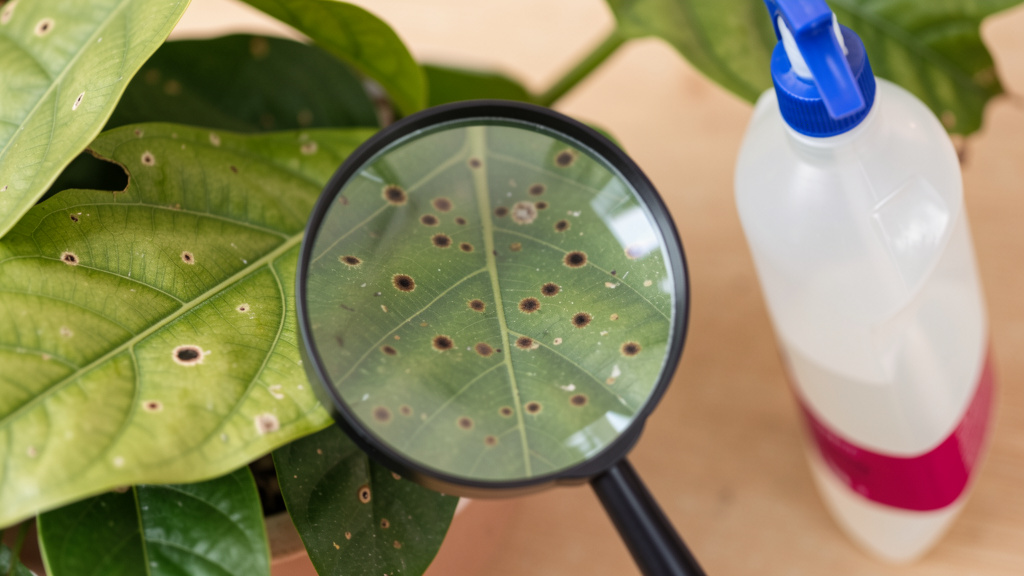
Stop Guessing and Start Growing: Science-Backed Strategies to Protect Your Plants Year-Round
Plant diseases silently undermine gardens worldwide, turning vibrant foliage into withered disappointment and promising harvests into bitter lessons. Yet most losses stem not from unavoidable catastrophes but from preventable oversights and misapplied remedies. This definitive guide transforms uncertainty into confidence by delivering a systematic, science-grounded approach to safeguarding your plants. We move beyond fragmented tips to present an integrated framework—rooted in agricultural research and ecological principles validated by university extensions and horticultural institutions—to empower you to build resilient gardens where disease struggles to gain a foothold, and where effective intervention becomes precise, purposeful, and sustainable.
Introduction
Walk into any community garden in late summer, and you’ll likely spot the quiet evidence of plant disease: the telltale yellow halos on rose leaves signaling black spot, the chalky white dust of powdery mildew on squash vines, or the sudden collapse of a tomato plant from fusarium wilt. These aren’t random misfortunes. They are symptoms of disrupted plant-environment relationships—a gap between what the plant needs to thrive and the conditions we provide. For generations, gardeners reacted to disease with panic sprays and chemical salvos, often worsening the problem or harming beneficial organisms. Today, a paradigm shift is underway. Modern plant health management draws from integrated pest management (IPM) frameworks refined by agricultural extensions globally and validated through peer-reviewed horticultural science. This guide synthesizes those evidence-based protocols into a practical, actionable system for home gardeners. Whether you cultivate a windowsill herb collection, a suburban vegetable patch, or an acre of ornamentals, the principles herein apply universally—adapted thoughtfully to your climate, soil, and goals. True plant health begins not with a spray bottle, but with understanding. It starts with seeing your garden not as a collection of individual plants, but as a living ecosystem where soil biology, microclimate, plant genetics, and human choices interact dynamically. When one element falters, disease finds an opening. When all elements align, resilience becomes the default state. This journey begins with prevention—the most powerful, economical, and ecologically sound strategy available to every gardener. Decades of field research consistently affirm that proactive cultural practices form the bedrock of sustainable disease management across diverse growing environments.
The Resilient Garden Framework: Building a Defense-in-Depth Strategy
Imagine constructing a fortress. You wouldn’t rely solely on a single gatekeeper to repel invaders. You’d design layered defenses: strong outer walls, vigilant sentries, clear identification protocols for threats, and precise countermeasures for breaches. Plant disease management demands the same strategic depth. The Resilient Garden Framework organizes this defense into four interlocking pillars. Each pillar reinforces the others; neglecting one weakens the entire structure. This isn’t a linear checklist but a continuous cycle of observation, adjustment, and learning. Mastery emerges not from memorizing disease names, but from internalizing this systems-thinking approach. Gardeners applying these principles consistently observe reduced disease pressure and greater garden vitality over time. The framework’s power lies in its scalability: equally effective for a single prized rose bush or a hundred-foot perennial border. It transforms overwhelming complexity into manageable, purposeful actions. Critically, this approach aligns with ecological stewardship—every choice supports soil life, beneficial insects, and watershed health beyond your garden fence.
Pillar 1: Prevention Through Proactive Cultivation
Prevention is not passive avoidance. It is active cultivation of conditions where pathogens cannot establish or spread. This pillar addresses the root causes of vulnerability—literally and figuratively. Consider two identical tomato seedlings planted on the same day. One receives full sun, well-drained compost-rich soil, consistent moisture without wetting leaves, and adequate spacing for airflow. The other sits in partial shade, compacted clay soil, overcrowded with neighbors, and gets overhead watered every evening. Within weeks, the second plant shows signs of early blight. The pathogen existed in both environments, but only the stressed plant provided the perfect storm of susceptibility: prolonged leaf moisture, poor air circulation, and nutrient imbalance. Prevention targets these leverage points.
Soil as the Foundation of Immunity
Healthy soil is a living pharmacy for plants. A single teaspoon of vibrant garden soil contains billions of bacteria, miles of fungal hyphae, and countless protozoa and nematodes. This microbiome performs critical functions: solubilizing nutrients, producing natural antibiotics, outcompeting soil-borne pathogens, and triggering systemic resistance in plant roots. Building this defense starts long before planting. Incorporate diverse organic matter annually—not just generic compost, but a blend: well-rotted manure for nitrogen and microbes, leaf mold for fungal diversity, and green manure cover crops like crimson clover or daikon radish to break compaction and suppress nematodes. Avoid synthetic fertilizers that create salt buildup and disrupt microbial balance. Instead, use slow-release amendments like alfalfa meal or kelp powder that feed soil life gradually. Test your soil pH every two years; most vegetables thrive at 6.0–7.0, while blueberries demand 4.5–5.5. Adjusting pH isn’t just about nutrient availability—it directly influences which pathogens proliferate. For example, clubroot in brassicas (cabbage, broccoli) thrives in acidic soils below pH 6.5; raising pH to 7.2 with garden lime creates a less hospitable environment. A common mistake is amending only planting holes (“potting soil syndrome”), creating isolated pockets of fertility that encourage roots to stay confined rather than explore widely. Amend entire beds uniformly. Remember: you’re not feeding the plant directly; you’re cultivating the soil community that feeds the plant. Beyond individual plant health, nurturing soil biology contributes to carbon sequestration and supports a diverse ecosystem of beneficial organisms, from earthworms to pollinators.
Strategic Plant Selection and Placement
Your first defense against disease is choosing plants inherently suited to your site. This requires honest assessment. Does that spot receive six+ hours of direct sun? Is drainage excellent, or does water pool after rain? What is your USDA Hardiness Zone (or equivalent)? Selecting a sun-loving rose for a shady, damp corner guarantees stress and invites black spot or powdery mildew. Consult plant tags critically—they often list “full sun” optimistically. Local nurseries specializing in native plants offer invaluable insight; their stock is typically adapted to regional disease pressures. Seek disease-resistant varieties denoted by codes on seed packets or labels:
– Tomatoes: Look for VFN (resistant to Verticillium wilt, Fusarium wilt races 1 & 2, Nematodes) or newer codes like TSWV (Tomato Spotted Wilt Virus). ‘Mountain Magic’ and ‘Defiant PhR’ are noted for late blight resilience.
– Roses: ‘Knock Out’ series, ‘Carefree Beauty’, and ‘William Baffin’ exhibit strong resistance to black spot and powdery mildew.
– Cucurbits: ‘County Fair’ cucumbers resist scab and mosaic virus; ‘Table Ace’ acorn squash shows tolerance to powdery mildew.
Placement matters as much as selection. Practice wide spacing—follow the maximum spacing recommendation on the tag, not the minimum. Crowded plants create humid microclimates ideal for fungal spores. Orient rows north-south for even sun exposure. Group plants with similar water needs to avoid overwatering drought-tolerant species. Install trellises for vining crops (cucumbers, pole beans) to lift foliage off damp soil, improving airflow and reducing soil-splash transmission of pathogens like anthracnose. In humid climates, position susceptible plants (phlox, bee balm) where prevailing winds naturally dry leaves after dew or rain. This isn’t gardening aesthetics; it’s epidemiological design. Adaptive tip: For limited-space gardens, prioritize vertical growing and container rotation to disrupt disease cycles where traditional crop rotation isn’t feasible.
Water Wisdom: Timing, Method, and Moderation
Water is life—but misapplied water is a primary disease vector. Fungal spores (like those causing powdery mildew or botrytis) require free moisture on leaves for several hours to germinate and infect. Overhead watering, especially in the evening, extends this critical wetness period dangerously. Adopt drip irrigation or soaker hoses whenever possible. These deliver water directly to the root zone, keeping foliage dry. If using sprinklers, run them early in the morning (5–9 AM) so leaves dry rapidly in the sun. Never water at night. Observe your soil: stick a finger 2 inches deep. Water only when dry. Overwatering suffocates roots, creating entry points for root rots (Pythium, Phytophthora). Underwatering stresses plants, weakening natural defenses. Container plants need special attention—ensure pots have drainage holes, and avoid saucers that trap standing water. In drought-prone areas, mulch heavily (2–3 inches of straw, shredded bark, or compost) to conserve moisture and prevent soil-borne spores from splashing onto lower leaves during rain. Real-world insight: Gardeners adjusting watering practices to morning drip irrigation with mulch often observe significantly reduced foliar disease pressure—without chemical intervention.
Sanitation: Breaking the Disease Cycle
Pathogens overwinter in fallen leaves, spent stems, and contaminated tools. Sanitation isn’t about sterile perfection; it’s about disrupting pathogen lifecycles. At season’s end, remove all visibly diseased plant debris—do not compost it unless you maintain a verified hot compost system reaching sustained high temperatures. Bag and dispose of severely infected material. For perennials like peonies or roses showing botrytis or leaf spot, cut stems back to 2–3 inches above soil in fall and clear all debris from the base. Clean tools regularly: dip pruners in 70% isopropyl alcohol or a 10% bleach solution (1 part bleach to 9 parts water) between cuts on diseased plants and after each use. Disinfect pots and trays with the same solution before reuse. Rotate crops annually in vegetable beds—never plant the same botanical family (e.g., tomatoes, peppers, eggplants—all Solanaceae) in the same spot two years running. This starves soil-borne pathogens like Verticillium that specialize on specific hosts. A three-year rotation is ideal: Year 1: Tomatoes; Year 2: Beans (legumes); Year 3: Corn (grasses); Year 4: Back to tomatoes. For small gardens, use container rotation or soil solarization (covering moist soil with clear plastic for 4–6 weeks in peak summer heat) to reduce pathogen loads in localized areas.
Pillar 2: Vigilant Monitoring and Early Detection
Prevention reduces risk, but no system is foolproof. Early detection turns manageable issues into crises. Monitoring is a mindful practice, not a chore. Schedule 10–15 minutes twice weekly during growing season—dawn or dusk when light reveals subtle changes. Move slowly. Look under leaves, along stems, at leaf axils, and at the soil line. Carry a hand lens (10x magnification) and a small notebook. Document observations: “July 12: Tiny yellow spots on lower zucchini leaves, underside fuzzy white.” This creates a personal disease diary, revealing patterns year-to-year.
The Symptom Decoder Ring
Learn to distinguish disease symptoms from environmental stress or insect damage. Key questions to ask:
– Pattern: Are symptoms random or systematic? (Viral diseases often show mosaic patterns; nutrient deficiencies follow vein patterns)
– Location: Starting on oldest leaves? (Typical of fungal diseases like early blight) Or newest growth? (Suggests viral infection or herbicide drift)
– Progression: Spreading rapidly? (Bacterial diseases like bacterial spot on peppers move fast in wet weather) Or slowly? (Fungal cankers may take seasons)
– Texture: Powdery? (Powdery mildew) Slimy? (Bacterial soft rot) Dry and papery? (Anthracnose)
– Color: Yellow halos? (Black spot on roses) Orange pustules? (Rust) Black sooty coating? (Sooty mold from insect honeydew)
Create a simple field guide:
| Symptom Type | Likely Cause | Immediate Action |
|————–|————–|——————|
| White powdery coating on leaves | Powdery mildew (fungus) | Improve airflow; consider potassium bicarbonate spray |
| Yellow spots with brown centers on lower leaves | Early blight (fungus) | Remove affected leaves; mulch; avoid overhead water |
| Sudden wilting, brown streaks inside stem | Fusarium wilt (fungus) | Remove plant; rotate crops; select resistant varieties next year |
| Water-soaked spots turning black, foul odor | Bacterial spot/soft rot | Remove affected parts; reduce moisture; copper spray only if caught early |
| Mosaic pattern, stunted growth, distorted leaves | Virus (e.g., TMV) | Remove entire plant; disinfect tools; control aphids/whiteflies |
| White cottony masses on stems/soil | Southern blight (fungus) | Remove plant + surrounding soil; consider solarization |
Technology as Your Ally
Smartphone apps like iNaturalist can provide preliminary identification clues (upload a clear photo of the symptom), but treat suggestions cautiously—apps misidentify frequently. For definitive diagnosis, contact your local Cooperative Extension Service. Most offer low-cost or free plant disease diagnostics. Package samples correctly: place affected leaves/stems in a sealed plastic bag (no added moisture), include roots if possible, and note symptoms, plant type, location, and recent weather. Many extensions also host “plant clinics” at farmers’ markets or garden centers. Citizen science projects help track regional outbreaks. Early detection isn’t about perfection—it’s about catching issues while localized. Removing three infected leaves today prevents losing the entire plant tomorrow. Adaptive tip: In time-limited routines, focus monitoring on high-value or historically vulnerable plants first.
Pillar 3: Accurate Identification and Diagnosis
Misidentification leads to wasted effort and ecological harm. Spraying a fungicide for a bacterial disease is futile; using insecticidal soap on a viral infection accelerates plant decline. Accurate diagnosis requires methodical elimination. Follow this diagnostic flow:
- Rule out abiotic (non-living) causes first:
- Water issues: Wilting despite wet soil? Root rot. Crispy brown leaf edges? Underwatering or salt burn.
- Nutrient deficiencies: Uniform yellowing between veins on new leaves? Iron deficiency. Purple undersides? Phosphorus deficiency.
- Environmental stress: Scorch marks on south-facing leaves? Sunscald. Twisted growth near driveway? Herbicide drift.
-
Physical damage: Girdled stem? Animal chewing. Split bark? Frost crack.
-
If biotic (living cause) suspected, examine closely:
- Fungal signs: Look for visible mycelium (white threads), spore masses (powdery, rusty, or slimy coatings), or fruiting bodies. Fungal diseases often show concentric rings or target-like spots.
- Bacterial signs: Water-soaked lesions that turn brown/black, ooze when squeezed (especially in humid conditions), foul odor. Bacterial spots lack fungal fruiting structures.
- Viral signs: Mosaic patterns (light/dark green mottling), stunting, leaf curling, distorted growth. Viruses rarely kill quickly but weaken plants severely.
-
Nematode signs: Stunted, yellowed plants with knotted or swollen roots (root-knot nematodes). Often mistaken for nutrient deficiency.
-
Confirm with resources:
- Consult university extension publications (search “[Your State] Extension [Plant Name] disease”). These are region-specific and science-vetted.
- Cross-reference multiple reputable sources (e.g., Cornell University Plant Disease Diagnostic Clinic, Royal Horticultural Society).
- When in doubt, submit a sample. Guessing costs more than testing.
Critical nuance: Many diseases present similarly. Late blight (Phytophthora infestans) and early blight (Alternaria solani) both affect tomatoes but require different responses. Late blight shows large, irregular, water-soaked lesions with white fuzzy growth on undersides in cool, wet weather—it’s highly contagious and demands immediate plant removal. Early blight shows smaller, target-like spots starting on lower leaves in warm, humid conditions—manageable with sanitation and targeted treatments. Confusing them could compromise your entire crop. Similarly, powdery mildew (white powder on upper leaf surfaces) differs from downy mildew (yellow angular spots on top, fuzzy gray growth underneath)—treatments vary significantly. Precision here supports effective, minimal intervention.
Pillar 4: Targeted Intervention and Treatment
Intervention is the final pillar—not the first resort. When prevention and monitoring fail, respond proportionally. The goal is not eradication (often impossible) but suppression to tolerable levels while preserving ecosystem balance. Always prioritize least-toxic methods. Ask: “Will this treatment cause more harm than the disease?” Spraying broad-spectrum fungicides kills beneficial fungi crucial for soil health. Overusing copper sprays accumulates residues. Intervention must be strategic, timely, and minimal.
Organic and Biological Controls: Working With Nature
These methods harness natural processes with minimal ecological disruption.
– Neem oil: A botanical extract disrupting insect feeding and fungal spore germination. Effective against powdery mildew, rust, black spot, and soft-bodied insects. Mix 1–2 tsp cold-pressed neem oil + 1/2 tsp insecticidal soap per quart of water. Spray thoroughly (tops and undersides of leaves) at first sign of disease, repeating every 7 days. Apply at dusk to avoid leaf burn and protect pollinators. Note: Neem is preventative/suppressive; it won’t cure advanced infections. Budget option: Prioritize spot-treatment on high-value plants rather than whole-garden application.
– Potassium bicarbonate: A contact fungicide that raises leaf surface pH, inhibiting powdery mildew spores. Mix 1 tbsp per gallon of water with a few drops of soap. Spray at first sign; reapply after rain. Safer than sulfur for sensitive plants (roses, cucurbits).
– Bacillus subtilis (e.g., Serenade®): A beneficial bacterium that colonizes leaf surfaces, outcompeting pathogens and triggering plant immunity. Effective against powdery mildew, botrytis, and fire blight. Apply as directed on label preventatively or at early infection. Works best in warm conditions.
– Streptomyces lydicus (e.g., Actinovate®): A soil-drench bacterium combating root rots (Pythium, Rhizoctonia) and damping-off. Mix into transplant water or apply to soil around established plants.
– Compost tea: Aerated compost tea (ACT) introduces beneficial microbes to foliage and soil. Brew 1 part mature compost to 5 parts dechlorinated water with molasses for 24–48 hours using an aquarium pump. Strain and spray on leaves or drench soil. Crucial: Use only well-finished, pathogen-free compost; improperly brewed tea can spread disease. Time-saver: Brew in batches for multiple applications; store unused portion refrigerated for up to 48 hours.
– Milk spray: Research indicates diluted skim milk (1 part milk to 9 parts water) sprayed weekly may help reduce powdery mildew severity through natural antifungal properties.
Conventional Chemical Treatments: Responsible Use Guidelines
When organic methods are insufficient against severe threats (e.g., late blight in tomatoes during persistent wet weather), conventional fungicides may be necessary. Use them as a last resort, with precision and respect.
– Read the label meticulously: It is a legal document. Note: target diseases, plants it can be used on, application rate, frequency, pre-harvest interval (PHI—days before harvest), and required protective equipment (gloves, goggles). Never exceed labeled rates.
– Choose targeted products: Avoid “3-in-1” broad-spectrum sprays. For powdery mildew, use myclobutanil (Immunox®) or propiconazole. For bacterial diseases, copper-based fungicides (though resistance is growing). For soil-borne fungi, consider thiophanate-methyl (Cleary’s 3336®) as a drench—but only after confirming pathogen presence.
– Rotate chemical classes: Using the same active ingredient repeatedly breeds resistant pathogen strains. Alternate between FRAC code groups (e.g., switch from a QoI fungicide like azoxystrobin to a DMI like tebuconazole). University extensions publish FRAC rotation guides.
– Timing is everything: Apply preventatively before symptoms appear if weather forecasts predict disease-favorable conditions (e.g., prolonged high humidity for late blight). For existing infections, spray at first visible sign. Morning application allows drying before evening dew.
– Environmental stewardship: Never spray on windy days. Avoid spraying near water bodies. Store chemicals securely; dispose of containers per local regulations. Remember: chemicals manage symptoms; they don’t fix underlying cultural problems. Pair spraying with correcting the root cause (e.g., improve airflow after treating powdery mildew).
The Fundamental Principle: A healthy plant in a balanced ecosystem is the best defense against disease—interventions should support, not replace, this foundation. Every action must serve the long-term resilience of the entire garden system, not just the immediate symptom.
Special Considerations: Adapting to Your Garden’s Unique Conditions
A universal protocol fails because gardens are microcosms shaped by hyper-local factors. Adapt the framework thoughtfully.
Climate and Seasonal Adjustments
Humid Subtropical Climates (Southeastern U.S., Gulf Coast)
High heat and humidity create ideal conditions for fungal and bacterial diseases. Strategies:
– Plant selection: Prioritize heat/humidity-tolerant varieties. For tomatoes: ‘Solar Fire’, ‘Heatmaster’. For roses: ‘Knock Out’ series. Avoid powdery mildew-prone phlox; choose mildew-resistant cultivars like ‘David’.
– Airflow is non-negotiable: Space plants at maximum recommendations. Use fans in greenhouse settings. Prune interior branches of shrubs for cross-ventilation.
– Water management: Drip irrigation essential. Mulch with pine straw (slightly acidic) instead of hardwood mulch where appropriate.
– Fungicide timing: Begin preventative applications before rainy season starts. Rotate biologicals and conventional options during peak humidity.
– Seasonal shift: Grow cool-season crops (spinach, kale, broccoli) in fall/winter when disease pressure is lower. Use summer for soil solarization or cover cropping.
Arid and Semi-Arid Climates (Southwest U.S., Mediterranean)
Low humidity reduces fungal pressure but introduces unique challenges:
– Sunscald: Intense sun damages bark and fruit, creating entry points. Paint southwest-facing tree trunks with diluted white latex paint (1:1 with water). Use shade cloth (30%) for young transplants.
– Soil salinity: Evaporation concentrates salts, stressing plants. Leach salts by deep, infrequent watering. Test soil annually; amend with gypsum if sodium high.
– Water wisely: Drip irrigation prevents leaf wetness. Ensure emitters don’t clog with minerals. Flush lines monthly. Avoid overhead watering—it wastes water and can cause fruit cracking.
– Disease surprises: Powdery mildew still occurs in microclimates (shaded, humid areas). Watch for verticillium wilt in tomatoes—common in alkaline soils. Plant resistant varieties (VFN).
– Wind protection: Install windbreaks (gravel paths, low walls) to reduce desiccation stress.
Cool Temperate Climates (Pacific Northwest, Northern Europe)
Cool, wet springs and falls favor late blight, botrytis, and root rots.
– Soil warming: Use black plastic mulch to warm soil before planting tomatoes/peppers. Raised beds improve drainage.
– Season extension: Grow tomatoes under high tunnels or cloches to keep foliage dry. Ventilate on mild days to reduce humidity inside.
– Late blight vigilance: Monitor regional disease alerts. At first sign of cool, wet weather, begin preventative applications if warranted. Remove volunteer potatoes (common overwintering host).
– Fall cleanup: Critical! Remove all tomato/potato debris before winter rains spread spores.
– Cover cropping: Plant winter rye or hairy vetch in fall to protect soil, suppress weeds, and add organic matter.
Seasonal Disease Calendar
Spring (Soil Warming to Bloom):
– Focus: Prevent damping-off in seedlings (use sterile mix, bottom heat, good airflow).
– Watch for: Peach leaf curl (spray copper before bud swell), fire blight during bloom (avoid pruning, monitor weather).
– Action: Apply compost tea to boost soil microbes; install drip lines before planting.
Summer (Peak Growth):
– Focus: Manage moisture-related diseases (blights, mildews).
– Watch for: Powdery mildew as humidity rises; bacterial spot after storms.
– Action: Morning watering only; prune lower leaves on tomatoes; apply mulch if not done earlier.
Fall (Harvest to Frost):
– Focus: Sanitation to reduce overwintering pathogens.
– Watch for: Botrytis on fading flowers; root rots in waterlogged soil.
– Action: Remove spent crops; cut back perennials; apply compost; plant cover crops.
Winter (Dormancy):
– Focus: Planning and tool maintenance.
– Watch for: Cankers on dormant trees (prune on dry, sunny days).
– Action: Order disease-resistant seeds; clean/disinfect tools; review season’s disease diary.
Tailoring Strategies for Different Plant Types
Vegetable Gardens
– Solanaceae (Tomatoes, Peppers, Eggplants): Rotate crops rigorously. Stake/trellis for airflow. Mulch to prevent soil splash. Scout daily for early blight spots on lower leaves. Remove affected leaves immediately.
– Brassicas (Cabbage, Broccoli, Kale): Clubroot is a major threat in acidic soils. Test pH; lime if needed per soil test. Use resistant varieties. Rotate out of brassicas for multiple years if clubroot confirmed.
– Cucurbits (Squash, Cucumber, Melon): Powdery mildew is common—focus on resistant varieties and early intervention. Use trellises to keep vines off soil. Hand-pollinate if row covers exclude bees.
– Alliums (Onions, Garlic): Rotate away from previous allium crops. Ensure excellent drainage to prevent white rot. Cure bulbs thoroughly before storage.
Ornamental Gardens
– Roses: Black spot and powdery mildew are chronic issues. Choose resistant varieties. Prune in spring to open center. Apply preventative treatments in humid climates. Clean up all fallen leaves in fall.
– Perennials: Divide clumps every 3–4 years to improve airflow and vigor (e.g., daylilies, hostas). Remove spent flower stalks to prevent botrytis. Avoid overhead watering on peonies.
– Shrubs and Trees: Prune during dormancy to minimize disease entry. Disinfect tools between cuts on diseased wood. Avoid wounding bark with mowers/trimmers. Mulch widely (but not against trunk) to reduce soil splash.
Fruit Trees and Berries
– Apples/Pears: Fire blight requires careful pruning (well below visible canker) during dormancy. Avoid high-nitrogen fertilizers that promote succulent growth. Plant resistant varieties.
– Peaches/Nectarines: Peach leaf curl demands dormant copper spray before bud swell. Remove infected leaves promptly.
– Grapes: Black rot and powdery mildew are major threats. Prune severely in winter for airflow. Apply lime sulfur dormant spray. Use trellising for canopy management.
– Raspberries/Blackberries: Remove fruiting canes immediately after harvest to reduce anthracnose. Thin new canes to 4–6 per foot of row. Avoid overhead irrigation.
Container Gardening and Small-Space Disease Management
Containers concentrate risks but offer control advantages.
– Potting Mix: Never use garden soil—it compacts and may harbor pathogens. Use fresh, high-quality potting mix each season. For reuse, solarize mix: spread 2″ deep on black plastic in full sun for several weeks in summer.
– Drainage: Ensure pots have multiple drainage holes. Elevate pots on feet or bricks to prevent waterlogging. Add perlite to mix for heavy feeders like tomatoes.
– Watering: Containers dry faster but overwatering is common. Lift pot—lightweight needs water; heavy is saturated. Use moisture meters for accuracy. Self-watering containers reduce stress but require clean reservoirs.
– Disease Hotspots: Watch for botrytis in crowded balcony planters. Space pots for airflow. Remove yellowing leaves promptly. Treat issues on container roses immediately—it spreads rapidly in confined spaces.
– Sanitation: At season end, discard soil (compost if disease-free). Scrub pots with 10% bleach solution. Store clean pots indoors.
– Micro-Greenhouse Caution: Cloches or mini-greenhouses create humid microclimates ideal for disease. Ventilate daily. Remove covers once plants are established.
Troubleshooting Common Scenarios: Real Garden Problems Solved
Theory meets practice here. These scenarios reflect frequent gardener dilemmas—addressed with actionable, nuanced solutions.
Scenario 1: “I See Spots on Leaves, But I Don’t Know the Cause”
The gardener’s concern: Spots appear. Is it fungal? Bacterial? Should I spray? Remove leaves?
Systematic approach:
1. Pause and observe: Don’t spray immediately. Take clear photos (top/bottom of leaf, whole plant). Note: Are spots on old or new leaves? Uniform pattern or random? Any insects present? Recent weather (rain, humidity)?
2. Rule out non-disease causes:
– Water droplets: Sunlight through water droplets can cause tiny, round, bleached spots (not disease).
– Herbicide drift: Causes distorted growth, streaking, or spotting—often affects multiple plant types similarly.
– Nutrient deficiency: Iron deficiency shows interveinal chlorosis on new growth; magnesium deficiency shows on old leaves.
3. Check location and progression:
– Spots starting on lowest, oldest leaves? Likely early blight (tomatoes) or septoria. Remove affected leaves; improve airflow; mulch.
– Spots with yellow halos on roses? Black spot. Remove leaves; apply treatment; avoid wetting foliage.
– Translucent spots that turn brown? Bacterial spot. Remove affected parts; avoid overhead water; copper spray if caught early.
4. Consult resources: Search “[Plant Name] leaf spots [Your State] Extension.” Compare photos.
5. Act proportionally: If only 1–2 leaves affected on a large plant, remove and monitor. If spreading rapidly in wet weather, apply appropriate treatment. If uncertain, contact extension service.
Key insight: Not all spots require intervention. Some leaf spotting is cosmetic and won’t impact plant health or yield. Focus energy on symptoms threatening plant survival or spread to others.
Scenario 2: “My Tomato Plants Are Wilting Suddenly”
Sudden wilting requires careful diagnosis.
– Check soil moisture first: Stick finger deep. If dry, water deeply. If wet, overwatering or root rot is likely.
– Examine stems at soil line:
– Dark, water-soaked lesion girdling stem? Southern blight. Remove plant + surrounding soil immediately. Solarize bed.
– Brown streaks inside stem when cut lengthwise? Fusarium or Verticillium wilt. Remove plant. Do not compost. Rotate crops; plant resistant (VFN) varieties next year.
– Hollow stem with sawdust-like frass? Squash vine borer (affects cucurbits too). Slit stem carefully, remove larva, mound soil over wound.
– Check for pests:
– Tiny holes in leaves + wilting? Tomato hornworm (hand-pick).
– Stippling + fine webbing? Spider mites (spray undersides with water or insecticidal soap).
– Environmental factors:
– Wilting only on hot afternoons, recovers at night? Normal transpiration—ensure consistent moisture.
– Wilting after transplanting? Transplant shock—provide shade cloth for few days; water gently.
Critical action: If wilting is accompanied by brown internal streaks and soil is moist, suspect vascular wilt. Remove plant immediately to prevent soil contamination. Bag and dispose of—do not compost. Label the spot; avoid planting Solanaceae there for several years.
Scenario 3: “Powdery Mildew Keeps Coming Back Every Year”
This recurring issue requires an integrated approach.
Why it recurs: Spores overwinter on plant debris, in soil, or on nearby weeds. High humidity + poor airflow + susceptible varieties create perfect conditions.
Integrated solution:
1. Fall sanitation: After frost, remove all affected plant debris. Do not compost. Clear weeds around garden beds.
2. Spring prevention:
– Plant resistant varieties (‘Defiant PhR’ tomatoes, ‘County Fair’ cucumbers).
– Space plants widely; orient rows for cross-breeze.
– Install trellises for vining crops.
– Apply preventative treatment before symptoms appear: Potassium bicarbonate or Bacillus subtilis weekly starting at first sign of humid weather.
3. Cultural adjustments:
– Switch to drip irrigation.
– Water early morning only.
– Prune lower leaves on tomatoes/peppers to improve airflow.
– Thin crowded perennials (phlox, bee balm) in spring.
4. Mid-season response:
– At first white spot, spray potassium bicarbonate solution thoroughly (undersides!).
– Remove severely affected leaves (>50% coverage).
– Avoid nitrogen-heavy fertilizers that promote lush, susceptible growth.
5. Long-term strategy:
– Rotate crops annually.
– Plant companion flowers (alyssum, dill) to attract beneficial insects.
– Consider microclimate changes: Remove low branches on nearby trees to increase sun exposure.
Real-world insight: Gardeners combining resistant varieties, drip irrigation, timely preventative applications, and rigorous fall cleanup often transform powdery mildew from a recurring challenge into a manageable concern.
Scenario 4: “I Want to Avoid Synthetic Chemicals Entirely—What Are My Options?”
Many gardeners seek primarily organic solutions—and it’s achievable with realistic expectations.
Core philosophy: Accept that some cosmetic damage is inevitable. Focus on plant health and yield, not perfection. A few spotted leaves won’t kill a robust plant.
Prevention is your primary toolkit:
– Build vibrant soil with compost, cover crops, and minimal soil disturbance. Healthy plants resist disease better.
– Select disease-resistant varieties—this is the single most effective strategy.
– Practice meticulous sanitation and crop rotation.
– Optimize spacing, airflow, and watering methods.
Organic interventions when needed:
– Physical removal: Pinch off affected leaves early. Hand-pick pests.
– Barriers: Row covers to exclude insect vectors.
– Biologicals: Bacillus subtilis, Streptomyces lydicus, Trichoderma products.
– Botanicals: Neem oil, potassium bicarbonate, horticultural oils.
– Homemade sprays: Milk spray for powdery mildew; garlic/chili spray for insects (strain well).
Managing expectations:
– Organic methods often require more frequent application than synthetics.
– They work best preventatively or at very early infection stages.
– In severe outbreak years (e.g., late blight during cool, wet summer), even well-managed gardens may experience losses. This reflects environmental conditions—not gardener failure.
– Focus on resilience: If one crop struggles, others may thrive. Diversity buffers risk.
Ethical note: “Chemical-free” is a misnomer—everything is chemicals. The goal is using substances with minimal ecological impact. Copper and sulfur are OMRI-listed but can harm soil life if overused. Judicious use of a targeted option may sometimes align better with ecological goals than repeated applications of a less effective alternative. Make informed choices aligned with your values and local conditions.
Your Questions, Answered
Gardeners consistently ask these questions. Answers integrate current science and practical wisdom.
Q: How can I tell if my plant has a disease or is just stressed by environmental factors?
A: Environmental stress typically shows uniform symptoms across all plants of the same type in the area (e.g., all tomatoes wilting on a hot afternoon). Disease symptoms are often irregular, start on specific plant parts (oldest leaves first for many fungi), and may show visible signs like mold, spots with defined borders, or insect activity. Check soil moisture, recent weather, and fertilizer use first. If symptoms persist after correcting environmental issues (e.g., watering a wilted plant that recovers overnight is likely just thirsty), suspect disease. When uncertain, consult extension resources or submit a sample.
Q: Is it safe to compost diseased plant material?
A: Generally, no for home compost systems. Most home piles don’t reach temperatures high enough (140°F+ sustained) to kill resilient pathogens like fusarium, verticillium, or tobacco mosaic virus. Exceptions: Material with minor, non-systemic issues might be composted in a verified hot, well-managed pile—but when in doubt, dispose of diseased material in municipal green waste (commercial facilities reach higher temps) or bag and trash it. Never compost plants with viral symptoms, wilts, or severe fungal infections. This practice protects your garden’s long-term health.
Q: Can I save a plant once it has a viral disease?
A: Unfortunately, no. Viruses cannot be cured and move systemically through the plant. Removal is the only responsible action to prevent spread to other plants via insects, tools, or contact. Bag the plant immediately, seal it, and dispose of it. Disinfect tools and gloves thoroughly. Focus energy on protecting healthy plants. Prevention (resistant varieties, vector control) is critical for viruses. This difficult step preserves the health of your entire garden ecosystem.
Q: Are “natural” remedies like vinegar or baking soda effective?
A: Use caution. Vinegar (acetic acid) is a non-selective herbicide—it will burn plant foliage and is not a reliable fungicide. Baking soda solutions have limited efficacy against powdery mildew but risk sodium buildup in soil with repeated use. Potassium bicarbonate is a safer, more effective alternative. Always prioritize methods with scientific backing (university extension research) over anecdotal remedies. Test any homemade spray on a few leaves first to check for phytotoxicity. When in doubt, consult local extension resources.
Q: How often should I apply preventative treatments?
A: Frequency depends on the product, weather, and disease pressure. For organic options like potassium bicarbonate or neem oil: every 7–10 days during high-risk periods (humid weather, after rain). For conventional fungicides: follow label instructions precisely—typically every 7–14 days. Critical: Begin applications before symptoms appear if weather forecasts predict disease-favorable conditions (e.g., prolonged high humidity for late blight). Spraying after infection is established is often less effective. Track local disease alerts via extension services. Prevention timing is as important as the product chosen.
Q: Does crop rotation really work in a small garden?
A: Yes, with creative adaptation. In tight spaces:
– Rotate plant families between containers or raised beds.
– Use vertical space: Grow tomatoes in Bed A this year, beans (a different family) in Bed A next year.
– Interplant with cover crops: After harvesting spring lettuce, plant buckwheat as a cover crop before fall brassicas.
– Focus on soil health: Heavy compost application and cover cropping can partially offset limited rotation space by boosting microbial competition against pathogens. Even moving tomatoes several feet from last year’s spot helps disrupt soil-borne disease cycles. Every effort contributes to resilience.
Q: Can I eat fruit from a diseased plant?
A: It depends on the disease:
– Cosmetic fungal spots (e.g., anthracnose on tomato fruit): Cut away affected area; rest is safe if ripe.
– Bacterial soft rot: Discard entire fruit—it’s mushy, foul-smelling, and unsafe.
– Viral infections: Fruit is usually safe to eat (viruses don’t infect humans) but may be misshapen or low quality.
– Moldy fruit: Discard. Some molds produce harmful compounds.
When uncertain, err on the side of caution. Never eat produce from plants treated with non-labeled products. When in doubt, compost unaffected parts and discard the rest.
Q: Why do my plants get sick right after I fertilize?
A: Over-fertilizing, especially with high-nitrogen synthetics, causes rapid, succulent growth with thin cell walls—ideal entry points for pathogens. It also disrupts soil microbial balance. Symptoms may mimic disease (leaf burn, wilting). Solution: Use slow-release organic fertilizers (compost, alfalfa meal). Follow package rates. Fertilize based on soil test results, not calendar dates. Water thoroughly after applying any fertilizer. Balanced nutrition supports natural plant defenses.
Q: Are some plants more disease-resistant than others?
A: Absolutely. This is a cornerstone of prevention. Always check seed packets or plant labels for disease resistance codes (e.g., VFN for tomatoes). Native plants generally have higher resistance to local pathogens than exotics. Heirloom varieties often lack modern resistance breeding—balance nostalgia with practicality. Consult your local nursery or extension service for varieties proven in your area. Investing in resistant stock saves immense effort later and supports biodiversity.
Q: How do I disinfect my gardening tools properly?
A: For routine cleaning: Scrub off soil with wire brush, wash with soapy water, rinse, dry thoroughly. For disease decontamination:
– Alcohol method: Wipe or dip metal parts in 70% isopropyl alcohol for several minutes. Air dry. Fast, no rinsing needed.
– Bleach method: Soak in 10% bleach solution (1 part household bleach to 9 parts water) for 30 seconds. Rinse thoroughly with clean water to prevent corrosion. Best for heavily contaminated tools.
Disinfect after working on diseased plants, and at season start/end. Store tools clean and dry to prevent rust. Proper tool hygiene is a simple yet powerful disease prevention habit.
Conclusion and Your Next Step
Plant disease management is not a battle to be won with stronger chemicals. It is a practice of cultivation—of soil, of plants, of observation, and of wisdom. The gardener who masters this art doesn’t eliminate all disease; they cultivate a garden so fundamentally resilient that disease becomes a minor footnote, not a central drama. This journey transforms frustration into fascination, panic into patience. You begin to see your garden not as a collection of problems to solve, but as a dynamic ecosystem to steward. Each season builds knowledge. Each challenge refines skill. The goal is not perfection—it is progress toward greater harmony between your intentions and nature’s rhythms. Your thoughtful choices ripple outward, supporting pollinators, enriching soil life, and modeling ecological stewardship for your community.
Recap: The Three Foundational Principles
- Prevention is Paramount: Invest consistently in soil health, resistant varieties, optimal spacing, and smart watering. This foundational work prevents the majority of disease issues before they start.
- Observe Before You Act: Never intervene based on panic. Diagnose accurately. Understand the cause. A misapplied remedy wastes resources and may worsen the problem.
- Intervene Minimally and Mindfully: When action is needed, choose the least disruptive option first. Support the garden’s innate resilience rather than overriding it.
The 24-Hour Rule
Today, within the next 24 hours, take one small, concrete step:
– If your garden is active: Spend five minutes inspecting one plant closely. Turn leaves over. Check the soil line. Note one observation in a notebook or phone memo.
– If it’s off-season: Review last season’s photos or journal. Identify one disease issue you faced. Research one resistant variety to try next year. Order seeds.
– If you’re new to gardening: Visit a local nursery or botanical garden. Observe plant spacing, mulching practices, and signs of health or stress. Ask staff one question about regional disease challenges.
This tiny action builds momentum. It shifts you from passive worry to active engagement—the essence of resilient gardening.
The Big Picture
Your garden is a microcosm of larger ecological principles. The choices you make—composting instead of discarding, choosing native plants, avoiding broad-spectrum pesticides—ripple outward. They support biodiversity, enrich soil carbon, protect water quality, and model stewardship for neighbors and future generations. Disease management is not isolationist; it’s interconnected. When you nurture soil life, you support the entire food web. When you select diverse plant varieties, you preserve genetic resilience against future threats. This work matters far beyond your fence line. It is a quiet, daily act of hope—a commitment to growing beauty and nourishment in a world that needs both. You are not just growing plants. You are cultivating resilience, one seed, one leaf, one thoughtful decision at a time.
Explore Our Complete Plant Care System:
Building Living Soil: A Season-by-Season Guide to Fertility | Companion Planting Decoded: Science-Backed Pairings for Health and Yield | Water Wisdom: Precision Irrigation for Every Garden | Seasonal Garden Journaling: Tracking Health and Patterns | Soil Testing Decoded: Beyond the Basics | Native Plants for Disease Resistance | Water Conservation Techniques for Healthier Gardens