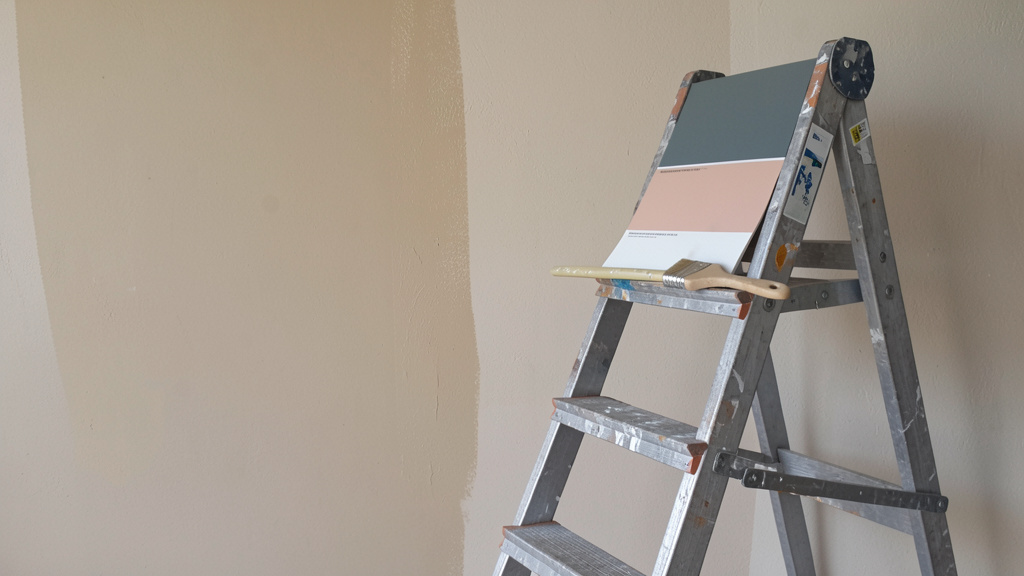
Stop guessing and start painting with confidence. This comprehensive system reduces decision fatigue and supports successful outcomes for any project—from refreshing a single accent wall to transforming your entire home.
Selecting paint seems simple until you stand in the paint aisle surrounded by countless color options, technical terminology, and conflicting advice. Choosing an unsuitable paint type may lead to premature wear in high-traffic areas, moisture-related issues in humid spaces, or unnecessary expense on premium products where simpler solutions suffice. This guide transforms paint selection from overwhelming guesswork into a structured, repeatable system grounded in material science and practical application principles. By following this framework, you can make intentional choices that support durability, aesthetic harmony, and long-term satisfaction—reducing the likelihood of repaints or regret.
Introduction
Paint serves a dual purpose: aesthetic expression and functional protection. It is engineered to withstand specific environmental conditions, surface characteristics, and usage patterns. A hallway door requires different performance properties than a kitchen ceiling or an exterior trim board exposed to weather. Yet many approach paint selection by starting with color alone, overlooking foundational factors that determine longevity and performance. Experience across residential projects indicates that repaint needs often stem from initial product mismatch rather than application technique. This isn’t a reflection of skill—it highlights the importance of a systematic approach.
This framework synthesizes established formulation principles, performance standards, and field-tested protocols used in professional painting practice. We move beyond fragmented tips (“use satin in kitchens!”) to build a decision architecture where each choice logically supports the next. You’ll understand why “bathroom paint” involves more than a label—it integrates moisture resistance, appropriate sheen, and vapor management. Why flat finishes suit textured ceilings due to light diffusion physics. Why tool selection directly impacts final appearance. This is not theoretical—it’s a practical methodology designed to bring clarity to any painting scenario. By the end, you’ll possess a mental model that transforms uncertainty into confident, context-aware decisions.
The Three-Layer Paint Selection Framework
True mastery comes from understanding the interconnected layers governing paint performance. This system functions like architectural planning: each layer informs the next, creating structural integrity for your project. Layer 1 defines your project’s non-negotiable constraints. Layer 2 translates those constraints into precise product criteria. Layer 3 ensures those specifications are executed thoughtfully. Skipping any layer risks compromising results. Mastering all three supports outcomes that look intentional, perform reliably, and align with your lived experience.
The Fundamental Principle: Paint performance issues often stem not from the product itself, but from misalignment between surface demands, environmental conditions, and product capabilities. A thoughtful system applied consistently supports lasting, satisfying results.
Layer 1: Project Assessment – Define Your Non-Negotiables
Before considering any paint product, conduct a thorough assessment of your project’s unique context. This layer addresses variables frequently overlooked in generic advice. Grab a notebook and evaluate these five dimensions:
Room Function & Traffic Patterns
High-traffic zones demand resilient finishes. Areas like door handles, hallway walls, or kitchen splash zones experience frequent contact. Map impact levels:
– Low Stress: Adult bedrooms, formal dining rooms (minimal contact)
– Medium Stress: Living rooms, home offices (occasional contact)
– High Stress: Hallways, playrooms, kitchen walls near counters, entryways
– Extreme Stress: Door frames, cabinet surfaces, stair railings, lower walls in children’s rooms
Surface Material & Condition
Adhesion depends heavily on substrate compatibility. Assess existing surfaces:
– Drywall: New drywall benefits from a sealing primer. Previously painted surfaces may require light cleaning or deglossing if glossy.
– Wood: Knots may bleed tannins—requiring a stain-blocking primer. Raw wood often needs sealing to prevent uneven absorption.
– Metal: Rust must be removed and treated with a rust-inhibiting primer. Galvanized metal may require a specialized etching primer.
– Tile/Laminate: Non-porous surfaces typically need a bonding primer formulated for adhesion.
– Existing Paint: Perform a simple adhesion check: press painter’s tape firmly onto the surface, then remove quickly. If paint lifts, surface preparation is essential. Note chalking (a powdery residue), which suggests prior UV exposure and necessitates cleaning.
Environmental Stressors
Humidity, temperature fluctuations, light exposure, and air quality influence product suitability:
– Moisture: Bathrooms, laundry areas, and basements benefit from formulations with mildew resistance. Coastal environments require UV-stable binders to reduce fading.
– Temperature: Unheated spaces like garages need flexible binders that accommodate thermal movement without cracking.
– Light: South-facing rooms intensify color fading; north-facing rooms may benefit from warmer undertones to counter cool ambient light.
– Air Quality: Households with respiratory sensitivities may prefer low-odor, low-VOC options certified by recognized programs like Green Seal or Greenguard Gold.
Existing Conditions & Constraints
Be realistic about project parameters:
– Time: Consider drying windows between coats. Some formulations require longer recoat intervals.
– Ventilation: Limited airflow favors low-odor water-based options.
– Lead Paint: Homes built before 1978 warrant caution. Use EPA-recommended testing and safe-handling practices—avoid dry sanding; consider chemical strippers and HEPA-filtered cleanup.
– Budget Allocation: Thoughtful resource distribution matters. Prioritize surface preparation materials (patching compounds, appropriate primers), followed by quality topcoats and reliable tools. Inadequate priming is a frequent contributor to adhesion issues.
Aesthetic Intent vs. Practical Reality
Pinterest-perfect finishes must align with real-world use. Ask:
– Will this surface require regular cleaning? (Higher sheens generally offer better cleanability)
– How forgiving must the finish be? (Flatter sheens conceal surface imperfections; glossier sheens highlight them)
– How does lighting interact with the finish? (Glossy surfaces may create glare under certain fixtures)
Document your findings. This assessment becomes your project reference—consult it before every subsequent decision.
Layer 2: Paint Specification – Matching Chemistry to Context
With Layer 1 complete, translate constraints into clear product criteria. This layer moves beyond marketing language to focus on functional attributes: binder type, additive packages, and performance characteristics. Think of paint as a tailored solution—carrier (water or solvent) is secondary to the solids that form the protective film.
Paint Type Deep Dive: Beyond “Latex vs. Oil”
Water-Based Paints (Acrylic)
Chemistry Simplified: Polymer particles suspended in water fuse into a flexible film as water evaporates. Modern 100% acrylic formulations generally outperform older vinyl-acrylic blends.
Why It Works: The breathable film allows moisture vapor transmission—critical for interior walls where trapped humidity can cause blistering. Flexibility accommodates substrate movement from temperature shifts.
Best Applications:
– Interior Walls/Ceilings: Suitable for most rooms; specialty formulations exist for moisture-prone areas
– Exterior Siding: Acrylic’s UV resistance and flexibility handle weather exposure and wood movement
– Previously Painted Surfaces: Bonds well to existing water-based coatings
Critical Nuance: “Latex” is a historical misnomer—no natural rubber latex is used. True 100% acrylic paints typically offer superior durability and color retention. For trim, seek “acrylic enamel” hybrids designed for harder, smoother finishes.
Regional Consideration: In humid climates, select formulations with enhanced mildew resistance. In arid regions, flexibility to handle substrate movement is key.
Common Pitfall: Using interior-grade paint outdoors. Exterior formulations contain UV stabilizers and biocides absent in interior lines—substitution risks premature failure.
Oil-Based Paints (Alkyd)
Chemistry Simplified: Resin dissolved in mineral spirits cures through oxidation, forming a hard, durable film.
Why It Works: Exceptional adhesion to challenging substrates (bare metal, previously varnished wood). Delivers a smooth, glass-like finish prized for fine trim.
Best Applications:
– Bare Wood Trim/Doors: Seals tannins and provides crisp definition
– Metal Surfaces: Bonds well with compatible rust-inhibiting primers
– High-Gloss Cabinetry: Achieves traditional depth and smoothness
Critical Nuance: Modern “alkyd” paints typically use synthetic resins, not linseed oil. All oil-based products amber slightly over time, especially over light colors. Always pair with a compatible primer.
Environmental Note: Higher VOC content necessitates good ventilation and solvent-based cleanup. Regulations regarding residential use vary by location—always verify current local requirements. Water-based alkyd hybrids now offer similar performance characteristics with lower odor and easier cleanup.
When to Avoid: Drywall (rigid film may crack with substrate movement), consistently humid rooms (non-breathable film can trap moisture), or settings where extended cure time poses practical challenges.
Specialty Paints: Targeted Solutions
Chalk-Style Paint: Mineral-based, ultra-matte finish. Bonds to many surfaces with minimal prep—ideal for furniture refreshes. Requires a protective topcoat (wax or water-based poly) for durability. Not suited for high-wear surfaces.
Milk Paint: Historic formula creating an authentic distressed look on porous wood. Unpredictable on sealed surfaces—always test first.
Epoxy Coatings: Two-part systems creating industrial-strength surfaces. Best for garage floors, workbenches, or metal requiring chemical resistance. Demands meticulous surface prep and precise mixing.
Textured Paints: Contain aggregates to mask surface flaws. Use judiciously—over-application can create uneven light reflection. Often reserved for ceilings or low-visibility walls with damage.
Magnetic Paint: Contains iron particles. Requires multiple coats beneath a topcoat. Manage expectations: holds lightweight paper items, not heavy tools. Test adhesion thoroughly.
Chalkboard/Whiteboard Paints: Create writable surfaces. Critical: Allow full cure time (typically 3–7 days) before “seasoning” (rubbing chalk sideways across the surface). Whiteboard versions require specific markers.
Sheen Science: Function Dictates Finish
Sheen is primarily a performance specification—not merely aesthetic preference. Light reflection percentage directly influences cleanability, flaw concealment, and visual perception. Below is a practical sheen comparison guide:
| Sheen Level | Light Reflection | Best For | Avoid On | Key Maintenance Tip |
|---|---|---|---|---|
| Flat/Matte | 0–5% | Ceilings, low-traffic adult bedrooms, formal dining rooms | High-touch areas, humid rooms, imperfect walls | Clean gently with a soft, dry cloth. Stains may require spot repair. |
| Eggshell | 10–15% | Living rooms, hallways, family rooms, adult bedrooms | Areas needing frequent washing | Wipe lightly with a damp microfiber cloth. Offers modest scuff resistance. |
| Satin | 25–35% | Kitchens, bathrooms, children’s rooms, doors, trim | Walls with pronounced texture (can highlight flaws) | Withstands regular cleaning. A versatile choice for most interior walls. |
| Semi-Gloss | 40–60% | Trim, doors, cabinets, window frames, moisture-prone zones | Large wall expanses (may create visual “hot spots”) | Highly scrubbable. Ideal for surfaces touched or cleaned often. |
| High-Gloss | 70–90% | Accent walls, furniture, cabinetry, statement doors | Imperfect or textured surfaces | Reveals every application detail. Requires meticulous surface prep. |
Why Sheen Misalignment Causes Issues
– Flat paint in a humid bathroom: Absorbs moisture, potentially encouraging mildew growth beneath the film. Satin or semi-gloss allows moisture to bead and wipe away.
– High-gloss on textured drywall: Amplifies surface irregularities under lighting, creating visual distraction. Flat or eggshell diffuses light softly.
– Semi-gloss on a standard ceiling: Reflects light downward harshly, potentially making a room feel smaller and emphasizing texture inconsistencies. Flat remains standard for optical comfort.
Room-by-Room Sheen Strategy
– Ceilings: Flat is standard—it hides minor imperfections, reduces glare from overhead fixtures, and creates visual height. Exception: In very bright rooms with vaulted ceilings, an ultra-matte finish may minimize shadow lines.
– Walls:
– Bathrooms: Satin is typical; semi-gloss may be preferred near showers (verify mildew resistance).
– Kitchens: Satin on walls; semi-gloss in high-splash zones. Avoid flat finishes near cooking areas.
– Children’s Rooms: Satin on lower walls (below chair rail height) for wipeability; eggshell above for softer light reflection.
– Hallways: Satin offers durability against scuffs. In narrow hallways with limited light, eggshell may reduce glare.
– Trim/Doors: Semi-gloss is standard for definition and cleanability. High-gloss creates dramatic contrast in well-lit spaces. In dimmer areas, satin trim provides a softer transition.
– Cabinets: Semi-gloss or satin (contemporary preference). High-gloss demands expert application for a brush-mark-free result.
Lighting’s Influence on Perception
Natural and artificial light dramatically alter how sheen appears:
– Recessed LED Fixtures: Create sharp shadows. Higher sheens may amplify glare on walls; eggshell often provides a more comfortable balance.
– North-Facing Rooms: Receive cool, diffuse light. Satin can add subtle warmth and depth that flat finishes lack.
– South-Facing Rooms: Experience intense direct sun. Flatter sheens help prevent hot spots, though UV-resistant formulas become more critical.
– Practical Test: View your sheen sample in the actual space at different times of day and under evening lighting. Does it create distracting reflections? Adjust before finalizing.
Color Considerations: Beyond the Swatch
Color interacts dynamically with sheen, light, and spatial perception:
– Undertones Matter: A neutral “greige” may lean pink, green, or purple. Hold large swatches against fixed elements (flooring, countertops) throughout the day. Cool undertones can feel stark in north-facing rooms; warm undertones often feel more inviting.
– Sheen Shifts Hue: Satin typically makes colors appear slightly richer and deeper than flat. Always compare swatches in the intended sheen.
– Spatial Illusion: Darker colors with flat sheens can recede visually (expanding small rooms). Lighter colors with higher sheens may advance (cozying large spaces).
– Flow Between Spaces: Carry a consistent undertone family through connected rooms (e.g., all warm neutrals). Sheen can vary by room function, but color temperature harmony supports visual continuity.
– Sample Protocol: Paint 2’x2′ patches on multiple walls. Live with them for 48 hours. Observe at dawn, noon, dusk, and under artificial light. Note your emotional response—”Does this feel calming, energizing, or claustrophobic?”
Layer 3: Application Strategy – From Surface Prep to Final Coat
Even the most suitable paint underperforms on poorly prepared surfaces. This layer bridges product selection and tangible results through methodical execution. Professionals emphasize preparation—this mindset shift is foundational.
Priming Protocol: The Essential Foundation
Primer creates the critical bond between surface and topcoat. Skipping or substituting it risks uneven coverage, poor adhesion, or stain bleed-through. Match primer type to substrate and project needs:
| Surface Challenge | Primer Type | Why It Works | Practical Tip |
|---|---|---|---|
| New Drywall | PVA or Drywall Primer | Seals porous paper face, prevents “flashing” (uneven sheen) | Thin the first coat slightly (per manufacturer) for deeper penetration |
| Stains (Water, Smoke, Ink) | Stain-Blocking Primer | Seals tannins and dyes that migrate through paint | Shellac-based dries quickly but has strong odor; oil-based may suit larger areas |
| Wood Knots | Shellac-Based Primer | Instantly seals resin that causes yellow bleed-through | Apply directly to the knot; full-wall priming usually unnecessary |
| Glossy Surfaces | Bonding Primer | Creates “tooth” for adhesion on slick surfaces like tile | Lightly sand first for mechanical grip |
| Rust on Metal | Rust-Inhibiting Primer | Converts rust to a stable compound, halts spread | Remove loose rust first; apply to all bare metal edges |
| Dark to Light Color Change | High-Hide Primer | Reduces topcoats needed; minimizes color shift | Tinting the primer toward the final color can improve coverage |
Universal Primer Practice: Always prime repairs (spackle, joint compound). Unprimed patches absorb paint differently, creating visible shadows. Feather primer application slightly beyond the repair area.
Tool Selection: Matching Instruments to Intent
Tools directly influence texture, efficiency, and final appearance. Quality tools enhance results and user experience.
Brushes
– Bristle Type:
– Synthetic (Nylon/Polyester): Ideal for water-based paints. Holds shape and releases paint smoothly.
– Natural Bristle: Designed for oil-based products only. Absorbs solvent for optimal flow. Damaged by water-based paints.
– Shape & Size:
– Angled Sash (1.5″–2.5″): Precision cutting-in for edges and trim.
– Flat Wall (3″–4″): Efficient coverage on broad, flat surfaces.
– Quality Check: Flex bristles—they should spring back promptly. Loose bristles indicate poor construction.
Rollers
– Nap Length Guide:
– 1/4″–3/8″: Smooth surfaces (properly prepared drywall, primed wood)
– 1/2″: Lightly textured walls (light orange peel)
– 3/4″–1″: Moderately textured walls (knockdown texture)
– 1.25″+: Heavy textures (stucco, deeply textured ceilings)
– Core Material: Phenolic resin cores resist swelling. Avoid cardboard cores for water-based paints.
– Fabric Type:
– Mohair: Smooth finish, suited for gloss/semi-gloss
– Lambswool: Holds more paint, ideal for flat/eggshell finishes
– Synthetic Blend: Versatile for most water-based applications
Sprayers
– HVLP (High Volume Low Pressure): Fine finish for cabinets, furniture. Minimal overspray. Usually requires paint thinning.
– Airless: Efficient for large walls or exteriors. Steeper learning curve—practice on scrap material first.
– Critical Safety: Wear appropriate respiratory protection. Mask all non-target surfaces thoroughly—overspray travels surprisingly far.
Technique Mastery: Foundational Practices
Cutting In Effectively
1. Load brush one-third up the bristles—excess paint causes drips.
2. Rest your forearm on a stable surface (ladder, shelf) for control.
3. Start slightly away from the edge, pulling smoothly toward the corner.
4. Feather the edge outward to blend seamlessly with the rolled area.
5. Work in manageable 2–3 foot sections before rolling to maintain a “wet edge.”
Rolling for Uniform Coverage
1. Pour paint into tray; roll evenly until saturated but not dripping.
2. Begin in a corner, applying paint in a “W” or “M” pattern to distribute.
3. Without reloading, fill in the pattern with vertical strokes.
4. Reload before the roller runs dry—dry rolling creates stippling.
5. Maintain a wet edge: Work top-to-bottom in consistent sections.
Spraying Responsibly
1. Thin paint per manufacturer instructions (if required).
2. Hold gun perpendicular to the surface, approximately 12 inches away.
3. Overlap passes by 50% for even coverage.
4. Move steadily—pausing causes runs; rushing causes thin spots.
5. Back-rolling sprayed walls (optional) can unify texture and eliminate stipple.
Environmental Timing Considerations
– Temperature: Most paints require application and drying within 50–90°F (10–32°C). Cold impedes film formation; heat causes rapid drying and brush marks.
– Humidity: Ideal range is typically 40–70%. High humidity slows drying and may encourage mildew; very low humidity accelerates drying, reducing leveling time.
– Ventilation: Gentle airflow aids drying but avoid strong drafts that carry dust onto wet paint. Open windows after the initial drying phase (check product guidelines).
Drying vs. Curing: Understanding the Timeline
- Dry to Touch: Varies by product (water-based: 1–2 hours; oil-based: 6–8 hours). Surface may be lightly handled.
- Recoat Time: Critical interval before applying the next coat (water-based: 4–6 hours; oil-based: ~24 hours). Applying too soon traps solvents, compromising adhesion.
- Full Cure: Paint reaches maximum hardness and washability over days or weeks (often 14–30 days). Avoid vigorous cleaning, hanging heavy items, or placing furniture against walls during this period. Humidity and temperature affect cure time—cooler, damper conditions extend it.
Troubleshooting Common Paint Challenges
Even careful projects may encounter issues. Focus on root causes to prevent recurrence.
Peeling or Flaking
Possible Cause: Inadequate surface preparation, moisture intrusion, or incompatible layers (e.g., water-based paint over unprimed oil-based paint).
Response: Remove loose material. Sand edges smooth. Address moisture sources first. Prime the entire area with a bonding primer suited to the substrate. Repaint with a compatible product.
Prevention: Clean surfaces thoroughly before painting. Prime repairs and stains. Verify compatibility between existing coatings and new products.
Blistering or Bubbling
Possible Cause: Trapped moisture (painting a damp surface) or heat causing rapid expansion (painting in direct sun).
Response: Carefully puncture blisters. Sand the area smooth. Confirm surface is dry (use a moisture meter if uncertain). Prime if staining is present. Repaint under favorable conditions.
Prevention: Avoid painting exteriors within 48 hours of rain. Test wall moisture: Tape a plastic sheet overnight—if condensation forms underneath, the wall is too damp.
Poor Coverage / Flashing
Possible Cause: Skipping primer on repairs, using low-pigment paint, or stretching paint too thin.
Response: Apply a high-hide primer to affected areas. Use quality paint with adequate solids content. Apply a second coat, maintaining a wet edge.
Prevention: Prime all patched areas. Invest in paint formulated for good coverage—higher quality often means fewer coats.
Brush or Roller Marks
Possible Cause: Paint drying too quickly (hot/dry conditions), low-quality tools, or technique issues.
Response: Lightly sand the surface. Thin paint slightly (if product allows). Work more quickly to maintain a wet edge. Upgrade tools.
Prevention: In challenging conditions, consider a paint conditioner (compatible with your paint type) to extend open time. Avoid direct sun or wind during application.
Yellowing (Especially on Light Colors)
Possible Cause: Oxidation of oil-based products; nicotine residue; lack of UV stabilizers.
Response: Sand surface lightly. Prime with a white-pigmented, stain-blocking primer. Topcoat with a quality water-based paint.
Prevention: For light-colored trim where yellowing is unacceptable, consider water-based alkyd hybrids. Avoid oil-based products in sun-exposed areas if fading/yellowing is a concern.
Mildew Growth
Possible Cause: Persistent moisture combined with organic material (dirt, lower-quality paint without biocides). Common in bathrooms or shaded exteriors.
Response: Clean with a solution of water and household bleach (follow safety precautions). Rinse thoroughly. Prime with a mildew-inhibiting primer. Repaint with a paint formulated for moisture resistance.
Prevention: Ensure adequate ventilation (e.g., exhaust fan run during and after showers). Select paints labeled for mildew resistance in humid areas. Address leaks or condensation sources.
Your Questions, Answered
Q: Can I use interior paint on an exterior door?
A: Not recommended. Exterior paints contain UV stabilizers and flexible binders designed for weather exposure, temperature swings, and moisture. Interior paint applied outdoors typically chalks, cracks, or peels prematurely. Use an exterior-grade paint formulated for doors. If the door is deeply sheltered (e.g., under a covered porch), verify if the product is rated for that specific exposure level.
Q: How do I choose paint for a bathroom with no windows?
A: Prioritize three elements: 1) A formula with mildew resistance (look for EPA-registered mildewcides on the label), 2) Satin or semi-gloss sheen to repel moisture and allow cleaning, 3) A ventilation strategy. Since natural ventilation is absent, install an exhaust fan rated for bathroom use (minimum 50 CFM) and run it during and after showers. Paint the ceiling the same sheen as walls—moisture rises. Avoid flat finishes entirely in this environment.
Q: Why does my paint look different on the wall than the sample card?
A: Multiple factors interact: lighting (time of day, fixture type), surrounding colors (adjacent walls, flooring), sheen (samples are often flat; your wall may be satin), and scale (a small swatch vs. a large wall). Always paint a large sample (2’x2′) directly on the wall. Observe it over 48 hours under varying light conditions. Hold the physical sample card next to the dried patch for accurate comparison. Note: Paint often appears slightly deeper once fully dry.
Q: Is “paint and primer in one” worth it?
A: It depends on the project. These products can work well for: repainting walls in good condition with a similar color, low-stress areas, or maintenance coats. They are generally less effective for: covering stains, drastic color changes (dark to light), sealing raw wood or knots, or problematic surfaces (glossy, metal). Dedicated primers typically have higher resin content for superior sealing and adhesion. For critical projects (new drywall, repairs, challenging substrates), separate primer remains the more reliable choice. Reserve combination products for straightforward repaints on stable surfaces.
Q: How long should I wait before hanging pictures or cleaning walls?
A: Allow at least 72 hours before light cleaning. For hanging pictures with nails: wait 7 days. For adhesive hooks: wait 14 days. Full cure (maximum hardness) takes several weeks—avoid abrasive cleaners or heavy scrubbing until then. Cooler or more humid conditions extend cure time. When uncertain, wait longer. Test cleaning in an inconspicuous area first.
Q: What’s the difference between “washable” and “scrubbable” paint?
A: These terms reflect durability levels. “Washable” (typically eggshell/satin) withstands gentle wiping with a damp cloth for light soil. “Scrubbable” (satin/semi-gloss) endures repeated scrubbing with mild detergent for tougher marks (crayon, fingerprints). Some manufacturers reference ASTM scrub test ratings: higher numbers indicate greater resistance. For high-traffic areas like children’s rooms, prioritize scrubbable formulations.
Q: Can I paint over wallpaper?
A: Proceed with caution. Only consider if: wallpaper is firmly adhered (no bubbles or peeling), is not vinyl-coated (vinyl repels paint), and you apply an oil-based or dedicated wallpaper primer first to seal. Steps: Clean surface. Repair loose seams. Prime entire wall with an oil-based primer (seals paper and prevents moisture reactivation). Lightly sand primer. Apply quality topcoat. Warning: Moisture from paint can reactivate paste, causing bubbling later. Complete removal is often the most durable long-term solution.
Q: How do I calculate how much paint I need?
A: Measure wall dimensions. Calculate total area: (Perimeter × Height) minus areas of windows and doors. One gallon typically covers 350–400 sq ft under ideal conditions. Adjust for:
– Surface texture: Heavy texture may reduce coverage by 15–25%
– Color change: Dark to light may require additional coats
– Paint quality: Premium paints often have better coverage
Formula: (Total Sq Ft ÷ Coverage per Gallon) × Estimated Coats × 1.1 (for waste). Purchase all paint at once to avoid batch variations. Store leftover paint properly (seal tightly, store upside down) for future touch-ups.
Q: Are zero-VOC paints as durable as conventional paints?
A: Technology has advanced significantly. Many modern zero-VOC paints certified by Green Seal GS-11 or Greenguard Gold now offer durability comparable to conventional options for most residential uses. Early formulations had limitations, but current products are rigorously tested. For high-wear areas (trim, cabinets), select zero-VOC paints explicitly engineered for durability. Verify performance claims on the technical data sheet. Certification provides more reliable assurance than marketing terms alone.
Q: Why does my newly painted room smell days later?
A: Lingering odor may stem from: inadequate ventilation during/after painting, use of higher-VOC products in enclosed spaces, or paint applied too thickly. Solution: Increase airflow (fans exhausting outward), use a dehumidifier if humidity is high, and place bowls of activated charcoal. For water-based paints, odor should diminish significantly within 48 hours with good airflow. If odor persists beyond 72 hours, check for trapped paint behind outlet covers or in wall cavities. Prevention: Choose low-odor formulations, maintain cross-ventilation for several days post-application, and follow manufacturer thinning guidelines.
Q: How does season affect exterior painting?
A: Seasonal conditions critically impact results. Ideal exterior painting occurs during mild, dry weather (typically spring or fall in many climates). Avoid:
– High Heat/Sun: Causes rapid drying, poor leveling, and potential blistering. Paint in shaded areas first.
– High Humidity/Rain: Slows drying, risks mildew, and prevents proper film formation. Check forecast for 48+ hours of dry weather.
– Cold Temperatures: Most paints require surface and air temperatures above 50°F (10°C) during application and drying. Cold causes poor adhesion and film defects.
– Wind: Carries dust and debris onto wet paint. Always check the specific product’s temperature and humidity guidelines—they vary by formulation.
Q: What should I do if I notice brush marks after the paint dries?
A: Light brush marks on flat or eggshell finishes are often acceptable and may soften with a second coat. For noticeable marks: lightly sand the area with fine-grit sandpaper once fully dry, wipe away dust, and apply another coat—ensuring adequate paint load on the brush and maintaining a wet edge. In future projects, consider a paint conditioner (compatible with your paint type) to extend leveling time, use higher-quality brushes, and avoid painting in direct sun or windy conditions.
Conclusion and Your 24-Hour Action Plan
Paint selection mastery stems from adopting a systematic mindset. You now have a framework to transform uncertainty into clarity: assess constraints objectively (Layer 1), translate needs into precise specifications (Layer 2), and execute with methodical care (Layer 3). This approach supports informed decisions that balance aesthetics, function, and longevity. Remember the core insight: paint is an engineered solution. Aligning the solution to your specific context increases the likelihood of satisfying, durable results.
Recap: The 3 Foundational Practices
1. Assess before selecting: Complete the Layer 1 evaluation before considering color or product.
2. Match sheen to function: Choose reflectivity based on surface demands, lighting, and maintenance needs—not solely preference.
3. Honor preparation: Surface readiness and appropriate priming significantly influence long-term performance.
The 24-Hour Rule
Before purchasing paint:
1. Complete the Layer 1 assessment for your specific project.
2. Paint two 2’x2′ samples of your leading color/sheen choice directly on the wall.
3. Observe them over 24 hours—at dawn, noon, dusk, and under evening lights.
4. Only after this validation, proceed to purchase. This small step prevents significant disappointment.
The Bigger Perspective
Your home is a dynamic environment. Paint choices influence daily ease, emotional comfort, and long-term stewardship. A thoughtfully selected finish in a child’s room simplifies cleanup. A durable exterior coating protects structural elements. A harmonious color flow enhances spatial tranquility. This system empowers choices that serve your life authentically—not fleeting trends. You’ve moved beyond “what color” to “what solution.” Carry this intentionality forward. The surfaces you refresh today become the quiet backdrop of tomorrow’s moments—make them resilient, harmonious, and truly yours.
Explore Our Complete Painting System:
The Ultimate Guide to Flawless Wall Preparation | Trim Painting Mastery: Crisp Lines Every Time | Color Psychology for Home Harmony | Exterior Painting: Climate-Specific Strategies | Sustainable Painting: Eco-Friendly Products & Practices | Advanced Techniques: Faux Finishes and Accent Walls | Paint Storage and Touch-Up Protocols