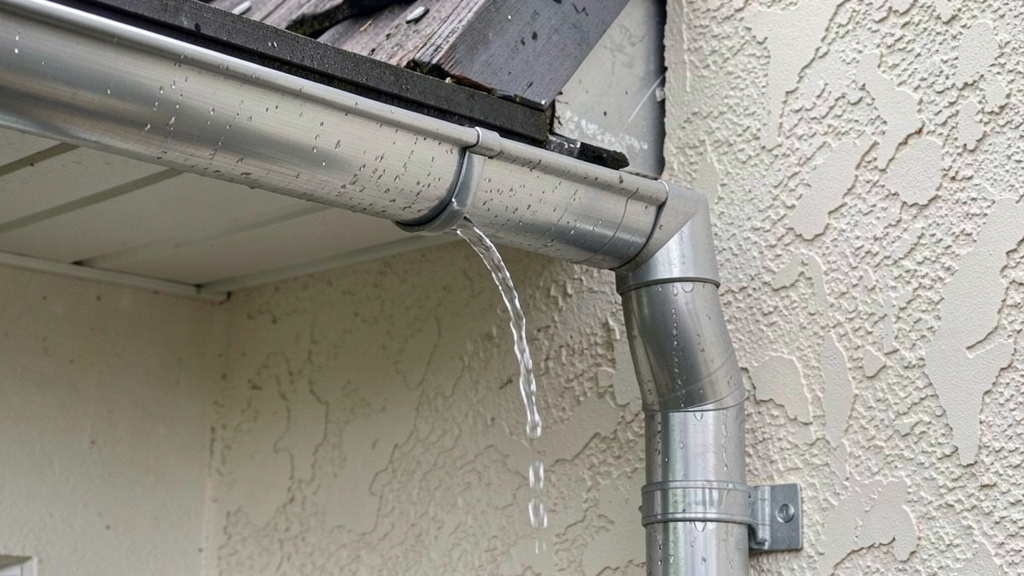
Stop Guessing and Start Protecting: A Step-by-Step Framework to Calculate, Choose, and Install a Gutter System Designed for Your Local Weather Conditions—While Avoiding Common Mistakes
Your gutter system serves as a vital component of your home’s drainage network, guiding runoff away from foundations, siding, landscaping, and structural elements. Yet many systems are installed using generalized advice rather than site-specific considerations. The result can include overflow during moderate rainfall, premature wear at seams, sagging sections, or seasonal complications like ice accumulation. This comprehensive guide provides a structured, physics-informed methodology for designing, sizing, and installing a gutter system aligned with your roof geometry, regional climate patterns, debris exposure, and long-term performance goals. We integrate widely recognized drainage principles, material science considerations, and field-tested installation practices—transforming uncertainty into informed decision-making through clear calculations, adaptable frameworks, and precision-focused techniques.
Introduction: Why Thoughtful Gutter Design Matters
Water follows predictable paths. Rainfall contacting your roof must be efficiently captured and redirected. Without controlled drainage, runoff can erode soil near foundations, saturate exterior walls, stain siding, create slip hazards, or contribute to moisture-related deterioration of fascia, soffits, and structural framing. While water damage manifests in many forms, proactive gutter design addresses these risks at the source.
Effective gutter planning operates at the intersection of roof geometry, local weather patterns, material properties, and installation precision. Consider two homes with similar roof footprints: one in a region experiencing brief, intense rainfall events; another beneath dense tree cover where organic debris accumulates regularly. A standardized solution may underperform in both scenarios. The first may require enhanced downspout capacity to manage peak flow; the second benefits from debris-conscious profiles and maintenance-aware design. Similarly, roof pitch influences water velocity and concentration at the eaves—steep slopes demand closer hanger spacing and careful slope calibration compared to shallow roofs.
This guide moves beyond fragmented checklists. We present a repeatable framework grounded in observable principles and widely accepted standards. You will learn to assess your roof’s effective drainage area (accounting for pitch), reference localized rainfall data, select materials suited to your environment, and implement installation practices where every component serves a deliberate hydraulic purpose. Whether you are a homeowner preparing for a project, a tradesperson expanding expertise, or someone seeking to evaluate professional recommendations with greater confidence, this resource supports informed choices that contribute to long-term system performance. The reassurance of observing runoff move cleanly away from your home during rainfall reflects the value of intentional design.
The Triple-Layer Defense Framework: Building Resilience Through Integrated Design
Rather than treating gutters as isolated components, resilience emerges when three interdependent layers align: Hydraulic Precision (Layer 1: sizing for actual water volume), Material Intelligence (Layer 2: selecting components suited to environmental stressors), and Installation Integrity (Layer 3: executing with structural and hydraulic care). Compromising any layer risks overall performance. A correctly sized gutter may overflow if downspouts are undersized; premium materials may degrade prematurely with incompatible fasteners; meticulous assembly cannot compensate for inadequate slope. This framework ensures each layer receives deliberate attention. We begin with the foundational calculations that inform every subsequent decision.
Layer 1: Understanding Your Roof’s Water Volume — Principles of Sizing
Sizing gutters involves applied hydrology—not matching neighbors or selecting arbitrarily. The objective: ensure the combined capacity of gutters and downspouts accommodates expected peak rainfall intensity for your location, multiplied by the roof area draining to each gutter section. Under-sizing risks overflow; significant over-sizing may introduce unnecessary cost or visual bulk. We break this into three practical steps.
Step 1: Assess Your Roof’s Effective Drainage Area
A roof’s physical footprint differs from its hydraulic drainage area. Water flows down the slope, concentrating volume at the eaves. Steeper pitches increase velocity and effective load on the gutter below. We adjust using a Roof Pitch Multiplier:
| Roof Pitch (Rise:Run) | Approx. Angle | Multiplier | Practical Insight |
|---|---|---|---|
| 3:12 (Low Slope) | ~14° | 1.05 | Minimal concentration effect |
| 4:12 (Standard) | ~18.5° | 1.06 | Common for many residential styles |
| 6:12 (Moderate) | ~26.5° | 1.12 | Noticeable increase in eave concentration |
| 8:12 (Steep) | ~33.5° | 1.20 | Significant concentration; warrants attention |
| 12:12 (Very Steep) | ~45° | 1.41 | Maximum concentration effect |
How to apply this:
1. Sketch your roof plan. Divide into simple rectangles (front, back, sides).
2. For each section: Length (ft) × Width (ft) = Section Area.
3. Sum sections draining to a single gutter run (critical: gutters handle only the area above them).
4. Multiply that section’s area by its Pitch Multiplier.
Example: A 40-ft gutter run collects water from a roof section 25 ft wide with a 6:12 pitch.
Section Area = 40 ft × 25 ft = 1,000 sq ft
Effective Drainage Area = 1,000 sq ft × 1.12 = 1,120 sq ft
Why this step matters: Ignoring pitch can lead to underestimating hydraulic load. Industry experience indicates that overlooking pitch adjustment is a frequent contributor to system underperformance. Always size each gutter run based solely on the roof area feeding into it. Valleys (where two roof planes meet) require special consideration—addressed later.
Step 2: Reference Local Rainfall Intensity Data
“Average annual rainfall” does not inform gutter capacity. What matters is peak intensity—the maximum inches of rain per hour your area may experience during significant storms. This publicly available data anchors sizing in local conditions.
- Consult the NOAA Atlas 14 Precipitation Frequency Data Server (search “NOAA Atlas 14”).
- Enter your state and county.
- Select “2-Year Storm Event” for standard residential planning (covers most typical heavy storms). For added margin in vulnerable settings (e.g., homes on slopes, with known drainage sensitivities), “10-Year Storm Event” data may be referenced.
- Note the value in inches per hour (e.g., values commonly range from ~1.5 to over 4.0 in/hr across U.S. regions).
Contextual note: Coastal or mountainous regions may experience localized intensification. If you reside in an area prone to tropical systems or orographic rainfall, consulting local building department resources can provide supplementary guidance. Adding a modest capacity buffer (e.g., 15–20%) in such contexts is a reasonable precaution.
Why this step matters: A system designed for lower-intensity regions may struggle in areas with higher peak rainfall. Conversely, excessive sizing where unnecessary adds cost without proportional benefit. Localized data replaces guesswork with relevance.
Step 3: Determine Required Capacity and Component Selection
Combine Steps 1 and 2 using the standard industry formula:
Required Capacity (gallons per minute) = (Effective Drainage Area × Rainfall Intensity) ÷ 96.15
(The constant 96.15 converts sq ft × in/hr to GPM based on water volume physics)
Example Calculation:
– Effective Drainage Area: 1,120 sq ft
– Local Rainfall Intensity (2-year storm): 3.2 in/hr
– Required Capacity = (1,120 × 3.2) ÷ 96.15 ≈ 37.3 GPM
Refer to the Gutter Capacity Reference Table to select appropriate components. When in doubt, select the next standard size up.
| Gutter Type | Size (Width) | Approx. Capacity (GPM)* | Typical Drainage Range (sq ft)† | Common Applications |
|---|---|---|---|---|
| K-Style | 5-inch | ~5.6 GPM | Up to 600 sq ft | Small structures, low-pitch roofs in drier zones |
| 6-inch | ~7.9 GPM | 600–1,200 sq ft | Most single-family homes | |
| 7-inch | ~11.0 GPM | 1,200–1,800+ sq ft | Large homes, steep roofs, high-rainfall areas | |
| Half-Round | 5-inch | ~4.8 GPM | Up to 500 sq ft | Historic aesthetics, light-debris zones |
| 6-inch | ~6.8 GPM | 500–1,000 sq ft | Moderate climates, specific architectural styles | |
| 7-inch | ~9.5 GPM | 1,000–1,600+ sq ft | High-volume needs, large sections | |
| Downspouts | 2×3 inch | ~12 GPM | Pairs with smaller gutters | Limited-space applications |
| 3×4 inch | ~32 GPM | Pairs with 6-inch gutters | Standard residential recommendation | |
| 4×5 inch | ~50+ GPM | Pairs with 7-inch gutters | High-volume zones |
*Capacity per linear foot of gutter; actual system capacity depends heavily on downspout sizing and count.
†Based on moderate rainfall intensity; adjust using your calculated GPM requirement.
Continuing the example: Required capacity = 37.3 GPM.
– A single 3×4 downspout handles ~32 GPM—potentially insufficient under peak conditions.
– Solution: Install two 3×4 downspouts on this run (combined capacity ~64 GPM), OR one 4×5 downspout (~50+ GPM).
– Gutter size: 6-inch K-style is generally suitable when paired with adequate downspout capacity. The gutter channel rarely fails first; downspout limitations commonly cause backup.
Key considerations:
– Downspouts are often the bottleneck. A common guideline suggests one 3×4 downspout per 30–40 feet of 6-inch gutter in moderate climates; reduce spacing to 25–30 feet in higher-rainfall regions or on steep roofs. For a 40-ft run in a higher-intensity zone, two downspouts are typically advisable.
– Debris factor: In areas with significant leaf or needle fall, consider increasing downspout capacity by 20–25% to provide buffer against partial blockages.
– Metric note: International readers may convert: 1 sq ft ≈ 0.093 sq m; 1 inch/hr ≈ 25.4 mm/hr. Equivalent metric capacity tables are available from regional suppliers.
The Fundamental Principle: Gutter performance depends on the entire drainage circuit—gutter channel, downspouts, and discharge path—functioning as a balanced system. The component with the lowest effective capacity determines overall performance.
Layer 2: Selecting Materials Aligned With Your Environment and Goals
Material choice influences longevity, maintenance needs, aesthetics, and lifecycle value. A lower-initial-cost system requiring frequent replacement may exceed the long-term cost of a durable option. Evaluate materials through four lenses: Environmental Resistance (corrosion, UV exposure, temperature shifts), Structural Properties (weight, rigidity, thermal movement), Debris Interaction (surface smoothness, seam vulnerability), and Lifecycle Considerations (installation complexity, upkeep, expected service life). The table below reflects widely observed performance patterns.
| Material | Typical Thickness/Gauge | Advantages | Limitations | Well-Suited For | Expected Service Life* | Important Notes |
|---|---|---|---|---|---|---|
| Aluminum | 0.027″ (Standard) 0.032″ (Heavy-Duty) |
Lightweight, corrosion-resistant, color options, DIY-friendly | Can dent; seams require proper sealing | Most climates; versatile residential choice | 20–30+ years | Use stainless steel or aluminum fasteners. Avoid direct contact with copper roofs. |
| Galvanized Steel | 26–24 gauge | Strong, dent-resistant, traditional appearance | Heavier; prone to rust at cuts/scratches; limited colors | Dry climates; historic districts requiring authentic look | 15–25 years | Seal cut edges promptly. Inspect periodically for corrosion. |
| Copper | 16–20 oz | Very durable, develops protective patina, recyclable, elegant | Higher initial cost; requires skilled installation; initial runoff may stain light surfaces | Coastal areas (salt air resistance); historic homes; high-end projects | 50–100+ years | Use copper or stainless fasteners. Allow time for patina stabilization. |
| Zinc | 0.7–0.8mm | Self-healing patina, low maintenance, modern aesthetic | Higher cost; requires professional installation; softer surface | European-style architecture; eco-conscious builds; moderate climates | 80–100 years | Avoid contact with dissimilar metals. Requires specialized joining techniques. |
| Vinyl (PVC) | Rigid sections | Low initial cost; no rust; simple assembly | Can become brittle in extreme cold; significant thermal expansion; UV degradation over time | Mild climates; temporary structures; budget-conscious projects | 10–20 years | Allow expansion gaps at joints. Avoid in regions with heavy snow/ice loads. |
| Stainless Steel | 26–24 gauge | Exceptional strength and corrosion resistance; modern appearance | Highest material cost; challenging DIY installation | Coastal zones (salt spray); high-wind areas; commercial applications | 40–70+ years | Requires stainless fasteners. Professional installation often recommended. |
*Service life varies significantly based on local conditions, installation quality, and maintenance.
Understanding Thickness & Gauge:
– Aluminum: 0.027″ is common retail grade. For hail-prone areas, heavy debris zones, or longer unsupported spans, 0.032″ “heavy-duty” offers greater rigidity and resistance to sagging.
– Steel: Lower gauge number = thicker metal (e.g., 24-gauge is thicker than 26-gauge). Thicker gauges generally provide longer service life but increase weight.
– Insight: Material thickness often impacts structural performance more than base material type. Heavy-duty aluminum frequently outperforms thin steel in real-world durability due to superior corrosion resistance.
Style Consideration: K-Style vs. Half-Round
– K-Style (Ogee): Features a flat back and decorative front profile resembling crown molding. Holds slightly more water than half-round of equivalent width. Modern seamless options minimize seams. Common choice for residential applications due to capacity and versatility.
– Half-Round: Smooth, rounded interior profile. Fewer crevices for debris accumulation. Typically requires visible external brackets. Preferred for historic restoration, specific architectural styles, or areas where debris slides easily (e.g., pine needles). Note: May require a larger nominal size to match K-style capacity.
Fastener and Hanger Compatibility
Material selection is undermined by incompatible fasteners. Galvanic corrosion can occur when dissimilar metals contact in the presence of moisture:
– Aluminum gutter + steel screw = accelerated corrosion at contact points.
– Copper gutter + aluminum hanger = potential deterioration.
Guideline: Fasteners and hangers should match the gutter material or be non-reactive stainless steel (304 grade minimum; 316 recommended for coastal installations). Hidden hangers (slotted into the gutter lip) generally distribute weight more evenly than spike-and-ferrule systems and help preserve fascia integrity—often recommended for new installations.
Regional Material Guidance:
– Cold/Snow-Prone Regions: Heavy-duty aluminum or copper. Avoid vinyl due to cold-weather brittleness. Prioritize slope accuracy and consider ice-mitigation strategies.
– Humid/Forested Areas: Aluminum or copper for corrosion resistance. Evaluate gutter guards suited to local debris types (e.g., oak leaves vs. pine needles).
– Arid/Sunny Climates: Aluminum, steel, or zinc. Ensure finishes include UV inhibitors. Account for thermal expansion in material selection and installation.
– Coastal Environments: Copper, zinc, marine-grade stainless steel, or aluminum with premium coastal-rated coatings. Standard galvanized steel is generally not recommended.
– High-Debris Zones: Smooth-interior profiles (copper, zinc, heavy-gauge aluminum). Avoid textures where debris may catch.
Layer 3: Installation Practices for Long-Term Performance
Even optimally sized, premium materials underperform if installed without attention to slope, support, and sealing. This layer transforms components into a unified system. We follow a logical sequence: preparation → layout → hanger placement → assembly → downspout integration → verification. Safety is foundational to every phase.
Safety First: Foundational Practices
- Ladder Safety: Use a ladder rated for your weight plus tools. Extend at least 3 feet above the work area. Place on stable, level ground; use levelers on slopes. Maintain three points of contact (two hands and one foot, or two feet and one hand). Reposition the ladder frequently rather than overreaching.
- Fall Awareness: For work above 6 feet or on steep roofs, consider fall protection anchored to a certified point. Safety guidelines exist to prevent serious injury.
- Conditions: Avoid installation during rain, high winds, or icy conditions. Wet surfaces increase slip risk; wind affects ladder stability.
- Personal Protection: Wear cut-resistant gloves when handling metal edges. Use eye protection. Keep a first-aid kit accessible.
Note: Many installation-related injuries occur during setup or positioning. Taking time to establish a secure workspace is a critical investment.
Phase 1: Preparation and Layout — Planning on the Structure
- Fascia Assessment: Remove existing gutters. Inspect fascia boards thoroughly for softness, rot, or damage (probe gently with a screwdriver). Repair or replace compromised sections before installing new gutters. Sound fascia is essential for secure attachment.
- Establish Slope: Gutters require a slight downward slope toward the downspout—typically 1/4 inch of drop per 10 feet of run. Too flat may cause pooling; too steep affects appearance and capacity.
- Method: At the downspout location, mark the desired gutter height (usually 1/2–1 inch below the roof’s drip edge). At the opposite end of the run, calculate the required drop: (Run Length ÷ 10) × 0.25″. For a 40-ft run: (40 ÷ 10) × 0.25 = 1 inch drop. Mark this point 1 inch lower. Snap a chalk line between marks.
- Adaptation: For runs exceeding 40 feet, slope downward from a high point in the center toward downspouts at both ends. This avoids excessive drop at one terminus.
- Mark Hanger Locations: Space hangers 24–36 inches apart. Use closer spacing (24″) for heavier materials (copper, steel), long runs (>30 ft), snow-prone areas, or softer fascia wood. Wider spacing (36″) may suffice for aluminum on shorter runs in mild climates. Mark each location.
- Plan Downspout Paths: Route downspouts away from foundations, walkways, windows, and utility equipment. Plan for extensions or splash blocks to direct water discharge at least 6 feet from the foundation.
Phase 2: Hanger Installation — Creating a Stable Foundation
- Hidden Hangers (Preferred): Typically installed after gutter placement. Drill pilot holes through hanger into fascia. Secure with appropriately sized stainless steel screws (length should engage solid wood, ideally the rafter tail). Verify alignment with the chalk line.
- Spike-and-Ferrule (Legacy): Drive spike through a metal ferrule sleeve into fascia. Less adjustable and may split wood over time. Generally not recommended for new installations unless fascia is exceptionally solid hardwood and no alternative exists.
- Verification Step: After installing the first and last hanger, stretch a mason’s line between them. Confirm all intermediate marks align before proceeding.
Phase 3: Gutter Assembly and Sealing — Ensuring Continuity
- Cutting: Use a fine-tooth metal blade (miter saw or hacksaw). Cut corners at 45-degree angles. Dry-fit sections before final assembly.
- Seaming (Critical Junction):
- Clean mating surfaces with isopropyl alcohol.
- Apply butyl rubber sealant (preferred over standard silicone for its flexibility, adhesion to damp surfaces, and temperature resilience).
- Join sections firmly. Wipe away excess sealant.
- For added security on long runs or high-stress areas: drill two small holes through the seam and install compatible pop rivets (aluminum rivets for aluminum gutters; stainless for copper/zinc).
- End Caps: Apply sealant to the interior mating edge before attachment. Secure firmly with rivets or screws.
- Mounting: Lift the gutter onto hangers. For hidden-hanger systems, snap the gutter lip into place. Re-check alignment with the chalk line and verify slope at multiple points using a level.
Phase 4: Downspout Integration — Completing the Pathway
- Outlet Placement: Mark and cut the outlet hole in the gutter bottom at the planned location. File sharp edges smooth.
- Elbow Positioning: Attach the top elbow so it directs flow cleanly toward the downspout path—avoid sharp bends that restrict water movement.
- Downspout Assembly:
- Measure and cut vertical sections. Join with sealant and rivets or manufacturer-recommended clips.
- Secure to the wall with downspout straps every 6–8 feet using stainless steel screws.
- Attach a discharge extension (rigid or flexible) to carry water away from the foundation.
- Discharge Management: Place a splash block under the outlet or direct flow into a gravel-filled absorption area to reduce soil erosion.
Phase 5: Final Verification — A Practical Checklist
Before concluding, conduct a brief system check:
1. Slope Test: Pour a few gallons of water at the high end of the gutter. Observe smooth flow to the downspout with no pooling.
2. Seam Inspection: Visually and gently trace seams—no visible gaps or excess sealant squeeze-out.
3. Hanger Security: Apply light downward pressure midway between hangers; minimal deflection should occur.
4. Downspout Path: Confirm no kinks or sharp bends restricting flow.
5. Clearance: Gutter sits 1/2–1 inch below the roof edge; no contact with shingles.
6. Discharge Distance: Water exits at least 6 feet from the foundation; path is unobstructed.
7. Fastener Check: All screws are tight; no exposed dissimilar metals in contact.
8. Debris Flow (Optional): Drop a few leaves into the gutter—do they move toward the downspout?
9. Visual Alignment: Step back—does the gutter line appear straight and consistent?
10. Workspace Cleanup: Remove tools, debris, and ladder safely.
Addressing Common Installation Observations:
– Sagging Between Hangers: May indicate spacing too wide for the material/span or compromised fascia. Solution: Add intermediate hangers; repair fascia if needed.
– Leaking Seam: Often due to insufficient sealant, poor joint fit, or sealant failure. Solution: Clean thoroughly, reapply butyl sealant, consider adding rivets.
– Water Behind Gutter: Gutter positioned too low below shingles. Solution: Rehang higher; ensure roof has a drip edge flashing directing water into the gutter.
– Downspout Clogging at Elbow: Sharp 90° bends trap debris. Solution: Replace with two 45° elbows for a smoother transition.
– Staining Below Discharge: Water contacting the wall. Solution: Extend the discharge point further away from the structure.
Addressing Complex Roof Scenarios: Valleys, Steep Pitches, and Debris Challenges
Standard roof sections represent one scenario. Real-world architecture introduces hydraulic complexities requiring tailored approaches. Proactive planning prevents chronic problem areas.
Valley Roofs: Managing Converging Flow
Valleys (intersections of two roof planes) concentrate runoff into a narrow channel, significantly increasing volume and velocity at the discharge point. Standard sizing calculations may be insufficient.
- Adjusted Sizing Approach: Multiply the combined effective drainage area of both converging roof sections by approximately 1.5x to account for convergence effects.
Example: Two roof sections (each with 500 sq ft effective area after pitch adjustment) meet at a valley draining to one gutter run.
Adjusted Area = (500 + 500) × 1.5 = 1,500 sq ft
Recalculate required capacity using this adjusted area—this often indicates a larger gutter size (e.g., 7-inch) and/or additional downspout capacity. - Installation Considerations:
- Install a valley deflector (metal or durable plastic diverter) 6–12 inches above the gutter inlet. This disrupts the concentrated water sheet, reducing splash potential and directing flow more gently into the gutter.
- Position a downspout as close as practical to the valley discharge point. Avoid allowing valley runoff to travel far along the gutter run.
- Use reinforced hanger spacing (e.g., 18-inch intervals) for several feet on either side of the valley inlet to support higher dynamic loads.
- Cold Climate Note: In snow-prone areas, valleys are common ice dam locations. Integrating heat cables beneath the valley deflector and into the gutter/downspout can help maintain an open channel during melt cycles. (Addressing the root cause—attic insulation and ventilation—is equally important.)
Steep-Pitch Roofs (>10:12): Managing Higher Velocity
Water accelerates significantly on steep slopes, increasing impact force at the gutter.
- Adaptive Strategies:
- Consider Oversizing: Stepping up one gutter size (e.g., 7-inch instead of 6-inch) provides greater capacity and depth.
- Increase Downspout Density: Place downspouts every 20–25 feet of gutter run to reduce travel distance for high-velocity flow.
- Splash Management: Install small, vertical splash guards (1–2 inches high) inside the gutter at the point of runoff impact to break the water sheet and minimize splash-out.
- Extended Elbows: Use downspout elbows that extend slightly (4–6 inches) into the gutter channel to capture flow before it overshoots.
- Important Consideration: For roofs exceeding 12:12 pitch, consult local building resources or a qualified professional. Dynamic loads and installation safety require careful evaluation.
High-Debris Environments: Designing for Manageability
If your roof is shaded by trees producing leaves, needles, or seeds, integrate debris management into the core design.
- Gutter Profile Selection: Smooth interior surfaces (copper, zinc, heavy-gauge aluminum) allow debris to move more freely than textured or ribbed interiors. Half-round profiles may facilitate debris passage in some cases.
- Slope Adjustment: A slightly steeper slope (e.g., 5/16 inch per 10 feet) can encourage water to carry light debris toward downspouts.
- Downspout Protection: Install mesh screens or vortex filters at the top of downspouts to catch larger debris before it enters the vertical pipe (where blockages are harder to clear). Plan for periodic inspection and cleaning of these filters.
- Guard Integration (See Next Section): Select guard types matched to your specific debris profile. No system is entirely maintenance-free, but the right choice reduces cleaning frequency.
- Maintenance Planning: Schedule inspections before and after peak debris seasons (e.g., spring bloom, autumn leaf fall). Keep basic cleaning tools accessible for quick interventions after storms.
Supporting Systems: Guards, Ice Management, and Sustainable Maintenance
Accessories like guards or heat cables extend functionality but introduce new variables. Choosing thoughtfully prevents false confidence or unintended complications. We evaluate options based on physics and practical experience.
Gutter Guard Systems: Types, Realities, and Selection Guidance
Guards aim to reduce debris entry while permitting water flow. No solution eliminates all maintenance, but the right choice significantly reduces cleaning frequency. Selection should align with your primary debris type and roof characteristics.
| Guard Type | Mechanism | Best Suited For | Limitations | Installation Notes | Relative Cost Range |
|---|---|---|---|---|---|
| Reverse Curve (Surface Tension) | Water adheres to curved surface into gutter; debris falls off | Large, dry leaves (oak, maple); steeper roof pitches | Less effective with fine debris (pine needles, seeds); requires precise slope alignment | Must match roof pitch closely for optimal performance | Higher |
| Fine Mesh | Stainless steel mesh filters debris; water passes through perforations | Mixed debris types; versatile across many conditions | Mesh surface may require periodic brushing; can dent if impacted | Ensure frame is securely fastened; check water entry during testing | Moderate |
| Bottle Brush | Foam or bristle insert sits within gutter | Very light debris zones; temporary solutions | Reduces gutter capacity; compresses over time; retains moisture against gutter | Simple insertion; replace annually if compressed | Lower |
| Solid Cover (Perforated) | Solid top with small slots; debris slides off | Large leaves; moderate pitches | Slots may clog with fine debris; water may overshoot if misaligned | Critical to verify water entry during post-installation test | Moderate |
| Open Gutter (No Guard) | N/A | Very low debris areas (desert, cleared lots) | Requires regular cleaning; vulnerable to nests, ice dams | N/A | None |
Selection Framework:
1. Identify Primary Debris:
– Pine needles/fine seeds → Fine mesh (with commitment to occasional mesh cleaning) or accept open gutter with scheduled cleanings. Avoid reverse curve.
– Large leaves → Reverse curve or solid cover may perform well.
– Mixed debris → Fine mesh often offers the most balanced performance.
2. Consider Roof Pitch:
– Low pitch (<4:12) → Reverse curve relies on pitch for debris shedding; mesh or solid cover may be more reliable.
– Steep pitch (>8:12) → Reverse curve typically functions effectively.
3. Assess Maintenance Willingness:
– All guards require some attention. Fine mesh shifts maintenance to the mesh surface; reverse curve requires checking the top surface. Clarify expectations upfront.
4. Budget Context:
– Reverse curve systems often represent a significant investment. High-quality fine mesh can deliver strong performance at a more accessible price point for many homeowners.
Critical Post-Installation Step for Guards:
After installation, perform a Water Flow Test: Pour water steadily at multiple points along the gutter. Does water enter the gutter cleanly, or does it overshoot the guard and run down the fascia? Adjust guard alignment immediately if overshooting occurs.
Important: Guards may slightly reduce effective gutter capacity. When installing guards, ensure your base gutter/downspout system has a modest capacity buffer (e.g., select the next size up or add an extra downspout) to compensate.
Ice and Snow Considerations: Prevention and Management
Ice dams form when snow melts on warmer upper roof sections and refreezes at colder eaves, blocking drainage. Gutters don’t cause ice dams but can be affected by them. Management involves multiple layers.
- Heat Cable Integration (Symptom Management):
- Install self-regulating heat cables in a zig-zag pattern along the lower roof edge (starting 2–3 feet up) and through the gutter and downspout.
- Install cables before winter weather arrives. Never attempt installation on icy or snow-covered roofs.
- Connect to a GFCI-protected outlet. Use a thermostat or timer to activate only during freezing precipitation or near-freezing temperatures.
- Crucial Context: Heat cables address symptoms. The most effective long-term strategy involves improving attic insulation and ventilation to minimize heat loss that creates the melt-refreeze cycle.
- Gutter-Specific Practices in Cold Climates:
- Ensure precise slope to prevent standing water, which freezes more readily.
- In heavy snow zones, some installers prefer strap-style hangers over hidden hangers, allowing slight upward movement if ice expands.
- Avoid chemical de-icers inside gutters—they can corrode metals and harm landscaping. If absolutely necessary, use calcium chloride pellets sparingly.
- After snowfall, gently remove heavy snow accumulation from gutters using a plastic scoop to reduce load.
A Sustainable Maintenance Rhythm: Inspection and Care
Consistent, light maintenance preserves performance and extends system life. Integrate these practices into your seasonal routine:
- Spring: Inspect for winter wear. Check seams, hangers, and downspouts. Clear flower petals or seed pods. Verify slope hasn’t shifted.
- Summer: Ensure downspout discharge paths are clear. Trim overhanging branches (maintain 6+ feet clearance). Test flow with a hose before peak storm season.
- Fall: Clean gutters before heavy rains or snow. Remove leaves, twigs, and nests. Inspect guard systems for clogs. Check for animal entry points.
- Winter: Clear remaining debris before freeze-up. Verify heat cable functionality (if installed). After significant snow, gently remove buildup from gutters.
- During Rainfall (Any Season): Observe system performance. Note any splashing, pooling, or overflow. Address observations promptly.
- Essential Toolkit: Telescoping gutter scoop, garden hose with spray nozzle, cut-resistant gloves, small hand trowel, safety glasses. For guards: soft-bristle brush for mesh cleaning.
Troubleshooting Common Observations: A Diagnostic Approach
When issues arise, systematic diagnosis leads to effective solutions. Use this guide to identify likely causes and responses.
Observation: Water Overflowing During Moderate Rainfall
- Potential Causes (in typical order):
- Downspout Blockage: Most frequent cause. Debris obstructs the vertical pipe. Check: Pour water into gutter near downspout inlet—does it pool? Response: Clear blockage from bottom up; remove elbow if needed for access.
- Insufficient Downspout Capacity: System may be undersized for the drainage area or local rainfall intensity. Check: Review sizing calculations from Layer 1. Response: Add an additional downspout on the affected run.
- Slope Issue: Water isn’t flowing efficiently to the downspout. Check: Look for standing water after rain; verify slope with a level. Response: Adjust hanger heights to restore proper slope.
- Gutter Debris Buildup: Reduces effective channel capacity. Check: Visible accumulation. Response: Clean thoroughly; evaluate if guard system is appropriate and functioning.
- Insight: Overflow localized to one section often points to a specific slope irregularity or downspout issue rather than overall system undersizing.
Observation: Sagging or Pulling Away from Fascia
- Potential Causes:
- Hanger Spacing Too Wide: Exceeds the material’s span capability. Check: Measure distance between hangers. Response: Install additional hangers midway between existing ones.
- Fascia Deterioration: Wood behind gutter is compromised. Check: Probe fascia near hangers with a screwdriver; softness indicates rot. Response: Replace damaged fascia section; ensure new hangers anchor into solid wood or rafter tails.
- Excessive Load: Ice, heavy debris, or undersized hangers. Check: Look for ice/debris; verify hanger type. Response: Remove load source; upgrade to heavier-duty hangers if appropriate.
- Thermal Movement (Vinyl): Sections installed without expansion gaps. Check: Buckling visible on warm days. Response: Reinstall with proper gaps at joints.
- Note: Sagging is a structural indicator. Address promptly to prevent further damage.
Observation: Leaking at Seams or End Caps
- Potential Causes:
- Sealant Failure: Dried, cracked, or insufficient sealant. Check: Visible gaps or residue. Response: Clean thoroughly with alcohol; reapply butyl rubber sealant; consider adding rivets for reinforcement.
- Poor Joint Fit: Sections not fully seated during installation. Check: Gap visible when dry. Response: Disassemble, clean, rejoin firmly with fresh sealant.
- Material Fatigue: Repeated expansion/contraction caused cracking. Check: Hairline cracks near seam. Response: Cut out damaged section; install new seam with sealant and rivets.
- Galvanic Corrosion: Dissimilar metals caused deterioration. Check: Powdery corrosion near fasteners. Response: Replace affected section; ensure all future fasteners match gutter material or are stainless steel.
- Prevention Tip: During initial installation, using butyl sealant combined with rivets on critical seams (valleys, long spans) adds durability.
Observation: Water Staining Siding Below Gutter
- Potential Causes:
- Gutter Position Too Low: Roof runoff misses the gutter and flows behind it. Check: Measure clearance between shingle edge and gutter back (should be 1/2–1 inch). Response: Rehang gutter higher.
- Missing or Improper Drip Edge: Water clings to shingle underside and drips behind gutter. Check: Inspect roof edge above gutter. Response: Install or adjust metal drip edge flashing under shingles, extending over the gutter front.
- Splash-Out: High-velocity runoff (steep roof) splashes over the front edge. Check: Occurs only during heavy rain on specific sections. Response: Install internal splash guards at impact points; evaluate if larger gutter size is warranted.
- Diagnostic Tip: Observe during rainfall to pinpoint exactly where water contacts the gutter or fascia. This reveals the mechanism.
Your Questions, Answered: Gutter System Design and Installation FAQ
Q: How do I calculate drainage area for a complex roof with multiple sections, dormers, or valleys?
A: Break the roof into simple shapes (rectangles, triangles). For each gutter run, measure the horizontal length of the gutter and the horizontal distance from gutter to roof ridge for the section draining into it. Multiply to get that section’s footprint. Sum sections feeding the same gutter run. Apply the pitch multiplier to the steepest section in that run. Treat dormers as small individual roof planes—calculate their drainage area separately and determine where water discharges (into a mini-gutter or main gutter below).
Q: Is seamless gutter worth the investment over sectional gutter?
A: For runs under 20 feet, well-sealed sectional gutters perform reliably and offer DIY flexibility. For runs over 20 feet, seamless gutters (extruded on-site from a coil) eliminate multiple seam points, reducing potential leak locations and offering a cleaner appearance. The cost premium is often justified for primary runs on standard homes. Sectional gutters remain practical for short sections, repairs, or complex angles where seamless equipment cannot access.
Q: What is the minimum recommended slope, and what issues arise if it’s too flat?
A: While engineering references note 1/8 inch per 10 feet as a theoretical minimum, 1/4 inch per 10 feet is the widely recommended standard for reliable drainage. Insufficient slope can lead to standing water, which accelerates corrosion (especially in steel), promotes algae or mold growth, creates mosquito breeding sites, and freezes solid in cold weather. If fascia irregularities make achieving slope challenging, prioritize directing flow toward the downspout—even if the gutter isn’t perfectly level visually. Tapered shims behind hangers can help achieve precise slope on uneven surfaces.
Q: Can I install gutters myself, or is professional installation advisable?
A: DIY installation is feasible for single-story homes with straightforward rooflines, accessible fascia, and if you rigorously follow safety practices and sizing guidelines. Professional installation is advisable for multi-story homes, steep roof pitches (over 8:12), homes with significant fascia repair needs, or if you lack confidence with ladder safety and precise measurements. When hiring, verify insurance coverage, request a written scope detailing materials (gauge, hanger type, fasteners), and ask for references on similar projects. Professionals typically address fascia preparation, precise slope calibration, and proper discharge routing—elements critical to long-term performance.
Q: How do gutter guards influence the required gutter size?
A: Most guards introduce a slight reduction in effective flow capacity (estimated 5–15%) due to entry dynamics. If installing guards, it is prudent to increase your calculated gutter size by one step (e.g., select 7-inch instead of 6-inch) OR add an additional downspout. This compensates for reduced flow efficiency and provides a buffer against partial surface clogs. Never install guards on a system already operating at its calculated maximum capacity.
Q: What causes white powdery residue around screws on aluminum gutters?
A: This typically indicates galvanic corrosion, often occurring when steel screws are used with aluminum gutters. Moisture acts as an electrolyte, causing the aluminum to corrode around the dissimilar metal fastener. Solution: Replace affected screws with stainless steel (304 grade minimum) or aluminum rivets. Clean the area gently; applying a zinc-rich primer before resealing may help. Prevention is key: always match fastener material to gutter material or use non-reactive stainless steel.
Q: How far should downspout extensions direct water from the foundation?
A: A minimum of 6 feet is commonly recommended, but 8–10 feet is preferable, especially on clay soils (which drain slowly) or homes with basements. The goal is to deposit water beyond the immediate foundation perimeter. Use rigid extensions (less prone to kinking) or buried corrugated pipes sloping away from the house. In constrained spaces, consider a downspout diverter channeling water to a rain barrel or French drain system. Never allow discharge to contact the foundation wall directly.
Q: Are vinyl gutters suitable for regions with cold winters and snow?
A: Vinyl gutters are generally not recommended for cold climates. They can become brittle at low temperatures (below freezing) and may crack under ice load or during installation in cold weather. Significant thermal contraction in winter can also stress joints. Aluminum (with proper slope to encourage snow shedding) or copper are more resilient choices for snow-prone regions. If vinyl is used, select the thickest available gauge, ensure generous expansion gaps at all joints, and avoid installation during freezing conditions.
Q: How frequently should gutters be inspected or cleaned if guards are installed?
A: Guards reduce—but rarely eliminate—the need for maintenance. Inspect guard systems quarterly:
– Reverse curve/solid covers: Check the top surface for debris accumulation that might block water entry.
– Mesh guards: Brush off debris buildup on the mesh surface; verify water flows through.
– Bottle brush: Replace compressed inserts annually.
Additionally, downspout filters and elbows should be checked 1–2 times per year. Guards shift maintenance focus from “cleaning the gutter channel” to “maintaining the guard system”—understanding this prevents neglect.
Q: What is the difference between “K-style” and “Ogee” gutters?
A: These terms refer to the same profile. “K-style” is the common industry term in North America; “Ogee” describes the specific S-curved decorative front shape (named after the architectural molding). Both denote the standard residential gutter with a flat back, curved front, and rectangular cross-section that holds more water than half-round styles. “K-style” is the term most suppliers and contractors use.
Q: Can gutter installation influence ice dam formation?
A: Gutters themselves do not cause ice dams. The primary cause is heat loss from the attic melting snow on the upper roof, which then refreezes at the unheated eaves. However, poorly installed gutters can exacerbate issues: gutters hung too low may trap ice, and blocked downspouts prevent meltwater drainage, increasing backup risk. Properly installed gutters with heat cables within the gutter and downspout can help manage meltwater flow during ice dam events, but resolving ice dams fundamentally requires improving attic insulation and ventilation to maintain a consistently cold roof surface.
Conclusion: Building Confidence Through Informed Action
You now have a structured framework to approach gutter systems with clarity and purpose. We moved beyond guesswork by establishing that effective design flows from understanding hydraulic demands (Layer 1), selecting materials aligned with environmental factors (Layer 2), and executing installation with precision (Layer 3). This Triple-Layer approach builds resilience across diverse conditions—from regions with intense rainfall to areas managing seasonal snow or heavy debris—and adapts to architectural complexities like valleys or steep pitches. Remember the core insight: gutters function as an integrated drainage circuit. Performance depends on the harmony of sizing, material integrity, slope, support, and discharge planning. A single overlooked element—such as insufficient downspout capacity, incompatible fasteners, or incorrect slope—can diminish the effectiveness of otherwise sound choices.
Three Foundational Takeaways:
1. Calculate with context: Determine effective drainage area using roof pitch adjustments and reference localized rainfall data. Size gutters and, critically, downspouts to meet or modestly exceed this demand.
2. Select with foresight: Choose materials, profiles, and accessories based on your specific climate, debris exposure, and long-term goals—not just initial cost. Prioritize fastener compatibility to avoid hidden deterioration.
3. Install with care: Execute slope calibration, hanger placement, and sealing practices deliberately. Verify performance with a simple water flow test before considering the work complete.
The 24-Hour Step: Within the next day, take one small, concrete action. Sketch a simple outline of your roof. Measure the length of your longest gutter run. Note your roof pitch (observe from the ground or check home records). This initial step transforms knowledge into personal relevance and builds momentum toward a solution tailored to your home.
The Broader Perspective: Your gutter system is a vital component within your home’s overall water management strategy. Its reliable function directly supports foundation stability, landscape health, basement dryness, and exterior preservation. By applying these principles, you invest in protected equity, reduced future repair needs, and the enduring peace of mind that comes from watching rainfall move safely away from your home. This is practical stewardship—applying thoughtful design to safeguard what matters most.
Explore Our Complete Home Protection System:
[Foundation Drainage Mastery: French Drains, Sump Pumps, and Grading Techniques] | [Roof Inspection Decoded: Spotting Damage Before It Costs Thousands] | [Window and Door Flashing: The Invisible Shield Against Water Intrusion] | [Landscaping for Drainage: Grading Your Yard to Direct Water Away] | [Ice Dam Defense: Attic Ventilation, Insulation, and Emergency Protocols] | [DIY Home Maintenance Calendar: Seasonal Tasks to Protect Your Investment] | [Reading Building Codes: What Homeowners Need to Know About Permits and Standards]