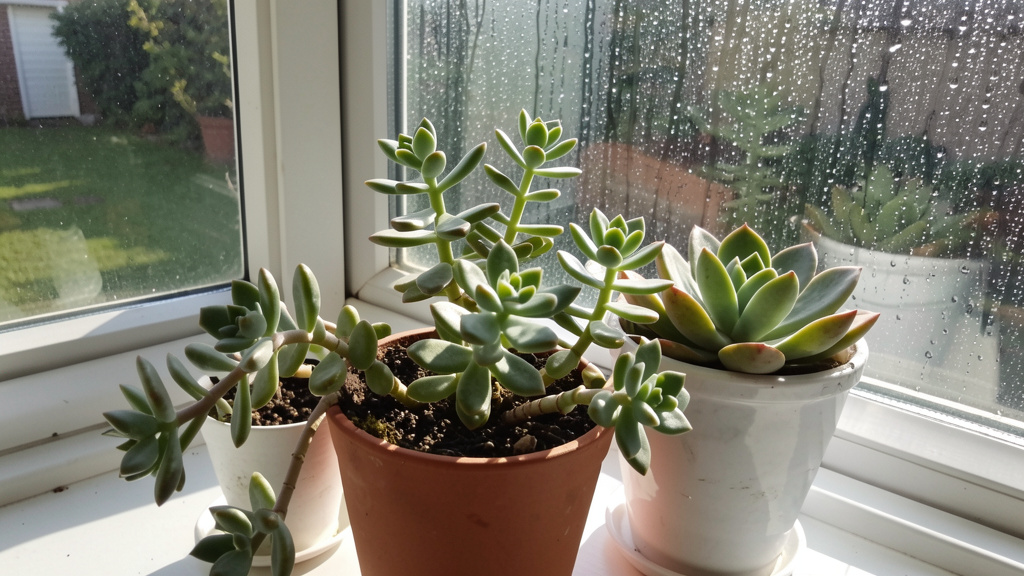
Work with your environment, not against it. Discover how to select indoor plants that harmonize with the unique conditions shaped by your region’s climate—creating a resilient, low-stress green space that feels inherently right for your home.
Your home’s indoor environment is not isolated from the world outside. Regional weather patterns subtly influence the quality of light through your windows, seasonal humidity shifts, temperature fluctuations near exterior walls, and even the natural rhythms your plants respond to. Yet most plant advice treats every living room identically—recommending moisture-loving ferns to desert residents or sun-dependent succulents to cloudy coastal dwellers. This mismatch leads to frustration, wasted effort, and plants that merely survive rather than thrive. This guide bridges that gap. Grounded in established horticultural principles of plant physiology and microclimate adaptation, we translate your geographic context into practical, compassionate plant choices. Whether you live amid the dry heat of the Southwest, the humid warmth of the Gulf Coast, the distinct seasons of the Midwest, or the gentle marine influence of the Pacific Northwest, you’ll find a clear, adaptable pathway to cultivating indoor greenery that aligns with your reality—reducing guesswork, honoring your constraints, and deepening your connection to the living world around you.
Introduction: Why Your Local Climate Shapes Your Indoor Garden
Step into any garden center in midwinter. Rows of tropical plants sit under uniform lighting, tagged with generic instructions like “bright indirect light” and “moderate humidity.” This standardized approach overlooks a foundational truth: the conditions inside your home reflect the climate zone where you live. A south-facing window in Minneapolis delivers low-angle, shorter-duration winter light compared to the same window orientation in Atlanta. Indoor humidity in a heated Boston apartment may dip below 30% on cold January mornings, while a Tampa home contends with ambient moisture above 70% year-round. These are not minor variables—they directly impact plant health.
Horticultural resources, including guidance from institutions like the Royal Horticultural Society, emphasize that understanding your immediate growing environment is among the most reliable predictors of long-term plant success. This awareness transforms care from reactive troubleshooting into intuitive partnership. This guide moves beyond vague labels like “low light” or “easy care.” Instead, we explore how regional patterns—seasonal light shifts, humidity baselines, temperature tendencies—translate into the specific conditions your plants experience daily. We then match those conditions to species whose natural adaptations align with your reality. This isn’t about forcing a fiddle-leaf fig into an arid space with daily misting (a strategy often doomed to fail). It’s about discovering the elegant Zamioculcas zamiifolia (ZZ plant), whose drought-tolerant physiology thrives in drier air. It’s about recognizing that your Seattle home’s naturally higher humidity isn’t a challenge to overcome—it’s an opportunity to welcome delicate maidenhair ferns or vibrant prayer plants with confidence. By aligning choices with environmental context, you cultivate resilience, reduce maintenance burdens, and foster a more meaningful relationship with your indoor garden. This is plant care rooted in observation, empathy, and place.
The Climate-Indoor Connection Framework: Understanding Your Home’s Unique Conditions
Before selecting plants, develop awareness of your specific indoor environment. The Climate-Indoor Connection framework offers a gentle, observational method to interpret how outdoor climate influences your indoor space. This isn’t about complex instruments—it’s about mindful attention. Mastering these four interconnected layers builds a lasting skill: the ability to assess any space and make informed, confident plant choices.
Layer 1: Light Quality and Duration – Observing Beyond Direction
Light fuels plant growth, but its usefulness depends on intensity, seasonal variation, window exposure, and regional factors like cloud cover or altitude. “South-facing” means very different things in Miami versus Minneapolis.
- Why this layer matters: Plants evolved under specific light conditions. Mismatched light may cause slow decline, elongated stems (“legginess”), or leaf discoloration over time. Understanding your light reality prevents misplaced expectations.
- How to assess thoughtfully:
- Seasonal Shadow Observation: On a clear winter day near the solstice, place a small object on your windowsill at noon. Notice the shadow length indoors. A long shadow (several feet) suggests lower winter light intensity—common at higher latitudes. Repeat in summer; a short shadow indicates stronger potential light. This reveals your location’s natural seasonal shift.
- Regional Context: Homes in the Pacific Northwest or UK experience more diffuse, lower-intensity light year-round due to frequent cloud cover compared to sunbelt regions at similar latitudes. If your area averages fewer than 150 sunny days annually, prioritize plants adaptable to consistent medium or lower light.
- Window Considerations: Modern energy-efficient windows often include coatings that reduce light transmission. If your home was built or renovated recently, observe whether you can comfortably read a book near the window on a cloudy afternoon. If not, light levels may be lower than expected.
- Common considerations:
- Nuance: An east window provides gentle morning light in many regions, but in high-desert areas (e.g., Santa Fe), even morning sun can be intense due to altitude and clarity of air. Observe how light falls in your space across seasons.
- Reflection Matters: A north-facing room in a snowy climate may receive noticeably brighter light during winter months due to snow reflection. Conversely, a window facing dense evergreen trees in a rainy region receives less light than orientation alone suggests.
- Gentle Reminder: Placing a high-light succulent on a north windowsill in a frequently overcast region often leads to stretching and loss of form. Instead, consider Aspidistra elatior (Cast Iron Plant), adapted to low-light forest floors—a better match for that reality.
Layer 2: Humidity Dynamics – Sensing the Invisible
Indoor humidity fluctuates with outdoor moisture, heating/cooling systems, ventilation, and daily activities. Climate sets the baseline potential.
- Why this layer matters: Plants exchange moisture through their leaves. Very dry air (<30%) may contribute to brown leaf tips or increased vulnerability to certain pests. Consistently high humidity (>60%) without airflow may encourage fungal issues. Matching plant preferences to your home’s natural humidity range reduces the need for constant intervention.
- How to assess thoughtfully:
- Simple Observation (Winter): On a cold morning, hold a small mirror against an interior wall away from direct heat for 20–30 seconds. Immediate condensation suggests higher humidity (common in coastal or humid continental homes). Little to no fogging suggests drier air (typical in heated homes across arid or continental zones in winter).
- Regional Patterns:
- Naturally Higher Humidity Areas (Coastal Southeast, Gulf Coast, Pacific Northwest): Outdoor moisture often influences indoor levels, especially in bathrooms, kitchens, or older homes. Plants appreciating consistent moisture may thrive here with minimal added effort.
- Naturally Drier Areas (Intermountain West, High Plains, Desert Southwest): Outdoor air holds less moisture. Heating systems further reduce indoor humidity, often to levels below 30% in winter. Plants requiring high humidity may show stress without thoughtful placement or support.
- Variable Humidity Areas (Midwest, Northeast, Mid-Atlantic): Experience notable seasonal shifts—drier in heated winter months, more humid in summer. Flexibility in plant selection or minor seasonal adjustments proves helpful.
- Micro-Microclimates: An inexpensive hygrometer ($10–$15) offers insight. Place it in your intended plant spot for 24–48 hours. Check readings at different times: early morning, midday, after cooking or showering. You may discover surprising variations—a bathroom with a window may average 60%+ humidity, while a bedroom across the hall reads 35%.
- Common considerations:
- Misting Realities: Light misting offers only brief humidity elevation and may encourage leaf issues if water remains on foliage. It is generally insufficient as a primary strategy for humidity-loving plants in very dry homes.
- Grouping Limits: While clustering plants slightly increases local humidity, it cannot fully compensate for a fundamentally arid environment. In very dry climates, pairing moisture-loving plants with a humidifier or placing them in naturally humid rooms (like a frequently used bathroom) is more effective.
- Helpful Analogy: Humidity preference is like soil preference. A cactus isn’t “failing” in moist soil—it’s in the wrong environment. Similarly, a snake plant isn’t “needing more humidity” in a dry room—it’s thriving in conditions matching its biology. Match the plant to the place.
Layer 3: Temperature Patterns and Seasonal Shifts
While thermostats regulate air temperature, outdoor conditions influence surfaces, drafts, and subtle seasonal cues many plants respond to physiologically.
- Why this layer matters: Sudden cold drafts near windows in winter may stress tropical plants. Radiators create localized dry heat. Some plants benefit from cooler winter periods to support natural growth cycles. Awareness prevents avoidable stress.
- How to assess thoughtfully:
- Draft Awareness: On a windy, cool day, slowly move your hand along window frames, door edges, and exterior walls. Notice cool air movement. Avoid placing sensitive plants directly in these paths.
- Surface Temperature: On a cold night, carefully feel window glass (or use an infrared thermometer if available). If the glass feels near freezing, ensure plant leaves aren’t touching it—even if room air feels comfortable. This is especially relevant in older homes across colder regions.
- Seasonal Rhythms: Notice your home’s natural temperature patterns when HVAC isn’t running. During spring or fall, does your space rest comfortably around 60–70°F (15–21°C)? This “shoulder season” stability is often ideal for repotting or introducing new plants. Does heating activate below 65°F (18°C), creating drier air? Does cooling run frequently above 75°F (24°C)? Some plants, like Clivia miniata, may benefit from a cooler, drier winter rest period to encourage flowering. If your home remains uniformly warm year-round, select plants that don’t require this cue.
- Common considerations:
- Draft Sensitivity: Plants like African violets or orchids may show stress if placed where cold air infiltrates in winter. Relocating them slightly away from the draft path often resolves issues.
- “Room Temperature” Varies: A “cool room” in Miami (72°F / 22°C) differs significantly from one in Minneapolis (60°F / 15°C) during transitional seasons. When researching plant needs, note specific temperature ranges rather than relying solely on “average room temperature.”
- Working With Rhythms: A gardener in Denver successfully grows cool-sensitive orchids by placing them on a protected north porch during mild spring and fall months—leveraging naturally cooler nights while avoiding frost. She brings them indoors during deep cold. This honors the plant’s needs while adapting to local climate patterns.
Layer 4: Airflow and Ventilation – Supporting Plant Respiration
Gentle air movement supports gas exchange, strengthens stems, and helps prevent stagnant conditions where pests or disease may develop. Climate and home design influence natural airflow.
- Why this layer matters: In humid climates, adequate airflow is especially important for drying foliage and soil surfaces. In tightly sealed modern homes (common nationwide), intentional airflow improves overall plant health. The goal is subtle circulation—not direct, forceful drafts.
- How to assess thoughtfully:
- Tissue Test: Hold a single-ply tissue near your intended plant spot. Does it sway gently? Remain still? Or flutter vigorously? Ideal airflow creates soft, consistent movement detectable by the tissue but not strong enough to disturb papers.
- Climate-Informed Approach:
- Humid Climates (Southeast, Gulf Coast): Prioritize rooms with cross-ventilation (windows on two sides) or use a small oscillating fan on the lowest setting, placed several feet away—not blowing directly on plants. This supports healthy conditions for humidity-loving species.
- Dry Climates (Desert Southwest, High Plains): Airflow remains beneficial but focus on avoiding placement directly in heating vent paths, which can further dry leaves.
- Tight, Energy-Efficient Homes: Periodic gentle airflow (e.g., a small fan running a few hours daily) refreshes the air around plant collections, especially in rooms with multiple plants.
- Common considerations:
- Stagnation Risk: Dense plant groupings in corners with no airflow in humid regions may create pockets where moisture lingers. Spacing plants slightly or adding gentle circulation helps.
- Direct Drafts: A powerful fan pointed at delicate foliage (like a fern in Phoenix) may accelerate moisture loss. Position fans to circulate room air, not target plants.
- Holistic Success: Growing moisture-sensitive succulents successfully in a humid climate often combines three elements: fast-draining soil, pots with drainage holes, and gentle airflow. Airflow is a supportive partner—not a standalone solution.
A Guiding Perspective: Your home offers a unique growing environment shaped by geography, architecture, and season. True plant harmony begins not with the plant alone, but with compassionate observation of the space you provide. When plant adaptations align with environmental conditions, care becomes intuitive, sustainable, and deeply satisfying.
Climate Profile Guide: Plants Thoughtfully Matched to Regional Indoor Conditions
Using the Climate-Indoor Connection framework, explore how regional climates commonly influence indoor conditions—and discover plant options known for thriving within those contexts. Each recommendation includes why it aligns well, practical care considerations for your setting, common challenges to watch for, and adaptable alternatives. This transforms general climate awareness into confident, personalized choices. (Note: Microclimates vary within regions. Always observe your specific space.)
Arid & High-Desert Climates (Phoenix, Tucson, Albuquerque, Denver, Salt Lake City)
Typical Indoor Conditions:
Winter heating combined with naturally dry outdoor air often results in low indoor humidity (frequently below 30%). Light is typically abundant and intense year-round due to clear skies and sun exposure. Temperature shifts near windows can be notable. Dust accumulation on leaves is common. Primary considerations include managing dry air and intense light exposure.
Plants Well-Suited for Arid Indoor Environments
1. ZZ Plant (Zamioculcas zamiifolia)
Why it aligns: Native to seasonally dry regions of eastern Africa, the ZZ plant stores moisture in underground rhizomes and features thick, waxy leaflets that minimize water loss. It tolerates bright indoor light and remains resilient in drier air.
Climate-informed care: Water only when the top 2–3 inches of soil feel dry—this may be every 3–4 weeks in cooler months. Place in bright indirect light (east or north window ideal); sheer curtains can soften intense afternoon sun from south/west windows. Wipe leaves gently with a damp cloth monthly to remove dust and support light absorption. Fertilize sparingly in spring and summer with diluted balanced fertilizer.
Common consideration: Overwatering is the most frequent challenge. Yellowing leaves often signal excess moisture, not thirst. Always check soil moisture before watering.
Adaptable alternatives:
– Budget-friendly: Snake Plant (Dracaena trifasciata) – Similarly drought-resilient, tolerates low to bright light.
– Pet households: Ponytail Palm (Beaucarnea recurvata) – Stores water in its base; non-toxic (ASPCA verified); appreciates bright light.
2. Snake Plant (Dracaena trifasciata)
Why it aligns: Evolved in arid West African landscapes, its stiff, upright leaves conserve moisture efficiently. It performs CAM photosynthesis (opening leaf pores at night), making it exceptionally efficient in dry air. Adaptable to varied light but thrives in bright conditions common in desert homes.
Climate-informed care: Water deeply only when soil is completely dry—often every 4–6 weeks in winter. Use a fast-draining cactus/succulent mix. Place in bright indirect light for best coloration (variegated types need more light), but it tolerates lower light. Ensure pots have drainage holes. Wipe leaves occasionally.
Common consideration: Standard potting mix retains too much moisture between waterings. A gritty, well-draining mix prevents root issues.
Supportive note: NASA’s Clean Air Study noted Snake Plants’ ability to process certain indoor air compounds, a gentle benefit for tightly sealed homes.
Adaptable alternative: Haworthia (Haworthia attenuata) – Compact succulent; tolerates slightly lower light; non-toxic.
3. Aloe Vera (Aloe barbadensis miller)
Why it aligns: Native to arid regions of the Arabian Peninsula, Aloe stores water in succulent leaves and thrives with infrequent watering. It appreciates the abundant sunlight available through desert-region windows.
Climate-informed care: Use a terracotta pot with cactus/succulent mix. Place in a south or west window receiving several hours of direct sun daily. Water thoroughly only when soil is completely dry; reduce frequency in cooler months. Rotate pot gently each month for even growth.
Common consideration: Leggy growth or pale leaves often indicate insufficient direct light. Move closer to the window. Harvest gel sparingly from mature outer leaves only.
Adaptable alternative: Haworthia (as above) – Ideal for desks or shelves with bright indirect light.
4. Ponytail Palm (Beaucarnea recurvata)
Why it aligns: Though not a true palm, this Mexican native stores water in its swollen base (caudex), providing resilience during dry periods. Its slender, arching leaves minimize surface area for moisture loss.
Climate-informed care: Use a very fast-draining mix (cactus mix with extra perlite). Water deeply only when the top few inches of soil are dry and the caudex feels firm. Place in bright indirect to full sun (south window ideal). Growth is slow; repot only when roots fill the pot (every 2–3 years). Dust leaves gently.
Common consideration: Avoid oversized pots. Excess soil stays moist too long around the caudex. Choose a pot only slightly larger than the root ball.
Adaptable alternative: Yucca (Yucca elephantipes) – Bold, architectural presence; thrives in bright light and dry air. Note: Toxic to pets.
5. Burro’s Tail (Sedum morganianum)
Why it aligns: This trailing succulent from southern Mexico stores water efficiently in plump leaves. It thrives on neglect and appreciates bright light filtering through high-desert windows. Ideal for high shelves or hanging baskets where air circulates freely.
Climate-informed care: Use a shallow pot with excellent drainage (terracotta preferred) and cactus mix. Place in bright indirect light; intense direct sun may scorch leaves. Water thoroughly only when leaves feel slightly soft or soil is dry—often every 3–4 weeks. Handle minimally; leaves detach easily.
Common consideration: Overwatering or frequent bumping causes leaf drop or stem rot. Place where it can cascade undisturbed.
Adaptable alternative: String of Pearls (Senecio rowleyanus) – Similar care; unique bead-like foliage. Requires bright light to maintain form. Note: Toxic to pets.
Arid Climate Care Summary
| Factor | Typical Indoor Condition | Plant Strategy | Gentle Reminder |
|---|---|---|---|
| Humidity | Low (often 15–30%) | Select drought-adapted species (succulents, ZZ, Snake Plant) | Focus on soil drainage and watering discipline; misting offers minimal benefit |
| Light | High intensity, year-round | Embrace bright light; use sheer curtains for sensitive plants | Rotate plants monthly for even growth; clean windows seasonally |
| Temperature | Stable indoors; drafts near windows | Keep plants away from heating vents and cold drafts | Check window glass temperature on cold nights; avoid leaf contact |
| Airflow | Generally good; dust-prone | Wipe leaves monthly; ensure gentle circulation | Use a soft microfiber cloth slightly dampened |
Humid Subtropical & Gulf Coast Climates (Miami, Atlanta, Houston, New Orleans, Tampa)
Typical Indoor Conditions:
Indoor humidity often remains moderate to high (50–80%+), especially without constant air conditioning. AC use creates cooler, drier air indoors while unconditioned spaces stay warm and humid. Light is abundant but may be filtered by humidity or cloud cover; summer sun can be intense. Primary considerations include supporting airflow to prevent stagnation and adjusting watering as humidity slows soil drying.
Plants Well-Suited for Humid Indoor Environments
1. Peace Lily (Spathiphyllum spp.)
Why it aligns: Native to tropical Americas, Peace Lilies evolved in humid, shaded forest understories. They often signal thirst with slight leaf droop—a helpful cue in humid climates where soil dries slowly. Tolerates lower light common in rooms kept dim to reduce heat gain.
Climate-informed care: Place in medium to low indirect light (north or east window ideal; avoid harsh south/west sun). Water thoroughly when the top inch of soil feels dry and leaves show slight droop. Use well-draining potting mix; ensure drainage holes. Position where gentle air circulation occurs (e.g., across the room from a small fan on low) to support leaf health. Wipe leaves occasionally. Fertilize monthly spring through fall with diluted balanced fertilizer.
Common consideration: Stagnant air in high humidity may contribute to leaf tip browning. Gentle airflow is a supportive practice.
Adaptable alternatives:
– Pet households: Calathea Rattlesnake (Calathea lancifolia) – Appreciates humidity; stunning wavy leaves; non-toxic (ASPCA). Keep away from direct sun and drafts.
– Air quality: Peace Lilies are noted in horticultural literature for processing certain common indoor air compounds.
2. Boston Fern (Nephrolepis exaltata ‘Bostoniensis’)
Why it aligns: Ferns naturally thrive in moist air. The Boston Fern, a cultivated variety of a widespread tropical species, absorbs ambient moisture readily through its fronds. It flourishes in naturally humid rooms, bathrooms with windows, or screened porches common in Southern homes.
Climate-informed care: Place in bright, indirect light (east window ideal; north window acceptable). Avoid direct sun. Keep soil consistently moist but never soggy—water when the top half-inch feels dry. Place the pot on a pebble tray filled with water (pot rests on pebbles, not in water) to gently elevate local humidity. Rotate weekly for symmetrical growth. Feed monthly spring-fall with diluted balanced fertilizer.
Common consideration: Allowing soil to dry completely causes irreversible frond browning. Conversely, soggy soil invites root issues. The pebble tray supports humidity without waterlogging roots.
Real-world insight: In a historic Charleston home with a north-facing sunroom (humidity consistently 65–75%), a Boston Fern placed away from direct AC airflow produced lush fronds over three feet long with consistent watering and rotation—a testament to matching plant to environment.
Adaptable alternative: Bird’s Nest Fern (Asplenium nidus) – Broad, wavy fronds; more tolerant of occasional dryness; non-toxic.
3. Chinese Evergreen (Aglaonema spp.)
Why it aligns: Hailing from shaded, humid Asian forest floors, Chinese Evergreens tolerate lower light and appreciate ambient moisture. Their thick, waxy leaves offer resilience. Many cultivars provide beautiful variegation to brighten dimmer spaces.
Climate-informed care: Thrives in low to medium indirect light (ideal for offices, hallways, north windows). Water when the top 1–2 inches of soil feel dry. Use well-draining potting mix. Gentle airflow supports leaf health. Wipe leaves monthly. Fertilize sparingly (every 6–8 weeks spring-fall). Tolerates inconsistent watering better than many humidity-loving plants.
Common consideration: Direct sun scorches leaves, especially on highly variegated varieties. Stick to indirect light locations.
Pet note: Toxic to cats and dogs. For pet-friendly spaces, choose Parlor Palm (Chamaedorea elegans)—similar adaptability, humidity-tolerant, low-light capable, non-toxic.
Variety note: ‘Silver Bay‘ offers large silvery-green leaves; ‘Red Emerald‘ provides deep green leaves with red stems—both notably resilient.
4. Pothos (Epipremnum aureum)
Why it aligns: This adaptable vine, native to tropical French Polynesia, absorbs moisture from humid air through aerial roots. It tolerates a wide light range—from low light (greener leaves) to bright indirect light (enhanced variegation)—making it versatile across rooms in humid-climate homes. Vigorous growth helps it recover from minor stresses.
Climate-informed care: Place in low to bright indirect light. Water when the top 1–2 inches of soil are dry. In humid conditions, soil dries slower—always check moisture before watering. Train vines up a moss pole (which stays moist in humid air) or let them trail. Prune regularly to encourage bushiness. Propagates easily in water or soil.
Common consideration: In lower light, stems may elongate with sparse leaves. Prune back long stems above a leaf node; new growth emerges bushier. Rotate the pot regularly.
Adaptable alternatives:
– Pet households: Peperomia (Peperomia obtusifolia) – Thick, glossy leaves; compact; non-toxic; appreciates humidity.
– Variegation note: Highly variegated types (e.g., ‘Marble Queen’) need brighter light to maintain color; in low light, they may revert to solid green.
5. Cast Iron Plant (Aspidistra elatior)
Why it aligns: Earned its name for remarkable toughness. Native to shaded forest floors in Japan and Taiwan, it thrives in low light and tolerates humidity fluctuations. Highly resistant to common issues in stagnant, moist air. Forgiving of irregular watering and temperature shifts.
Climate-informed care: Place in low to medium indirect light (ideal for north windows, hallways, windowless bathrooms). Water when the top 2 inches of soil are dry. Prefers consistent moisture but forgives occasional dryness better than overwatering. Wipe broad leaves occasionally. Fertilize only 2–3 times yearly. Growth is slow and steady.
Common consideration: This is a foliage plant valued for resilience and structure, not rapid growth or flowers. Appreciate its steadfast presence. Brown leaf tips may relate to water quality; using filtered water or trimming tips neatly maintains appearance.
Historical note: Popular in Victorian England for thriving in dim, coal-heated parlors—proof of its adaptability to challenging indoor environments, relevant to historic homes in humid regions today.
Humid Climate Care Summary
| Factor | Typical Indoor Condition | Plant Strategy | Gentle Reminder |
|---|---|---|---|
| Humidity | Moderate to high (50–80%+) | Select humidity-appreciating species; leverage natural moisture | Prioritize gentle airflow—use a small fan across the room to prevent stagnation |
| Light | Abundant but filtered; intense summer sun | Use sheer curtains on south/west windows; embrace north/east light | Monitor sensitive plants for sun scorch during peak summer months |
| Temperature | Warm year-round; cool/dry under AC | Group humidity-lovers away from AC vents; use unconditioned spaces wisely | Check soil moisture before watering—humidity slows drying significantly |
| Airflow | Critical for leaf and soil health | Gentle circulation is supportive; avoid stagnant corners | Position fan to move room air, not blow directly on plants |
Temperate Oceanic & Maritime Climates (Seattle, Portland, San Francisco, Vancouver, UK)
Typical Indoor Conditions:
Outdoor humidity often translates to moderately higher indoor humidity (50–70%), especially in older homes. Light is the primary consideration: frequent cloud cover, rain, and higher latitude result in lower light intensity and shorter daylight hours for much of the year (October–March). Summers offer soft, diffused light. Temperature shifts are generally mild. Primary considerations include selecting true low-light tolerant plants and adjusting watering for cool, humid conditions.
Plants Well-Suited for Temperate Maritime Indoor Environments
1. Parlor Palm (Chamaedorea elegans)
Why it aligns: Native to shaded Mexican and Guatemalan rainforests, it evolved under forest canopies—making it exceptionally tolerant of the diffuse, lower-intensity light common in maritime homes. Appreciates ambient humidity without demanding intense airflow. Slow, graceful growth fits well in urban apartments.
Climate-informed care: Place in low to medium indirect light. An east or north window is ideal. Avoid direct sun. Water thoroughly when the top inch of soil feels dry. In cool, humid conditions, this may only be every 10–14 days in winter. Ensure drainage; use well-draining potting mix. Mist lightly in winter if heating reduces humidity noticeably. Fertilize lightly every 6–8 weeks during spring/summer.
Common consideration: Overwatering in winter is common. Cool temperatures + humidity + low light = very slow soil drying. Always check soil moisture deeply before watering. Yellowing lower fronds often signal excess moisture.
Pet note: Non-toxic to cats and dogs (ASPCA).
Space note: Naturally slow growth (typically 2–4 ft indoors) makes it ideal for desks, shelves, or corners.
2. ZZ Plant (Zamioculcas zamiifolia)
Why it aligns: While celebrated in dry climates, the ZZ Plant is equally valuable here. Its adaptation to seasonal drought includes thriving in very low light for extended periods. It tolerates higher humidity effortlessly. Waxy leaves resist minor issues affecting thinner-leaved plants in moist air. Provides reliable greenery when light is scarce.
Climate-informed care: Place in low to medium indirect light. It survives in corners with minimal light, though growth slows. Water only when the top 2–3 inches of soil are completely dry—this could be every 3–4 weeks, especially during dark winter months. Overwatering is the main risk; ensure excellent drainage. Wipe leaves occasionally to maximize light absorption. Fertilize sparingly (once or twice yearly).
Common consideration: In very low light, growth may seem minimal for months. This is normal adaptation. As long as leaves remain firm and green, the plant is healthy. Patience is rewarded as daylight increases in spring.
Real-world insight: A Seattle apartment dweller placed a ZZ Plant on a bookshelf 8 feet from a north window (receiving only reflected light). Through November–January, it showed no stress—no yellowing, no leaf drop. New glossy leaflets emerged reliably in March as daylight lengthened. It became her trusted “winter companion” plant.
Adaptable alternative: Snake Plant (Dracaena trifasciata) – Similarly low-light tolerant; upright form adds vertical interest. Darker green varieties (e.g., ‘Black Gold’) perform best in low light.
3. Maidenhair Fern (Adiantum raddianum)
Why it aligns: This is where maritime climates shine. Native to temperate rainforests worldwide (including the Pacific Northwest!), it is adapted to cool, humid, shaded environments. Naturally higher indoor humidity in Seattle or Portland homes removes the biggest barrier to growing this delicate fern. Lacy fronds thrive in soft light from north windows or shaded porches.
Climate-informed care: Place in medium indirect light; north or east window is perfect. Never expose to direct sun. Keep soil consistently moist but not soggy—water when the surface feels just dry. Use a potting mix rich in organic matter (add extra coco coir). A pebble tray offers gentle humidity support, though ambient levels are often sufficient. Avoid cold drafts. Mist lightly in the morning only if air feels dry (e.g., during brief heating periods).
Common consideration: Maidenhair Ferns are sensitive to soil drying out. Fronds turn brown quickly if moisture is inconsistent. Conversely, soggy soil causes root issues—hence the need for well-draining yet moisture-retentive mix.
Success tip: Group with other humidity-appreciating plants (like a small Peace Lily) to create a beneficial microclimate through collective transpiration.
Adaptable alternative: Japanese Painted Fern (Athyrium niponicum ‘Pictum’) – Stunning silvery-purple fronds; slightly more tolerant of minor dryness; best for experienced growers in cool, humid spots with bright indirect light.
4. Philodendron Heartleaf (Philodendron hederaceum)
Why it aligns: A classic for good reason. Native to tropical Americas but highly adaptable, it thrives in moderate temperatures and appreciates ambient moisture. Tolerates low light exceptionally well (though grows slower) and suits the soft light of maritime homes. Vining habit allows it to reach for available light. More forgiving of light limitations than fussier tropicals.
Climate-informed care: Place in low to medium indirect light. East or north window ideal. Water when the top inch of soil is dry. In cool, humid conditions, err on the side of underwatering. Use well-draining potting mix. Wipe leaves occasionally. Fertilize monthly spring-fall with diluted balanced fertilizer. Prune leggy vines to encourage bushiness; propagate cuttings easily in water.
Common consideration: Often confused with Pothos. Heartleaf Philodendron has thinner, softer leaves and aerial roots at every node. Generally more tolerant of lower light and cooler temperatures than Pothos—making it slightly better suited for maritime winters.
Pet note: Toxic to cats and dogs. For a non-toxic vining alternative, choose Swedish Ivy (Plectranthus verticillatus) – Scalloped, succulent-like leaves; trails beautifully; tolerates lower light; non-toxic; prefers slightly drier soil.
Variety note: ‘Brasil‘ offers vibrant lime-green variegation that brightens dim corners; ensure medium light to maintain color.
5. Cast Iron Plant (Aspidistra elatior)
Why it aligns: The ultimate solution for the darkest corners of maritime homes. Its evolutionary niche is deep forest shade—a perfect match for rooms with minimal natural light due to cloud cover, building proximity, or north exposure. Unfazed by cool temperatures and higher humidity. Requires minimal attention.
Climate-informed care: Thrives in very low light. Place in a north-facing room, hallway, or bathroom with no window. Water when the top 2 inches of soil are dry—infrequently, especially in winter. Tolerates inconsistent watering. Wipe broad leaves occasionally. Fertilize only 1–2 times per year. Growth is slow; repot only every 3–4 years.
Common consideration: Appreciate it for its steadfast, sculptural presence. Brown leaf tips may relate to fluoride in tap water; using filtered water or trimming tips neatly maintains appearance.
Historical resonance: Its Victorian-era popularity in cloudy, maritime Britain wasn’t accidental—it was the trusted plant for dim parlors and hallways. Choosing it connects you to a long tradition of thriving with plants in low-light environments.
Temperate Maritime Climate Care Summary
| Factor | Typical Indoor Condition | Plant Strategy | Gentle Reminder |
|---|---|---|---|
| Humidity | Moderately high (50–70%) | Leverage natural humidity for ferns & delicate species | Airflow remains supportive; open windows on mild days for fresh air |
| Light | Low intensity, short days (Oct–Mar); soft diffused (Summer) | Prioritize true low-light tolerant species; maximize window access | Clean windows regularly; use light-colored walls to reflect available light |
| Temperature | Cool & stable year-round | Ideal for plants needing rest periods; minimal drafts | Water less frequently in cool months; soil dries slowly |
| Airflow | Generally good; lower disease pressure than hot humid zones | Gentle circulation still beneficial | Open windows on mild days for natural air exchange |
Continental & Four-Season Climates (Chicago, Minneapolis, Boston, Toronto)
Note: Denver experiences continental temperature shifts but arid air; prioritize Arid Climate humidity guidance while using Continental strategies for light/temperature.
Typical Indoor Conditions:
Distinct seasonal shifts define this climate. Winters feature very low humidity (often below 25%) from heating, short daylight hours, and low sun angles. Summers may bring higher humidity (especially Midwest/East) and intense sun. Light intensity varies dramatically. Temperature fluctuations near windows are common. Primary considerations include seasonal care adjustments and protecting plants from winter dryness and drafts.
Plants Well-Suited for Continental Indoor Environments
1. Snake Plant (Dracaena trifasciata)
Why it aligns: The ultimate four-season adaptable plant. Drought tolerance conquers winter dryness from heating. CAM photosynthesis supports survival during short, dim winter days with minimal stress. Unfazed by temperature fluctuations near older windows common in historic Northeast/Midwest homes. Requires minimal seasonal adjustment—simply water less frequently in winter.
Climate-informed care: Place in medium indirect light (east window ideal year-round). Tolerates low light in winter. Water deeply only when soil is completely dry—this may stretch to every 6–8 weeks in heated winter months. Use fast-draining cactus/succulent mix. In summer, if humidity rises, gentle airflow supports health. Wipe leaves seasonally. Fertilize only in spring/summer.
Common consideration: Watering on a summer schedule through winter is a frequent challenge. Always check soil moisture deeply before watering in cold months. Its upright form also helps avoid cold drafts pooling near the floor.
Seasonal rhythm: In late fall, before heating peaks, give a thorough watering and wipe leaves clean. Consciously reduce watering frequency through winter. In early spring, as daylight increases, gradually resume slightly more frequent watering and apply first fertilizer. This simple ritual aligns care with natural cycles.
Adaptable alternative: Ponytail Palm (Beaucarnea recurvata) – Similarly tolerant of dry winter air and low winter light; water-storing base provides buffer; non-toxic.
2. ZZ Plant (Zamioculcas zamiifolia)
Why it aligns: Shares Snake Plant’s resilience for continental climates: exceptional drought tolerance for dry winters, and remarkable adaptability to low winter light. Rhizomes store water and nutrients, allowing it to coast through December–February with minimal intervention. Unbothered by heated indoor air. Glossy foliage provides consistent visual interest when outdoor landscapes are dormant.
Climate-informed care: Place in low to medium indirect light. An east window provides balanced light year-round. Water only when the top 2–3 inches of soil are bone dry—critical in winter. Use well-draining mix. Avoid placement directly in heating vent paths or cold drafts from windows. Wipe leaves to maximize light capture during low-light months. Fertilize sparingly in spring/summer only.
Common consideration: Avoid repotting in fall or winter. Disturbing roots during slow-growth periods adds unnecessary stress. Always repot in spring when increasing light signals active growth is resuming.
Real-world insight: An office manager in Minneapolis keeps ZZ Plants throughout her downtown high-rise. Despite single-pane windows causing cold spots in winter and intense AC drying air in summer, the plants remain vibrant with watering only every 3–4 weeks. They provide reliable greenery year-round with minimal seasonal drama.
Low-light note: For the darkest winter corner, ZZ is often superior to Snake Plant due to broader leaf surface capturing more available light.
3. Chinese Evergreen (Aglaonema spp.)
Why it aligns: While appreciating humidity, many Aglaonema varieties show surprising resilience to drier winter air compared to ferns or Calatheas. Primary strength is exceptional tolerance for low light—crucial during short winter days. Maintains vibrant color (especially silver or red varieties) even under reduced light, brightening dim winter interiors. Signals thirst clearly (slight leaf droop), helping prevent overwatering when growth slows.
Climate-informed care: Place in low to medium indirect light. East window preferred; avoid harsh south/west sun in summer. Water when top 1–2 inches of soil are dry. Critical winter adjustment: Reduce watering frequency significantly in fall/winter as growth slows. Ensure good drainage. Wipe leaves to keep dust-free for optimal light absorption. Fertilize only spring-fall.
Common consideration: Placement near radiators or heating vents can scorch leaf edges rapidly. Maintain several feet of distance from direct heat sources.
Variety note: Choose ‘Silver Bay‘ for large, light-reflecting silver leaves—ideal for maximizing available winter light. ‘Red Emerald‘ adds warm color that complements autumn/winter decor.
Pet note: Toxic. For a non-toxic low-light option with seasonal color, consider Polka Dot Plant (Hypoestes phyllostachya) – Pink, white, or red speckled leaves; prefers higher humidity (place in bathroom or use pebble tray in winter); pinch back to maintain bushiness; often treated as an annual.
4. Pothos (Epipremnum aureum)
Why it aligns: Adaptability is key. Handles dry air of heated winters better than most vining tropicals. Tolerates lower light levels of winter (though growth slows) and thrives in brighter spring/summer light. Rapid growth in warmer months allows quick recovery from minor winter stress. Easy propagation means spring cuttings refresh leggy vines.
Climate-informed care: Place in medium indirect light (east window ideal). Tolerates lower light in winter. Water when top 1–2 inches of soil are dry. Seasonal adjustment: Water less frequently in winter; increase slightly in summer if humidity is high and growth is active. Train up a moss pole in spring for larger leaves. Prune leggy winter growth in early spring to encourage bushiness. Propagate cuttings in water on a sunny windowsill as days lengthen.
Common consideration: Leggy vines with large gaps between leaves in spring signal winter stretching for light. Pruning stimulates new, compact growth as light improves. Don’t discard pruned vines—propagate them!
Adaptable alternative: Peperomia (Peperomia obtusifolia) – Non-toxic, compact, tolerates lower light and drier air better than many humidity-lovers; ideal for desks or shelves.
Winter perspective: If growth stalls completely in deep winter, don’t worry. Reduce watering further and wait. New growth reliably emerges as daylight increases in February/March—a natural signal of seasonal change.
5. Spider Plant (Chlorophytum comosum)
Why it aligns: A classic for northern homes. Tolerates lower humidity of heated winters better than ferns. Prefers cooler temperatures (60–75°F / 15–24°C), aligning well with typical winter indoor temps in continental climates. Produces abundant “pups” (baby plants) on long stems, especially as daylight increases in spring—a cheerful sign of renewal. Noted in horticultural resources for processing certain indoor air compounds.
Climate-informed care: Place in bright indirect light (east or west window ideal). Avoid harsh midday sun. Water when top inch of soil is dry. Prefers consistent moisture but tolerates occasional dryness. Critical: Use distilled, filtered, or rainwater if your tap water is hard (high mineral content). Brown leaf tips are often caused by minerals in tap water, not underwatering. Flush soil thoroughly every few months. Fertilize monthly spring-fall.
Common consideration: Hard tap water is the most frequent cause of brown tips. Keeping a jug of filtered water for plants solves this. Trim brown tips at an angle with sharp scissors for aesthetics.
Seasonal joy: Pup production accelerates with increasing spring light. These can be potted to share—a tangible reward for winter patience. Place the mother plant where arching pups cascade freely.
Pet note: Non-toxic and generally ignored by curious pets, making it a safe, cheerful choice.
Continental Climate Seasonal Care Perspective
| Season | Key Environmental Shifts | Primary Care Focus | Gentle Action |
|---|---|---|---|
| Winter (Dec–Feb) | Very low humidity, short days, cold drafts | Conserve plant energy; prevent desiccation | Water deeply but infrequently; keep away from vents/drafts; clean windows for max light |
| Spring (Mar–May) | Increasing light, fluctuating temps, dry air lingering | Support renewed growth; refresh plants | Begin light fertilizing; prune leggy growth; repot if needed; increase watering gradually |
| Summer (Jun–Aug) | Potential humidity (East), intense sun, AC dryness | Support active growth; prevent stress | Water consistently; provide airflow; shield from harsh afternoon sun; monitor for pests |
| Fall (Sep–Nov) | Decreasing light, cooling temps, heating begins | Prepare for slower growth; reduce stress | Gradually reduce watering/fertilizing; bring outdoor plants in; clean leaves; check for pests |
Mediterranean Climates (Los Angeles, San Diego, Sacramento, Perth, Cape Town)
Typical Indoor Conditions:
Mild, wet winters and warm, dry summers define the region, though indoor conditions are modified by climate control. Outdoor humidity is moderate but drops significantly indoors during summer AC use (creating cool, dry air) and winter heating. Light is abundant and intense year-round with minimal cloud cover. Primary considerations include managing intense sun exposure and dry air from climate systems, with mindful seasonal adjustments.
Plants Well-Suited for Mediterranean Indoor Environments
1. Dwarf Olive Tree (Olea europaea cultivars)
Why it aligns: Iconic to the Mediterranean basin. Dwarf varieties (e.g., ‘Little Ollie’) are bred for container life. Adapted to bright sun and tolerate dry air from AC/heating better than tropicals. Appreciates mild indoor temperatures. Can spend summers outdoors on patios (acclimated gradually).
Climate-informed care: Place in the brightest location possible—south or west window receiving several hours of direct sun daily. Use a fast-draining mix (cactus mix with extra grit). Water thoroughly only when the top 2–3 inches of soil are dry. Critical: Ensure excellent drainage; olives are susceptible to root issues in soggy soil. If moving outdoors in spring, place in partial sun initially. Bring indoors before temperatures drop below 45°F (7°C). Fertilize monthly spring-fall with balanced or citrus-specific fertilizer. Prune lightly in late winter.
Common consideration: Yellowing leaves often indicate overwatering or insufficient light. Olives prefer being slightly root-bound; repot only every 2–3 years into a pot just one size larger.
Real-world insight: A San Diego resident keeps a dwarf olive in a terra cotta pot on her sunny south-facing balcony from April to October. In November, she moves it just inside the sliding glass door (still receiving strong light). It thrives year after year, producing tiny fragrant flowers in spring—a living connection to the regional landscape.
Indoor note: Fiddle Leaf Fig (Ficus lyrata) requires very bright, consistent light and committed care; prone to leaf drop with changes; not recommended for beginners; requires humidifier in dry AC air; toxic to pets.
2. Aloe Vera (Aloe barbadensis miller)
Why it aligns: Native to arid regions bordering the Mediterranean, it thrives in bright, dry indoor conditions created by climate control. Craves intense sunlight available through unobstructed windows. Succulent nature allows water storage, providing resilience to dry air from AC and heating. Practical bonus: gel has traditional soothing uses for minor skin irritations.
Climate-informed care: South or west window essential for several hours of direct sun. Use cactus/succulent mix in a terracotta pot. Water deeply only when soil is completely dry throughout the pot. Reduce watering significantly in winter. Rotate pot quarterly for even growth. Wipe leaves occasionally.
Common consideration: Insufficient light causes legginess, paleness, and weak growth. It will not develop thick, gel-filled leaves without adequate sun.
Adaptable alternatives:
– Architectural: Yucca (Yucca elephantipes) – Bold, sword-like leaves; tolerates bright light and dry air; can grow tall. Toxic to pets.
– Pet households: Haworthia (Haworthia attenuata) – Smaller, compact; tolerates slightly lower light (east window); non-toxic; ideal for desks.
3. Dwarf Lavender (Lavandula spp. cultivars)
Why it aligns: While often outdoor-grown, dwarf lavender (e.g., L. angustifolia ‘Hidcote Superior’) can thrive indoors if given intense light and dry air—conditions available in sunny Mediterranean-climate windowsills. Appreciates low humidity from AC, which mimics native dry hillsides and supports health. Fragrance is a gentle bonus.
Climate-informed care: Essential: South-facing window with 6+ hours of direct, strong sunlight. Use a very gritty, fast-draining mix (equal parts potting soil, perlite, coarse sand). Water thoroughly only when soil is completely dry. Ensure drainage holes. Provide airflow—place near a gently circulating fan or open window when weather permits. Avoid misting. Fertilize sparingly in spring with low-nitrogen fertilizer.
Common consideration: Insufficient light or overwatering leads to legginess, lack of flowering, or root issues. Lavender is not low-maintenance indoors without ideal conditions.
Success perspective: Treat as a seasonal indoor/outdoor plant. Grow outdoors on a sunny patio spring-fall, bringing indoors only during extreme heat or cold snaps. This leverages ideal outdoor climate while using indoors as a refuge.
Fragrance alternative: Rosemary (Salvia rosmarinus) – Similar care needs (full sun, dry soil, airflow); can be shaped; best treated seasonally indoors/outdoors; non-toxic.
4. Snake Plant (Dracaena trifasciata)
Why it aligns: Versatility shines here. Tolerates dry air from climate control effortlessly. Handles abundant bright light (place slightly back from south window or use sheer curtain). Requires minimal seasonal adjustment—ideal for busy lifestyles. Architectural form complements modern interiors common in these regions.
Climate-informed care: East or west window for bright indirect light. South window acceptable with sheer curtain. Water deeply only when soil is bone dry—less frequently in winter. Use fast-draining mix. Wipe leaves to maintain appearance. Fertilize sparingly spring/summer.
Common consideration: Standard potting mix retains too much moisture. Always use a cactus/succulent mix to support root health, especially where AC creates cool, dry air that slows soil drying unpredictably.
Design note: Group several Snake Plants of varying heights in matching pots for a striking sculptural statement in a bright corner. Upright form adds vertical interest without demanding high humidity.
5. Ponytail Palm (Beaucarnea recurvata)
Why it aligns: Water-storing caudex is perfectly adapted to dry indoor air prevalent year-round due to climate control. Appreciates abundant bright light available through windows. Slow growth and unique form make it a conversation piece. Remarkably tolerant of temperature stability maintained indoors.
Climate-informed care: Bright indirect light to full sun (south or west window ideal). Use very fast-draining cactus mix. Water thoroughly only when the top few inches of soil are dry and the caudex feels firm. Reduce watering in winter. Dust leaves gently. Repot infrequently (every 3–4 years) into a pot only slightly larger.
Common consideration: Overpotting is a frequent issue. Excess soil stays wet too long around the moisture-sensitive caudex. Choose a pot proportional to the plant’s size. Terracotta pots aid moisture regulation.
Pet note: Non-toxic—a significant advantage for households with curious animals. Its resilience makes it a worry-free choice.
Mediterranean Climate Care Summary
| Factor | Typical Indoor Condition | Plant Strategy | Gentle Reminder |
|---|---|---|---|
| Humidity | Moderate outdoors; Dry Indoors (AC/Heating) | Select drought-tolerant species; avoid humidity-dependent plants | Focus on soil drainage & watering discipline, not humidity elevation |
| Light | Abundant, Intense Year-Round | Embrace bright light; use sheer curtains for sensitive plants | Rotate plants quarterly; clean windows for max light penetration |
| Temperature | Mild outdoors; Stable Indoors (Climate Controlled) | Ideal for consistent-care plants; minimal seasonal stress | Avoid placing directly in AC/heating airflow paths |
| Airflow | Generally good; AC provides circulation | Less critical for disease than in hot humid zones | Ensure gentle movement; avoid stagnant corners |
Tropical Climates (Honolulu, Singapore, Bangkok, Caribbean Islands)
Note: Miami Beach has tropical elements but significant humidity variability; prioritize Humid Subtropical guidance with Tropical adjustments.
Typical Indoor Conditions:
Consistently warm temperatures (75–85°F / 24–29°C) and high humidity (70%+) year-round, often with minimal HVAC use or AC set to “dry” mode. Light is intense and abundant. Primary considerations include avoiding overcooling from aggressive AC, ensuring airflow to prevent fungal issues, and selecting plants that thrive in constant warmth without requiring seasonal rest periods.
Plants Well-Suited for True Tropical Indoor Environments
1. Monstera Deliciosa (Swiss Cheese Plant)
Why it aligns: Native to tropical forests of southern Mexico and Panama, it is evolutionarily adapted to warm, humid, dappled-light environments—the exact conditions of lightly climate-controlled tropical homes. Thrives on consistent warmth and ambient moisture, often developing iconic split leaves (fenestrations) more readily than in cooler, drier climates. Appreciates abundant, filtered light available through vegetation-shaded windows.
Climate-informed care: Place in bright, indirect light (east or north window ideal; use sheer curtain on south/west windows to filter intense sun). Keep soil consistently moist but never soggy—water when top inch feels dry. Critical: Ensure gentle airflow. Position near a softly circulating fan or in a room with cross-ventilation. This supports leaf and soil health in perpetually warm, moist conditions. Wipe leaves regularly. Fertilize monthly spring-fall with balanced liquid fertilizer. Provide a moss pole for climbing; aerial roots attach readily in humid air.
Common consideration: Placement directly in strong AC airflow may cause leaf stress. Position plants away from vents. If AC is used heavily, group plants together for mutual humidity support.
Real-world insight: In a Honolulu apartment with louvered windows allowing constant gentle trade winds, a Monstera placed 3 feet from an east window developed large, deeply fenestrated leaves within two years with only weekly watering and no supplemental humidity. Natural airflow and humidity were perfectly aligned.
Space note: Monstera can grow large. For smaller spaces, choose Monstera Adansonii (Monkey Mask) or Monstera Dubia—similar care needs, more compact or shingling growth habits.
2. Bird of Paradise (Strelitzia nicolai)
Why it aligns: Native to coastal forests of South Africa, it thrives in consistent warmth and high humidity. In ideal environments, it rewards with massive, banana-like leaves and, given sufficient light, maturity (3–5 years), and space, stunning white and blue flowers. Embodies tropical lushness.
Climate-informed care: Place in very bright, indirect light. A south or west window with sheer curtain is ideal. Needs ample space. Keep soil consistently moist; water when top inch is dry. Critical: High humidity (above 60%) and excellent airflow are essential. Place on a large pebble tray and ensure gentle air movement. Mist leaves occasionally in the morning. Fertilize every 2–3 weeks spring-fall with balanced fertilizer. Wipe enormous leaves frequently. Repot only when severely root-bound.
Common consideration: Insufficient light or cramped space leads to legginess and no flowering. Not suitable for small apartments.
Commitment note: This is a long-term investment plant. Grows slowly but can reach ceiling height indoors. Ensure you have the space and commitment before acquiring.
Flowering perspective: To encourage blooming, allow slight root constraint, provide maximum possible bright light, and offer a very subtle reduction in watering during the “cooler” (still warm) winter months—mimicking a gentle seasonal cue.
3. Calathea Orbifolia
Why it aligns: Hailing from Bolivian rainforests, this Calathea is a humidity appreciator. Its massive, silvery-green striped leaves thrive in consistently moist air. Natural warmth prevents cold stress that causes leaf curling in cooler climates. Performs its mesmerizing “prayer” movement (nyctinasty) vigorously in stable, warm conditions.
Climate-informed care: Place in medium to bright indirect light. Never expose to direct sun, which scorches delicate leaves. East window is perfect. Keep soil consistently moist with distilled, filtered, or rainwater (tap water minerals may cause leaf tip discoloration). Critical: High humidity (70%+) and gentle airflow are essential. Place on a pebble tray; group with other plants. A small humidifier nearby is helpful if AC is used frequently. Wipe leaves gently. Fertilize monthly spring-fall with diluted balanced fertilizer.
Common consideration: Tap water quality is often the cause of brown, crispy leaf edges. Using purified water prevents this.
Pet note: Non-toxic (ASPCA), a valuable trait for this stunning plant.
Beginner alternative: Calathea Rattlesnake (Calathea lancifolia) – Slightly more tolerant of minor humidity fluctuations and lower light than Orbifolia, while offering dramatic patterning. Same water and airflow considerations.
4. Anthurium (Anthurium andraeanum)
Why it aligns: Native to Colombian and Ecuadorian rainforests, Anthuriums are warmth and humidity specialists. Consistent tropical indoor conditions support nearly year-round production of glossy, heart-shaped spathes. Appreciates filtered light available through vegetation-shaded windows. Waxy leaves offer resilience.
Climate-informed care: Place in bright, indirect light (east window ideal). Avoid direct sun. Keep soil consistently moist but well-drained; water when top half-inch is dry. Use a chunky, airy mix (orchid bark, perlite, potting soil). Critical: High humidity and excellent airflow. Place on a pebble tray; ensure gentle air movement. Mist sparingly in the morning if needed. Fertilize every 6–8 weeks with phosphorus-rich fertilizer (like orchid food) to support blooming. Wipe leaves to maintain shine.
Common consideration: Overwatering in poorly draining soil is the primary risk. Anthuriums are epiphytic; roots need air. The chunky mix is essential.
Blooming perspective: For consistent blooms, provide stable warmth (no temps below 65°F / 18°C), bright indirect light, and regular feeding with a bloom-supporting fertilizer. Remove spent spathes at the base to redirect energy.
Variety note: ‘Pink Champion‘ offers vibrant pink spathes; ‘White Wave‘ provides elegant green-and-white variegation for lower-light spots.
5. Rubber Plant (Ficus elastica)
Why it aligns: Native to tropical forests of India and Malaysia, it adapts well to warm, humid indoor conditions. Thick, glossy leaves tolerate ambient moisture and resist minor issues when airflow is adequate. Thrives in bright, indirect light typical of tropical homes with filtered sun. Upright growth creates a striking focal point.
Climate-informed care: Place in bright, indirect light (east or west window ideal; sheer curtain on south window). Water when the top inch of soil is dry. Prefers consistent moisture but is susceptible to root issues if left in soggy soil—ensure excellent drainage. Wipe leaves regularly to maintain shine and optimize light absorption. Fertilize monthly spring-fall with balanced liquid fertilizer. Critical: Provide gentle airflow to support leaf health in humid conditions. Rotate monthly for even growth.
Common consideration: Overwatering, especially in cooler spots, may cause yellowing leaves. Ensure pots have drainage holes and use well-draining mix. Avoid cold drafts, which can trigger leaf drop.
Pet note: Toxic to cats and dogs. For a non-toxic alternative with similar stature in very bright light, consider dwarf Banana Plant (Musa spp.) cultivars—requires consistent moisture and ample space.
Variety note: ‘Burgundy‘ features deep red-black leaves; ‘Tineke‘ offers variegated green, cream, and pink foliage (requires brighter light to maintain colors).
Tropical Climate Care Summary
| Factor | Typical Indoor Condition | Plant Strategy | Gentle Reminder |
|---|---|---|---|
| Humidity | Consistently high (70%+) | Select humidity-appreciating species; leverage natural moisture | Prioritize gentle airflow—essential for preventing stagnation |
| Light | Intense and abundant year-round | Use sheer curtains on south/west windows; embrace filtered light | Rotate plants monthly; clean windows seasonally |
| Temperature | Warm and stable year-round | Ideal for heat-loving plants; avoid aggressive AC drafts | Position plants away from direct AC airflow paths |
| Airflow | Critical for health in warm, moist air | Gentle circulation is non-negotiable; avoid stagnant corners | Use small fans on low across the room, not blowing directly on plants |
Your Questions, Answered
Q: How can I assess my home’s microclimate without buying tools?
A: Start with simple observation. Track shadow length at noon on a winter and summer day near a window. Notice condensation on mirrors or windows in the morning. Feel for drafts along window frames on a windy day. Place your hand near soil an hour after watering—does it feel dry, moist, or soggy? These gentle observations build valuable awareness over time.
Q: Can I successfully grow plants from different climate zones in my home?
A: Absolutely—with mindful placement. A bathroom with a window often offers higher humidity for tropical plants. A bright, south-facing windowsill in a dry-climate home suits succulents. A north-facing hallway may support low-light tolerant species. Group plants with similar needs together, and observe how each micro-location in your home behaves across seasons.
Q: What if my specific city or region isn’t covered in this guide?
A: Focus on the broader climate patterns influencing your area: Is your region generally arid or humid? Do you experience four distinct seasons or consistent temperatures year-round? How many sunny days does your area average? Use these patterns alongside the Climate-Indoor Connection framework to interpret your space. Local university extension services often provide region-specific growing insights.
Q: How often should I adjust plant care as seasons change?
A: Shift gradually, not abruptly. Begin reducing watering frequency in early fall as daylight shortens. In late winter, watch for increasing daylight and new growth as cues to resume light fertilizing. Small, observant adjustments aligned with natural light and temperature shifts support plant health better than rigid schedules.
Q: Are there truly adaptable plants suitable for most indoor environments?
A: Several species show notable flexibility across varied conditions: ZZ Plant, Snake Plant, Pothos, and Cast Iron Plant tolerate a range of light levels and humidity fluctuations. They won’t thrive identically everywhere, but their resilience makes them excellent starting points while you learn your home’s unique patterns.
Q: How can I support humidity-loving plants in a dry home without a humidifier?
A: Prioritize placement first: bathrooms, kitchens, or near (not in) sinks often have naturally higher humidity. Group plants together on a pebble tray filled with water (pot sits on pebbles, not in water). Avoid placing them near heating vents. While misting offers minimal humidity benefit, it can help clean leaves—just ensure foliage dries before evening.
Q: What’s the most overlooked factor in indoor plant care?
A: Patience and observation. Plants communicate through subtle changes—slight leaf droop, new growth direction, soil drying rate. Rushing to water, repot, or move a plant at the first sign of change can cause more stress. Spend quiet moments observing your plants weekly. This builds intuition far more valuable than any rigid rule.
Q: How do I distinguish between low humidity damage and underwatering?
A: Both may cause brown leaf tips, but context helps. Underwatering typically shows widespread wilting, dry soil deep down, and possibly leaf drop. Low humidity damage often appears as crispy tips or edges while the soil remains moist and the plant otherwise looks turgid. Check soil moisture first before assuming humidity is the cause.
Q: Should I adjust care if I use air conditioning or heating frequently?
A: Yes—climate control significantly alters indoor conditions. AC reduces humidity and creates cool, dry air near vents. Heating drastically lowers humidity and creates warm, dry air. Position plants away from direct airflow paths. Water less frequently when HVAC runs consistently, as soil dries slower in cooler AC air but faster in heated winter air—always check soil moisture.
Q: Are there pet-safe plant options for every climate type discussed?
A: Many climate-aligned options are pet-safe (ASPCA verified): Ponytail Palm, Haworthia, Parlor Palm, Spider Plant, Calathea Rattlesnake, and Swedish Ivy. Always verify toxicity for your specific pet before introducing any plant. When in doubt, place plants out of reach or choose non-toxic varieties. Resources like the ASPCA Toxic and Non-Toxic Plants database offer reliable guidance.
Q: How do I gently acclimate a new plant to my home’s environment?
A: Transition slowly. Keep the plant in its original spot for the first week. Avoid repotting or fertilizing immediately. Water lightly if needed. Gradually introduce it to its intended location over 7–10 days—start with a few hours daily in the new spot, increasing time slowly. This reduces shock from light, humidity, or temperature differences between the nursery and your home.
Q: What if my plant isn’t thriving despite following climate-based advice?
A: Revisit observation. Is the light truly matching the plant’s needs? Is soil drainage adequate? Could pests be present (check undersides of leaves)? Sometimes a plant simply isn’t suited to your specific micro-location—try moving it to another spot in your home. If challenges persist, consider whether the plant’s natural requirements align with your lifestyle and environment. Choosing a different species better matched to your reality is a wise, compassionate decision—not a failure.
Conclusion: Growing With Intention
Cultivating indoor plants aligned with your local climate is more than a practical strategy—it’s a practice in mindful coexistence. By observing your home’s unique conditions and selecting plants whose natural adaptations harmonize with them, you create a living space that feels intuitive, sustainable, and deeply connected to the world outside your window.
Recap the journey:
1. Observe first: Use the Climate-Indoor Connection framework to understand your space’s light, humidity, temperature, and airflow patterns.
2. Align intentionally: Choose plants whose evolutionary needs match your environmental reality—reducing struggle for both you and the plant.
3. Adapt with compassion: Embrace seasonal shifts, leverage microclimates within your home, and offer alternatives that honor your constraints (pets, space, time).
Your 24-Hour Invitation:
Within the next day, select one room in your home. Spend five quiet minutes there: note the window direction, feel for drafts near frames, observe how light falls across surfaces at different times, and gently touch the soil of one plant. No action required—just awareness. This small act of presence is the foundation of confident, joyful plant care.
The Bigger Picture:
When we work with natural patterns rather than against them, indoor gardening becomes a gentle reminder of our place within larger ecological systems. Each thriving plant reflects a moment of alignment—a choice to listen, adapt, and nurture. This approach conserves resources, reduces frustration, and cultivates patience. Your indoor garden is not just decoration; it’s a living dialogue between your home, your region, and the resilient beauty of the botanical world. Tend it with curiosity, and it will reward you with quiet moments of connection for seasons to come.
Continue Your Journey:
Understanding Plant Light Requirements | Creating Humidity Without a Humidifier | Seasonal Care Calendar for Indoor Plants | Pet-Safe Plant Guide by Climate Zone | Propagating Common Houseplants | Reading Your Plant’s Signals | Sustainable Potting Mixes and Practices