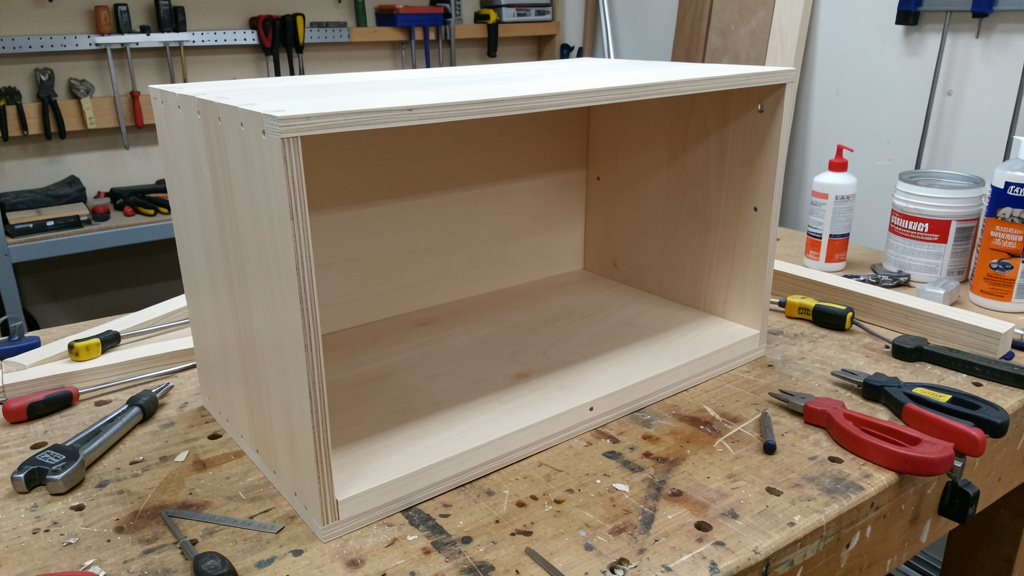
From foundational techniques to nuanced execution, cultivate the confidence to craft functional, beautiful storage solutions for any space—whether you’re refining weekend projects or deepening woodworking proficiency.
Building cabinets transforms underutilized areas into purposeful, organized environments while adding enduring value to your home. This guide breaks down the entire cabinetry process into layered, actionable skills—covering precise measurement protocols, material intelligence, joinery strategies, and installation nuances for both built-in and freestanding applications. You’ll gain clarity on micro-decisions that shape successful outcomes, avoid common pitfalls observed across workshop practice, and develop a repeatable framework adaptable to projects ranging from a garage shelf unit to a custom entertainment center. No prior expertise is required—only patience, attention to detail, and a commitment to building competence incrementally.
Introduction
Cabinetry occupies a distinctive space in woodworking: it demands architectural awareness, mechanical precision, and aesthetic sensitivity simultaneously. Unlike standalone furniture where minor imperfections may go unnoticed, cabinets interact intimately with human movement, daily routines, and the existing structure of your home. A poorly fitted built-in reveals wall irregularities; a wobbly freestanding island compromises kitchen functionality. Yet when executed thoughtfully, cabinetry delivers profound satisfaction—a tangible testament to skill that serves households for decades. This guide synthesizes established woodworking methodologies, material science principles, and installation protocols recognized across industry standards to create a unified learning pathway. We emphasize the why behind each technique, empowering you to adapt principles to your specific space, tools, and vision. Whether addressing a cramped closet, designing a media console, or crafting a long-lasting credenza, this layered approach transforms complexity into manageable progression. Safety, sustainability, and structural integrity remain consistent priorities—because enduring craftsmanship must first be responsible craftsmanship.
The Progressive Skill Framework: Building Confidence Layer by Layer
Cabinetry mastery emerges from interconnected competencies where each layer reinforces the next. Imagine constructing a pyramid: a broad foundation of measurement literacy supports precise cutting, which enables robust assembly, culminating in seamless integration. Rushing foundational steps significantly increases the risk of downstream complications. This framework sequences skills from universal fundamentals to project-specific applications, with built-in and freestanding paths diverging only after core competencies are solidified. You’ll notice recurring themes—verification, adaptation, respect for material behavior—not as repetition, but as deliberate reinforcement of critical habits. The cognitive peak of this methodology crystallizes in one foundational insight: Every cabinet, regardless of scale or style, is fundamentally a collection of precisely joined boxes—and mastering the box is the irreversible key to mastering cabinetry. Internalize this principle, and complex projects become approachable through systematic execution.
Step 1: Mastering Measurement and Layout—The Unseen Foundation
Precision begins not at the saw, but in the space itself. Inaccurate measurements cascade into compounding errors: gaps against walls, misaligned doors, wasted materials, and compromised structural integrity. This phase demands patience often overlooked by eager beginners—but it consistently separates functional cabinets from frustrating outcomes. Stakes differ subtly between cabinet types: built-ins must negotiate architectural realities (sloping floors, bowed walls), while freestanding units require internal geometric consistency to ensure doors swing true and drawers glide smoothly. A tolerance of 1/16 inch may seem trivial, yet compounded across multiple joints, it can manifest as visible racking or binding hardware.
Why This Step is Non-Negotiable:
Walls in existing structures are rarely perfectly plumb. Floors frequently slope. Ceilings may dip. Assuming architectural perfection is a common early challenge. For built-ins, measurements must capture the smallest dimension within the intended space—this becomes your critical constraint. For freestanding cabinets, internal consistency matters most: opposing sides must match precisely, shelf dados must align across panels. Measurement is not a single action; it is a documented process of gathering spatial intelligence.
Systematic Measurement Protocol for Built-Ins:
1. Clear and Prepare the Space: Remove obstructions. Clean surfaces to ensure your level contacts solid material.
2. Establish True Reference Lines:
– Vertical: Use a 48-inch level against the wall at left, center, and right positions. Mark plumb lines with pencil. Note deviations.
– Horizontal: Snap a chalk line level across the intended cabinet height (e.g., top of base cabinet). Verify with level at multiple points.
3. Take Redundant Measurements:
– Width: Measure at top, middle, and bottom of the space. Record all three. The smallest value determines your maximum cabinet width.
– Height: Measure left side, center, right side. Use the shortest measurement.
– Depth: Measure from front reference line to wall at multiple heights. Account for baseboards, moldings, or protrusions.
4. Document Obstacles Meticulously:
– Trace electrical outlet locations onto painter’s tape stuck to the wall. Note distances from floor and adjacent walls.
– Photograph irregularities (cracks, uneven surfaces) for reference during scribing.
– Sketch the space on graph paper (1 square = 1 inch), labeling every measurement and obstacle.
5. Build in Scribe Allowance: For walls with >1/4-inch variation, design the cabinet box 1/4–1/2 inch narrower than the tightest width measurement. This预留 material allows trimming during installation to match wall contours.
Measurement Protocol for Freestanding Cabinets:
1. Define Functional Dimensions First:
– Work Height: Standard countertop height is approximately 36 inches; adjust for user ergonomics (e.g., 34 inches for seated prep).
– Depth: Base cabinets typically 24 inches deep; upper cabinets 12 inches. Confirm clearance for appliances or traffic flow.
2. Create a Story Stick:
– Cut a straight 1×2 board longer than your cabinet’s height.
– Transfer all critical dimensions directly onto the stick: shelf heights, face frame widths, door overlays.
– Use this single reference for marking every component—eliminating cumulative measuring errors.
3. Account for Joinery in Layout:
– When cutting a shelf to fit between two sides with 1/4-inch dados, shelf length = internal width minus 1/2 inch (1/4 inch per side).
– For pocket hole assembly, remember screw penetration adds negligible length—but dry-fit verification remains essential.
4. Verify Square Early: Before cutting any parts, confirm your workspace (saw table, assembly table) is level and square. A misaligned tool compounds errors instantly.
Common Measurement Pitfalls and Solutions:
– Pitfall: Measuring from uneven baseboards or moldings.
Solution: Establish your own reference lines using a level, independent of existing trim.
– Pitfall: Assuming opposite walls are parallel.
Solution: Measure width at top, middle, bottom. If variations exceed 1/4 inch, design modular sections or plan for scribing/filler strips.
– Pitfall: Forgetting material thickness in internal dimensions.
Solution: Always calculate internal space as: External Dimension – (2 x Material Thickness). Maintain a dedicated dimension reference sheet.
– Pitfall: Rushing the dry-fit assembly check.
Solution: Assemble the entire box without glue or screws. Measure diagonals corner-to-corner. If unequal, the box is out of square—adjust before permanent assembly.
Tool Enhancement Tips:
– Upgrade to a tape measure with a magnetic end hook and standout rating of 12+ feet for solo work.
– Use two different tape measures to verify critical dimensions—manufacturing tolerances vary slightly.
– Digital calipers ($15–$25) are invaluable for verifying material thickness, hinge cup depths, or drawer slide clearances.
– Laser distance measurers excel for large spaces but always cross-verify with a physical tape for cabinet-scale work.
Step 2: Material Selection Decoded—Choosing with Purpose and Precision
Material choice is a strategic decision impacting durability, aesthetics, budget, tool requirements, and environmental considerations. There is no universal “best” material—only the optimal choice for your specific project context. Selecting standard particleboard for a humid bathroom environment may lead to premature swelling; reserving solid walnut for a hidden garage cabinet may not align with resource stewardship. This section clarifies material properties, addresses common misconceptions, and provides actionable selection criteria grounded in real-world performance patterns. Understanding why a material behaves as it does empowers confident, context-aware decision-making.
Core Material Properties Decoded:
– Stability: Resistance to warping, twisting, or cupping due to humidity changes. Plywood generally offers greater stability; solid wood requires design accommodations.
– Screw-Holding Ability: Critical for hardware attachment and assembly. MDF and particleboard benefit from specialized fasteners; plywood and solid wood accept standard screws reliably.
– Edge Quality: How the cut edge appears and accepts finishing. Plywood shows layered veneers; MDF provides a smooth paint surface; solid wood offers natural character.
– Moisture Resistance: Essential for kitchens, bathrooms, or basements. Standard materials swell when exposed to moisture; moisture-resistant variants exist but are not waterproof.
– Weight: Impacts maneuverability during assembly and installation. Particleboard is heaviest; Baltic birch plywood offers favorable strength-to-weight ratio.
– Cost per Square Foot: Includes not just material cost, but labor for edge treatment, finishing, and potential waste.
Material Comparison Guide: Applications, Advantages, and Limitations
| Material | Ideal Applications | Key Advantages | Critical Limitations | Pro Implementation Tips |
|---|---|---|---|---|
| Baltic Birch Plywood | Cabinet boxes (built-in & freestanding), shelves, drawer boxes | Void-free plies, exceptional stability, strong screw-holding, attractive edge for exposed applications | Edges require sealing/edging; higher cost than commodity plywood | Use ¾” for cabinet sides/tops/bottoms; ½” for shelves/drawer sides. Iron-on edge banding matches veneer. Seek FSC-certified suppliers where available. |
| Hardwood Plywood (Maple, Oak, Cherry) | Visible cabinet boxes, high-end freestanding pieces | Beautiful face veneer, stable core, accepts stain well | Higher cost; edges require treatment; veneer can tear during cutting | Cut with fine-tooth blade (80+ teeth). Apply veneer tape to cut line before sawing to minimize tear-out. |
| MDF (Medium-Density Fiberboard) | Painted doors, drawer fronts, shelves in dry areas | Glass-smooth surface for painting, no grain raising, consistent density, affordable | Swells permanently if wet; heavy; poor screw-holding without reinforcement | Seal all edges with primer before painting. Use Confirmat screws for assembly. Avoid in high-humidity zones like bathrooms or unconditioned garages. |
| Moisture-Resistant MDF (MR-MDF) | Bathroom vanities (with proper sealing), kitchen cabinet interiors | Green-tinted core resists humidity better than standard MDF | Still vulnerable to liquid water exposure; requires full sealing | Prime every surface—including edges and screw holes—before assembly. Pair with moisture-resistant finish systems. |
| Particleboard (with Melamine Laminate) | Budget shop cabinets, utility storage, hidden built-in boxes | Pre-finished surface (no painting), affordable, dimensionally stable when sealed | Edges chip easily; moisture causes irreversible swelling; weaker joints | Only use pre-laminated sheets with factory-sealed edges. Apply iron-on edge banding to all cut edges immediately. Avoid structural roles in freestanding cabinets. |
| Solid Hardwood (Maple, Oak, Cherry, Walnut) | Face frames, cabinet doors, visible trim, heirloom furniture | Repairable, refinishable, beautiful natural grain, strong | Higher cost; moves seasonally (expands/contracts); requires advanced joinery | Use quartersawn lumber where stability is critical. For panels (doors, sides), employ frame-and-panel construction to accommodate movement. Avoid gluing solid wood panels directly into grooves. |
| Solid Softwood (Pine, Poplar) | Painted face frames, shop projects, temporary builds | Affordable, easy to work, accepts paint well | Soft surface dents easily; prone to blotchy staining | Ideal for painted projects where grain isn’t visible. Sand thoroughly before priming. Poplar is harder than pine and less prone to dents. |
Regional and Environmental Considerations:
– North America: Plywood commonly sold in 4×8-foot sheets; thicknesses labeled in fractions (½”, ¾”). Baltic birch widely available at specialty lumberyards.
– Europe/UK: Metric thicknesses standard (15mm, 18mm). Chipboard with melamine faces is prevalent. Confirm local building regulations for fire ratings where applicable.
– Humidity Zones: In coastal or high-humidity regions, prioritize stability: Baltic birch plywood over solid wood for cabinet boxes. In arid climates, solid wood movement is less aggressive but still requires design accommodation.
– Sustainability: Seek FSC (Forest Stewardship Council) or SFI (Sustainable Forestry Initiative) certification. Reclaimed wood adds character but requires meticulous inspection for nails, warping, and pests. Bamboo plywood offers rapid renewability; verify formaldehyde emissions (look for NAF—No Added Formaldehyde).
Budget-Aligned Material Strategies:
– Budget-Conscious Path: Use pre-laminated particleboard for hidden cabinet boxes (inside built-ins). Build doors and face frames from poplar (painted) or iron-on edge-banded plywood. Allocate budget to quality hardware (hinges, slides)—this often impacts longevity more than hidden materials.
– Mid-Range Path: Baltic birch plywood for entire cabinet box (with edge banding). Solid poplar for face frames and painted doors. This balances durability, aesthetics, and cost-effectiveness for most residential projects.
– Premium Path: Solid hardwood throughout (with frame-and-panel construction for doors/sides) or high-grade plywood with solid wood edging. Ideal for statement freestanding pieces intended for long-term use. Invest in precision joinery (dovetails, mortise-and-tenon) for drawers and face frames.
Critical Material Handling Practices:
– Acclimation: Store materials flat in your workshop for 72+ hours before cutting. Wood and sheet goods absorb ambient moisture; cutting before acclimation may lead to post-assembly movement.
– Storage: Keep sheets supported on sawhorses at multiple points. Never lean vertically against a wall—this can induce permanent bow.
– Edge Protection: Immediately after cutting, apply masking tape along raw edges of plywood/MDF to prevent splintering during handling. Remove tape just before edge banding or finishing.
– Moisture Awareness: In humid climates, monitor ambient conditions. Wood moisture content below 12% is generally ideal for woodworking. High moisture content may contribute to post-assembly movement.
Step 3: Precision Cutting Techniques—Where Intent Meets Execution
Accurate cutting transforms measured plans into tangible components. A single poorly executed cut can compromise an entire project—causing misalignment, weak joints, or visible flaws. This phase demands respect for tool capabilities, material behavior, and safety protocols. Precision isn’t solely about expensive tools; it’s about deliberate setup, blade selection, and technique. Whether using a table saw, circular saw with guide, or track saw, core principles remain consistent: support the material fully, use sharp blades matched to the task, and verify setup before committing to the cut. This section details tool-specific workflows while emphasizing universal precision habits.
Why Cutting Precision Matters:
Wood removed cannot be restored. A cut slightly out of square propagates through assembly, potentially causing the cabinet box to rack (become parallelogram-shaped). Splintered edges on visible surfaces require extensive repair and compromise finish quality. In built-ins, where components must fit within tight architectural tolerances, cutting errors reduce correction margins. Precision cutting is an investment in downstream efficiency—saving time on sanding, shimming, or component replacement.
Tool-Specific Cutting Methodologies:
Table Saw (Workshop Standard for Sheet Goods and Repeat Cuts)
Setup Protocol:
– Install a high-quality combination blade (40–80 teeth) or dedicated crosscut blade. Verify blade sharpness—dull blades increase tear-out risk and safety hazards.
– Clean the table surface and apply paste wax to reduce friction.
– Install a zero-clearance insert: Raise the blade through a scrap piece of ¼” hardboard clamped to the table. This supports material near the blade, minimizing chip-out on veneers.
– Align the rip fence parallel to the blade using a reliable method (e.g., dial indicator or consistent measurement along fence length).
Cutting Sheet Goods Safely and Accurately:
1. Break down full sheets with assistance or use roller stands for support. Never cut unsupported material.
2. Make longest cuts first (e.g., rip a 4×8 sheet into two 24-inch-wide sections before crosscutting).
3. For plywood with a visible face: Position the good side down when using a standard blade (which exits the bottom of the cut). For best results, use a scoring blade or attach a sacrificial backer board to the fence.
4. Use a featherboard clamped to the fence ahead of the blade to maintain consistent pressure.
5. Employ the “five-cut method” to calibrate your crosscut sled for squareness:
– Cut a test piece five times sequentially, rotating the piece after each cut.
– Measure the tapered waste piece; calculate error and adjust sled accordingly.
– Achieves high accuracy—critical for cabinet boxes.
Safety Imperatives:
– Always use a riving knife or splitter behind the blade to reduce kickback risk.
– Employ push sticks for cuts under 6 inches wide; keep hands clear of blade path.
– Never reach over a spinning blade. Wait for full stop before retrieving offcuts.
Circular Saw with Straightedge Guide (Accessible Alternative)
Creating a Reliable Cutting System:
– Select a straight, stable guide: Aluminum straightedge (best), factory edge of a sheet of MDF, or purpose-built guide rail.
– Measure precisely from the saw’s blade to the edge of its base plate (this offset varies by model). Mark this distance on your guide.
– Clamp the guide firmly to the workpiece, aligned with your cut line. Verify alignment at multiple points.
Executing Clean Cuts:
– Use a fine-tooth blade (60+ teeth) designed for plywood. Carbide-tipped blades maintain sharpness longer.
– Apply painter’s tape along the cut line on the visible face to reduce splintering. Score the tape lightly with a utility knife along the cut line before sawing.
– Support the sheet fully on sawhorses with sacrificial boards underneath to prevent tear-out on the bottom face.
– Start the saw, allow blade to reach full speed, then smoothly guide along the fence. Maintain steady pressure—do not force.
– Complete the cut in one continuous motion. Stopping mid-cut increases tear-out risk.
Pro Enhancement: Attach sandpaper strips to the bottom of your guide to prevent slippage during cutting.
Track Saw (Precision Breakdown Specialist)
Advantages: Integrated guide rail ensures straight cuts with minimal setup. Plunge-cut capability allows starting cuts internally (for dados or openings). Splinter guards on rails protect both top and bottom surfaces.
Best Practices:
– Secure the track firmly with clamps every 12–16 inches.
– Use the anti-chip edge accessory if provided by the manufacturer.
– For repeated cuts (multiple shelves), clamp stop blocks to the track at measured intervals.
– When cutting near the end of a sheet, support the offcut to prevent binding as the piece separates.
Cutting Solid Wood Components (Face Frames, Doors, Trim)
– Crosscuts: Use a miter saw with a sharp, fine-tooth blade (80+ teeth). Support long boards with roller stands. For critical cuts (door components), use a stop block for consistency.
– Rip Cuts: Table saw is ideal. Use a featherboard to maintain pressure against the fence. For narrow rips (<2 inches), use a push block with a hook to control the workpiece.
– Curves/Notches: Jigsaw with fine-tooth blade (20+ TPI) for tight curves. For smoother cuts, drill starter holes at corners before jigsawing.
– Kerf Awareness: Always account for blade kerf (typically 1/8 inch) when laying out multiple parts from a single board. Arrange cuts to maximize yield and minimize waste.
Universal Cutting Best Practices:
– Blade Selection is Critical:
– Rip Cuts (with the grain): Fewer teeth (24–40), aggressive hook angle.
– Crosscuts (across the grain): More teeth (60–100), alternate top bevel (ATB) grind.
– Plywood/Sheet Goods: 80+ teeth, triple-chip grind (TCG) or ATB.
– Support is Non-Negotiable: Material must be fully supported on both sides of the cut. Use roller stands, sawhorses with sacrificial tops, or an outfeed table. Sagging causes binding, inaccurate cuts, and safety hazards.
– Verify Before Cutting: Dry-run the cut path without the blade spinning. Ensure clamps won’t interfere. Measure twice from your reference edge.
– Dust Management: Connect a shop vacuum to your saw. Clear visibility prevents errors; reduced dust improves respiratory safety.
– Develop Muscle Memory: Practice cuts on scrap material identical to your project stock. Test blade performance, feed rate, and support setup. Precision is a habit forged through deliberate repetition.
Troubleshooting Common Cutting Issues:
– Tear-Out on Plywood Veneer:
– Cause: Dull blade, incorrect blade direction, insufficient support.
– Fix: Use sharp fine-tooth blade; position good face down (standard blade) or use scoring cut; apply painter’s tape; support underside with sacrificial board.
– Burn Marks on Cut Edge:
– Cause: Dull blade, feeding too slowly, blade misalignment.
– Fix: Replace or sharpen blade; maintain steady, moderate feed rate; verify blade parallelism to fence.
– Wavy or Crooked Cuts:
– Cause: Blade wobble, loose arbor, material shifting during cut.
– Fix: Check blade installation tightness; replace worn arbor bearings; secure material firmly before cutting.
– Kickback:
– Cause: Material binding against blade, missing riving knife, improper feeding.
– Fix: Always use riving knife; ensure material is flat against table/fence; never force material; use push sticks for narrow cuts.
Step 4: Assembly Strategies for Stability—Forging a Rigid Structure
Assembly transforms individual components into a unified, load-bearing structure. This phase demands methodical sequencing, strategic joinery selection, and unwavering attention to squareness. A cabinet that racks (loses square) under load compromises door alignment, drawer function, and long-term durability. The goal is a box that remains rigid through years of use—resisting forces from shelf loads, door swings, and environmental shifts. Joinery choice directly impacts strength, appearance, and required skill level. This section details proven methods, emphasizes dry-fit verification, and clarifies when to use glue, screws, or mechanical fasteners.
Why Assembly Technique Influences Longevity:
Weak joints may fail gradually. A shelf support pulling out of particleboard, a face frame detaching from a cabinet box, or a drawer slide mounting strip tearing loose—all often stem from inadequate assembly strategy. Structural integrity relies on maximizing glue surface area, selecting appropriate fasteners for the material, and distributing stress across multiple connection points. For built-ins, the cabinet must withstand installation forces (shimming, scribing); for freestanding pieces, it must resist movement during relocation. Rushing assembly to “get it done” may compromise service life.
Joinery Methods: Purpose, Process, and Performance
Pocket Hole Joinery (Kreg Jig System)
Ideal For: Beginners, face frames, attaching cabinet backs, shop cabinets, carcass assembly where joints are hidden.
Process:
1. Clamp pocket hole jig to the edge of the workpiece.
2. Drill angled holes using the stepped drill bit (depth stop set for material thickness).
3. Apply wood glue to the joint face.
4. Clamp parts together; drive coarse-thread pocket hole screws (length matched to material thickness).
Strengths: Fast, forgiving of minor measurement variations, requires minimal clamping, strong in shear.
Limitations: Screw holes visible if not plugged; less rigid than dado joints for cabinet boxes under heavy load.
Pro Tips:
– Use pocket holes on inside surfaces of cabinet boxes where hidden by shelves or back panel.
– Always use glue with screws—glue provides long-term strength; screws act as clamps during cure.
– For ¾” material, use 1¼” coarse-thread screws. Pre-drill pilot holes in hardwoods to prevent splitting.
– Plug visible holes with matching wood plugs sanded flush after assembly.
Dado and Rabbet Joints
Ideal For: Cabinet box construction (sides into top/bottom), fixed shelves, attaching backs. Provides exceptional alignment and strength.
Process:
– Dado: Groove cut across the grain (e.g., into cabinet side for shelf to rest in). Cut on table saw using dado stack or multiple passes with standard blade. Width must match material thickness for snug fit.
– Rabbet: Groove cut along the edge (e.g., for back panel to sit in). Cut with table saw using dado stack or router.
Strengths: Large glue surface area, self-aligning during assembly, distributes load evenly, very strong.
Limitations: Requires precise setup; mistakes difficult to correct; weakens material if too deep (never remove >⅓ material thickness).
Pro Tips:
– For adjustable shelves, skip dados and use shelf pin holes. For fixed shelves, use stopped dados (not extending to front edge) for cleaner appearance.
– Cut dados before edge banding or finishing components.
– Test fit on scrap material first. A snug slip-fit (requires light tapping) is ideal; too tight causes splitting, too loose compromises strength.
– Apply glue into the dado groove and on the mating surface of the shelf. Wipe excess immediately.
Confirmat Screws (European-Style Assembly)
Ideal For: Particleboard, MDF, or chipboard cabinets (common in flat-pack furniture). Requires specialized drill bit and screw.
Process:
1. Drill stepped pilot hole: Large countersink for screw head, smaller hole for threads.
2. Drive Confirmat screw (coarse threads grip particle core; large head prevents pull-through).
Strengths: Exceptionally strong in particle-based materials, hidden when used internally, designed specifically for engineered wood.
Limitations: Requires proprietary drill bit; large hole difficult to repair if misplaced; not suitable for solid wood or plywood.
Pro Tips:
– Use a drill press or jig for consistent 90-degree hole alignment.
– Drive screws slowly to avoid stripping.
– Ideal for assembling pre-laminated particleboard cabinet boxes where glue adhesion may be less reliable.
Traditional Joinery (Mortise-and-Tenon, Dovetails)
Ideal For: High-end freestanding cabinets, face frames, drawer boxes, visible joinery as design feature.
Process:
– Mortise-and-Tenon: Tenon (protruding tongue) on one piece fits into mortise (hole) on another. Cut with chisels, router, or dedicated jig.
– Dovetails: Interlocking wedge-shaped pins and tails. Cut by hand with dovetail saw/chisels or using jig/router.
Strengths: Exceptional mechanical strength, beautiful when exposed, time-honored craftsmanship.
Limitations: Steep learning curve, time-intensive, requires specialized tools/skills.
Pro Tips:
– For face frames, mortise-and-tenon joints often provide superior strength under repeated door stress.
– Dovetail drawers signal quality; use half-blind dovetails for front corners (hides joint from front view).
– Practice on scrap wood extensively before committing to project pieces.
– Use wood glue only—no screws needed in well-cut traditional joints.
Step-by-Step Cabinet Box Assembly Workflow
1. Dry Fit Everything: Assemble all parts without glue or fasteners. Verify parts fit together smoothly. Check for square by measuring diagonals corner-to-corner—both must be identical. Use corner clamps or a strap clamp to gently pull into square if needed. This step prevents irreversible errors.
2. Prepare Surfaces: Lightly sand joint surfaces (120 grit) to remove mill glaze and improve glue adhesion. Wipe away dust.
3. Apply Glue Strategically:
– For dados/rabbets: Apply thin, even bead into groove and on mating surface.
– For butt joints (pocket holes): Apply small bead along entire joint face.
– Critical: Use yellow aliphatic resin glue (Titebond II or III). It offers water resistance (Type II), 5–10 minute open time for adjustment, and creates bonds that are typically stronger than the wood substrate when applied correctly. Avoid polyurethane glue for precision cabinetry—it expands during cure and may complicate assembly.
4. Clamp Methodically:
– Start clamps in the center of the joint and work outward.
– Alternate clamp pressure on opposite sides to prevent racking.
– Use cauls (straight scrap boards) over clamps to distribute pressure and prevent denting softwoods/MDF.
– Wipe excess glue squeeze-out immediately with a damp cloth (water activates glue; wait until tacky for stubborn spots).
5. Re-Verify Square: After clamping, re-measure diagonals. Adjust clamp pressure if needed. Place assembly on a known-flat surface (concrete floor, assembly table) to prevent warping during cure.
6. Cure Time: Allow glue to set per manufacturer instructions (typically 30–60 minutes for handling; 24 hours for full strength). Do not stress joints prematurely.
7. Install Back Panel: The back panel (typically ¼” plywood) is critical for locking squareness. Attach with brad nails (18-gauge) or screws into a rabbet/dado cut along the back edges. Start at center and work outward. This “triangulates” the box, preventing future racking.
Special Assembly Considerations
For Built-In Cabinets:
– Assemble in modular sections if space is tight (e.g., base cabinet separate from uppers).
– Leave back panel off sections requiring scribing until after wall installation.
– Include vertical dividers or center stiles in cabinets over 36″ wide to prevent shelf sag and add rigidity.
For Freestanding Cabinets:
– Attach face frame after box assembly. Clamp evenly; use pocket holes from inside or brad nails with glue.
– For cabinets supporting countertops (islands, vanities), reinforce top with a continuous ledger strip screwed to cabinet sides.
– Add levelers or adjustable feet to the base for final positioning and floor irregularities.
Hardware Integration During Assembly:
– Pre-install mounting plates for European hinges before final box assembly if access is tight.
– Drill shelf pin holes before assembly using a jig for perfect alignment.
– Install drawer slide mounting strips inside the cabinet box before attaching face frame or doors.
Common Assembly Mistakes and Corrections
– Mistake: Skipping the dry fit.
Consequence: Glue sets before misalignment is noticed; parts won’t fit.
Fix: Always dry fit. Mark parts with pencil (e.g., “LF” for left front) to avoid confusion during glue-up.
– Mistake: Over-clamping.
Consequence: Glue starved joints (no adhesive left between surfaces); weak bond.
Fix: Apply only enough pressure to close the joint tightly with a thin bead of squeeze-out.
– Mistake: Ignoring glue-up time pressure.
Consequence: Rushed clamping leads to misalignment.
Fix: Stage all clamps, screws, and tools within reach before applying glue. Work with a partner for large assemblies.
– Mistake: Forgetting the back panel.
Consequence: Cabinet racks over time; doors misalign.
Fix: Treat the back panel as structural—not optional. Use ¼” plywood minimum; ⅜” for tall cabinets.
The Fundamental Principle: A cabinet’s structural integrity is determined not by the strength of its individual parts, but by the quality of its joints and the precision of its assembly. Investing deliberate time in perfecting joinery and verifying squareness pays exponential dividends in durability, function, and professional appearance. This principle transcends tools, materials, or cabinet style—it is the immutable core of lasting craftsmanship.
Step 5: Installation and Finishing Touches—Integration and Elevation
The final phase bridges workshop creation and lived-in functionality. For built-ins, installation demands architectural adaptation—transforming a precisely built box into a seamless room element. For freestanding cabinets, finishing elevates raw wood into a protected, beautiful surface. Hardware installation transforms structure into utility. This stage requires patience; rushing creates visible flaws that undermine prior effort. The difference between “homemade” and “professionally crafted” often resides in these meticulous final acts: scribing to imperfect walls, flawless finish application, and hardware calibrated to smooth operation.
Built-In Cabinet Installation: The Art of Architectural Adaptation
Scribing Technique for Perfect Wall Conformity:
Scribing trims the cabinet edge to match wall irregularities, eliminating unsightly gaps. Essential for built-ins where walls are rarely straight.
1. Position and Level: Place cabinet in approximate location. Support with shims or temporary blocks. Use a 48-inch level on the front face (most visible plane) to achieve plumb (vertical) and level (horizontal). Do not force the cabinet against the wall yet.
2. Create a Scribing Tool:
– Option A: Attach a pencil to a small block of wood exactly equal to the largest gap between cabinet and wall.
– Option B: Use a commercial scribing tool with adjustable offset.
3. Trace the Contour: Hold the block firmly against the wall. Move steadily along the entire cabinet height, tracing the wall’s shape onto the cabinet side. Maintain consistent pencil pressure.
4. Cut and Refine: Remove cabinet. Cut along scribed line using:
– Jigsaw: For gentle curves; use fine-tooth blade (20+ TPI). Cut just outside the line; sand to final shape.
– Router with Pattern Bit: For precision; attach a straight board (pattern) along the scribed line. The router’s bearing follows the pattern, trimming exactly to the line. Yields glass-smooth edge.
5. Reinstall and Verify: Position cabinet. The trimmed edge should contact the wall continuously. Fill minor residual gaps (<⅛”) with paintable acrylic latex caulk. Smooth with a damp finger.
Shimming and Securing:
– Place plastic or wood shims between cabinet and wall/floor at critical points: corners, every 16 inches along walls, under heavy load points.
– Shim locations should be concealed behind face frames, trim, or in shadow lines.
– Secure to wall studs using 2½–3″ coarse-thread screws through the cabinet back or dedicated mounting rails. Locate studs with a reliable stud finder; verify by drilling small pilot holes.
– For tall cabinets (>30″ height), install anti-tip brackets anchored to wall studs—a critical safety step, especially in homes with children.
– Pro Tip: Drive screws through pre-drilled clearance holes in the cabinet back to allow for minor seasonal movement without stressing joints.
Freestanding Cabinet Finishing: Protection and Aesthetic Refinement
Surface Preparation (Non-Negotiable Foundation):
1. Sanding Sequence: Start with 120-grit to remove machine marks. Progress to 150-grit, then finish with 180 or 220-grit. Sand with the wood grain.
2. Edge Softening: Lightly round sharp edges and corners with 220-grit sandpaper (“breaking the edge”). Prevents finish chipping and improves tactile quality.
3. Dust Removal: Vacuum thoroughly with brush attachment. Wipe surfaces with a tack cloth or lint-free cloth dampened with mineral spirits. Any remaining dust becomes trapped under finish.
Stain Application (For Bare Wood):
– Test stain on scrap wood of the same species—absorption varies dramatically (e.g., pine vs. maple).
– Apply liberally with cloth or brush following grain direction. Wait 5–15 minutes (per product instructions) for desired darkness.
– Wipe off all excess stain with clean cloth. Uneven wiping causes blotchiness.
– Allow full dry time (typically 4–24 hours) before topcoating. Humidity extends dry time.
Topcoat Selection and Application:
| Topcoat Type | Best For | Application Tips | Curing Notes |
|————–|———-|——————|————-|
| Water-Based Polyurethane | Light woods (maple, birch), painted surfaces, low-odor environments | Stir gently (do not shake). Apply thin coats with synthetic brush or foam roller. Sand lightly with 220-grit between coats. | Dries fast (2–4 hrs recoat). Remains clear. Full cure: 21 days. |
| Oil-Based Polyurethane | Warm-toned woods (oak, cherry), traditional finishes | Stir gently. Apply thin coats with natural bristle brush. Sand lightly between coats with 320-grit. | Amberizes over time. Strong odor; ventilate well. Recoat: 24 hrs. Full cure: 30 days. |
| Conversion Varnish | High-wear surfaces (kitchen islands, desks), professional results | Typically sprayed. Requires catalyst. Excellent chemical/heat resistance. | Fast dry. Requires proper spray equipment and ventilation. |
| Tung Oil / Danish Oil | Low-traffic pieces, natural wood feel, repairable finish | Apply liberally; wait 15 mins; wipe excess. Repeat 3–5 times. Lightly sand with 400-grit between later coats. | Soft finish; requires periodic reapplication. Not for high-moisture areas. |
Painting MDF or Plywood:
1. Prime all surfaces—including edges and backs—with high-build primer. MDF is porous; unprimed edges absorb paint unevenly.
2. Sand primer lightly with 220-grit after drying. Wipe dust.
3. Apply 2–3 coats of high-quality acrylic enamel cabinet paint. Use a fine-nap roller (⅜” nap) for flat surfaces; angled brush for edges.
4. Sand very lightly with 320-grit sandpaper between coats for glass-smooth finish.
5. Pro Tip: Add Floetrol (for latex) or Penetrol (for oil) to paint to reduce brush marks and extend open time.
Hardware Installation: Precision Functional Details
Hinges:
– Concealed (European) Cup Hinges: Standard for frameless cabinets. Requires 35mm hole drilled ½” deep into door edge. Use hinge jig for consistent placement. Most offer 3-way adjustment (depth, height, side-to-side)—critical for perfect alignment.
– Face Frame Hinges: Butt hinges (traditional) or concealed hinges with mounting plates. For concealed hinges, attach plate to face frame first; verify door swing clearance before final mounting.
– Soft-Close Mechanism: Highly recommended. Integrated into hinge or as add-on damper. Prevents slamming, reduces wear. Worth the modest cost increase.
Drawer Slides:
1. Select full-extension, soft-close slides rated for expected load (e.g., 100-lb capacity for kitchen drawers).
2. Install cabinet-side members first: Ensure perfectly level and aligned using a slide installation jig or story stick.
3. Attach drawer-side members to drawer box. Test operation before final tightening—drawer should glide smoothly with light pressure.
4. Critical: Maintain consistent side clearance (typically ½” total—¼” per side) between drawer box and cabinet opening.
Pulls and Knobs:
– Create a cardboard template with precise hole spacing. Verify placement on one door/drawer, then use template for all others.
– Drill pilot holes slightly smaller than screw diameter to prevent splitting, especially in hardwoods.
– Consider ergonomics: Pull length should accommodate average hand span; knobs should be easy to grasp.
Final Quality Verification:
– Operate every door and drawer 10+ times. Listen for binding, scraping, or uneven resistance.
– Verify level/plumb one final time with a precision level.
– Inspect all surfaces under bright light for dust nibs, drips, or missed spots. Touch up meticulously.
– Clean hardware with soft cloth to remove fingerprints or adhesive residue.
Deep Dive: Built-In Cabinets—Mastering Architectural Integration
Built-in cabinets maximize space efficiency, create custom architectural statements, and significantly enhance property functionality. However, their success hinges entirely on adapting to the existing structure of your home—a dynamic interplay between crafted precision and architectural reality. This section addresses the nuanced skills required beyond basic cabinet construction: site assessment, obstacle negotiation, advanced scribing, and secure mounting. Mastery here transforms potential frustration into profound satisfaction.
Pre-Installation Site Assessment Protocol
Do not skip this phase. Thorough assessment prevents mid-project surprises and costly modifications.
1. Locate Structural Elements:
– Use a high-quality stud finder to map all wall studs. Mark locations clearly with painter’s tape labeled “STUD.”
– Identify load-bearing walls (typically perpendicular to floor joists; consult blueprints if available). Critical for mounting heavy cabinets.
– Locate header plates above doors/windows—mounting points must anchor above these.
2. Document All Obstacles:
– Electrical: Trace outlet/switch locations onto tape on the wall. Note circuit breaker control. Plan cabinet back cutouts or consult electrician for relocation (required if blocking access).
– Plumbing: Identify pipe locations (listen for water flow, check basement/crawlspace below). Never cut into supply or drain lines.
– HVAC: Note vent locations. Plan cabinet openings or coordinate with HVAC technician.
– Trim and Moldings: Measure baseboard height, crown molding profile. Decide whether to remove temporarily, work around, or scribe cabinet to fit over.
3. Assess Wall and Floor Conditions:
– Check for significant bowing (>½” variation), cracks, or moisture damage. Address structural issues before cabinet installation.
– For plaster walls (common in pre-1950s homes): Expect harder drilling; use masonry bits and wall anchors designed for plaster/lath. Test anchor pull strength in inconspicuous area first.
– Verify floor levelness across the entire cabinet run. Note low/high spots for shim planning.
Design Strategies for Challenging Scenarios
Floor-to-Ceiling Cabinets:
– Build cabinet 1–2 inches shorter than measured height. Install a separate crown molding piece on top, scribed to the ceiling contour. Far easier than scribing the entire cabinet top.
– Use filler strips between cabinet top and ceiling for gaps >¼”. Match material and finish to cabinet.
Wrapping Around Windows or Doors:
– Create full-scale cardboard templates of notched sections. Test-fit repeatedly before cutting final material.
– Design “bypass” sections: Cabinet stops short of obstacle with a finished end panel. Cleaner than complex notching for beginners.
– For curved obstacles (arched windows), use flexible molding or heat-formable edge banding.
Nooks, Alcoves, and Irregular Spaces:
– Design modular sections: Build multiple smaller cabinets that fit within the space, joined face-to-face. Easier to maneuver and install than one massive unit.
– Use adjustable shelves or vertical dividers to accommodate width variations.
– Plan filler strips (¼”–2″ wide) between cabinet ends and walls. Rip from matching material; finish before installation.
Integrating with Existing Millwork:
– Match existing baseboard/profile by taking a rubbing (place paper over profile; shade with pencil). Take to lumberyard for matching molding.
– For seamless crown integration, cope (not miter) the cabinet crown molding to meet existing room crown. Requires coping saw skill but hides minor misalignments.
Advanced Scribing and Fitting Techniques
Double Scribing for Severe Wall Irregularities:
When both sides of a cabinet require trimming (e.g., in a narrow alcove):
1. Scribe and trim the first side.
2. Install temporary spacers equal to the cabinet’s internal width.
3. Position cabinet against the opposite wall; scribe the second side.
4. Trim second side. Maintains consistent internal dimensions despite uneven walls.
Using a Router for Precision Scribing:
After initial scribe line is drawn:
1. Attach a straight board (pattern) along the scribed line using double-stick tape.
2. Install a pattern bit (bearing-guided flush-trim bit) in router.
3. Guide router so bearing rides against the pattern, trimming cabinet edge perfectly to the line.
4. Sand lightly. Yields smoother edge than jigsaw alone—critical for visible ends.
Filling Residual Gaps Professionally:
– <⅛” gap: Paintable acrylic latex caulk. Apply thin bead; smooth with damp finger or caulk tool. Wipe excess immediately.
– ⅛”–½” gap: Install filler strip ripped from matching cabinet material. Glue and pin nail; sand flush; finish to match.
– >½” gap: Re-evaluate cabinet design. May require additional cabinet section or architectural modification.
Secure Mounting Protocols
French Cleat System (Recommended for Heavy or Tall Cabinets):
1. Cut two identical cleats from ¾” plywood: One with 30-degree bevel on top edge; one with bevel on bottom edge.
2. Mount wall cleat securely to studs using 3″ screws. Ensure perfectly level.
3. Attach cabinet cleat to cabinet back.
4. Lift cabinet; hook cleats together. Weight distributes evenly across entire cleat length.
Advantages: Allows precise leveling after hanging; easy removal for access; extremely secure.
Direct Screw Mounting:
– For cabinets under 30″ height: Drive 2½” screws through cabinet back into wall studs. Pre-drill clearance holes in cabinet back to prevent splitting and allow movement.
– For tall cabinets: Add horizontal mounting rail inside top of cabinet. Screw through rail into studs. Provides stronger anchor point than thin back panel.
– Critical: Always anchor to studs. Drywall anchors alone are insufficient for cabinet weight + contents.
Anti-Tip Safety:
– Install anti-tip brackets (included with most cabinets) per manufacturer instructions.
– Anchor bracket to wall stud and to top rear of cabinet.
– Non-negotiable for all tall cabinets, especially in homes with children or pets. Verify local building codes where applicable.
On-Site Finishing and Touch-Ups
– Carry touch-up pens, small containers of finish, and matching wood filler to the installation site.
– Repair nicks from handling immediately before they collect dirt.
– Match sheen exactly (satin, semi-gloss)—mismatched sheen is highly visible.
– Caulk all perimeter gaps between cabinet and wall/ceiling/floor with paintable caulk. Creates clean transition and blocks dust ingress.
– Clean all surfaces thoroughly before final use. Remove adhesive residue with mineral spirits on cloth (test in inconspicuous area first).
Deep Dive: Freestanding Cabinets—Crafting Standalone Statements
Freestanding cabinets function as independent furniture pieces—visible from all angles, subject to movement, and demanding holistic design consideration. They require attention to structural integrity for mobility, aesthetic refinement on every surface, and functional details that elevate user experience. Whether a kitchen island anchoring a room, a bathroom vanity defining a space, or a living room credenza storing media, these cabinets must balance form, function, and durability. This section explores design principles, construction nuances, and finishing techniques specific to cabinets that stand alone.
Designing for Structural Integrity and Mobility
All Sides Demand Attention:
Unlike built-ins where backs are hidden, every surface of a freestanding cabinet is visible. Plan accordingly:
– Back Panel: Use matching plywood with iron-on edge banding. For high-end pieces, apply decorative veneer or add molding details. If the cabinet will float in a room, consider a “finished back” with paneling or contrasting wood.
– Base Design:
– Toe Kick: Essential for kitchen islands/vanities. Build a recessed base (typically 3–4″ deep, 3.5″ high) for comfort and visual lightness. Frame with solid wood; attach securely to cabinet box.
– Legs or Plinth: For furniture-style cabinets (credenzas, sideboards), use turned legs, tapered legs, or a continuous plinth base. Ensure legs are mortised or screwed securely into corner blocks inside the cabinet for stability.
– Weight Distribution:
– Heavy materials (stone countertops, solid wood) require robust internal bracing. Add center supports under wide spans (>36″).
– For pieces intended to be moved occasionally, avoid excessive weight. Design for disassembly using knock-down hardware (cam locks, bolts) if relocation is anticipated.
– Include levelers or adjustable glides on the base. Allows precise leveling on uneven floors and protects flooring during movement.
Joinery Choices for Durability and Aesthetic Expression
Face Frames: Function and Form:
– A face frame (solid wood strips around cabinet opening) hides plywood edges, reinforces the front assembly, and provides a mounting surface for hinges.
– Joinery: Mortise-and-tenon joints at corners provide superior strength over pocket holes, especially for cabinets bearing weight (e.g., workbench bases). Use a router table or dedicated jig for consistency.
– Width Considerations: Standard stile (vertical) width: 2–2.5″. Standard rail (horizontal) width: 1.5–2″. Wider frames suit traditional styles; narrower frames feel contemporary.
– Attachment: Glue and clamp face frame to cabinet box front. For added security, drive pocket hole screws from inside the cabinet box into the frame rails (hidden by shelves).
Drawer Construction: Prioritizing Longevity:
– Joinery:
– Dovetails: Gold standard for strength and aesthetics. Half-blind dovetails hide the joint from the drawer front. Requires skill but signals quality.
– Box Joints: Strong alternative; easier to cut with a table saw jig. Visible “fingers” create a distinctive look.
– Pocket Holes: Acceptable for light-duty drawers (linen storage). Reinforce corners with glue blocks.
– Bottoms: Use ¼” plywood set in a groove (dado) around the drawer box interior. Allows for wood movement. Never glue the bottom—secure with brads only at the front.
– Slides: Full-extension, soft-close slides are non-negotiable for modern functionality. Ensure drawer box depth matches slide requirements (typically ½” less than opening depth).
Finishing Techniques for Furniture-Quality Results
Grain Filling (Critical for Open-Grain Woods):
Woods like oak, ash, and mahogany have pronounced pores. For a glass-smooth painted or high-gloss finish:
1. Apply wood grain filler (oil-based or water-based) with a brush, working across the grain.
2. Wait 10–15 minutes until filler turns hazy.
3. Scrape off excess sharply across the grain using a plastic or metal scraper.
4. Sand lightly with 320-grit once fully dry.
5. Proceed with stain or primer. Skipping this step leaves a “pebbly” texture under finish.
Layered Finishing for Depth and Durability:
1. Sealer Coat: Apply dewaxed shellac (Zinsser SealCoat) to seal wood and prevent stain blotching, especially on cherry or pine.
2. Stain (Optional): Apply evenly; wipe excess. Allow full dry time.
3. Glaze (Optional for Antiquing): Apply glaze (tinted translucent medium) over sealed/stained surface. Wipe selectively to highlight details (edges, carvings). Seal with another coat of sealer.
4. Topcoats: Apply 3–4 thin coats of finish rather than 1–2 thick coats. Sand very lightly with 320–400 grit sandpaper between coats. Wipe dust meticulously.
5. Final Buff: After full cure (30 days for oil-based), buff with automotive compound or paste wax for satin luster.
Edge Treatment Nuances:
– Softening Edges: After final sanding, make one light pass with 220-grit sandpaper wrapped around your finger along all edges and corners. Removes sharpness that chips finish and feels uncomfortable.
– Edge Banding: For plywood edges, use iron-on veneer tape matching the face veneer. Trim excess with utility knife; sand flush. For premium look, attach solid wood edge strips with glue and clamps.
– Round-Over Bits: For contemporary pieces, use a router with ⅛” or ¼” round-over bit on all exposed edges before assembly. Creates soft, inviting profile.
Functional and Decorative Hardware Integration
Selecting Pulls and Knobs:
– Scale: Pull length should be approximately ⅓ the drawer/door width. Oversized pulls on small drawers feel unbalanced.
– Style: Match hardware to cabinet style (e.g., bin pulls for Shaker; ornate knobs for traditional).
– Ergonomics: Test grip comfort. Pulls should accommodate fingers comfortably; knobs should be easy to grasp.
– Placement: Standard is centered horizontally. Vertical placement:
– Doors: Centered on stile (vertical frame piece).
– Drawers: Centered on drawer front. For stacked drawers, align pulls vertically for visual rhythm.
Advanced Hardware Features:
– Soft-Close Mechanisms: Install on all hinges and slides. Prevents slamming, reduces wear, adds luxury feel. Integrated into quality hardware; worth the investment.
– Touch Latches: For minimalist designs (no visible pulls). Cabinet opens with a light push. Requires precise adjustment.
– Integrated Power: For kitchen islands/media consoles, plan electrical outlets during design phase. Hire licensed electrician to install GFCI outlets with cord management. Route wires through pre-drilled holes in cabinet back.
– Specialty Organizers: Include pull-out trays, spice racks, or wine storage during assembly. Pre-install mounting hardware before final box assembly.
Positioning and Final Leveling
Moving Safely:
– Attach furniture sliders or felt pads to base before moving.
– For heavy cabinets (>150 lbs), use a furniture dolly. Lift with legs (not back); get assistance.
– Protect floors with rosin paper or moving blankets during positioning.
Achieving Perfect Level:
1. Place cabinet in final position.
2. Set a precision level on top surface.
3. Adjust levelers/glides incrementally. Check level front-to-back and side-to-side.
4. For cabinets without levelers: Slide plastic shims under base at low points. Conceal shims with trim if visible.
5. Verify doors/drawers operate smoothly after leveling—adjust hardware if needed.
Final Presentation:
– Clean all surfaces with appropriate cleaner (e.g., mild soap/water for finished wood; avoid silicone-based polishes).
– Polish hardware with soft cloth.
– Style the cabinet with intentional items (books, plants, decor) to showcase functionality and aesthetic.
– Step back and appreciate the culmination of layered skills—a functional art piece crafted through deliberate practice.
Troubleshooting Common Cabinet Challenges
Even meticulous planning encounters real-world variables. Viewing challenges as solvable puzzles builds resilience and deepens expertise. This section addresses frequent issues with field-tested solutions, emphasizing prevention where possible and correction protocols when needed. Documenting solutions in a workshop journal creates a personalized knowledge base for future projects.
Problem: Cabinet Box is Out of Square After Glue-Up
– Root Cause: Inaccurate cuts, uneven clamp pressure during assembly, or failure to verify square during dry fit.
– Immediate Correction:
– If glue is still wet: Loosen clamps slightly; use a clamp across the longer diagonal to gently pull into square. Re-check diagonals; re-tighten clamps.
– If glue has set: For minor discrepancies (<⅛”), the back panel may pull it square during installation. For larger errors, carefully disassemble (if possible) or use strategic shimming during installation to restore alignment.
– Prevention Protocol:
– Always perform dry fit assembly. Measure diagonals before applying glue.
– Use a strap clamp or corner clamps designed to pull assemblies square.
– Verify your assembly table is flat and level—warped tables induce racking.
– For large cabinets, assemble on a known-flat surface (concrete floor).
Problem: Doors or Drawers Bind, Stick, or Don’t Align
– Root Cause: Cabinet box not square; hinges/slides misaligned; humidity-induced swelling; uneven installation.
– Diagnostic Steps:
1. Verify cabinet box is square (measure diagonals).
2. Check level/plumb of installed cabinet.
3. Inspect hinge/slide mounting for loose screws or misalignment.
4. Feel for swelling (common in humid seasons on solid wood doors).
– Solutions:
– Hinge Adjustment: Most concealed hinges have three screws for adjustment:
– Depth Screw: Moves door in/out (fixes gap at hinge side).
– Height Screw: Raises/lowers door.
– Side-to-Side Screw: Shifts door left/right.
Adjust incrementally; test after each change.
– Slide Adjustment: Loosen mounting screws slightly; operate drawer to let it self-align; re-tighten screws. Ensure slides are perfectly level.
– Swelling: Lightly sand binding edges with 220-grit sandpaper. Apply paste wax to edges to reduce friction. In persistent humidity, consider environmental controls.
– Box Racking: Shim cabinet during installation to restore square; re-check door alignment.
Problem: Visible Gaps Between Built-In Cabinet and Wall
– Root Cause: Inadequate scribing; wall irregularities exceeding scribe allowance; insufficient shimming.
– Solutions by Gap Size:
– < ⅛ inch: Fill with paintable acrylic latex caulk. Apply thin bead; smooth with damp finger. Wipe excess immediately.
– ⅛ – ½ inch: Install filler strip ripped from matching cabinet material. Glue and pin nail; sand flush; finish to match cabinet.
– > ½ inch: Re-scribe the cabinet side. Remove cabinet; re-trace wall contour with scribing tool; re-cut edge. Verify largest gap before initial cut to set proper scribe allowance next time.
– Prevention: Always build in ¼–½ inch scribe allowance for built-ins. Take multiple wall measurements; design cabinet to the smallest dimension.
Problem: Shelf Sagging Under Load
– Root Cause: Material too thin for span; insufficient support; excessive weight.
– Immediate Fixes:
– Add center support strip underneath the shelf (glue and screw a 1×2 strip centered lengthwise).
– Install vertical divider or center stile within the cabinet box.
– Replace shelf with thicker material or add steel shelf supports underneath.
– Prevention for Future Projects:
– Use shelf sag calculator (available online) during design phase. Input material type, thickness, span, and expected load.
– For ¾” plywood shelves: Max span 36″ for light loads (books); 30″ for heavy loads (tools).
– Add fixed center supports for spans over 36″.
– Use hardwood strips glued to shelf underside for added stiffness (less visible than metal supports).
Problem: Tear-Out or Splintering on Cut Edges
– Root Cause: Dull blade; incorrect blade type; cutting direction; insufficient support.
– Repair:
– Light tear-out: Fill with wood filler matched to material; sand smooth; refinish.
– Severe tear-out on plywood edge: Apply iron-on edge banding to cover imperfection.
– Prevention:
– Use sharp, fine-tooth blade (80+ teeth) for sheet goods.
– Apply painter’s tape along cut line on visible face before cutting.
– Position good face down when using standard table saw blade (which exits bottom).
– Support material fully on both sides of cut; use sacrificial backer board underneath.
– For critical cuts, use a zero-clearance insert on table saw.
Problem: Blotchy or Uneven Stain on Solid Wood
– Root Cause: Uneven wood density (common in pine, cherry, birch); inconsistent application; insufficient surface prep.
– Solutions:
– Pre-Stain Conditioner: Apply wood conditioner (or diluted shellac) before staining. Seals wood pores for even absorption. Wait 15 minutes; apply stain.
– Gel Stain: Sits more on the surface than penetrating; minimizes blotching. Apply with cloth; wipe excess.
– Dye Stains: More consistent than pigment stains on problematic woods.
– Paint: For severely blotch-prone woods (like pine), painting often yields more predictable results than staining.
– Prevention: Always test stain on scrap wood of the same species and cut. Sand to consistent grit (180) before staining.
Problem: Screw Stripped in Particleboard or MDF
– Root Cause: Over-tightening; incorrect screw type; pilot hole too small or omitted.
– Repair:
1. Remove stripped screw.
2. Fill hole with wooden toothpicks dipped in wood glue, or use a specialized particleboard anchor (e.g., plastic insert).
3. Once dry, drill new pilot hole slightly smaller than screw diameter.
4. Use a slightly longer screw for better grip.
– Prevention:
– Always pre-drill pilot holes in engineered wood.
– Use Confirmat screws for critical joints in particleboard/MDF.
– Drive screws slowly; stop when resistance increases significantly.
– Apply thread-locking compound (blue Loctite) to screws for high-vibration areas.
Problem: Finish Appears Cloudy, Sticky, or Develops Bubbles
– Root Cause: High humidity during application; improper surface prep; incompatible products; thick application.
– Solutions:
– Cloudiness (Blushing): Caused by moisture trapped in finish. Light blush may clear as it cures. Severe cases require sanding and reapplying in lower humidity.
– Sticky Finish: Often due to incomplete curing from cold temperatures or excessive thickness. Allow extended cure time; if remains tacky after 7 days, sand and reapply.
– Bubbles: Caused by shaking can (introduces air) or brushing too vigorously. Stir finish gently; apply thin coats with light brush strokes.
– Prevention:
– Apply finish in environment 70°F (21°C) with <50% humidity where possible.
– Stir (don’t shake) cans.
– Apply thin, even coats.
– Sand lightly between coats with fine grit (320+).
– Use quality brushes/rollers designed for the finish type.
When to Seek Professional Assistance
– Structural Modifications: Removing walls (load-bearing or not), altering floor joists, or significant framing changes. Consult structural engineer or licensed contractor.
– Complex Utility Relocation: Moving electrical outlets, plumbing lines, or HVAC vents beyond simple surface adjustments. Hire licensed electrician/plumber/HVAC technician.
– Hazardous Material Discovery: Suspected asbestos (in pre-1980s insulation, tiles), lead paint (pre-1978), or mold. Stop work; contact certified abatement professional.
– Persistent Structural Failure: If cabinet repeatedly racks or joints fail despite correct assembly, consult experienced woodworker to diagnose design or material flaw.
Your Questions, Answered
Q: What is the single most critical skill for a complete beginner to master first?
A: Meticulous measurement and documentation. Every downstream step depends on accurate spatial intelligence. Practice taking redundant measurements (top, middle, bottom), recording the smallest dimension for constraints, and transferring dimensions to a story stick or detailed sketch. This habit prevents wasted materials, frustration, and project abandonment. Precision here builds confidence for all subsequent steps.
Q: Can I build durable, attractive cabinets using only basic, affordable tools?
A: Absolutely. While specialized tools enhance efficiency, core cabinetry relies on technique, not tool budget. A sharp circular saw with a straightedge guide, cordless drill, random orbital sander, clamps, and hand tools (chisels, block plane) suffice for quality results. Focus on mastering setup (guide alignment, blade sharpness), dry-fit verification, and patient assembly. Many enduring cabinets were crafted with modest toolkits—skill transcends equipment.
Q: How do I ensure my installed cabinets remain perfectly level and plumb over time?
A: Leveling begins during installation but benefits from periodic checks. For built-ins: Shim strategically behind the cabinet at wall contact points (corners, every 16 inches), verifying level on the front face with a 48-inch precision level. Secure firmly to wall studs. For freestanding cabinets: Install adjustable levelers or glides on the base. After positioning, adjust incrementally while checking level front-to-back and side-to-side. Re-check level after 24 hours and seasonally, as floor settling or humidity changes can affect alignment.
Q: What is the practical difference between frameless (European) and face frame cabinets, and how do I choose?
A: Frameless cabinets feature doors attached directly to the cabinet box edges, maximizing interior space (ideal for narrow spaces) and offering a sleek, modern aesthetic. Face frame cabinets have a perimeter frame of solid wood around the opening, providing a traditional look, added front rigidity, and a mounting surface for hinges. Face frames are more forgiving of minor installation imperfections. Choose frameless for contemporary designs and space efficiency; choose face frame for classic styles, added durability in high-use areas, or if working with less precise tools.
Q: How do I calculate the exact size for cabinet doors to ensure proper overlay and clearance?
A: For standard ½-inch overlay doors (most common): Door width = Cabinet opening width + ½ inch. Door height = Cabinet opening height + ½ inch. This provides ¼-inch overlay on each side. Always verify with your specific hinge type—some require ⅜-inch or ⅝-inch overlay. Create a cardboard template of the calculated door size; test-fit in the opening to confirm clearance for hinge operation and adjacent doors. Account for any reveal (gap between doors) in your design.
Q: Which wood glue formulation is optimal for cabinet assembly, and why?
A: Yellow aliphatic resin glue (e.g., Titebond II or III) is widely recommended for cabinet assembly. It offers strong initial tack, 5–10 minutes of open time for adjustment, water resistance (Type II), and creates bonds that are typically stronger than the wood substrate when applied correctly. It cleans up easily with water before curing. For precision cabinetry, many woodworkers avoid polyurethane glues due to their expansion during cure and requirement for moisture activation, which can complicate assembly and lead to inconsistent results.
Q: What is the most effective method to achieve clean, professional-looking edges on plywood cabinet components?
A: Iron-on veneer edge banding provides the most accessible professional result. Select banding matching your plywood veneer. Apply with household iron on medium heat, moving continuously to avoid scorching. Trim excess with a specialized edge banding trimmer or sharp utility knife. Sand flush with 150-grit sandpaper. For premium results, attach solid wood edge strips (ripped to ¾” width) using glue and clamps—this creates a durable, repairable edge that can be rounded over for comfort.
Q: Are soft-close hinges and drawer slides worth the additional investment?
A: Generally yes, especially for high-use cabinets. Soft-close mechanisms prevent slamming, reduce wear on hinges/slides and cabinet boxes, eliminate noise, and add a refined user experience. The modest cost increase (typically 20–30% over standard hardware) often pays dividends in longevity and daily satisfaction. Install them during initial assembly for optimal alignment. Consider them highly recommended for kitchen, bathroom, and any cabinet used frequently.
Q: How do I accommodate seasonal wood movement in solid wood cabinet components to prevent cracking or warping?
A: Design with movement in mind. For solid wood panels (doors, sides, backs): Use frame-and-panel construction where the panel “floats” within a groove in the frame, allowing expansion/contraction across the grain without stressing joints. Avoid gluing solid wood panels directly into frames or dados. For wide solid wood surfaces (tabletops on islands), use figure-8 fasteners or Z-clips to attach to the cabinet base, permitting lateral movement. Quartersawn lumber exhibits less movement than plainsawn—specify when ordering. Maintain stable indoor humidity (35–50%) where possible.
Q: What safety precautions are absolutely non-negotiable in cabinetry work?
A: Four imperatives: 1) Eye protection (safety glasses) for every operation—flying debris poses permanent risk. 2) Hearing protection during prolonged power tool use. 3) Sharp blades—dull blades require excessive force, increase kickback risk, and produce poor cuts. 4) Respect tool guards and safety features; never bypass riving knives, blade guards, or safety switches. Additionally: Secure workpieces firmly before cutting; keep hands clear of blade paths; use push sticks for narrow cuts; ensure adequate workshop ventilation during finishing; and maintain a clean, organized workspace to prevent trips and falls.
Q: How long should I wait after assembly and finishing before fully loading or using new cabinets?
A: Allow glued joints 24 hours to reach handling strength before applying significant load. For finishes: Follow product-specific cure times—typically 24–48 hours before light use (placing items inside), but up to 30 days for full hardness (especially oil-based polyurethane). Avoid placing heavy objects, exposing to moisture, or cleaning with chemicals during the initial cure period. For painted surfaces, wait 7 days before installing hardware to prevent marring soft paint. Patience supports longevity.
Q: Is refacing existing cabinets a viable alternative to building new, and when does it make sense?
A: Refacing (replacing doors, drawer fronts, and applying new veneer to existing boxes) can be cost-effective when the cabinet box structure is sound, the layout functions well, and you seek aesthetic refreshment. It typically costs less than replacement. However, building new is preferable when: layout is inefficient; boxes are damaged, warped, or poorly constructed; you need different dimensions; or you desire custom features (specialty organizers, integrated lighting). Assess box integrity, your skill level for veneering, and long-term goals before deciding.
Conclusion and Next Step
Cabinetry is more than a collection of techniques—it is a disciplined practice of observation, precision, and problem-solving that yields tangible, lasting value. By progressing through the layered framework presented here—from spatial measurement literacy to material intelligence, from joint integrity to architectural integration—you cultivate a versatile skill set applicable far beyond cabinetry. Each square joint mastered, each finish perfected, each installation challenge navigated builds not only a physical object but also enduring confidence. Remember that expertise is forged incrementally; every skilled craftsperson began with a single measured line. Embrace imperfections as learning opportunities, document solutions, and celebrate progress over perfection.
Recap: The Three Guiding Principles
1. Precision Compounds: Accuracy in measurement and cutting creates downstream ease; errors compound irreversibly. Verify relentlessly.
2. Context Dictates Choice: Material, joinery, and installation methods must align with the cabinet’s purpose, location, and environment. There are no universal shortcuts—only intentional decisions.
3. Respect the Material: Understand wood’s inherent properties—its movement, strengths, and limitations. Work with the material, not against it, through thoughtful design and technique.
The 24-Hour Rule: Before cutting your first piece of project material, dedicate 24 hours to finalizing your measurements, creating a detailed cut list, and conducting a full-scale cardboard mockup of complex sections. This deliberate pause transforms uncertainty into confidence and prevents costly material errors