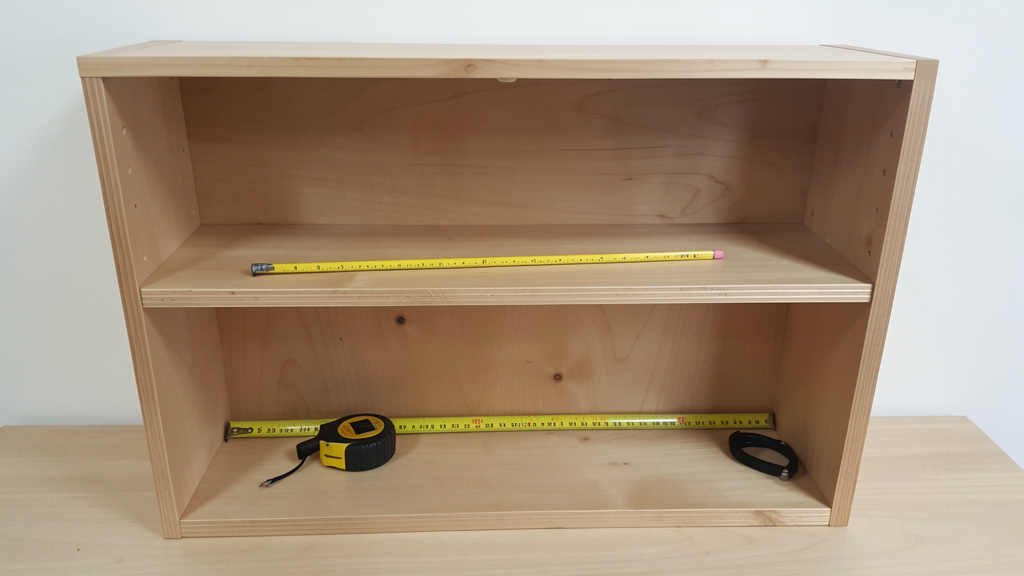
Stop guessing and start building with confidence. This step-by-step system covers every critical decision—from selecting the perfect plan to applying the final finish—so you avoid common pitfalls and create functional, lasting furniture you’ll be proud of, regardless of your skill level or workspace constraints.
Building furniture is more than following steps; it’s about understanding the why behind each decision. This guide walks you through a practical framework designed to transform any furniture plan into a beautiful, functional piece. You’ll learn to anticipate challenges, adapt techniques to your tools and environment, and turn inevitable learning moments into growth. This isn’t about perfection on the first try—it’s about building competence that deepens with every project. Let’s begin where every successful build truly starts: before the first cut is ever made.
Introduction
Every beautifully crafted chair, table, or cabinet begins not with a saw blade, but with intention. Yet for many aspiring furniture makers, the journey from printed plan to finished piece ends in frustration: warped joints, mismatched dimensions, finishes that peel, or projects set aside midway. These outcomes rarely stem from lack of effort. Instead, they result from overlooked micro-decisions—choices about wood selection, tool setup, glue timing, or environmental factors—that compound silently until the project unravels. This guide exists to close that gap. Drawing upon established woodworking pedagogy, material science principles documented by research institutions like the Forest Products Laboratory, and safety guidelines aligned with industry standards, we present a unified system designed not just to instruct, but to anticipate. Whether you’re building your first shelf or refining advanced joinery skills, this framework embeds resilience at every stage. You’ll learn to read plans critically, select materials with purpose, adapt techniques to your tools and space, and transform setbacks into insight. This journey is about building competence that compounds with every project. Let’s begin where every successful build truly starts: before the first cut is ever made.
The Blueprint-to-Beauty Framework
Imagine two builders handed identical plans for a Shaker-style side table. One finishes in three weekends with tight joints, smooth surfaces, and a finish that enhances the wood’s character. The other battles splitting wood, misaligned legs, and an uneven coating—despite following the same instructions. What separated them? Not talent. Not even tools. It was process awareness. The Blueprint-to-Beauty Framework transforms furniture building from a linear checklist into a dynamic, responsive system. It recognizes that plans are starting points, not rigid scripts. Wood is a living material with unique personality. Your workshop has constraints and advantages. This five-phase framework—Plan Deconstruction, Material Mastery, Tool Triangulation, Precision Construction, and Artful Finishing—creates feedback loops between stages. An insight during material selection informs how you approach joinery. A tool limitation sparks a smarter assembly sequence. By embedding decision checkpoints and contingency thinking at each phase, you build not just furniture, but confidence. This system helps makers navigate complex projects by making the invisible visible: the grain direction that dictates cut order, the humidity level that affects glue cure time, the subtle clamp pressure that prevents starved joints. Let’s walk through each phase with the depth it deserves.
Step 1: Plan Deconstruction and Adaptation
A furniture plan is a map, but maps require interpretation. Before printing or taping a single page to your workbench, dedicate 30–60 minutes to active deconstruction. This isn’t passive reading; it’s thoughtful analysis. Print the plan at full scale if possible (many PDF plans include 1:1 templates for critical components like curved aprons or joinery layouts). Spread it across a clean surface. Arm yourself with colored highlighters, sticky notes, and a dedicated project journal. Begin with the big picture: What is the primary function of this piece? Is it a dining table meant for daily use? A delicate jewelry box requiring smooth operation? A bookshelf bearing heavy loads? Function informs material choices, joint strength requirements, and finish durability—decisions the plan may not explicitly state. Next, dissect the structural anatomy. Trace load paths with your finger: Where does weight transfer? How do legs connect to aprons? Where might stress concentrate (e.g., drawer runners, chair seat joints)? Identify every joint type: mortise-and-tenon, dovetail, pocket hole, biscuit, dowel, or butt joint with reinforcement. For each joint, ask: Why was this joint chosen? A through-dovetail on a drawer front offers strength and visual appeal; a hidden spline in a tabletop seam accommodates wood movement. Understanding the purpose behind each joint allows you to adapt intelligently if your tools or skills differ from the designer’s assumptions.
Now, scrutinize dimensions with care. Note every measurement. Then, perform critical cross-checks: Do the summed widths of drawer boxes equal the opening minus clearance? Does the tabletop overhang align symmetrically with the base? Calculate critical clearances: Drawer slides typically require ½” total clearance (¼” per side). Door hinges need precise reveal measurements. A common pitfall? Assuming the plan accounts for your specific hardware. Measure your actual drawer slides, hinges, or knobs before cutting. Mark discrepancies directly on the plan. Create a “Dimension Verification Table” in your journal:
| Component | Plan Dimension | Verified Dimension (After Hardware Check) | Notes |
|---|---|---|---|
| Drawer Box Width | 14 ½” | 14 ⅜” | Adjusted for modern slide clearance |
| Door Height | 28″ | 27 ⅞” | Allowed ⅛” total reveal for hinge fit |
| Shelf Thickness | ¾” | ¾” (Actual: ~0.70″) | Confirmed with calipers; plan assumes nominal |
This table becomes your single source of truth. Next, assess skill alignment. Be honest with yourself. If the plan calls for hand-cut dovetails and you’ve never cut one, this isn’t a failure—it’s data. Flag high-skill steps. Research alternatives now: Could you use a dovetail jig with your router? Substitute box joints cut on a table saw? Employ pocket holes hidden inside a carcase? Many reputable plan designers include adaptation notes—seek these out. If none exist, search online communities using neutral terms like “adapting [project type] for beginner tools.” Finally, conduct an environmental reality check. What’s your workshop humidity? (A basic hygrometer is helpful.) Wood moves. A plan developed in a dry climate may require modification if built in a humid environment to accommodate seasonal expansion. Note critical cross-grain assemblies (like a solid wood tabletop attached to an apron). The plan should include floating panel techniques, elongated screw holes, or figure-8 fasteners. If it doesn’t, research and document the modification before cutting wood. This deconstruction phase transforms you from a passive follower into an active collaborator with the design. You’re customizing the plan for your materials, your tools, your environment, and your skill journey. This proactive adaptation helps prevent many common project errors before the sawdust flies. Remember: A thoughtfully adapted plan is stronger than a rigidly followed one.
Step 2: Material Mastery: Selecting and Preparing Your Wood
Wood is not a uniform commodity. It is a dynamic, organic material shaped by species, grain pattern, moisture content, and growth history. Treating all “pine” or “oak” as identical is like assuming all flour bakes the same bread. Material mastery begins long before you reach the lumberyard—it starts with aligning wood properties to your project’s functional and aesthetic demands. Consider a dining table versus a wall-mounted shelf. The table requires stability (resistance to warping), durability (scratch resistance), and often visual warmth. Hardwoods like walnut, cherry, or quartersawn white oak excel here. The shelf prioritizes stiffness-to-weight ratio and cost-effectiveness; plywood with solid wood edging or clear pine may be ideal. Never select wood based solely on appearance in the store. Develop a decision matrix:
| Project Requirement | Ideal Wood Properties | Recommended Species/Options | Consider Carefully |
|---|---|---|---|
| High Wear (Tabletops, Desks) | Hardness, Tight Grain | Hard Maple, White Oak, Walnut | Soft Pine, Basswood |
| Visual Statement (Feature Pieces) | Distinct Figure, Color Depth | Cherry (ages beautifully), Curly Maple, Walnut | Paint-Grade Poplar (unless painting) |
| Stability Critical (Doors, Panels) | Low Movement Coefficient | Quartersawn Oak, Mahogany, Plywood Core | Wide Flat-Sawn Solid Wood Panels |
| Budget-Conscious / Painted | Uniform Texture, Knot-Free | Poplar, Maple Plywood, MDF (non-structural) | Knotty Pine (may show through paint) |
| Outdoor / Damp Areas | Natural Rot Resistance | Cedar, Redwood, Teak, Pressure-Treated (frames) | Untreated Pine, Oak |
Understanding Lumber Grades and Sources: At retail stores, “premium” or “select” pine may still contain hidden knots, sap pockets, or warp. Learn to read grade stamps where available. For hardwoods at specialty suppliers, familiarize yourself with grading terms (e.g., FAS = “Firsts and Seconds,” indicating high clear-face yield; #1 Common has more character but usable areas). Lower grades offer tremendous value for painted projects, hidden components, or where character is desired. Always inspect boards in person. Bring a straightedge (a 24″ level works) to check for bow, twist, or cup. Sight down the length. Feel for hidden cracks or resin pockets. Smell it—sour or musty odors can indicate internal issues. For plywood, check veneer quality, core voids (tap lightly; hollow sounds indicate gaps), and edge smoothness. Baltic birch plywood is often valued for void-free cores and consistent plies—ideal for drawers and jigs.
Critical Step: Acclimation and Moisture Content
This is where many projects encounter challenges. Wood constantly exchanges moisture with its environment until it reaches Equilibrium Moisture Content (EMC). Building with wood significantly outside your workshop’s EMC risks future movement: joints loosening, panels cracking, finishes failing. A reliable moisture meter is a worthwhile investment. Target moisture content: 6–8% for most indoor furniture in climate-controlled spaces (adjust slightly based on your local climate—higher in humid regions, lower in arid ones). When you bring wood home, sticker it immediately: Place uniform thickness sticks (1×1 scraps work) between layers of boards, allowing air circulation on all sides. Store in your actual workshop—not the garage or basement—for at least one week per inch of thickness as a general guideline. A 4/4 (1″) board needs 7+ days; an 8/4 (2″) slab needs 14+ days. Monitor with your meter. This patience supports long-term stability. During acclimation, continue preparation: Joint and plane rough lumber to final thickness before cutting parts. Why? Milling releases internal stresses. A board that seemed flat may shift after the first pass through the planer. Milling all stock to uniform thickness before dimensioning parts ensures consistency. If you lack a jointer/planer, many lumberyards offer milling services—specify your target thickness (e.g., “surface to 13/16″ for final ¾” after sanding”). For sheet goods, label every sheet with grain direction arrows using painter’s tape. Store flat on a level surface supported at multiple points to prevent sagging.
Grain Direction: The Silent Project Director
Grain isn’t just aesthetic; it dictates cutting order, sanding technique, and assembly sequence. Identify the “show face” of each board—the side with the most appealing figure. Mark it clearly with a pencil arrow labeled “SHOW.” When cutting parts, orient grain direction consistently across adjacent pieces (e.g., all drawer fronts should have grain flowing upward). This creates visual harmony. More critically, grain direction affects tear-out risk during routing or planing. Always feed wood against the rotation of the cutter (climb cutting is unsafe on most tools). For end grain cuts (like trimming tenons), score the cut line lightly with a sharp knife first to prevent splintering. When sanding, always sand with the grain. Sanding across grain leaves visible scratches that become glaringly obvious after finishing. Test on a scrap first. Remember: Wood is strongest along the grain. Joints relying on end-grain glue surfaces (like simple butt joints) are inherently weaker. This is why joinery like mortise-and-tenon (long-grain to long-grain contact) is preferred. During plan deconstruction, note every end-grain glue surface—these are candidates for reinforcement (dowels, biscuits, splines) or redesign. Material mastery means listening to what the wood tells you. A board with dramatic cathedral grain might be perfect for a tabletop center panel but problematic for a narrow apron where movement could cause issues. A board with subtle figure might be ideal for secondary parts. This respectful partnership with your material transforms building from forcing an outcome to collaborating with nature. As documented in foundational woodworking resources, accounting for wood’s hygroscopic nature and directional properties is fundamental to creating lasting pieces.
Step 3: Tool Triangulation: Choosing the Right Tools for the Job
Tools are extensions of intention, not status symbols. The most common misconception derailing new builders? Believing they need a fully equipped professional shop before starting. Truth: Exceptional furniture has been built in modest spaces with minimal kits. The key isn’t tool quantity; it’s strategic alignment. Tool Triangulation is a three-point assessment for every critical operation in your plan:
1. The Ideal Method: What tool would enable optimal results for this task?
2. The Accessible Method: What tool do you own, have reliable access to, or can reasonably obtain?
3. The Adaptive Method: How can you modify the technique or sequence to achieve strong results with your accessible tools?
Let’s apply this to a common task: cutting precise, square crosscuts for table legs.
– Ideal Method: A well-tuned table saw with a crosscut sled and sharp, high-tooth-count blade. Result: Square, clean cuts efficiently.
– Accessible Method: You own a basic contractor saw with a standard miter gauge.
– Adaptive Method: Build a simple, zero-clearance crosscut sled from ½” plywood. This sled rides in your saw’s miter slots, providing support and repeatability. Clamp a stop block for identical cuts. Use a sharp combination blade. Result: Cuts approaching the “ideal” method, achievable with minimal investment.
This triangulation process repeats for every operation. Create a “Tool Decision Log” for your project:
| Operation (From Plan) | Ideal Tool | My Tool Access | Adaptive Solution | Confidence Level (1-5) |
|---|---|---|---|---|
| Rip 1x stock to width | Cabinet Saw | Benchtop Saw + Guide | Build straight-edge guide from MDF; use featherboard | 4 |
| Cut Dovetails | Dovetail Saw + Chisels | Router + Jig | Practice on scrap; use jig template; reinforce with glue block | 3 |
| Smooth Surfaces | Hand Planes | Random Orbital Sander | Sand progressively (120→180→220); use sanding block on edges | 5 |
| Drill Pocket Holes | Dedicated Jig System | Drill + Countersink Bit | Mark depth stop; use scrap block as guide; clamp securely | 4 |
Defining Your Project-Specific Toolkit
Forget generic “must-have” lists. Your essentials are defined by your current project. For a simple bookshelf using pocket-hole joinery:
– Core Tools: Tape measure (steel, 25′), combination square (6″), sharp pencil, clamps (minimum 4 F-style or pipe clamps), drill/driver, pocket-hole solution (jig or precise drilling technique), sander.
– High-Impact Upgrades: A dedicated crosscut sled for your saw (improves safety and accuracy significantly), a low-angle block plane for easing edges.
– Optional for Now: Table saw (can use circular saw with guide), router (pocket holes substitute for dados), thickness planer (buy pre-dimensioned lumber).
For a mortise-and-tenon chair:
– Core Tools: Sharp chisels (¼”, ⅜”, ½”), mallet, marking gauge, backsaw or dovetail saw, clamps, square.
– High-Impact Upgrades: Drill press for consistent mortise depth, router with edge guide for tenon cheeks.
– Optional for Now: Bandsaw (can saw tenons by hand), spindle sander.
Calibration: The Ritual That Supports Accuracy
Owning tools isn’t enough; they must be true. Before cutting project wood, spend 10 minutes calibrating:
– Saw Blades: Check for wobble. Ensure blade is sharp (dull blades burn wood and increase tear-out). For table/circular saws, verify the blade is parallel to the miter slots using a reliable method.
– Squares: Test your combination square against a known reference (like the factory edge of a sheet of MDF). Draw a line, flip the square, and check alignment. Even small errors compound.
– Fences/Stops: Confirm 90° stops are accurate with a precision square.
– Clamps: Ensure jaws are parallel and pads are clean (residue creates uneven pressure).
Safety as Integrated Workflow
Safety protocols belong woven into tool selection and technique:
– Push Tools: Use push sticks or blocks for table saw operations where hands would come near the blade path. Keep them mounted on the saw.
– Hearing Protection: Consistent use protects long-term hearing health. Keep protection accessible.
– Dust Management: Prioritize source capture. A shop vacuum attached to your sander or router reduces airborne particles. For sanding, wear a N95 respirator—wood dust requires respiratory protection.
– Blade Guards: Use guards whenever practical. If a guard impedes a safe cut (e.g., non-through cuts), ensure a riving knife or splitter is used consistently.
Tool triangulation liberates you from comparison anxiety. That builder with an extensive shop isn’t “ahead”—they solved different adaptive challenges. Your ingenuity in working within constraints builds deeper skill. A well-fitted joint cut with hand tools holds profound satisfaction. Focus on process fidelity: executing your chosen method with care and attention. Document your adaptive solutions—they become your personalized knowledge base. Remember the woodworker’s insight: “Sharp tools support safer, more effective work.” A sharp chisel requires less force, reducing slip risk. A sharp saw blade cuts cleanly. Invest time in sharpening (a basic diamond stone kit is effective) over accumulating tools. Your hands, your focus, and your respect for the material are your most vital tools. Everything else is support. These safety-conscious practices align with guidelines emphasized by woodworking safety organizations to foster a sustainable workshop practice.
Step 4: Precision Construction: Assembly Techniques That Last
Construction is where intention meets reality. This phase demands patience, methodical sequencing, and respect for wood’s behavior. Rushing assembly is a frequent source of avoidable errors. Precision isn’t about micrometer tolerances on every cut; it’s about consistent, intentional execution at each step. We break this into four critical sub-phases: Dry Fitting, Glue-Up Strategy, Clamping Protocol, and Post-Assembly Verification.
Dry Fitting: The Essential Rehearsal
Never apply glue until every part fits together without force in a dry run. This step is diagnostic. Lay out all parts on a clean, flat surface. Assemble the entire piece without glue, using clamps only if needed to check alignment. During dry fit:
– Check Square: Measure diagonally from corner to corner on frames, carcases, or tabletops. Both measurements should be identical. Even small differences indicate misalignment. Note where it occurs.
– Test Movement: For drawers or doors, slide them in and out. Do they bind? Where? Mark binding spots lightly with pencil.
– Verify Clearances: Insert hardware (slides, hinges) temporarily. Do screws interfere? Is there adequate space?
– Identify Stress Points: Does a clamp distort a delicate component? Does a joint feel loose or require forcing?
Address every issue now. A loose mortise-and-tenon joint? Add a thin veneer shim coated in glue later. A drawer binding on the front? Lightly plane the high spot identified during dry fit. A misaligned face frame? Adjust clamp sequence. Dry fitting transforms uncertainty into confidence. It reveals hidden flaws while they’re still fixable. Spend 15–20 minutes here to save significant frustration later. Document adjustments: “Drawer side planed lightly on front edge after dry fit binding at 2″ from top.”
Glue-Up Strategy: Timing, Technique, and Environment
Wood glue (specifically PVA—polyvinyl acetate—is common for indoor furniture) is effective but requires understanding. Key considerations:
– Open Time: The window (typically 5–10 minutes for standard yellow glue) where glue remains workable. Affected by temperature (shorter in heat) and humidity (longer in dry air).
– Clamp Time: Minimum time under pressure before removing clamps (usually 30–60 minutes). Full strength develops over 24 hours.
– Critical Factors: Glue bonds long grain to long grain most effectively. End grain absorbs glue readily, creating weaker bonds—this is why joinery design matters. Glue requires even, moderate pressure to create a thin, strong bond line. Too little pressure = starved joint. Too much pressure = glue squeezed out entirely.
Glue Application Protocol:
1. Prepare: Stage all clamps, arrange parts in assembly order, have rags and a damp sponge ready. Work in a space above 60°F (15°C)—cold slows cure.
2. Apply Sparingly: Use a small brush or roller to apply a thin, even layer to both surfaces of the joint. For mortise-and-tenon, brush glue inside the mortise and on the tenon cheeks. Avoid excess.
3. Assemble Promptly: Work deliberately. Start with the most critical alignment point (e.g., the front corner of a carcase).
4. Wipe Excess Promptly: As clamps go on, squeeze-out appears. Wipe large beads with a damp (not soaking) sponge or rag. For tight corners, use a sharp chisel or utility knife to gently slice off squeeze-out after clamps are tight but before glue skins over (5–10 minutes). Never let squeeze-out harden—it complicates finishing.
Special Case Handling:
– Large Assemblies (Tabletops): Glue panels in stages. Glue two boards, let cure 1 hour, then add the next. Prevents overwhelming open time. Use cauls (straight boards) on top to keep panels flat during clamping.
– Complex Joinery (Dovetails): Apply glue only to the pins (not the tails) to avoid hydraulic lock preventing full seating. Use a toothpick to apply glue deep into pin sockets.
– End Grain Reinforcement: For unavoidable end-grain joints (e.g., shelf supports), drill pocket holes or add dowels before glue-up to create mechanical strength alongside the glue bond.
Clamping Protocol: Pressure, Placement, and Patience
Clamps apply force—but misapplied force damages work.
– Placement: Position clamps perpendicular to the joint. For face frames, alternate clamp direction top-to-bottom to prevent racking. Use cauls (scrap wood blocks) between clamp jaws and delicate surfaces to prevent marking.
– Pressure: Tighten clamps just until squeeze-out appears evenly along the joint. Stop. Overtightening warps assemblies and starves the joint. If no squeeze-out appears after moderate pressure, the joint is too loose—disassemble and shim.
– Sequence: For rectangular assemblies, tighten clamps in a star pattern (center first, then corners), not sequentially around the perimeter. This promotes even pressure.
– Support: Ensure the assembly rests on a flat surface during clamping. Place wax paper or plastic wrap under the piece to prevent adhesion to your bench.
Post-Assembly Verification: The Cure Checkpoint
After clamp removal (at minimum clamp time), do not proceed to finishing. Let the assembly cure undisturbed for 24 hours in your workshop environment. Then:
1. Re-Check Square: Measure diagonals again. Wood movement during glue cure can subtly shift assemblies.
2. Test Function: Operate drawers, doors, hinges. Note any new binding.
3. Inspect Joints: Look for gaps, unevenness, or residual glue. Address minor issues now with careful sanding or scraping.
4. Final Sanding Prep: Lightly sand all surfaces with 180-grit with the grain to remove handling marks and prepare for finish. Never sand through glue lines.
Precision construction is a dialogue with the material. Listen to the sound of the clamp tightening. Feel the resistance as parts come together. Observe the glue squeeze-out. These subtle cues build intuitive skill. A well-assembled piece feels solid, silent (no rattles), and moves with purpose. This phase rewards patience with durability. Remember: Glue bonds surfaces; it does not fill gaps. If you see light through a joint during dry fit, address the fit before glue-up. This discipline supports creating pieces that endure. As established woodworking practice emphasizes, dry fitting is a non-negotiable ritual for confident assembly.
Step 5: The Art of Finishing: Protection and Beauty
Finishing is often misunderstood as merely cosmetic—a quick coat to make wood shiny. In reality, it is the critical interface between your craftsmanship and the world. A finish protects against moisture, UV exposure, abrasion, and chemicals while enhancing the wood’s inherent beauty. A poor finish can diminish months of work; a thoughtful finish elevates the entire piece. This phase requires equal parts science (chemistry, application physics) and art (aesthetic judgment). We break it into four pillars: Surface Preparation, Finish Selection, Application Mastery, and Curing Protocol.
Surface Preparation: The Unseen Foundation
Ninety percent of finishing success happens before the first drop of finish is applied. Rushing prep guarantees visible flaws. Follow this sequence:
1. Final Assembly Sanding: After the 24-hour glue cure, sand the entire assembled piece progressively. Start with the grit just finer than your last construction sanding (e.g., if parts were sanded to 150-grit, begin at 180-grit). Sand with the grain only. Use a sanding block for flat surfaces to avoid creating dips. Pay special attention to joints, edges, and areas handled during assembly.
2. Dust Removal Ritual: After final sanding (typically 220-grit for oil-based finishes, 320-grit for water-based), remove all dust. First, use a vacuum with a soft brush attachment. Then, wipe every surface with a high-quality tack cloth. Do this immediately before finishing—dust settles quickly. Work in a clean area; minimize airflow that carries particles.
3. The Light Test: In a dim room, shine a bright flashlight across the surface at a low angle. This reveals scratches, dents, or residue invisible under normal light. Address any flaws now with spot sanding.
Finish Selection: Matching Chemistry to Purpose
Choosing a finish is like selecting the right tool—it must suit the project’s needs. Consider these factors:
– Wood Species: Open-pored woods (oak, ash) may benefit from pore-filling techniques or pre-stain conditioners to prevent uneven absorption. Tight-grained woods (maple, cherry) show every application flaw—demand smooth finishes.
– Use Case: A child’s toy needs non-toxic, food-safe oil or wax. A kitchen table requires heat/water resistance (polyurethane variants). A display cabinet prioritizes clarity and UV resistance (water-based acrylic).
– Aesthetic Goal: Do you want warm amber tones (oil-based finishes, tung oil)? Crystal clarity (water-based finishes, lacquer)? Soft satin sheen (wiping varnish)? Natural matte (shellac, wax)?
– Skill Level & Ventilation: Spray finishes require excellent ventilation and practice. Wipe-on finishes are forgiving for beginners.
Common Finish Types Overview:
| Finish Type | Best For | Pros | Cons | Beginner Friendly? |
|————-|———-|——|——|———————|
| Wiping Varnish | Tables, Chairs, General Furniture | Forgiving application, builds gradually, durable, warm tone | Multiple coats needed, slower dry time | ★★★★★ |
| Water-Based Polyurethane | Light woods (maple, birch), painted pieces | Dries fast, crystal clear, low odor, easy cleanup | Can raise grain (pre-sand with damp cloth), less warm tone | ★★★★☆ |
| Oil-Based Polyurethane | Traditional furniture, high-wear surfaces | Deep amber glow, very durable, smooth application | Stronger odor, slower dry, amber tint | ★★★☆☆ |
| Danish Oil / Tung Oil | Live-edge slabs, rustic pieces, food surfaces | Enhances grain dramatically, natural feel, easy repair | Less durable, requires periodic reapplication | ★★★★☆ |
| Shellac | Antiques, sealing knots, French polish | Fast dry, non-toxic when dry, beautiful sheen | Dissolves in alcohol/heat, shorter shelf life | ★★☆☆☆ |
| Wax (Over Base Coat) | Decorative pieces, final topcoat | Soft luster, pleasant feel, easy touch-ups | Minimal protection alone, requires base coat | ★★★★★ |
Application Mastery: Technique Over Tools
How you apply finish matters more than the brand. Universal principles:
– Thin Coats Win: Thick coats drip, run, and take days to dry. Apply finish thinly. For wipe-ons: Flood surface, wait a few minutes, wipe all excess off thoroughly. For brush-ons: Use a quality brush. Load moderately. Apply in long, smooth strokes with the grain. Tip off lightly at the end of each stroke.
– Environment Matters: Ideal conditions: moderate temperature (around 70°F / 21°C), moderate humidity, dust-minimized space. Avoid direct sunlight (causes bubbles) or strong drafts (carries dust).
– Between Coats: Lightly sand only after the finish is fully dry (check product guidelines—usually 4–24 hours). Use very fine sandpaper (320–400 grit) or synthetic steel wool (0000 grade). Sand just enough to remove dust nibs and create “tooth” for the next coat. Wipe thoroughly with tack cloth.
– Number of Coats: General guideline: 3 coats for protection. First coat seals. Second coat builds. Third coat perfects. For high-wear surfaces (tabletops), 4–5 coats are prudent. For decorative pieces, 2 coats may suffice.
Troubleshooting Common Finish Flaws:
– Dust Nibs: Caused by airborne particles landing on wet finish. Solution: Improve prep (tack cloth!), work in cleaner space, lightly sand between coats.
– Bubbles: Caused by shaking can (creates foam), brushing too vigorously, or applying in heat/sun. Solution: Stir finish gently, use smooth brush strokes, work in stable conditions.
– Blushing (White Haze): Moisture trapped in finish (common with lacquer in humidity). Solution: Lightly sand, apply retarder additive next time, or choose moisture-resistant finish.
– Sticky/Tacky Surface: Incomplete cure due to cold temps, thick coat, or aged product. Solution: Allow more time (up to 72h). If still tacky, lightly sand and recoat with fresh finish.
Curing Protocol: Patience is Part of the Process
“Dry to touch” ≠ “fully cured.” Most finishes reach handling strength in 24–48 hours but require weeks to fully harden chemically. During this period:
– Avoid placing heavy objects on surfaces.
– Do not clean with chemicals.
– For tabletops, wait several weeks before consistent use of coasters.
– Store the piece in stable temperature/humidity.
The final step? After full cure, apply a coat of high-quality furniture wax (like beeswax or carnauba). Buff lightly with a soft cloth. This adds subtle luster, eases cleaning, and provides an extra micro-layer of protection. Finishing is where science meets soul. That first coat revealing the wood’s hidden figure—the chatoyance in walnut, the ribbon stripe in quartersawn oak—is deeply rewarding. It’s the moment your effort becomes visible beauty. Respect the process, honor the material, and your finish will protect and delight for years. As established finishing principles note: The goal isn’t to make the wood look finished; it’s to make it look more like itself.
The Fundamental Principle: Furniture building is not a race to completion, but a deliberate conversation between maker, material, and method—where patience in preparation creates permanence in result.
Navigating Common Frictions and Smart Alternatives
Even with meticulous planning, friction arises. Wood splits. Joints feel loose. Tools malfunction. Weather shifts. How you respond defines the project’s outcome. This section addresses real-world frictions with actionable solutions, emphasizing adaptation over abandonment. Each scenario includes the immediate fix, the root cause analysis, and a preventive strategy for future builds.
Friction 1: “The Wood Split When I Drove the Screw!”
Immediate Fix: Stop. Remove the screw carefully. Fill the split with wood glue, clamp tightly until dry (a couple of hours), then re-drill a slightly larger pilot hole centered in the glued split. Use a shorter or thinner screw if possible. For severe splits, insert a glued toothpick or matchstick into the hole before re-driving the screw for extra grip.
Root Cause: Pilot holes were too small, absent, or drilled at an angle. Hardwoods and end grain are especially prone. Driving screws near board edges increases risk.
Prevention Strategy: Always drill pilot holes. Diameter should match the screw’s core (unthreaded) section. Depth should equal screw length. For critical joints, use a countersink bit to create a recess for the screw head. Test screw fit on scrap first. For edge joints, position screws at least ½” from the edge. Consider alternatives: Screws designed for composite materials (for engineered wood), pocket holes with coarse-thread screws, or mechanical fasteners like figure-8 clips for tabletops.
Budget Alternative: Use dowels and glue instead of screws for hidden joints. Drill precise holes, apply glue to dowel and hole, insert. Creates strong, invisible reinforcement.
Pro Insight: When working with brittle woods, lubricate screws lightly with beeswax or paraffin before driving—reduces friction and splitting risk.
Friction 2: “My Drawer Binds or Won’t Close Smoothly”
Immediate Fix: Remove the drawer. Identify binding points by rubbing chalk or pencil lead on drawer sides, then sliding it in/out. High spots will show marks. Lightly sand only the marked areas with 220-grit sandpaper wrapped around a flat block. Re-test. Repeat until smooth. Ensure slides (if used) are perfectly parallel and mounted at identical heights.
Root Cause: Wood movement (humidity change), imperfect square during assembly, misaligned slides, or uneven clearance. Most common: Drawer width exceeds opening by even 1/32″.
Prevention Strategy: During dry fit, test drawer fit before final assembly. Target clearance: 1/16″ total width (1/32″ per side). In humid climates, reduce slightly; in dry climates, increase slightly. For solid wood drawers, orient grain direction consistently. Use drawer slips (thin wood strips) on sides for easy adjustment. For slides, follow manufacturer specs precisely—measure twice, mount once.
Budget Alternative: Skip metal slides. Use traditional wood runners: Attach hardwood strips (maple, oak) to cabinet interior and drawer sides. Wax runners with paraffin for smooth operation. Adjustable and repairable for decades.
Pro Insight: Build drawers slightly undersized. Install adjustable stops (small screws with locknuts) at the back of the opening. Fine-tune closure with a screwdriver—no disassembly needed.
Friction 3: “Glue Squeeze-Out Hardened Before I Could Wipe It!”
Immediate Fix: Do not sand yet. Use a sharp chisel held flat against the wood surface to slice off hardened squeeze-out. Work with the grain. For tight corners, use a utility knife carefully. Once bulk is removed, sand lightly with 220-grit.
Root Cause: Delayed cleanup, using standard-set glue in warm conditions, or applying excessive glue.
Prevention Strategy: Stage cleanup supplies before glue-up: damp sponge, clean rags, plastic scraper. Assign a “cleanup person” if working with a partner. Apply glue sparingly—thin, even coats. For complex assemblies, use an extended open-time glue which offers 15+ minutes. Practice the assembly sequence dry-run to minimize fumbling.
Budget Alternative: Apply painter’s tape along joint edges before glue-up. Remove tape immediately after clamping—squeeze-out lifts with the tape. Works best on flat surfaces.
Pro Insight: For delicate veneers or porous woods where moisture risks damage, use a dry rag first to absorb excess, then a barely damp one. Or, use a specialized glue removal tool (a plastic scraper with a rounded edge).
Friction 4: “My Tabletop Has a Visible Seam or Cupped After Assembly”
Immediate Fix (Seam): If caught before finishing, disassemble if feasible. Re-joint edges perfectly straight. Re-glue with cauls and even clamp pressure. If finished, filling the seam is challenging—prevention is far better.
Immediate Fix (Cupping): Minor cupping may correct with humidity adjustment (place in stable environment for weeks). Severe cupping often requires disassembly and re-milling.
Root Cause (Seam): Edges not perfectly flat/straight before gluing, uneven clamp pressure, or wood movement mismatch (boards with opposing grain directions).
Root Cause (Cupping): Wood not properly acclimated, boards glued with inconsistent moisture content, or cross-grain construction without allowing for movement (e.g., solid top screwed directly to apron).
Prevention Strategy: Joint edges immediately before gluing. Use a straightedge to verify flatness. Arrange boards with alternating grain direction (cathedral peaks facing opposite ways) to balance internal stresses. For wide panels, use breadboard ends with floating tenons or elongated screw holes. Never screw a solid wood tabletop directly to an apron. Use figure-8 fasteners, Z-clips, or elongated screw holes with washers to allow seasonal movement.
Budget Alternative: Use high-quality plywood core for tabletops, edged with solid wood. Plywood is dimensionally stable. Apply solid wood edge banding with glue and clamps.
Pro Insight: When gluing panels, place straight cauls (perfectly flat boards) on top and bottom during clamping. This ensures the panel cures flat. Check with a straightedge before removing clamps.
Friction 5: “I Don’t Own a [Critical Tool]—Can I Still Build This?”
This is the most common friction point—and the most solvable. Tool limitations spark creativity.
Scenario: No Table Saw for Rip Cuts
– Adaptive Solution: Use a circular saw with a straight-edge guide clamped to the workpiece. Build the guide from a factory-edge of MDF or plywood. Score the cut line first with a utility knife to prevent tear-out. Make multiple shallow passes for thick stock.
– Alternative Technique: Hand-rip with a sharp panel saw. Mark cut line clearly. Use a bench hook for stability. Takes practice but builds profound skill.
– Resource Hack: Many lumberyards offer cutting services. Pay for precise rips, then handle crosscuts and joinery yourself.
Scenario: No Router for Dados or Rabbets
– Adaptive Solution: Cut dados with a table saw using multiple passes (if available). No table saw? Use a circular saw set to shallow depth for bulk removal, then clean the bottom with a chisel.
– Alternative Technique: Use biscuit joinery or pocket holes to avoid dados entirely. Reinforce shelves with cleats (small support strips) screwed to the case sides.
– Resource Hack: Borrow or rent a router for a single weekend. Practice extensively on scrap first.
Scenario: No Clamps
– Adaptive Solution: Make “Spanish Windlass” clamps: Drill holes in scrap wood blocks, thread rope through, and twist a stick in the loop to create tension. Effective for odd shapes.
– Alternative Technique: Use heavy weights (sandbags, books) for flat assemblies like panel glue-ups. Ensure weight is evenly distributed.
– Resource Hack: Buy inexpensive pipe clamps (¾” pipe from hardware store + clamp heads). More versatile than cheap bar clamps.
The Mindset Shift: Friction as Feedback
Every friction point is data, not failure. That split screw hole teaches you about pilot hole sizing for that specific wood. The binding drawer reveals how your local humidity affects wood movement. Document these lessons: “Lesson: In 65% humidity, allow slightly more drawer clearance.” This transforms frustration into foundational knowledge. Remember: Experienced woodworkers encounter friction daily. Their expertise isn’t friction avoidance—it’s friction navigation. They have systems, backups, and patience. You are building that same resilience. When stuck, step away for 20 minutes. Consult your journal. Search online communities with specific details (“binding drawer oak humidity”). The woodworking community is remarkably generous. Most importantly: Never force a fit. Wood will break before it bends to coercion. Adapt the method, not the material. This respectful persistence is the heart of craftsmanship.
Your Questions, Answered
Q: How do I know if my project is truly square after assembly?
A: The diagonal measurement test is reliable. Measure from the top-left corner to the bottom-right corner. Record the measurement. Then measure from top-right to bottom-left. If the measurements are identical (within 1/32″ for most furniture), the assembly is square. For large pieces like tables, use a long tape measure and have a helper hold the end. For smaller boxes or drawers, a precision square placed in the corner is sufficient. If out of square, apply gentle clamp pressure across the longer diagonal during the initial glue-up phase (before glue sets) to pull it into alignment. Prevention through dry fitting is always preferable.
Q: Can I use construction-grade lumber (like common pine 2x4s) from the big-box store for furniture?
A: Yes, with important considerations. Construction lumber is graded for structural strength, not appearance or stability. It often contains knots, sap pockets, warp, and inconsistent moisture content. However, it can work well for painted projects, hidden frames, workbenches, or rustic pieces where character is desired. Selection is key: Inspect every board under good light. Choose straight boards with minimal knots. Allow extra time for acclimation (2+ weeks stickered in your shop). Mill it properly: Joint one face flat, then one edge square, then plane to thickness. Expect to lose material to achieve flatness. For visible surfaces on fine furniture, select-grade or hardwood lumber typically yields better results with less preparation.
Q: What’s the single most important safety rule I should never break?
A: Keep your hands clear of the blade/cutter path—and use push sticks or blocks for any cut where your hand would come within several inches of the blade. This is critical on table saws, jointers, and routers. Dull blades increase kickback risk; maintain sharp tools. But hand placement is the immediate, controllable factor in many accidents. Establish a ritual: Before starting the tool, visualize the cut and place your push tool. If you catch yourself reaching toward a spinning blade, STOP. Turn off the tool, wait for it to stop completely, then adjust. Safety isn’t about fear; it’s about consistent, respectful habits that become automatic. This practice aligns with core safety principles emphasized across woodworking education resources.
Q: How do I fix a scratch or dent in the wood before finishing?
A: For shallow scratches: Sand progressively with the grain, starting just finer than the scratch depth. For deeper scratches or dents: For dents in solid wood, try the “steam method”: Place a damp cloth over the dent, then apply a warm iron (medium heat) for 10–15 seconds. The steam can raise compressed wood fibers. Wipe dry and check. Repeat if needed. For scratches or dents that remain, use a matching wood filler before final sanding. For unfinished wood, colored wax sticks or epoxy-based fillers work well. Sand smooth after filler cures. For finished pieces, repair is harder—often requires localized refinishing. Prevention (careful handling, masking tape on edges during assembly) is ideal.
Q: Is it better to build furniture with solid wood or plywood?
A: Neither is universally “better”—they serve different purposes based on the component’s function. Solid wood excels for visible surfaces where grain beauty matters (tabletops, drawer fronts, chair seats) and where traditional joinery is used. However, it moves with humidity, requiring careful design for stability. Plywood (especially void-free types like Baltic birch) is dimensionally stable, strong in all directions, and ideal for carcase sides, shelves, drawer boxes, and painted pieces. Many well-constructed pieces combine both: Plywood core for the cabinet box (stable, strong), solid wood for doors, face frames, and edging (beautiful, repairable). Avoid low-grade plywood with voids or thin veneers for furniture. Choose based on the part’s role: Stability-critical? Plywood. Visual showcase? Solid wood. Budget-conscious painted piece? Sanded plywood or MDF.
Q: How long should I wait between coats of finish?
A: Always follow the manufacturer’s instructions on the container—they account for that specific formula’s chemistry. As a general guideline: Water-based finishes dry faster (1–2 hours between light sanding coats, 4+ hours before handling). Oil-based finishes require longer (4–6 hours between coats, 24 hours before light use). However, environmental factors drastically affect dry time: High humidity slows water-based finishes; cold temperatures slow all finishes. Test dryness by lightly touching an inconspicuous area with a fingertip—if it feels tacky or leaves a mark, wait longer. Rushing coats causes cloudiness, poor adhesion, or extended cure times. When in doubt, wait longer. Patience here prevents rework later.
Q: My wood has sap or resin bleeding through the finish. How do I stop it?
A: Softwoods like pine, fir, or cedar contain resins that can migrate through finishes, especially in warm conditions. Prevention is key: Before finishing, seal the wood with a coat of dewaxed shellac. Shellac is an excellent barrier that blocks resins, tannins, and odors. Apply a thin coat, let dry 30 minutes, then proceed with your chosen topcoat. If resin has already bled through a finished surface: Carefully wipe the area with mineral spirits on a clean cloth to dissolve surface resin (test in hidden area first). Let dry completely. Lightly sand the spot. Apply a spot coat of shellac, then recoat the entire surface to maintain uniformity. For high-resin woods, consider using them only for painted projects where primer seals effectively.
Q: What’s the best way to label parts during a complex build so I don’t get confused?
A: Develop a consistent labeling system before cutting. Use a sharp pencil (not pen—it can bleed into wood) and mark on hidden surfaces or waste edges. Include: Project name/abbreviation, part name (e.g., “LT LEG FRONT”), and orientation mark (an arrow pointing “UP” or “FRONT”). For symmetrical parts (left/right), mark “L” and “R” clearly. For joinery, mark corresponding parts: “MORTISE A” on the apron, “TENON A” on the leg. Use a numbering system for identical parts (e.g., “SHELF 1 OF 3”). Store labeled parts in labeled bins or taped groups. Take reference photos with your phone at each disassembly point during dry fit. This system prevents costly mix-ups during glue-up, especially when fatigue sets in. A minute of labeling saves hours of frustration.
Q: Can I build quality furniture without a dedicated workshop?
A: Absolutely. Countless meaningful pieces originate in garages, basements, apartments, or shared spaces. Success hinges on workflow adaptation:
– Space Management: Build a “mobile workstation”—a sturdy folding table with tool caddies. Store tools in labeled totes. Work in stages: Cut all parts one session, sand the next.
– Dust Control: Use a shop vacuum attached directly to tools. Work near an open door with a fan blowing outward. Wear a respirator.
– Tool Strategy: Prioritize versatile, compact tools: A quality circular saw with guide replaces a table saw for many cuts. A drill press vise clamped to a table enables precise drilling. Hand tools (backsaw, chisels, block plane) require minimal space and build deep skill.
– Material Handling: Buy pre-dimensioned lumber (S4S—”surfaced four sides”) to avoid milling. Have the lumberyard make rough cuts.
Focus on projects suited to your space: Start with smaller items (stools, shelves, boxes). Your constraints foster ingenuity—a hallmark of true craftsmanship.
Q: How do I know when my chisels or plane blades are sharp enough?
A: The “paper test” is reliable: Hold a sheet of printer paper vertically. Draw the blade across the edge (not down like cutting). A truly sharp blade will slice cleanly through the paper with minimal pressure, leaving a smooth cut edge. A dull blade will tear or crumple the paper. For chisels, the “shaving test” is definitive: On softwood (like pine), a sharp chisel should produce a continuous, translucent shaving with light hand pressure—not require hammering. Visually inspect the edge under bright light; any glint of light along the edge indicates a burr or dull spot. Sharpening is a core skill: Maintain a consistent angle (usually 25°–30° for chisels), use progressively finer stones (coarse to fine), and strop on leather with compound for a refined edge. Sharp tools are safer, easier to use, and produce superior results—making sharpening time well invested.
Q: What’s the most common mistake beginners make that leads to frustration?
A: Skipping the dry fit. It seems tedious when you’re eager to glue, but this single step prevents the majority of avoidable errors: misaligned joints, out-of-square assemblies, binding mechanisms, and hardware conflicts. Dry fitting reveals fit issues while they’re still fixable with sanding, shimming, or adjustment. It builds muscle memory for the glue-up sequence. It reduces anxiety during the time-sensitive glue phase. Treat dry fit as essential—as critical as measuring twice. Set a timer for 15 minutes dedicated solely to dry assembly and verification. This discipline transforms rushed, stressful glue-ups into confident, controlled processes. Every experienced woodworker adheres to this ritual; it’s a hallmark of respect for the craft and material.
Conclusion and Your Next Step
You now hold more than instructions—you hold a framework. A system designed to turn uncertainty into competence, friction into insight, and raw material into meaningful creation. Let’s crystallize the journey:
1. Deconstruct, Don’t Just Follow: Plans are conversations, not commands. Adapt them to your wood, tools, space, and skill with intention.
2. Respect the Material: Wood moves, breathes, and speaks through grain and texture. Listen. Acclimate. Align your methods with its nature.
3. Triangulate Tools: Your constraints are catalysts for creativity. Master what you have; adapt techniques; prioritize sharpness and calibration over quantity.
4. Build in Phases: Dry fit relentlessly. Glue with strategy. Clamp with precision. Verify before moving forward. Patience at each stage compounds into durability.
5. Finish with Purpose: Preparation is 90% of the result. Choose finishes for function and beauty. Apply thin coats. Honor the cure time.
This framework isn’t about building one perfect piece. It’s about building yourself as a maker—developing judgment, resilience, and a deeper connection to the objects that surround you. Every scratch sanded smooth, every joint fitted true, every lesson learned from a friction point adds to your quiet confidence. That confidence transfers to the next project, and the next.
The 24-Hour Rule
Before you cut a single piece of wood for your next project, do this:
1. Print your chosen plan.
2. Spend exactly 24 hours living with it. Tape it to your wall. Study it during quiet moments.
3. In your project journal, answer three questions:
– What is the ONE step I’m most curious or cautious about? (Research it today.)
– What wood will I use, and why is it right for this piece? (Visit the lumberyard tomorrow.)
– What is my “adaptive solution” if my primary tool method isn’t feasible? (Sketch it now.)
This pause transforms impulse into intention. It replaces anxiety with preparedness. It is the smallest step with the largest return.
The Big Picture
Furniture building is a profound act of optimism. You take raw, humble materials and invest time, thought, and care to create something that serves, shelters, and brings joy—often for years beyond your own hands. In a world of disposable objects, you choose to make something lasting. You join a lineage of makers stretching back centuries, united by respect for craft and material. Your workspace, however modest, becomes a sanctuary of focused creation. The sawdust on your clothes, the smooth feel of a hand-planed edge, the quiet satisfaction of a drawer that glides silently—these are not just project outcomes. They are moments of presence. Of problem-solving. Of creating beauty with purpose.
Start where you are. Build the shelf. Craft the stool. Repair the chair. Each piece teaches you something the next will need. Document your journey. Share your lessons. Support other makers. The craft grows when knowledge flows freely.
You have everything you need to begin. Not perfection. Not a perfect space. Not endless tools. You have curiosity, patience, and this framework. Now go build something true.
Explore Our Complete System:
Mastering Hand Tools: From Sharpening to Shaving | Wood Selection Decoded: Species, Grain, and Sustainability | The Joinery Field Guide: Strength, Beauty, and When to Use Each Joint | Workshop on a Budget: Building Skill Before Square Footage | Finishing Deep Dive: From Shellac to Spray Lacquer | Troubleshooting Your Build: A Visual Guide to Common Fixes | Designing Your Own Plans: Principles for Functional, Beautiful Furniture