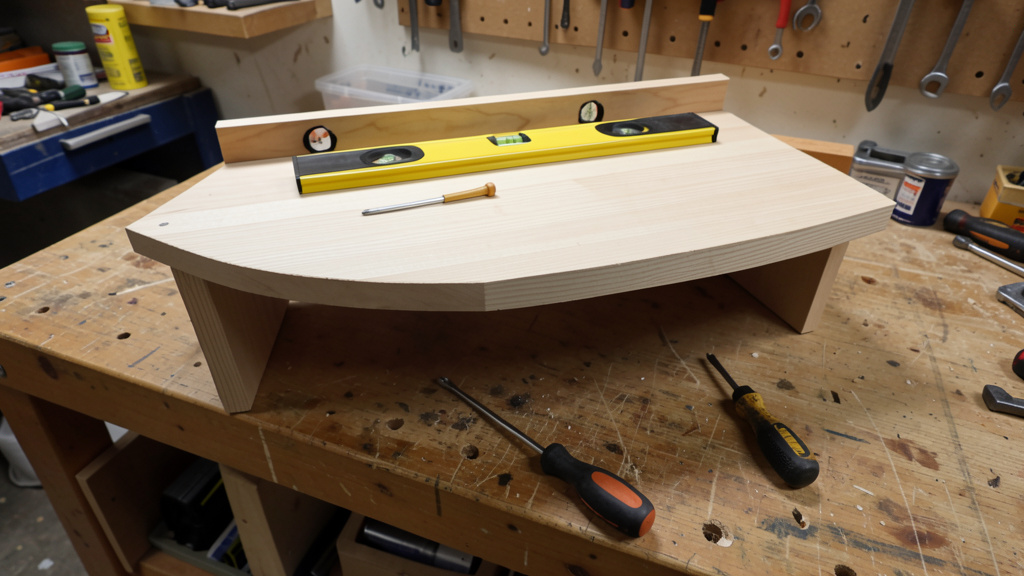
Stop blaming your skills. Start fixing the system. Uncover the hidden patterns behind project setbacks and build resilient, confident habits for every home project ahead.
You stand back, hands smudged with sawdust or paint, staring at the result of dedicated effort. The shelf sags. The tile grout cracks. The garden path veers unexpectedly. A familiar wave of frustration rises: “I’m just not cut out for this.” But what if that voice is misleading? What if the setback wasn’t about inherent ability, but about a hidden flaw in the project’s foundation—a flaw that can be identified, understood, and corrected? Drawing on recurring patterns observed across numerous documented DIY reflections—from community forums and educator resources to manufacturer insights—this guide moves beyond superficial “top mistakes” lists to deliver a systematic diagnostic framework. We’ll walk you through seven root cause categories that commonly influence project outcomes, equip you with precise diagnostic questions to pinpoint your specific situation, and provide adaptable pathways to transform your next attempt into meaningful progress. This isn’t about perfection; it’s about growth through understanding.
Introduction: Beyond the “I’m Not Handy” Myth
The narrative of DIY difficulty is often reduced to personal deficit: “I lack talent,” “I’m not patient enough,” or “I should have hired a pro.” This self-blame cycle is not only demoralizing but fundamentally inaccurate. In reality, most DIY project challenges stem from identifiable, correctable systemic factors—not from innate skill limitations. Consider learning to cook: burning the first pancake doesn’t mean you’re a terrible chef; it might mean the heat was too high, the batter overmixed, or the pan insufficiently oiled. Similarly, DIY projects operate within a complex system of planning, resources, environment, and execution. When a project encounters difficulty, it’s rarely due to a single error but rather a chain reaction originating from a root cause beneath visible symptoms.
Patterns observed across documented project reflections reveal consistent themes. These cluster not around individual clumsiness, but around seven recurring root cause domains. Recognizing this shifts the conversation from shame to strategy. It transforms perceived failure from a verdict on capability into valuable data about process. This guide is built on that insight. We’ll provide you with a diagnostic lens to examine any challenging project dispassionately, identify the true source of friction, and implement targeted adjustments. Whether your recent attempt involved a wobbly bookshelf, a leaky faucet repair, or a garden bed with drainage issues, the framework ahead offers clarity and a concrete path forward. Remember: every skilled maker has navigated early setbacks. What matters is not the absence of missteps, but a thoughtful approach to learning from them.
The Root Cause Diagnostic Framework: Seven Categories of Influence
Before examining your specific project, understand the landscape of potential friction points. Think of this framework as a diagnostic tree for your DIY endeavors. When a car won’t start, a skilled technician follows a logical sequence: battery, starter, fuel system. Similarly, we’ve categorized common project challenges into seven root cause domains. Most situations trace primarily to one category, though secondary factors often contribute. As you read each description, note which resonates most strongly with your experience. We’ll explore each deeply shortly, but first, the overview:
- The Planning & Scope Illusion: Challenges originate before the first tool is touched. Symptoms include constant improvisation, budget adjustments, and projects expanding unexpectedly. Root influence: Incomplete research, optimistic timelines, or unmanaged scope.
- The Tool & Material Mismatch: Using inappropriate tools or materials unsuited to the project’s demands. Symptoms: Frustration during work, visible inconsistencies (splintered edges, uneven cuts), or premature wear of the finished item.
- The Skill-Execution Gap: Attempting a technique without foundational practice or understanding underlying principles. Symptoms: Repeated errors in the same step, difficulty troubleshooting mid-project, results that feel “off” despite following instructions.
- The Environmental & Context Blind Spot: Overlooking how workspace constraints, weather, lighting, or household dynamics impact the work. Symptoms: Safety concerns, rushed decisions due to external pressures, unintended damage to surroundings.
- The Information & Guidance Deficit: Relying on incomplete, outdated, or misapplied instructions. Symptoms: Confusion at critical steps, incompatible techniques mixed from multiple sources, “this didn’t match the video!”
- The Physical & Mental State Factor: Proceeding when fatigued, stressed, rushed, or physically uncomfortable. Symptoms: Uncharacteristic oversights, skipped safety steps, abandoning the project midway.
- The Expectation-Reality Chasm: A disconnect between the envisioned outcome (often shaped by idealized imagery) and achievable results given real-world constraints. Symptoms: Disappointment despite functional execution, constant comparison to professional work, feeling the result “isn’t good enough.”
The Fundamental Principle: Project challenges rarely stem from a single misstep, but from an unaddressed root influence that cascades through the process. Diagnosing the root—not the symptom—is the most reliable path to meaningful improvement.
This framework moves beyond blame. If a deck repair shows moisture damage again within a year (symptom), the root influence might be Category 1 (Planning: not identifying the moisture source) or Category 5 (Information: using a sealant not rated for ground contact). Pinpointing the category directs your learning energy efficiently. In the following sections, we’ll explore each category in depth, providing diagnostic tools to apply this framework to your own projects.
Category 1: The Planning & Scope Illusion – When the Blueprint is Incomplete
Every project is built twice: once in planning, once in reality. The Planning & Scope Illusion occurs when the initial mental or written plan lacks detail, accuracy, or realism. This influence is subtle because work may proceed smoothly for days before encountering an unaddressed foundational gap. It’s like building on unstable ground: initial progress feels solid, but the structure lacks long-term resilience.
Symptoms You Might Recognize
- The “Oh, I Didn’t Think of That” Moment: Mid-project discoveries requiring backtracking (e.g., “I didn’t realize I needed to relocate this outlet before tiling,” or “I forgot to account for the yard’s slope when planning the patio”).
- Budget Adjustments: Initial estimates exceeded by unforeseen material needs, tool rentals, or correction costs. Multiple trips to the hardware store for “just one more thing.”
- Timeline Shifts: A weekend project stretching into weeks, causing frustration and loss of momentum. Family members gently inquiring about the unfinished shelf.
- Scope Creep: The project gradually expanding beyond its original intent (“While repainting, I might as well replace the trim… and the light fixture…”).
- Decision Fatigue: Constant unplanned choices draining mental energy, leading to compromised decisions later.
Diagnostic Questions: Is Planning the Primary Influence?
Answer honestly. If “yes” to three or more, Planning & Scope warrants close examination.
1. Did I create a detailed, step-by-step plan before purchasing materials? (Written or sketched, not just mental.)
2. Did I physically measure the space multiple times and account for obstacles (pipes, wires, uneven surfaces)?
3. Did I research all required materials and tools, including often-overlooked items (fasteners, adhesives, safety gear)?
4. Did I break the project into distinct phases with clear completion criteria for each?
5. Did I establish a realistic budget with a contingency buffer for unexpected needs?
6. Did I set a firm boundary on project scope and resist adding unplanned elements?
7. Did I consult multiple reliable sources to understand the full process?
Case Study: The Kitchen Backsplash That Stalled
Sarah envisioned a handmade tile backsplash to refresh her kitchen. She watched a popular tutorial, bought tiles and adhesive Saturday morning, and began tiling after lunch. By Sunday evening, she felt overwhelmed. Tiles were uneven, adhesive dried too quickly, and she realized she hadn’t accounted for wall unevenness or outlet placements. She paused the project, leaving a partially tiled wall. The visible symptom was “uneven tiling,” but the root influence was Category 1: Planning & Scope Illusion.
- What Happened: Sarah skipped critical planning steps. She didn’t assess wall flatness, practice cutting tiles on scraps, confirm electrical safety protocols near outlets, or recognize the need for specialized tools (tile cutter, level, spacers). The tutorial showed an idealized scenario, not her specific kitchen context.
- The Cascade: Lack of planning contributed to tool/material mismatch (Category 2), skill-execution uncertainty (Category 3), and environmental constraints (Category 4—working in a busy kitchen). The origin, however, was the planning gap.
Solution Pathway: Building a Resilient Project Plan
Strengthening your planning process requires deliberate habits, not engineering expertise. Implement this pre-project checklist for every endeavor, regardless of size:
Step 1: The “Five Whys” of Project Definition
Before purchasing anything, write your project goal. Ask “Why?” five times to uncover deeper needs and potential pitfalls.
– Goal: “Build a raised garden bed.”
– Why 1: “To grow vegetables.” → Why 2: “To eat healthier.” → Why 3: “To reduce pesticide exposure.” → Why 4: “To involve my children.” → Why 5: “To create shared outdoor activity.”
– Insight: This reveals needs for child-friendly height, safe materials, accessible location, and manageable maintenance. It helps resist scope creep (e.g., “Add a trellis only if it serves the core family activity goal.”).
Step 2: The Physical Mock-Up or Detailed Sketch
For spatial projects (furniture, layouts, gardens), create a full-scale mock-up using painter’s tape on walls/floors, or a detailed sketch with exact measurements. For Sarah’s backsplash, taping tile outlines would have revealed outlet conflicts and spacing issues before adhesive was applied. For a shelf, use cardboard cut to size to visualize proportions. This prevents costly spatial errors and builds confidence.
Step 3: The “Pre-Mortem” Exercise
Imagine it’s six months later, and the project encountered difficulties. Write exactly how it happened: “The shelf sagged because drywall anchors were used in plaster,” or “The garden bed deteriorated because untreated wood contacted soil.” This proactive analysis identifies risks to address in your plan. Research solutions for each anticipated challenge. This mental rehearsal sharpens focus and builds resilience.
Step 4: The Resource Audit
Create three clear lists:
– Tools Required: List every tool per step. Note: Do I own it? Is it appropriate quality? Do I know how to use it safely? Plan to borrow, rent, or practice if needed.
– Materials Required: List every item with quantities. Calculate coverage (e.g., square footage for paint) and include a small buffer for waste. Verify availability before setting a start date.
– Knowledge Gaps: List steps where uncertainty exists. Schedule dedicated time before starting to review manuals, watch tutorials, or practice on scrap material. For tile cutting, buy an extra tile to practice.
Step 5: Phase Gate Planning
Break the project into phases with a clear “gate” between them. Proceed to Phase 2 only after Phase 1 is complete and verified. Example for a bookshelf:
– Phase 1: Design & Procurement. Gate: All materials/tools gathered, cut list finalized.
– Phase 2: Cutting & Dry Fit. Gate: All pieces cut, sanded, assembled without adhesive to verify fit.
– Phase 3: Finishing. Gate: All pieces treated/stained and fully dry.
– Phase 4: Final Assembly. Gate: Shelf is level, secure, and passes safety checks.
This method prevents irreversible errors (like gluing mis-cut pieces). It builds in correction points. Implementing even one of these strategies significantly reduces friction. Time invested upfront saves frustration and resources later. Clarity before action is the hallmark of resilient project execution.
Category 2: The Tool & Material Mismatch – Working Against Your Equipment
Attempting tasks with inappropriate, dull, or low-quality tools—or selecting materials unsuited to the project’s demands—creates unnecessary friction. This influence manifests as struggle during work, visible inconsistencies, or premature wear of the finished item. It’s a battle against your own resources, draining enjoyment from the process.
Symptoms You Might Recognize
- Excessive Effort: Simple tasks feel difficult (sawing straight lines feels like wrestling; paintbrush leaves persistent streaks).
- Visible Inconsistencies: Splintered wood edges, uneven cuts, paint drips, grout cracking soon after application, wood warping post-assembly.
- Tool Strain: Drill bits snapping, saw blades binding, levels giving inconsistent readings. Repairing tools mid-project.
- Material Surprise: Paint color looks drastically different on the wall than the swatch; stain reacts unexpectedly with wood type.
- Safety Compromises: Using a tool outside its design intent due to limited options (e.g., using a screwdriver as a pry bar).
Diagnostic Questions: Is Tool & Material Mismatch the Primary Influence?
- Did I verify each tool is sharp, calibrated, and appropriate for the specific material and task? (e.g., Fine-tooth blade for plywood to minimize splintering.)
- Did I research material properties before purchasing? (e.g., Is this wood suitable for outdoor use? Is this paint formulated for high-moisture areas?)
- Did I test materials on a scrap piece or inconspicuous area first? (Paint color, stain reaction, adhesive bond.)
- Did I prioritize suitability over initial cost for critical components? (e.g., Corrosion-resistant fasteners for outdoor projects; a reliable tape measure.)
- Did I have the appropriate safety gear for the task? (e.g., Safety glasses with side shields for grinding; respirator rated for specific dust.)
Case Study: The Sagging Garage Shelf
Mark needed garage storage. He purchased economical pre-cut lumber and basic brackets, used old drill bits found in a drawer, and assembled the shelf quickly. It appeared acceptable initially. Within weeks, the shelf sagged under stored bins. Later, a bracket pulled from the wall. The symptom was “structural weakness,” but the root influence was Category 2: Tool & Material Mismatch.
- What Happened: The lumber had knots and warps, unsuitable for heavy loads. Brackets were thin-gauge steel with short screws. Dull drill bits caused screw heads to strip during installation, compromising hold. Mark hadn’t assessed actual load weight or wall type (drywall vs. stud).
- The Cascade: Material mismatch contributed to execution challenges (Category 3) and expectation misalignment (Category 7). The origin, however, was tool and material selection.
Solution Pathway: Becoming a Resource Strategist
Shift from passive tool user to intentional resource planner. This isn’t about owning the most expensive gear, but making choices aligned with project demands.
Understanding Tool “Fitness for Purpose”
Every tool has a design intent. Using it outside that intent guarantees friction. Reference guide for common tasks:
– Cutting Wood:
– Cross-cut (across grain): Handsaw with 8-12 teeth per inch (TPI) or power miter saw. A hacksaw (for metal) tears wood.
– Rip-cut (with grain): Handsaw with 4-7 TPI or table saw. Fine-tooth blades may burn wood.
– Plywood/Panel Goods: Blade with 80+ TPI (or fine-tooth handsaw). Score the cut line with a utility knife first for cleaner edges—a small step with significant impact.
– Fastening:
– Screws vs. Nails: Screws offer superior holding power and removability; nails provide shear strength. For shelf brackets, screws are essential. Match screw type to material (coarse-thread for wood) and ensure adequate length (penetrating mounting surface by ~1 inch).
– Drill Bits: Brad-point bits for clean wood holes; twist bits for general use; masonry bits for concrete. Dull bits require excess force, wander, and overheat. Replace bits showing wear. A sharp tool is safer and more precise.
– Measuring & Marking:
– Verify tape measure accuracy periodically against a known standard. “Measure twice, cut once” fails if the tape is stretched.
– Use a sharp pencil or marking knife. A dull pencil line introduces measurement error. For critical joints, a knife severs wood fibers, reducing tear-out during cutting—a detail distinguishing careful work.
Material Selection: Looking Beyond Price
Materials have inherent properties that influence outcomes. Develop the habit of reading labels and brief research:
– Lumber:
– Grade Matters: “Select” or “Premium” grade pine has fewer knots for visible projects; “Standard” grade suffices for hidden framing.
– Moisture Content: Indoor projects need kiln-dried (KD) lumber (6-8% moisture). Green lumber warps as it dries. For ground contact outdoors, specify pressure-treated lumber rated for “ground contact” or naturally rot-resistant species (cedar, redwood).
– Plywood: Avoid “shop-grade” for visible surfaces. For cabinets, choose “sanded pine” or “birch plywood” with smooth veneer. Check ply count—more plies generally increase stability. For outdoor use, specify “exterior-grade” with waterproof glue (look for “APA Rated Sheathing Exposure 1”).
– Paints & Finishes:
– Primer is Essential: Skipping primer on bare wood, drywall, or during significant color changes leads to poor adhesion, uneven coverage, and more topcoats. Use stain-blocking primer for knots or water stains.
– Sheen Selection: Flat/matte hides wall flaws but is hard to clean. Eggshell/satin suits living areas. Semi-gloss/gloss offers durability for trim, doors, and moisture-prone areas (kitchens, bathrooms). Using flat paint in a bathroom invites mildew.
– Test First: Buy a sample pot. Paint a large board, let it dry fully, and observe in the room’s varying light (morning sun, evening lamp). Lighting dramatically alters perception—this step prevents repainting.
– Adhesives & Fasteners:
– Right Adhesive: Wood glue (PVA) for porous materials; epoxy for metal/ceramic/gap-filling; construction adhesive for dissimilar materials; silicone caulk for flexible, waterproof seals. Superglue creates brittle joints on wood.
– Fastener Corrosion: In damp or outdoor settings, use stainless steel, hot-dipped galvanized, or coated fasteners rated for the environment. Standard steel rusts, stains materials, and loses strength—a frequently overlooked detail.
The “Tool Library” and “Scrap Bin” Strategy
Ownership isn’t mandatory. Many communities offer tool libraries for borrowing specialized items (tile saws, floor nailers). Maintain a “scrap bin” of leftover wood, tile, or metal for practicing cuts, testing finishes, or making jigs. Before starting, ask: “Can I borrow, rent, or use scrap for practice?” Local makerspaces may provide access to equipment otherwise impractical to own—explore these resources.
Maintenance Rituals
A well-maintained basic tool often outperforms a neglected premium one. Simple habits:
– After Use: Wipe tools clean. Remove sawdust from blades (buildup affects performance and is a fire hazard). Oil metal surfaces to prevent rust.
– Monthly: Check calibration of levels and squares. Organize your workspace for efficiency, reducing temptation to use the wrong tool.
– Annually: Service power tools per manufacturer guidance. Verify tape measure accuracy.
Treating tools and materials as strategic partners reduces friction significantly. Confidence from using appropriate resources transforms struggle into flow. Thoughtful investment in resources supports safety, success, and satisfaction.
Category 3: The Skill-Execution Gap – Bridging Knowing and Doing
You’ve watched the tutorial. You understand the theory. But when you pick up the tool, execution feels uncertain. The Skill-Execution Gap is the natural disconnect between cognitive understanding and physical proficiency. This is universal in skill acquisition—not a personal shortcoming. Ignoring this gap leads to repeated inconsistencies, wasted materials, and project pauses.
Symptoms You Might Recognize
- “I See It, But Can’t Do It Yet”: Describing the technique clearly, but execution feels clumsy or inconsistent (wobbly cuts, uneven brushwork, misaligned joints).
- Anticipatory Hesitation: Procrastination due to fear of visible mistakes. The project feels daunting.
- “Fix-It-Later” Reliance: Making errors while planning corrections later (e.g., “I’ll sand the gap,” “I’ll caulk the seam”), often compounding issues.
- Troubleshooting Difficulty: Feeling stuck when something deviates mid-project due to limited understanding of underlying principles.
- Comparison Discomfort: Watching experts complete tasks effortlessly online without recognizing their accumulated practice.
Diagnostic Questions: Is Skill-Execution the Primary Influence?
- Did I practice the critical skill on scrap material before working on final pieces?
- Do I understand the why behind key steps, or am I mimicking actions? (e.g., Why pre-drill screw holes? Why cut wood with the good side down on a circular saw?)
- Did I break the complex skill into smaller, learnable components? (e.g., Learning router use by practicing straight cuts on scrap before decorative edges.)
- Did I seek specific feedback on practice attempts? (e.g., Showing a practice cut to an experienced maker, comparing to a reference photo.)
- Did I allocate dedicated, low-pressure time for skill practice separate from “completing the project”?
Case Study: The Gapped Picture Frame
David built a wooden picture frame as a gift. He watched a woodworking video showing precise 45-degree miter cuts glued together. Confident, he cut the four pieces. During dry-fit, corners showed visible gaps. He forced them with clamps, but the frame remained out of square. He felt discouraged, believing he “lacked woodworking hands.” The symptom was “inconsistent cutting,” but the root influence was Category 3: Skill-Execution Gap.
- What Happened: David hadn’t practiced precise miter cuts previously. He didn’t verify his miter saw’s calibration to exactly 45 degrees. He lacked techniques for consistent length cuts (like a stop block). He didn’t know how to check for square during assembly. The video showed the expert’s result, not the beginner’s learning path.
- The Cascade: The skill gap contributed to tool considerations (Category 2—he needed a stop block) and expectation alignment (Category 7). The origin was foundational skill practice.
Solution Pathway: The Deliberate Practice Protocol
Bridging this gap requires shifting from passive observation to active, structured practice. This is methodical skill-building, not innate talent.
Step 1: Deconstruct the Skill
Identify specific micro-skills required. For a picture frame:
– Calibrating the miter saw accurately.
– Making consistent length cuts (using a stop block).
– Cutting clean 45-degree miters.
– Dry-fitting pieces and diagnosing gap causes.
– Applying adhesive and clamping without shifting.
– Verifying square during assembly.
Isolate one micro-skill per practice session. Focus energy where it matters most.
Step 2: The Scrap Material Drill
Before using project materials, dedicate 30-60 minutes solely to practice on scrap. For David’s frame:
– Session 1: Focus only on saw calibration and perfect 45-degree cuts. Cut ten scrap pieces. Check each with a precision square. Adjust until consistent. Goal: Accuracy, not speed.
– Session 2: Focus on consistent length. Build a simple stop block (scrap clamped to fence) to ensure identical piece lengths. Cut ten pieces, verifying each.
– Session 3: Focus on assembly. Dry-fit four practice pieces. If gaps appear, diagnose: length issue? angle issue? Learn gentle adjustment techniques. Practice clamping evenly.
This builds muscle memory and confidence. Time invested prevents errors on final materials. Scrap material is your most valuable teacher.
Step 3: Embrace the “Learning Prototype”
Grant yourself permission to build a functional first version. For complex projects (like a cabinet), construct a full-scale prototype from inexpensive plywood or cardboard. This “learning prototype” allows you to:
– Test assembly sequence.
– Identify measurement errors.
– Practice joinery.
– Refine your cut list.
The prototype isn’t meant to be perfect; it’s a learning tool. Many experienced makers use this technique. It transforms pressure (“get it right the first time”) into freedom (“learn what right looks like”). This mindset reduces anxiety and accelerates growth.
Step 4: Learn Principles, Not Just Steps
Understanding the “why” enables adaptation and troubleshooting. For example:
– Why pre-drill in hardwood? To prevent splitting. The pilot hole should be slightly smaller than the screw’s root diameter. Knowing this lets you select the correct bit for any screw and wood.
– Why cut wood with the good side down on a circular saw? The blade exits the bottom, minimizing tear-out on the visible surface. Understanding tear-out principles allows adaptation to different saws or materials.
Seek resources explaining principles. Books like “Understanding Wood” by R. Bruce Hoadley offer foundational knowledge. Online, prioritize creators who explain the physics or chemistry behind techniques (“Why this adhesive works”) over those showing only steps. Principle-based learning creates adaptable skills.
Step 5: Leverage “Pause and Reflect”
Build intentional pauses into practice or work:
– Before a critical step: Stop. Visualize the desired outcome. Review key technique points. Take a breath.
– After completing a step: Stop. Inspect your work. Ask: “Does this meet my standard? What could improve next time?” This metacognition accelerates learning far more than repetition alone.
– When frustrated: Stop. Step away for 10 minutes. Frustration impairs fine motor control and judgment. Return with fresh perspective.
Step 6: Seek Targeted Feedback
Move beyond “Does this look okay?” Ask specific questions:
– “Can you verify if this cut is square?”
– “Does the adhesive application look even?”
– “Where do you see the largest gap in this joint?”
If possible, record your technique and compare to an expert’s video. Subtle differences (hand position, stance) are often adjustable. Community workshops, makerspaces, or knowledgeable peers provide invaluable feedback.
Bridging the skill-execution gap is a journey of patience and self-kindness. Celebrate small improvements—a straighter cut, a cleaner joint. They signal growth. Each practice session builds capability for current and future projects. Remember: The goal isn’t to avoid mistakes, but to make new mistakes—evidence of learning and expanding boundaries. Mastery grows through deliberate repetition.
Category 4: The Environmental & Context Blind Spot – Honoring Your Project’s Setting
DIY projects don’t happen in a vacuum. They occur within specific physical spaces (garage, kitchen, backyard) and human contexts (family schedules, weather, time pressures). Overlooking these factors can undermine even well-planned efforts executed with care. This influence often appears as safety concerns, rushed work, unintended damage, or project pauses due to external pressures.
Symptoms You Might Recognize
- Workspace Disruption: Tools/materials spilling into living areas, creating hazards or household friction. Time spent searching outweighs time working.
- Weather Interference: Outdoor projects interrupted by rain, heat, or wind, causing material issues (warping, adhesive failure) or rushed work.
- Time Pressure: Working late to “finish one step,” leading to fatigue-induced oversights or skipped safety steps. External deadlines forcing rushed decisions.
- Surrounding Damage: Paint on uncovered floors, sawdust in HVAC systems, scratches on finished surfaces from equipment.
- Safety Near-Misses: Almost contacting a hidden wire due to unverified wall contents, or ladder instability on uneven ground.
Diagnostic Questions: Is Environment & Context the Primary Influence?
- Did I assess the workspace for safety hazards before starting? (Trip risks, overhead obstacles, electrical sources, ventilation needs.)
- Did I secure the area to protect the project, myself, and surroundings? (Drop cloths, plastic sheeting, tool organization, child/pet barriers.)
- Did I check weather forecasts (outdoor) and indoor conditions (temperature, humidity for painting/finishing)?
- Did I communicate project timeline and space needs with household members to set expectations?
- Did I schedule work during my personal energy peaks and in realistic time blocks (e.g., focused 90-minute sessions)?
Case Study: The Basement Floor Patch That Didn’t Hold
Maria patched a cracked basement floor section. She mixed compound Saturday morning, applied it, and smoothed it. By Sunday, the patch was cracked and crumbling. She assumed product failure. The symptom was “adhesive failure,” but the root influence was Category 4: Environmental & Context Blind Spot.
- What Happened: Maria didn’t assess basement humidity. The space had moisture vapor transmission from soil—a common older-basement issue. The compound required a dry substrate to cure properly. Additionally, dim lighting made crack depth hard to see, and frequent interruptions from children caused rushed smoothing. Environment and context undermined the effort from the start.
- The Cascade: The environmental factor contributed to material selection (Category 2—needing a moisture-tolerant product) and execution pace (Category 3). The origin was insufficient environmental assessment.
Solution Pathway: Designing a Supportive Project Ecosystem
Treat your project environment as a critical variable to manage proactively. Implement these strategies to create conditions for success.
Conduct a Pre-Project Environmental Audit
Before unboxing tools, walk through the space with a checklist:
– Safety First:
– Identify hazards: overhead lines (for ladders), buried utilities (call 811 before digging), electrical sources, gas lines, unstable surfaces. For indoor work near utilities, know shut-off locations.
– Ensure adequate ventilation. Many adhesives, paints, and solvents require fresh air or specific respirators. Check product Safety Data Sheets (SDS) for requirements.
– Verify lighting. Task lighting (a clamp-on LED work light) is essential for detail work. Shadows hide flaws and increase error risk. A modest light investment significantly improves accuracy and safety.
– Workspace Preparation:
– Containment: Use plastic sheeting and painter’s tape to seal the work area from the rest of the house, especially for dusty/messy projects. Protects HVAC and living spaces.
– Protection: Cover floors with rosin paper (for heavy traffic) or drop cloths. Use cardboard or Masonite to protect surfaces under tools. Mask adjacent areas with painter’s tape and paper.
– Organization: Set up a dedicated tool station (folding table) and material staging area. Use labeled bins for small parts (screws, washers). A place for everything reduces frustration.
– Environmental Conditions:
– Temperature & Humidity: Most adhesives, paints, and wood products specify application ranges (e.g., “Apply between 50°F and 90°F,” “Humidity below 85%”). Use a hygrometer/thermometer to verify. For moisture-prone areas like basements, test first: tape a 12″x12″ plastic sheet to the floor for 24 hours; condensation underneath indicates moisture requiring mitigation.
– Weather (Outdoor Projects): Check a reliable forecast for 72 hours. Avoid starting projects requiring cure time (concrete, paint, adhesives) if rain, high wind, or temperature extremes are predicted. Have contingency plans (tarps, temporary shelter).
Manage the Human Context
Projects exist within family and social systems. Proactive communication prevents friction.
– Set Expectations: Briefly share with household members:
– Project scope and expected duration.
– Areas that will be inaccessible and for how long.
– Noise/dust levels and timing (e.g., “Loud sawing only between 10 am–4 pm”).
– How they can support (or what “do not disturb” means).
– Schedule Strategically: Block focused work time in your calendar. Protect it. Coordinate childcare during critical phases if needed. Break work into sessions matching your energy and attention span—two focused 90-minute sessions often yield better results than one exhausted 4-hour block.
– Create Rituals: Start each session with 5 minutes of setup (organize tools, review goals). End with 5 minutes of cleanup (put tools away, sweep). This bookending creates psychological closure, eases restarts, and maintains a safe workspace.
Adapt to Constraints, Don’t Fight Them
Sometimes the environment dictates the method. Flexibility is strength:
– Limited Space: In small apartments, choose compact tools (cordless drills over large stationary tools). Pre-cut materials at the store if possible. Work in stages with full cleanup between sessions.
– Time Constraints: With only 30 minutes daily, select projects broken into micro-tasks (“Today: sand one shelf,” “Tomorrow: first stain coat”). Avoid projects needing long, uninterrupted cure times if your schedule is unpredictable.
– Physical Considerations: If kneeling is uncomfortable, use knee pads or a stool. If lifting heavy materials is challenging, use dollies or seek assistance. Adapting the method to your body is smart project management, not weakness. Safety is non-negotiable.
Consciously designing your project environment removes invisible barriers. It transforms chaos into order, pressure into focus, and hazards into safety. This proactive approach prevents setbacks and makes the DIY process more enjoyable and sustainable. You aren’t just building a project; you’re cultivating conditions for your own success. A prepared environment is the silent partner in resilient project execution.
Category 5: The Information & Guidance Deficit – Navigating Abundant but Uneven Advice
Today’s DIYer faces abundant information—but varying quality. The Information & Guidance Deficit occurs when relying on incomplete, outdated, contradictory, or misapplied instructions. Algorithm-driven content can elevate viral but flawed tutorials over authoritative sources. Symptoms include confusion at critical steps, mixing incompatible techniques, and results diverging from expectations. This erodes confidence and wastes time and resources.
Symptoms You Might Recognize
- “Tutorial Confusion”: Combining steps from multiple videos only to find methods conflict (e.g., one says “pre-drill all holes,” another says “no pre-drilling needed with these screws”).
- Outdated Methods: Following instructions not accounting for modern materials or updated standards (e.g., wiring methods no longer aligned with current electrical guidelines).
- Over-Simplified “Hacks”: Life hacks working in controlled demos but failing in real conditions (e.g., “Use toothpaste to fill wood holes!”—it dries brittle and fails).
- Missing Critical Details: Instructions skipping essential steps (“…then assemble the pieces”) or assuming prior knowledge.
- Source Uncertainty: Not recalling where critical advice originated, making verification or troubleshooting difficult.
Diagnostic Questions: Is Information Deficit the Primary Influence?
- Did I verify the credibility and recency of my primary information source? (Check author context, publication date, comments for corrections.)
- Did I cross-reference critical steps with at least two other reputable sources? (Especially for safety-sensitive tasks like electrical, plumbing, or structural work.)
- Did I read the entire set of instructions (manufacturer manual, full article) before starting, rather than proceeding step-by-step?
- Did I assess whether the source’s context matches mine? (e.g., A tutorial filmed in a professional workshop with premium tools may not translate to a home garage with basic tools.)
- Did I seek information on common pitfalls for this specific project type? (Often found in forum discussions or “lessons learned” posts.)
Case Study: The Faucet Repair That Sprayed
Ben’s kitchen faucet dripped. He found a popular “Fix ANY Dripping Faucet in Minutes!” video. He followed it exactly. When water was restored, water sprayed from the faucet base. He had to shut off the main supply. The symptom was “installation error,” but the root influence was Category 5: Information & Guidance Deficit.
- What Happened: The video was generic and didn’t address Ben’s specific faucet model (a common brand with multiple cartridge types). It omitted the critical step of turning off water supply under the sink before starting (Ben only turned off faucet valves, which was insufficient). It also didn’t mention cleaning mineral deposits from the valve seat—the actual cause of the original drip. Ben applied a one-size-fits-all solution to a nuanced problem.
- The Cascade: The information gap contributed to environmental factors (Category 4—water spray created a slip hazard) and tool considerations (Category 2—using pliers that scratched the finish due to unspecified tool needs). The origin was reliance on incomplete, non-specific guidance.
Solution Pathway: Becoming an Information Detective
Shift from passive content consumer to active, critical evaluator. Develop a systematic approach to sourcing and validating information.
Step 1: Source Triangulation Protocol
Never rely on a single source for critical projects. Implement a three-source approach:
– Source Type 1: Manufacturer Documentation. The gold standard. Find your product’s model number and download the official manual or repair guide from the manufacturer’s website. It contains model-specific diagrams, part numbers, and procedures. For Ben, this would have shown the exact cartridge type and shut-off valve locations.
– Source Type 2: Reputable Institutional or Educational Content. Seek content from established entities:
– Trade Associations: National Kitchen and Bath Association (NKBA), Associated General Contractors of America (AGC).
– Educational Institutions: University extension programs (gardening, woodworking), community college workshop materials.
– Government Resources: Energy Star guides, CDC safety guidelines, local building department resources.
– Established Publishers: Family Handyman, This Old House, Fine Homebuilding (verify publication dates).
– Source Type 3: Community Wisdom with Critical Filters. Online forums (Reddit’s r/DIY, Houzz, brand-specific forums) offer real-world insights. Apply filters:
– Prioritize detailed posts with photos/videos of the entire process, not just results.
– Check commenter history: Do they provide reasoned explanations? Are they recognized contributors?
– Beware of “it worked for me” anecdotes lacking context. Favor posts explaining why something works.
– Read comments on videos/articles for corrections, updates, or user warnings.
Step 2: The Pre-Project Information Audit
Dedicate time solely to research before gathering materials:
– Create an Information Dossier: Open a document for your project. Include:
– Project overview and personal success criteria.
– Verified tool/material list with sources.
– Step-by-step procedure synthesized from triangulated sources.
– “Potential Pitfalls” section: List anticipated challenges and mitigation strategies (e.g., “Warning: Do not overtighten plastic fittings,” “Critical: Verify wire colors match diagram”).
– Emergency references: Local building department contact, utility shut-off locations.
– Verify Recency: Check dates. For code-related topics (electrical, plumbing), ensure sources reflect current standards. A decade-old guide may contain outdated practices.
– Assess Source Context: Is content created by a tool company? A blogger? While not inherently unreliable, note potential biases. Look for balanced reviews discussing pros and cons.
Step 3: Contextual Translation
Adapt generic advice to your specific situation:
– Tool Substitution: If a tutorial requires an unavailable tool, research safe alternatives. Example:
– Tutorial says: “Use a Kreg Jig for pocket holes.”
– Your context: You don’t own one.
– Research: Can dowels, biscuits, or reinforced butt joints achieve similar strength? Search “pocket hole alternatives for [project type].” Evaluate trade-offs in strength, appearance, and difficulty.
– Material Substitution: If a recommended material is unavailable, research equivalents. Example:
– Tutorial says: “Use Baltic birch plywood.”
– Your context: Only standard plywood is available.
– Research: Baltic birch has more plies and void-free cores. For a non-structural shelf back, standard plywood may suffice. For a drawer box, it might not. Consult woodworking communities for substitution advice.
– Skill Level Adjustment: If a tutorial assumes advanced skills, search for “beginner version of [project]” or “simplified [technique].” Many creators offer scaled approaches.
Step 4: Build a Personal Knowledge Base
Turn each project into learning for the next:
– Post-Project Notes: After completion (or pause), update your dossier with:
– What worked well?
– What would you adjust next time?
– Specific insights discovered (e.g., “For this cut, set saw depth to 1.5 inches”).
– Photos of tricky steps for future reference.
– Curate a “Trusted Resources” Folder: Save links to exceptionally clear tutorials, reliable suppliers, or helpful tools. Organize by category (plumbing, woodworking, gardening). This becomes your personalized, vetted library.
– Support Quality Creators: When you find thorough, transparent content, support it (subscribe, share thoughtfully). This encourages better DIY resources for everyone.
Critical Red Flags in DIY Content
Train yourself to spot unreliable information:
– 🚩 “No experience needed!” claims for complex, safety-sensitive tasks (electrical panel work, gas line installation).
– 🚩 Absence of safety warnings or personal protective equipment (PPE) demonstration.
– 🚩 Over-reliance on “hacks” bypassing standard, proven methods.
– 🚩 Comments flooded with “This didn’t work for me” or “You missed a critical step.”
– 🚩 Vague language: “some adhesive,” “a few screws,” “let it dry for a while.” Reliable instructions specify types, quantities, and exact conditions.
Adopting an information detective mindset empowers you to navigate DIY content with confidence. You replace uncertainty with verified knowledge and generic advice with context-aware wisdom. This prevents setbacks and builds a foundation of reliable knowledge that grows with every project. Remember: The goal isn’t memorizing every step, but cultivating the skill of finding and validating the right information at the right time. In an age of information abundance, discernment is your most valuable tool.
Category 6: The Physical & Mental State Factor – Honoring Your Human Capacity
Tools can be sharpened, plans revised, but the person holding the tool is the most variable element. Your energy levels, emotional state, focus, and physical well-being directly influence decision-making, precision, and safety. Proceeding when fatigued, stressed, rushed, or uncomfortable magnifies other potential friction points. This factor is often overlooked because it feels personal, but it’s a universal human constraint requiring intentional management.
Symptoms You Might Recognize
- The “Just One More Step” Trap: Continuing past fatigue, leading to a critical oversight (measuring incorrectly, cutting the wrong piece, skipping a safety step).
- Emotional Reactivity: Minor setbacks (a stripped screw, a paint drip) triggering disproportionate frustration, clouding judgment.
- Rushed Execution: Sacrificing quality or safety to meet an arbitrary deadline (“Must finish before the game starts”).
- Ignored Discomfort: Working through back pain, eye strain, or dehydration, diminishing fine motor control and attention.
- Decision Paralysis: Feeling overwhelmed by choices mid-project due to mental fatigue, causing the project to stall.
Diagnostic Questions: Is Physical/Mental State the Primary Influence?
Reflect honestly:
1. Did I begin the project when reasonably rested, nourished, and hydrated?
2. Did I set a realistic time boundary for the session, with a planned stopping point before exhaustion?
3. Did I acknowledge my current emotional state? (e.g., Avoiding precision work when highly stressed.)
4. Did I take scheduled breaks (e.g., 5-10 minutes every hour) to rest eyes, stretch, and reset focus?
5. Did I stop work when noticing rising frustration, physical discomfort, or declining concentration?
Case Study: The Stripped Screw and the Paused Project
After a long, stressful workday, Lena assembled a bookshelf before bed. Tired and wanting to “just finish,” she stripped a screw head while driving it too quickly with a power drill. Frustrated, she forced it with a manual screwdriver, which snapped. Feeling overwhelmed, she carefully set the partially assembled shelf aside. She resumed two days later, refreshed, and completed it successfully. The symptom was “assembly difficulty,” but the root influence was Category 6: Physical & Mental State Factor.
- What Happened: Lena started while depleted (fatigue, stress). This reduced fine motor control (stripped screw), patience (rushing drill speed), and emotional resilience. Her awareness of her state allowed her to pause—a strategic choice, not failure.
- The Cascade: The state factor amplified tool considerations (Category 2—drill control) and expectation alignment (Category 7). Recognizing her state prevented a minor issue from becoming project-ending.
Solution Pathway: Cultivating Project-Ready Presence
Managing your state is a critical project management skill, not indulgence. Implement these evidence-informed strategies.
Pre-Project State Assessment: The “Readiness Check”
Before unboxing tools, perform a quick self-audit. Proceed only if most conditions are met:
– 🟢 Physical Readiness: Am I reasonably rested? Have I eaten recently? Am I hydrated? Do I have acute pain or illness that could impair focus or safety?
– 🟢 Mental Readiness: Do I feel relatively calm and focused? Is my stress level manageable? Do I have mental bandwidth for this task? (If preoccupied with other issues, consider postponing.)
– 🟢 Temporal Readiness: Do I have a realistic, uninterrupted time block for the planned phase? (e.g., “90 minutes to assemble the frame.”) Is external pressure to rush present? (Can it be mitigated?)
– 🟢 Environmental Readiness: Is my workspace set up to support focus? (Minimal distractions, good lighting, comfortable temperature.) Have I communicated my need for uninterrupted time?
If more conditions are unmet than met, postpone. This is strategic wisdom. The project will wait; a mistake made while depleted may not be reversible. Honor your humanity.
In-Session State Management Techniques
Once started, actively maintain optimal conditions:
– Structured Breaks: Work in focused intervals (e.g., 25-50 minutes) followed by short breaks (5-10 minutes). During breaks:
– Step away from the workspace.
– Hydrate (keep water nearby).
– Stretch major muscle groups (neck, shoulders, back, legs).
– Look at something 20 feet away for 20 seconds (20-20-20 rule for eye rest).
Set a timer—it’s easy to lose track. This prevents fatigue buildup.
– Emotional Check-Ins: Periodically assess frustration on a scale of 1-10. If rising above a manageable level, pause. Take three deep breaths. Ask: “Is this frustration due to a solvable problem (wrong tool) or my current state (fatigue)?” If state-related, end the session. If solvable, take a short break, then address calmly.
– Mindful Transitions: Before moving to a new phase (e.g., cutting to assembly), pause. Take three breaths. Review next steps. This “reset” clears mental clutter and prevents carryover errors.
– Fuel and Hydration: Keep water and light snacks (nuts, fruit) accessible. Dehydration and low blood sugar impair cognitive function and motor skills. Avoid excessive caffeine or sugar causing energy crashes.
Designing Around Human Rhythms
Structure your approach around natural limits:
– Schedule Deep Work: Tackle complex, precision tasks during your personal energy peaks. Save simpler, repetitive tasks (sanding, organizing) for lower-energy times.
– Break Projects into “State-Appropriate” Chunks:
– High-Focus Chunks: Require full concentration (measuring, critical cuts, wiring). Schedule for short, protected blocks when fresh.
– Medium-Focus Chunks: Repetitive actions with lower error impact (applying finish to hidden surfaces, hardware organization). Suitable for moderate energy.
– Low-Focus Chunks: Administrative tasks (research, ordering parts, cleanup). Can be done during lower energy while still making progress.
– Define “Stop Work” Triggers: Establish clear, non-negotiable conditions to pause immediately:
– Feeling physical pain (back, wrist, eyes).
– Making repeated avoidable errors.
– Frustration rising uncontrollably.
– Reaching your predetermined stop time.
– Feeling dizzy or lightheaded.
Honor these triggers without judgment. Pausing is professionalism, not weakness.
Reframing Setbacks with Self-Kindness
When errors occur, your internal dialogue matters. Replace criticism with compassionate curiosity:
– Instead of: “I’m so clumsy. I ruined it.”
– Try: “That didn’t go as planned. What can I learn? Was I rushing? Was lighting poor? How can I adjust next time?”
Research shows self-compassion increases resilience and motivation to improve, while self-criticism leads to avoidance. Treat yourself as you would a friend learning a new skill. A simple hand on your heart—a gesture activating care—can shift perspective. Speak gently.
The Power of the Intentional Pause
Modern culture often glorifies “pushing through.” Reject this. Skilled makers know when to step away. If a step isn’t working, doubt arises, or frustration builds—pause. Cover the project. Walk away for hours or days. Return with fresh perspective. Often, solutions become clear, or minor imperfections seem insignificant. This pause prevents errors born of fatigue or frustration. It is not quitting; it is strategic recalibration.
Honoring your humanity—the need for rest, the impact of emotion, the limits of focus—transforms DIY from a stressor into a sustainable, enjoyable practice. You build not only projects but also self-awareness and resilience. Remember: The project is important, but your well-being is paramount. A paused project can be resumed; injury or burnout cannot be easily undone. Prioritize your state. The project will benefit immensely. You are your most important resource—tend to it with care.
Category 7: The Expectation-Reality Chasm – Aligning Vision with Handmade Reality
You’ve followed steps carefully. Used appropriate tools. But stepping back, disappointment arises. It doesn’t resemble the curated photo. It doesn’t feel as satisfying as imagined. The Expectation-Reality Chasm stems from a disconnect between an idealized vision (often shaped by edited media) and the tangible, imperfect reality of handmade work. This chasm doesn’t mean the project failed technically—it may be functional and sound—but it feels lacking because it doesn’t meet internalized, often unrealistic, standards. This erodes motivation and joy, making you question the entire endeavor.
Symptoms You Might Recognize
- The “Comparison Spiral”: After completion, endlessly comparing your result to flawless professional photos online, feeling inadequate.
- Imperfection Fixation: Focusing intensely on a tiny scratch, slightly uneven seam, or color variation no one else would notice, while overlooking overall success.
- Diminished Satisfaction: Inability to feel pride despite others praising the result. Thought: “But it’s not perfect.”
- Project Abandonment: Starting many projects but rarely finishing due to feeling the envisioned outcome is unattainable.
- “Should Have” Regret: “I should have hired a pro,” “I should have chosen a different design,” “I should have waited for better materials.”
Diagnostic Questions: Is Expectation-Reality the Primary Influence?
Consider:
1. Did I define my own criteria for success before starting, independent of social media? (e.g., “Success = a functional shelf holding my books,” not “Success = a shelf from a design magazine.”)
2. Did I account for the “handmade” aesthetic in my expectations? (Slight variations, visible joinery, tool marks can add character.)
3. Am I comparing my “behind-the-scenes” (messy process, learning curve) to someone else’s “highlight reel” (polished final photo, often staged and edited)?
4. Did I document my project journey (photos, notes) to appreciate progress and learning, not just the endpoint?
5. Am I acknowledging the constraints I worked within (budget, time, current skill level) when evaluating the result?
Case Study: The Handmade Cutting Board That Wasn’t “Perfect”
Alex spent weekends crafting an end-grain cutting board from walnut and maple scraps. He followed a detailed tutorial, practiced cuts, and finished it with food-safe oil. The board was functional, sturdy, and unique. But when he looked at it, he fixated on a barely visible glue line and natural wood color variation. He felt it wasn’t “good enough” compared to store-bought perfection. He rarely used it. The symptom was “dissatisfaction,” but the root influence was Category 7: Expectation-Reality Chasm.
- What Happened: Alex’s expectation was shaped by flawless, professionally photographed boards. He didn’t value the board’s unique character—the glue line reflected careful assembly; the color variation celebrated natural wood beauty. He compared his first attempt to master craftspeople with decades of experience and industrial equipment. The reality (a functional, beautiful handmade item) was excellent; the expectation (flawlessness) created dissatisfaction.
- The Cascade: The expectation gap contributed to emotional state (Category 6) and nearly caused project abandonment. The origin was misaligned expectations.
Solution Pathway: Cultivating Realistic and Rewarding Expectations
Bridging this chasm requires conscious effort to redefine success, celebrate progress, and embrace the inherent value of handmade work. This mindset shift profoundly impacts your DIY journey.
Step 1: Define Personal, Process-Oriented Success Metrics
Before starting, write specific, achievable criteria for success. Focus on your growth and your context, not external validation.
– Instead of: “This shelf must be perfectly level with invisible seams.”
– Try: “Success criteria for this shelf:
1. It securely holds my book collection without sagging.
2. I practiced using the level and drill correctly.
3. I completed it within my $50 budget.
4. I feel proud I built it myself.”
These criteria are within your control. They emphasize function, learning, and personal achievement. Evaluate the result against these metrics, not an imaginary ideal. Keep them visible during the project.
Step 2: Embrace the “Wabi-Sabi” of Making
Wabi-sabi is a Japanese aesthetic celebrating beauty in imperfection, impermanence, and incompleteness. Apply this lens:
– Visible Joinery: A dovetail joint not perfectly tight? It shows the maker’s hand. It has character.
– Tool Marks: Light sanding marks on a rustic table? They add texture and tell the creation story.
– Material Variations: Knots in wood, color shifts in tile—these are not flaws; they are signatures of natural materials. They make your project unique.
Shift language: Instead of “flaw,” say “character mark.” Instead of “mistake,” say “learning point.” This reframing reduces the sting of imperfection and increases appreciation for handmade quality. Run your hand over that seam—it’s proof of your effort, not evidence of failure.
Step 3: Curate Your Input Mindfully
Your expectations are shaped by what you consume. Take control:
– Diversify Your Feed: Follow creators who show the entire process—the mistakes, fixes, messy workshops. Seek accounts celebrating “good enough” and functional beauty over sterile perfection. Look for hashtags like #diyhonesty, #makingnotperfect, #handmadehome.
– Limit Comparison Triggers: If scrolling leaves you feeling inadequate, set time limits or unfollow triggering accounts. Remember: Those images are often:
– Staged with professional lighting and styling.
– Edited (color-corrected, flaws digitally removed).
– Created by professionals with years of experience and specialized equipment.
– Showing the best of many attempts.
– Seek “Process Over Product” Content: Watch videos focusing on the maker’s journey, problem-solving, and joy of creating—not just the glossy final reveal. This normalizes the learning curve.
Step 4: Document and Celebrate the Journey
Shift focus from destination to path:
– Keep a Project Journal: Take “before” photos. Snap pictures of workspace setup, practice cuts, the tricky step you solved. Write brief notes: “Today I learned saw calibration,” “Felt frustrated but took a break and returned calm.” This journal becomes a powerful record of growth. Months later, reviewing it shows progress.
– Create a “Wins” Folder: Save positive comments (“I love how this shelf looks!”), photos of the project in use (books on the shelf, food on the cutting board), notes on adjustments for next time. Revisit when doubt arises.
– Practice Gratitude: When evaluating, consciously list three appreciations:
1. “I appreciate this shelf organizes my space.”
2. “I appreciate the skill I gained using a level.”
3. “I appreciate the resourcefulness of building it myself.”
This trains your brain to notice the positive.
Step 5: Reframe “Setback” as Learning Data
Adopt a curious mindset. Every project generates valuable insights:
– If the project met your criteria: Data point: “This technique works for me. This material is suitable. My planning process was effective.”
– If challenges arose: Data point: “I need more practice with this cut,” “This adhesive doesn’t suit humid conditions,” “I underestimated sanding time.” This informs your next project. It’s not failure; it’s research.
Thomas Edison noted about invention: “I have not failed. I’ve just found 10,000 ways that won’t work.” Apply this to DIY. Each project is a step toward deeper understanding. The glue line on Alex’s cutting board isn’t a flaw—it’s data about clamp pressure and glue application. That knowledge is invaluable.
Step 6: Share Authentically
When sharing projects, be honest about the journey. Post a photo of your practice cut alongside the final piece. Mention a challenge you navigated. This:
1. Builds connection with others learning.
2. Reinforces your own narrative of growth over perfection.
You might find others respond positively to authenticity. It gives permission to embrace learning curves. Vulnerability fosters connection.
Bridging the expectation-reality chasm is transformative. It frees you from perfectionism and reconnects you with DIY’s core joys: creativity, learning, self-reliance, and the deep satisfaction of making something with your own hands. A slightly imperfect project you built carries more meaning than a perfect store-bought item. It is a testament to your effort, resilience, and unique journey. Honor that. Celebrate it. Let it be enough—because it truly is. The handmade mark is not a defect; it is a signature of humanity.
The Emotional Recovery Phase: From Setback to Strength
Acknowledging project difficulty can trigger emotions: frustration, disappointment, even grief for invested time and resources. Skipping this emotional processing and rushing into the next project (or stepping away entirely) is a critical oversight. The Emotional Recovery Phase is an active, necessary step to extract value from the experience, rebuild confidence, and prevent repeating similar patterns. This phase transforms the sting of difficulty into fuel for future growth.
Why Emotional Recovery Matters
Neuroscience indicates strong emotions activate the brain’s threat response, which can impair rational analysis and memory consolidation. Trying to diagnose a setback while emotionally charged often leads to distorted conclusions (“I’m just not handy”) rather than objective insights. Creating psychological distance allows rational, problem-solving faculties to engage effectively. Research on skill development shows individuals who reflect on challenges with self-compassion demonstrate greater resilience, faster improvement, and higher motivation to persist than those engaging in self-criticism or avoidance. Emotional recovery is not indulgence; it is a cognitive strategy for growth.
Step 1: Acknowledge and Name the Emotion
Pause and identify what you feel: frustration, disappointment, shame? Simply naming the emotion (“I feel frustrated because the shelf isn’t perfect”) reduces its intensity and creates psychological distance. Journaling for five minutes can facilitate this clarity.
Step 2: Separate the Project from Your Self-Worth
Remind yourself: “This project encountered challenges, but that does not define my capabilities or worth.” DIY is a learning process. Every skilled maker has projects they consider learning experiences. This separation prevents the setback from becoming a personal indictment.
Step 3: Conduct a Neutral Post-Mortem
After 24 hours (allowing emotions to settle), revisit the project using your Root Cause Diagnostic Framework. Objectively identify which category was the primary influence. Focus on the systemic factor, not personal blame. Write: “The primary influence was Category 1: Planning. I did not account for the wall’s unevenness.”
Step 4: Extract One Actionable Insight
From the post-mortem, define one specific, small adjustment for your next project. Example: “Next time, I will use the painter’s tape mock-up technique for any wall-mounted project.” This turns experience into forward momentum.
Step 5: Practice Self-Compassion
Speak to yourself as you would to a friend facing the same situation. “It’s okay. You learned something valuable. Many people encounter this challenge.” Self-compassion research confirms this increases resilience and the likelihood of trying again.
Step 6: Decide the Project’s Path Forward
Not every challenging project requires fixing. Evaluate calmly:
– Can it be repaired? If the fix is straightforward and you have energy, proceed.
– Is it safe and functional as-is? (e.g., a cosmetic flaw on a non-structural item).
– Is restarting the most efficient path? Sometimes, beginning fresh with new knowledge is wise.
– Is it time to let go? If the project no longer serves its purpose or the emotional cost is high, repurpose materials or discard without guilt. Completion is not mandatory; learning is the goal.
This phase is not about dwelling on difficulty but intentionally processing it to emerge wiser and more resilient. By honoring your emotions and extracting lessons, you transform a setback into a stepping stone. The goal is not to avoid challenges but to build a healthier relationship with them—one that fuels growth rather than fear. You are developing not just project skills, but emotional agility.
Your Questions, Answered
Q: Why do so many DIY projects encounter difficulties?
A: Most challenges stem from identifiable systemic factors—not personal inadequacy. Our framework identifies seven common root influences (planning gaps, tool mismatches, skill gaps, environmental factors, information deficits, state factors, and expectation misalignment). Recognizing these shifts focus from self-blame to strategic adjustment.
Q: How can I tell if poor planning caused my project’s difficulty?
A: Ask: Did I create a detailed written plan? Did I measure multiple times and account for obstacles? Did I research all required tools/materials beforehand? Did I break the project into phases with clear completion points? If you answered “no” to several, planning likely played a key role.
Q: What’s the most common tool-related mistake beginners make?
A: Using dull or inappropriate tools for the material/task (e.g., a coarse blade on plywood causing splintering, or dull drill bits stripping screw heads). Prioritize sharpness, correct type, and suitability over initial cost for critical steps. A sharp, appropriate basic tool outperforms a neglected premium one.
Q: How do I know if a project is beyond my current skill level?
A: Honest self-assessment helps. Have you practiced the core skills on scrap material? Do you understand the “why” behind key steps? If critical steps feel consistently uncertain or unsafe, it may be wise to start with a simpler project, seek guided instruction, or consult a professional for that specific phase. Skill grows with deliberate practice.
Q: Is it normal to feel frustrated during DIY projects?
A: Absolutely. Frustration is a universal part of the learning process for all makers, regardless of experience. The key is recognizing it early (use the “Emotional Check-In” technique), pausing before it escalates, and returning when calm. Frustration signals a need for adjustment—not personal failure.
Q: How can I find reliable DIY instructions online?
A: Practice source triangulation: 1) Consult the manufacturer’s manual for your specific product, 2) Cross-reference with reputable institutional sources (established publishers, trade associations, university extensions), and 3) Review community forums for real-world pitfalls. Verify dates, check for safety warnings, and prioritize content showing the full process, not just the result.
Q: What should I do immediately after a project encounters difficulty?
A: First, ensure safety—secure the area if needed. Then, pause. Step away for at least 24 hours to allow emotions to settle. When calm, use the Root Cause Diagnostic Framework to objectively identify the primary influence. Avoid immediate self-criticism. Focus on one small, actionable insight for next time.
Q: How do I deal with disappointment when my project doesn’t look like the Pinterest photo?
A: Revisit your pre-defined success criteria. Did it meet your functional and personal goals? Remember: curated images are often professionally staged, edited, and created by experts with specialized resources. Embrace the “wabi-sabi” of handmade work—slight variations and visible effort add unique character and story. Celebrate what was accomplished.
Q: Can a challenging DIY project be salvaged?
A: Often, yes—but assess calmly. Is the issue structural/safety-related? If yes, prioritize safety (consult a professional if unsure). For cosmetic or functional issues, research targeted fixes. Sometimes, the most efficient path is to dismantle and restart with new knowledge. Other times, adapting the design to work with the outcome is creative problem-solving. There is no single “right” answer.
Q: How long should I wait before starting a new DIY project after a setback?
A: There’s no fixed timeline. Wait until you feel emotionally neutral or curious about the next project—not pressured or anxious. Use the time to update your information dossier with lessons learned. Starting a small, low-stakes “confidence project” (like organizing your tool area) can rebuild momentum gently.
Q: Are there projects that are genuinely better left to professionals?
A: Yes. Projects involving structural integrity, major electrical/plumbing/gas work, or where safety risks are high (e.g., roof work at height) often warrant professional involvement, especially if local codes require licensed work. This isn’t failure—it’s responsible stewardship of your home and safety. Many DIYers successfully collaborate with pros (e.g., handling demolition/prep, hiring for critical phases).
Q: How can I build confidence after a DIY setback?
A: Confidence grows through evidence, not avoidance. Start small: complete a quick, low-risk project where success is highly likely (e.g., mounting a shelf with proper anchors, refreshing cabinet hardware). Document the win. Revisit your “Wins” folder. Remember the specific skills you did use successfully in the challenging project. Progress, not perfection, builds lasting confidence.
Conclusion and Your Next Step
Recap: We’ve explored seven root influence categories underlying most DIY project challenges: Planning & Scope Illusion, Tool & Material Mismatch, Skill-Execution Gap, Environmental & Context Blind Spot, Information & Guidance Deficit, Physical & Mental State Factor, and Expectation-Reality Chasm. Remember, difficulty is rarely about personal inadequacy; it’s a signal pointing to a correctable systemic factor. By applying the Root Cause Diagnostic Framework, you shift from self-blame to strategic problem-solving. You transform setbacks into specific, actionable learning.
The 24-Hour Rule: Before beginning your next project, dedicate 24 hours to preparation. During this time: (1) Write your personal success criteria, (2) Conduct a pre-mortem exercise to anticipate potential friction points, and (3) Triangulate your information sources. This small, intentional investment prevents the majority of common challenges and sets a foundation for calm, confident execution.
The Big Picture: DIY is more than completing projects; it’s a practice in patience, resilience, systems thinking, and lifelong learning. Each project—smooth or challenging—builds your problem-solving toolkit and deepens your understanding of materials, processes, and your own capabilities. Embrace the journey. Celebrate progress over perfection. Honor the handmade mark as a signature of effort and humanity. Remember that every skilled maker you admire once stood where you stand now, learning from each step. Your next project is not a test of worth but an opportunity to apply hard-won insight. You have the framework. You have the awareness. You’ve got this.
Explore More Guides to Confident Creating:
[The Thoughtful Maker’s Guide to Project Planning] | [Tool Wisdom: Selection, Care, and Safe Use] | [Building Skill: A Progressive Path for Hands-On Learners] | [Designing Your DIY Sanctuary: Workspace Setup for Safety and Flow] | [The Mindful Maker: Cultivating Patience and Presence in Projects] | [From Idea to Reality: Setting Achievable Goals for Home Projects] | [Knowing Your Limits: When Collaboration Enhances the DIY Journey]