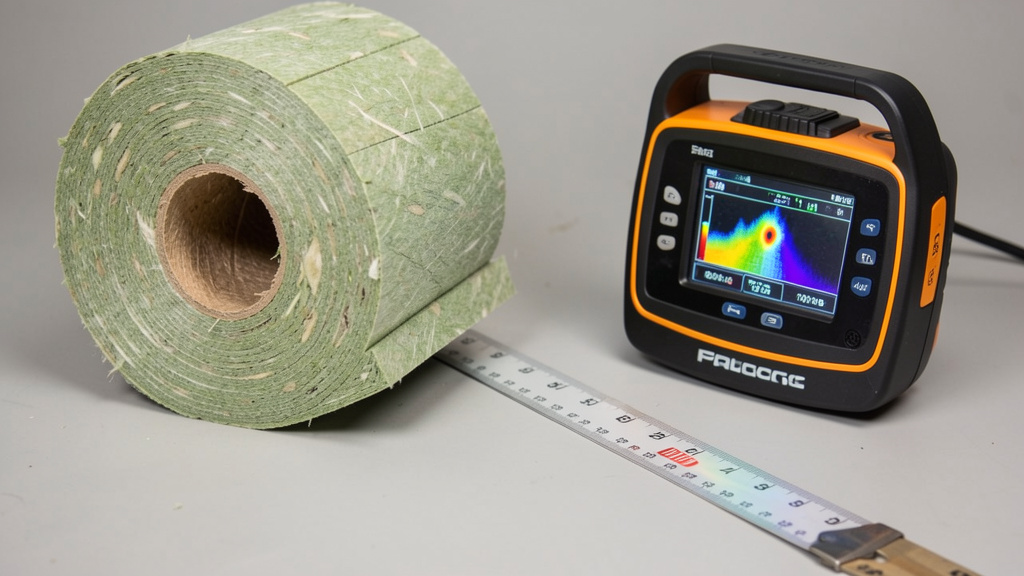
Stop Chasing R-Numbers Alone—Discover How to Achieve True Thermal Performance with a Holistic Approach to Insulation
When you shop for insulation, the R-value label demands attention. But what if that number tells only part of the story? This guide moves beyond marketing simplicity to reveal why two assemblies with identical R-values can deliver vastly different comfort—and how to ensure your insulation investment delivers reliable, year-round performance. Grounded in building science principles and field-validated practices, we provide a clear framework to evaluate insulation holistically, avoid common installation pitfalls, and integrate thermal management into your home’s living system. No jargon without explanation. No oversimplified promises. Just actionable, context-aware guidance for informed decisions.
Introduction: Beyond the R-Value Label
For generations, R-value has been presented as the definitive metric for insulation performance. Home improvement aisles display batts, rolls, and bags emblazoned with numbers: R-13, R-19, R-38. The implied message is straightforward—higher is better. Yet real-world performance rarely mirrors laboratory conditions. R-value quantifies resistance to conductive heat flow under controlled, idealized settings: perfect installation, no air movement, stable temperatures, and zero moisture exposure. Your home operates under none of these conditions.
Factors like air leakage pathways, thermal bridging through structural elements, moisture accumulation, and installation inconsistencies can significantly diminish real-world effectiveness. Building science research from institutions like Oak Ridge National Laboratory and the U.S. Department of Energy consistently emphasizes that insulation functions as one component within a larger building envelope system. True thermal performance emerges from the synergy of air sealing, moisture management, material selection, and climate-responsive detailing.
This guide introduces a practical framework to navigate beyond the R-value label. Whether you’re planning a new build, upgrading an older home, or seeking clarity on energy bills, you’ll gain a systems-oriented perspective. We focus on observable patterns, field-tested strategies, and adaptable solutions—equipping you to make choices aligned with your home’s unique context, constraints, and comfort goals.
The R-Value Reality Framework: Three Layers to Authentic Performance
Effective insulation strategy requires shifting focus from a single metric to three interdependent layers. Mastering this framework transforms how you evaluate materials, installation quality, and long-term performance—turning theoretical potential into lived comfort.
Layer 1: The Number (Contextualizing R-Value)
R-value measures a material’s resistance to conductive heat transfer per unit area. Higher values indicate greater resistance—but critical context is often missing from product labels.
Why Context Matters:
R-value is measured in labs under perfect conditions: uniform thickness, no compression, no air movement. Real installations rarely achieve this ideal. Misinterpreting R-value can lead to misplaced priorities—like adding marginal R-value to an already insulated attic while ignoring significant air leaks in the building envelope. Field studies indicate that addressing air leakage in a wall with modest R-value often yields greater comfort gains than increasing R-value alone without sealing.
Interpreting R-Value Responsibly:
– Per-Inch vs. Total Assembly Value: Materials like spray foam offer high R-value per inch (ideal for space-limited retrofits), while fiberglass or cellulose require greater depth. Always calculate total installed R-value for the specific cavity or assembly.
– Climate Zone Alignment: The U.S. Department of Energy publishes climate zone-specific recommendations. For example, attics in warmer zones may target R-30 to R-49, while colder zones often recommend R-49 to R-60. Installing beyond zone-appropriate levels typically yields diminishing returns.
– Diminishing Returns Curve: Heat flow reduction isn’t linear. Moving from R-10 to R-20 may reduce conductive loss by roughly half, but advancing from R-20 to R-40 yields a smaller incremental gain. Prioritize reaching evidence-based baseline targets before pursuing ultra-high values.
– Material Behavior Nuances: Some materials exhibit temperature-dependent performance shifts. Fiberglass may show reduced effectiveness in extreme cold; closed-cell spray foam generally maintains stability across broader temperature ranges. Understanding these traits informs material selection.
Common Realities to Anticipate:
– Compression: Forcing a batt designed for a deeper cavity into a narrower space reduces trapped air pockets, lowering effective R-value. Even modest compression (e.g., 10–15%) can diminish performance noticeably.
– Settling: Loose-fill cellulose may settle over time. Reputable installers compensate by installing to a calibrated initial depth.
– Installation Gaps: Small voids create convective loops, allowing heat to bypass insulation entirely. A seemingly minor 5% gap can disproportionately impact whole-assembly performance.
The Fundamental Principle: R-value describes material potential under ideal conditions—not guaranteed real-world performance. It is a starting reference, not a standalone solution.
Layer 2: The Installation (Bridging Theory and Practice)
Installation quality is frequently the decisive factor in insulation effectiveness. Research, including field assessments documented by building science organizations, suggests installation variables can account for substantial variance in achieved performance—sometimes exceeding material selection itself.
Why Execution Matters:
Laboratory-rated R-values assume flawless installation. In practice, gaps around wiring, compression near framing, or inconsistent density in blown-in applications create thermal bypasses. For instance, fiberglass batts installed with typical field imperfections may achieve only 60–80% of labeled performance, whereas meticulous installation with complementary air sealing can approach 90%+ of potential. This layer focuses on actionable practices to maximize installed value.
Material-Specific Installation Guidance:
Fiberglass Batts:
– Precision Fit: Measure cavities carefully. Cut batts slightly wider than the opening for a gentle friction fit without compression. Use a straight edge and sharp utility knife.
– Seam Management: Butt edges tightly; avoid overlapping seams which create compression ridges. Seal perimeter gaps with acoustical sealant (flexible, remains pliable) rather than standard caulk.
– Support: In attic applications over joists, use wire mesh or netting to prevent slumping on slopes.
– Budget-Conscious Tip: Small gaps can be filled with low-expansion foam designed for insulation gaps. Avoid overfilling, which may distort framing.
– Critical Reminder: Never compress batts to fit. If cavity depth is insufficient, select a higher R-per-inch material or adjust framing where feasible.
Cellulose (Loose-Fill or Dense-Pack):
– Density Calibration: For wall retrofits, dense-pack methods target approximately 3.5 lbs per cubic foot to resist settling and limit air movement. Loose-fill attic applications require uniform depth—use depth markers during installation.
– Containment: Install netting or fabric baffles in wall cavities before blowing to maintain placement and density.
– Verification: Post-installation infrared imaging (increasingly accessible via contractor services) helps identify voids or density variations invisible to the eye.
– Moisture Note: While borate-treated cellulose resists mold and pests, ensure wall assemblies allow drying potential appropriate to your climate.
Spray Polyurethane Foam (SPF):
– Professional Execution Required: SPF application demands precise temperature, humidity, and chemical mixing ratios. Only certified applicators should perform this work.
– Ventilation & Safety: Occupants and pets must vacate during application and until curing is complete per manufacturer guidelines (typically 24 hours). Verify the contractor follows current EPA and OSHA safety protocols.
– Vapor Control Consideration: Closed-cell SPF acts as a vapor retarder. In cold climates, this may necessitate interior vapor control strategies to prevent interstitial condensation. Consult local code requirements and climate-specific best practices.
– Material Evolution: Newer formulations increasingly use lower-global-warming-potential blowing agents (e.g., HFOs). Inquire about product specifications when evaluating options.
Universal Installation Principles:
1. Air Seal Before Insulating: Insulation slows conductive heat flow but does not stop air movement. Seal penetrations (wiring, plumbing, ducts), top plates, sill plates, and rim joists with appropriate sealants or gaskets first.
2. Eliminate Voids: Even small gaps create significant thermal bypasses. Use backing rods, foam strips, or sealant behind electrical boxes on exterior walls.
3. Address Thermal Bridging: Wood framing conducts heat far more readily than cavity insulation. In retrofits, consider adding continuous insulation (e.g., rigid foam boards) over sheathing. In new construction, advanced framing techniques (e.g., 24-inch on-center spacing) reduce bridging surfaces.
Illustrative Scenario:
A homeowner in a cold climate upgraded attic insulation from R-19 to R-49 using fiberglass batts. Despite the higher nominal value, comfort improvements were minimal. An energy assessment revealed batts were compressed around recessed lighting housings and ductwork, with unsealed gaps at the attic perimeter. After carefully re-installing insulation with precise cuts, adding rigid foam baffles to maintain soffit ventilation, and sealing all perimeter gaps and penetrations, the home achieved noticeably improved comfort and energy use aligned with expectations for the upgraded assembly. This underscores how installation quality and air sealing integrity directly influence outcomes.
Layer 3: The System (Integration Within the Building Ecosystem)
Insulation functions within a dynamic system interacting with air movement, moisture, ventilation, and mechanical systems. Optimizing one component in isolation often yields suboptimal results—or unintended consequences.
Why Systems Thinking Matters:
A wall assembly is an integrated unit. Installing high-R insulation without addressing air leakage is like wrapping a sieve in a blanket. Neglecting moisture pathways can lead to condensation within assemblies, risking material degradation and indoor air quality issues. The U.S. Environmental Protection Agency notes that combining air sealing with insulation typically delivers greater energy savings than either measure alone. This layer explores critical interactions.
Key System Interactions:
Air Sealing Synergy:
– Stack Effect Awareness: Warm indoor air rises and escapes through upper-level leaks, drawing cold air in through lower-level openings. Prioritize sealing the “top” (attic floor perimeter, ceiling penetrations) and “bottom” (foundation sill plate, rim joists) of the building envelope.
– Verification Tools: A blower door test (standard in professional energy audits) quantifies air leakage. While specific targets vary by building age and code, reducing uncontrolled airflow generally improves comfort and efficiency. DIY checks include using incense sticks near potential leak sites on a windy day to observe air movement.
– Practical Sealing Actions:
– Apply adhesive-backed foam tape around attic hatches.
– Caulk gaps between window/door frames and rough openings.
– Install foam gaskets behind outlet and switch plates on exterior walls.
– Seal chimney and flue penetrations with high-temperature sealant and metal flashing.
Moisture Management Strategy:
– Vapor Control Logic: Materials are categorized by permeability (perms). Strategy depends on climate:
– Cold-Dominant Climates: An interior vapor retarder (e.g., specific paints or membranes) may help prevent warm, moist indoor air from condensing within cold wall cavities.
– Hot-Humid Climates: Exterior vapor control may be prioritized; interior layers should often allow inward drying.
– Mixed Climates: “Smart” vapor retarders adjust permeability based on relative humidity, offering adaptive protection.
– Condensation Prevention: Cold surfaces within assemblies (e.g., uninsulated rim joists) are condensation risks. Insulating these areas with materials like closed-cell SPF or sealed rigid foam mitigates this.
– Ventilation Balance: As envelopes become tighter, intentional ventilation becomes essential. Energy recovery ventilators (ERVs) or heat recovery ventilators (HRVs) introduce fresh air while minimizing energy loss—critical for moisture and pollutant control in well-sealed homes.
HVAC System Interaction:
Significant envelope improvements can alter heating and cooling load requirements. An oversized HVAC system in a newly tightened home may short-cycle—reducing efficiency, comfort, and dehumidification capability. After major insulation and air sealing work, consult a qualified HVAC professional about load reassessment (e.g., Manual J calculation) to ensure equipment remains appropriately matched to the home’s new demands.
Illustrative Scenario:
A mid-century home in a temperate, rainy region had minimal wall insulation and no attic insulation. After adding loose-fill cellulose to the attic without addressing air leakage or wall assembly details, moisture-related issues emerged on interior wall surfaces during cooler months. Investigation revealed:
– Unsealed top plates allowed warm, moist indoor air to enter wall cavities.
– The existing wall assembly lacked sufficient insulation to keep the sheathing above the dew point.
– Solution involved a phased approach: dense-pack cellulose with an integrated air barrier membrane on the interior, adding exterior continuous insulation to reduce thermal bridging and raise sheathing temperature, and installing an ERV to manage indoor humidity. This holistic retrofit resolved moisture concerns, enhanced comfort, and improved energy performance—demonstrating why insulation must be considered within the full building system.
Insulation Material Landscape: Properties Beyond the Label
Material selection involves balancing R-value, installation requirements, climate suitability, moisture response, environmental considerations, and project constraints. Below is a detailed, context-aware comparison of common options.
Fiberglass Batts and Rolls
Composition & Function: Fine glass fibers trap air. Available faced (with kraft paper vapor retarder) or unfaced.
Typical R-Value Range: R-2.9 to R-3.8 per inch.
Best Suited For: DIY-friendly applications in open, accessible areas with standard cavity dimensions (e.g., unfinished attics, new wall construction).
Advantages: Widely available, lower material cost, non-combustible.
Limitations: Performance highly dependent on perfect installation; gaps or compression significantly reduce effectiveness; minimal inherent air sealing; can be irritating during handling (requires PPE).
Installation Insight: High-density variants (approx. R-4 per inch) offer better performance in standard 2×4 walls with less compression risk. A precise friction fit—cutting batts slightly wider than the cavity—helps minimize gaps. Professional installation with meticulous air sealing typically achieves higher real-world performance than typical DIY efforts.
Climate Note: In humid climates, ensure assemblies allow adequate drying potential; avoid sandwiching between impermeable layers without engineering review.
Mineral Wool (Rock Wool or Slag Wool)
Composition & Function: Fibers derived from volcanic rock or industrial slag. Naturally dense and hydrophobic.
Typical R-Value Range: R-3.0 to R-3.3 per inch.
Best Suited For: Areas requiring fire resistance (e.g., between garage and living space), sound attenuation needs, damp-prone zones, or where moisture resistance is prioritized.
Advantages: Maintains performance when wet; resists mold, mildew, and pests; excellent sound absorption; non-irritating to handle (compared to fiberglass); does not settle.
Limitations: Heavier weight requires secure support; cutting requires specific tools; slightly higher material cost than standard fiberglass.
Installation Insight: Its density makes it well-suited for dense-pack retrofits in existing walls. The material’s natural fire resistance eliminates the need for additional fire-blocking in many applications.
Climate Note: Particularly valuable in regions with high humidity or flood risk due to moisture resilience.
Cellulose (Loose-Fill or Dense-Pack)
Composition & Function: Primarily recycled paper (often 80%+ post-consumer content) treated with borates for fire and pest resistance.
Typical R-Value Range: R-3.2 to R-3.8 per inch (loose-fill); R-3.5 to R-4.0 (dense-pack).
Best Suited For: Attic top-ups, wall retrofits via dense-pack method, projects prioritizing recycled content.
Advantages: High recycled content; excellent air infiltration resistance when dense-packed; low embodied energy; good sound dampening.
Limitations: Requires specialized blowing equipment; potential for settling if not installed at proper density; borate treatment requires handling care (though generally low-toxicity); not suitable for consistently wet environments.
Installation Insight: For attics, use depth markers to ensure uniform coverage. For wall dense-pack, target calibrated density (approx. 3.5 lbs/cu. ft.) to prevent settling and block airflow. Post-installation verification (e.g., infrared scan) is recommended.
Environmental Context: One of the most recycled-content insulation options available. Verify treatment specifics and sourcing if environmental criteria are paramount.
Spray Polyurethane Foam (SPF)
Open-Cell SPF:
– R-Value: R-3.4 to R-3.6 per inch.
– Properties: Expands significantly to fill irregular cavities; vapor permeable; excellent sound absorption.
– Best Applications: Interior wall cavities, rim joists, areas requiring superior air sealing where vapor permeability is beneficial.
– Considerations: Requires thermal barrier (e.g., drywall) per fire code; not a vapor retarder—pair with separate control layer where needed; professional installation essential.
Closed-Cell SPF:
– R-Value: R-6.0 to R-7.0 per inch.
– Properties: Rigid, moisture-resistant; functions as an air barrier and vapor retarder.
– Best Applications: Roof decks, crawl space walls, cold climates, space-constrained retrofits.
– Considerations: Higher material cost; requires certified applicators; newer formulations increasingly use lower-GWP blowing agents—ask about product specifics.
Critical Installation Note: SPF performance and safety are highly installation-dependent. Verify installer certifications (e.g., SPFA), request material safety data, and confirm adherence to evacuation and re-occupancy timelines. Off-ratio mixing can compromise performance and safety.
Rigid Foam Boards (XPS, EPS, Polyiso)
Types Overview:
– XPS (Extruded Polystyrene): R-5 per inch; moisture-resistant; common for below-grade applications.
– EPS (Expanded Polystyrene): R-3.6 to R-4.2 per inch; cost-effective; vapor permeable.
– Polyiso (Polyisocyanurate): R-5.6 to R-6.5 per inch (performance may decrease in sustained cold); often foil-faced; common in roofing and wall applications.
Best Suited For: Continuous insulation layers (over sheathing), rim joists, foundation walls, under slab applications.
Advantages: High R-value per inch; effectively reduces thermal bridging; moisture resistance varies by type (XPS highest).
Limitations: Seams must be meticulously sealed with compatible tape or adhesive to maintain performance; some types degrade with UV exposure; requires thermal barrier when used indoors per code.
Installation Insight: For exterior wall applications, installing 1–2 inches of polyiso over sheathing (with sealed seams) followed by furring strips creates both a thermal break and a drainage plane behind siding—enhancing durability in wet climates.
Fire Safety: Always confirm local code requirements regarding thermal barriers and ignition barriers.
Reflective Insulation and Radiant Barriers
Function: Reflects radiant heat transfer; minimal impact on conductive or convective heat flow. Foil-faced materials require an adjacent air space to function.
R-Value Clarification: These products do not possess significant inherent R-value. Marketing claims of “equivalent R-values” are misleading and not recognized by building science standards.
Best Suited For: Hot, sunny climates where radiant heat gain from roofs is a primary cooling load (e.g., vented attics in the Southwest). Install with the reflective surface facing an air gap (minimum ¾ inch).
Realistic Expectation: In appropriate applications (e.g., a vented attic in a hot climate), radiant barriers may contribute to modest cooling load reduction (studies suggest potential reductions in the range of 5–10% under ideal conditions). Effectiveness diminishes if dusty, installed without an air gap, or used in climates where heating dominates. Not a substitute for bulk insulation.
Installation Note: In attics, install foil-side down below rafters to minimize dust accumulation on the reflective surface.
Natural Fiber Options (Cotton, Sheep’s Wool, Hemp)
Composition & Function: Renewable fibers treated for fire resistance. Sheep’s wool has inherent moisture-buffering properties.
Typical R-Value Range: R-3.0 to R-3.7 per inch.
Best Suited For: Projects with strong environmental priorities, historic renovations where vapor permeability is critical, or occupants with chemical sensitivities (verify treatment specifics).
Advantages: Biodegradable; low embodied energy (depending on sourcing); sheep’s wool can absorb and release moisture vapor without significant R-value loss; generally non-irritating.
Limitations: Higher material cost; limited availability; requires pest and fire treatment; performance data less extensive than conventional materials.
Niche Consideration: Sheep’s wool’s moisture-buffering capacity can be advantageous in assemblies prone to intermittent dampness, provided the overall wall design allows drying. Always verify treatment safety and compatibility with local code requirements.
Material Comparison Summary
| Material | R/inch (Approx.) | Relative Cost | Air Sealing Capability | Moisture Consideration | Climate Suitability Notes | DIY Feasibility |
|---|---|---|---|---|---|---|
| Fiberglass Batts | 3.0–3.8 | $ | Low (requires sealing) | Loses effectiveness if wet | All zones (with proper detailing) | High (simple areas) |
| Mineral Wool | 3.0–3.3 | $$ | Moderate | Resists moisture well | Cold, wet, fire-sensitive zones | Medium |
| Cellulose (Dense) | 3.5–4.0 | $$ | High (when dense-packed) | Settling if low density | Most zones (retrofits) | Low (needs pro equipment) |
| Open-Cell SPF | 3.4–3.6 | $$$$ | Very High | Vapor permeable | Mixed, humid zones | None (pro only) |
| Closed-Cell SPF | 6.0–7.0 | $$$$$ | Very High | Moisture resistant | Cold, space-constrained | None (pro only) |
| Rigid Foam (Polyiso) | 5.6–6.5 | $$$ | Good (if seams sealed) | Varies by type | All zones (continuous layer) | Medium |
| Radiant Barrier | N/A | $$ | None | None | Hot, sunny climates only | Medium |
| Sheep’s Wool | 3.5–3.7 | $$$$$ | Moderate | Buffers moisture | Damp climates, eco-focused | Low |
Note: Cost scale: $ = lowest material cost, $$$$$ = highest. Air sealing capability reflects inherent material properties without additional measures. All installations benefit from complementary air sealing. Climate suitability is general guidance; specific assembly design is critical.
Climate-Responsive Strategy: Aligning Choices with Your Environment
The U.S. Department of Energy’s climate zone map provides foundational R-value targets, but effective strategy requires deeper contextual awareness—microclimates, seasonal patterns, humidity levels, and local building traditions all influence optimal approaches.
Using Climate Guidance Effectively
- Identify Your Zone: Use the DOE’s online ZIP code tool or consult the International Energy Conservation Code (IECC) map for baseline recommendations.
- Understand Primary Drivers:
- Hot-Dry/Humid Zones (1-3): Focus on reducing cooling loads. Prioritize attic insulation, radiant heat management, and shading. Moisture control is critical in humid subzones.
- Mixed Zones (4-5): Balance heating and cooling needs. Air sealing and wall insulation become increasingly important. Pay attention to vapor control strategies suitable for seasonal shifts.
- Cold/Very Cold Zones (6-8): Maximize heating efficiency. Target higher attic and foundation insulation levels. Manage interior moisture to prevent condensation within assemblies.
- Account for Microclimates:
- Coastal areas often experience higher humidity and milder temperatures than inland locations at the same latitude—favor moisture-resilient materials and assemblies that allow drying.
- Mountainous regions may face temperature inversions or intense solar exposure on specific slopes—adjust insulation levels and shading accordingly.
- Urban settings can create “heat islands,” making cooling demands resemble a warmer climate zone—consider reflective roofing and enhanced attic ventilation.
Regional Strategy Insights
Southeast (Humid Subtropical): Moisture Management is Paramount
– Primary Challenge: High humidity increases risk of interstitial condensation and mold.
– Strategy: Prioritize air sealing to limit moisture-laden air infiltration. In crawl spaces, closed-cell SPF or rigid foam with sealed seams provides both insulation and vapor control. For walls, pair cavity insulation with vapor-permeable exterior layers or “smart” retarders to allow drying. Ensure attics have balanced ventilation (soffit and ridge) to expel moisture.
– Critical Avoidance: Installing impermeable vapor barriers on both sides of a wall cavity (“double barrier”) traps moisture. Design assemblies to dry in at least one direction.
– Practical Step: In vented crawl spaces, maintain relative humidity below 60% with targeted dehumidification if needed.
Northeast (Cold with Freeze-Thaw Cycles): Preventing Ice Dams
– Primary Challenge: Heat loss into the attic melts snow on the roof, which refreezes at unheated eaves, forming ice dams.
– Strategy: Achieve recommended attic R-values (often R-49+). Meticulously seal all attic floor penetrations (recessed lights, chimneys, ducts). Ensure continuous soffit-to-ridge ventilation to keep the roof deck cold. Insulate and seal the attic access hatch thoroughly.
– Key Detail: Install rigid foam baffles at the eaves before adding insulation to maintain unobstructed airflow from soffit vents.
– Illustrative Outcome: Homes addressing attic air leakage and insulation depth consistently report reduced ice dam formation compared to those focusing on R-value alone.
Southwest (Hot-Arid): Managing Radiant Heat
– Primary Challenge: Intense solar radiation heats roof surfaces significantly.
– Strategy: Combine bulk attic insulation (R-38+) with a radiant barrier installed correctly (foil facing an air gap). Light-colored or reflective roofing materials reduce heat absorption. Insulate and seal HVAC ducts located in unconditioned attics.
– Humidity Note: In areas using evaporative coolers (“swamp coolers”), indoor humidity rises—ensure wall assemblies can dry inward.
– Budget-Conscious Option: Staple radiant barrier foil to the underside of rafters (maintaining air gap) before adding bulk insulation—verify local fire code compliance.
Pacific Northwest (Marine West Coast): Persistent Moisture
– Primary Challenge: Frequent rain and moderate temperatures challenge the drying potential of wall assemblies.
– Strategy: Favor vapor-permeable insulation options (mineral wool, open-cell SPF) within walls to allow moisture diffusion. Install a rainscreen gap (½ inch minimum) behind siding to promote drainage and drying. For crawl spaces, the “conditioned crawl space” approach (sealing vents, insulating walls with rigid foam, and managing humidity) is often preferred over traditional venting.
– Ventilation Imperative: Due to tight envelopes and moisture generation indoors, mechanical ventilation (ERV/HRV) is highly recommended to maintain healthy indoor air quality without significant energy penalty.
Global Context Considerations
- Canada: National Resources Canada (NRCan) guidelines often recommend higher R-values than U.S. equivalents (e.g., R-50+ for attics in colder zones). Airtightness targets are stringent; blower door testing is common practice.
- UK/EU: Building regulations typically specify U-values (overall heat transfer coefficient) for entire assemblies. Conversion: U-value ≈ 1 / Total R-value (using consistent units). Common targets: Wall U-value ≤ 0.18 W/m²K. Polyisocyanurate (PIR) boards are widely used for high performance.
- Australia: Focus shifts toward summer performance. Bulk insulation (R-3.5 to R-6.0) combined with reflective roof sarking is standard. Termite management is critical in northern regions—use physical or chemical barriers per local requirements. Always consult region-specific building codes and standards.
Navigating Common Installation Challenges
Even with optimal material selection and climate alignment, installation oversights can undermine performance. Understanding these frequent pitfalls—and their solutions—protects your investment.
Challenge 1: Unaddressed Air Leakage
The Issue: Insulation resists conductive heat flow but does little against convective heat loss through air movement. Small gaps create disproportionate energy loss.
Field Insight: Energy audits consistently identify air leakage as a major contributor to comfort issues and energy waste across diverse home types.
Action Framework:
– Pre-Installation Assessment: On a windy day, use incense or a damp hand to detect drafts around windows, doors, electrical outlets on exterior walls, attic hatches, and foundation interfaces. Mark locations.
– Strategic Sealing: Prioritize the “pressure boundary”—typically the attic floor plane and foundation sill plate. Use fire-rated foam for gaps around chimneys/flues; acoustic sealant for framing seams; foam gaskets behind outlet plates.
– Verification: Post-work, repeat the draft check. For comprehensive validation, a professional blower door test quantifies improvement. Budget-conscious homeowners can monitor seasonal energy use patterns (comparing similar weather periods year-over-year).
Challenge 2: Batt Insulation Compression or Gaps
The Issue: Compressing batts reduces trapped air volume, lowering effective R-value. Gaps allow convective looping.
Practical Reality: Standard batts designed for 2×6 walls (5.5″ depth) installed in actual 5.5″ cavities often experience slight compression from framing variations or hasty installation.
Action Framework:
– Measure and Cut: Use a tape measure and straight edge. Cut batts ½ to 1 inch wider than the cavity for a gentle friction fit without compression.
– Fluff, Don’t Stuff: In attics, lay batts loosely perpendicular to joists. Avoid walking on installed insulation. Use wire mesh to secure on sloped surfaces.
– Gap Remediation: Fill small voids with batt scraps. For larger gaps around obstacles, use low-expansion foam designed for insulation gaps.
– Pro Technique: “Split” batts lengthwise to fit precisely around wiring or plumbing without compressing the entire batt.
Challenge 3: Thermal Bridging Through Framing
The Issue: Wood studs, joists, and concrete conduct heat significantly better than cavity insulation. In a standard 2×4 wall with R-13 cavity insulation, thermal bridging can reduce the whole-wall effective R-value by 25% or more.
Visualization: Framing acts as “thermal highways” bypassing insulated cavities.
Action Framework:
– Continuous Insulation: Adding even 1 inch of rigid foam board (e.g., polyiso, R-6) over sheathing before siding can substantially improve whole-wall performance and reduce condensation risk on sheathing. Seal all seams with compatible tape.
– New Construction Opportunity: Advanced framing techniques (24-inch on-center spacing, single top plates) reduce framing material by ~30%, minimizing bridging surfaces and allowing more cavity insulation.
– Retrofit Focus: Prioritize insulating rim joists (where floor framing meets foundation)—a common weak point. Closed-cell SPF or rigid foam boards sealed at edges deliver strong results.
Challenge 4: Moisture Mismanagement
The Issue: Trapped moisture degrades most insulation types (wet fiberglass can lose significant R-value), promotes mold growth, and damages structural elements.
High-Risk Areas: Bathrooms, kitchens, basements, crawl spaces, north-facing walls, and areas with poor ventilation.
Action Framework:
– Vapor Control Strategy: Base decisions on climate and assembly:
– Cold Climates: Interior vapor retarder (e.g., specific membrane or paint) on the warm-in-winter side.
– Hot-Humid Climates: Exterior vapor control may be needed; interior layers should generally allow drying inward.
– Universal Priority: Air sealing is often more critical than vapor diffusion control—most moisture moves via air leakage.
– Drying Potential Design: Avoid trapping insulation between two impermeable layers. Design assemblies to dry to the interior, exterior, or both where feasible.
– Monitoring: Install humidity sensors in crawl spaces and attics. Target 30–50% relative humidity in living spaces; address sustained levels above 60%.
Challenge 5: Blocking Essential Ventilation
The Issue: In vented attics or crawl spaces, covering soffit vents with insulation traps heat and moisture, potentially causing mold, rot, or ice dams.
Critical Principle: Maintain continuous airflow from intake (soffit) to exhaust (ridge) vents.
Action Framework:
– Attic Baffles: Install polystyrene or cardboard baffles between rafters at the eaves before adding insulation. This preserves the air channel.
– Crawl Space Approach: If following a vented strategy, keep vents clear and unobstructed. If converting to a conditioned crawl space (increasingly common), seal vents, insulate foundation walls, and manage humidity mechanically.
– Post-Installation Check: After insulating the attic, visually confirm soffit vents remain visible and unblocked from inside the attic space.
Evaluating Value: A Balanced Approach to Cost and Performance
Insulation is a long-term investment with variable payback periods influenced by climate, energy costs, existing conditions, and project scope. This framework supports thoughtful evaluation without oversimplification.
Understanding Payback Realistically
- Estimate Potential Savings:
- Online calculators (e.g., DOE’s tool) provide starting estimates.
- Formula Insight: Savings depend on heating/cooling degree days, fuel costs, area insulated, R-value change, and system efficiency.
- Illustrative Context: Upgrading attic insulation in a cold-climate home might yield annual savings in the range of $150–$250 based on national averages, but actual results vary significantly by location, utility rates, and home specifics.
- Total Project Cost: Include materials, labor, disposal, and any necessary preparatory work (e.g., air sealing, ventilation adjustments).
- Simple Payback Estimate: Divide total project cost by estimated annual savings. Recognize this is a simplified metric; comfort, durability, and noise reduction benefits are valuable but harder to quantify financially.
- Incentives: Check the DSIRE database (dsireusa.org) for federal, state, or utility rebates. Current U.S. federal tax credits (e.g., Energy Efficient Home Improvement Credit) may cover a percentage of material costs for qualifying projects—retain manufacturer certifications and receipts.
- Holistic Value: Beyond energy savings, consider enhanced comfort (eliminating drafts/cold spots), noise reduction (especially with dense materials like mineral wool), potential home value impact, and reduced environmental footprint.
Material Value Considerations (Illustrative)
| Scenario | Material Approach | Relative Upfront Cost | Considerations | Best Context |
|---|---|---|---|---|
| Attic Top-Up (Moderate Zone) | Blown Cellulose | $$ | Good air sealing when dense-packed; high recycled content | Budget-conscious; eco-priorities; accessible attic |
| Fiberglass Batts | $ | Lower material cost; performance highly installation-dependent | Dry climates; meticulous DIY installation | |
| Wall Retrofit (No Existing) | Dense-Pack Cellulose | $$$ | Excellent air sealing; minimal disruption to interiors | Historic homes; sound dampening priority |
| Open-Cell SPF | $$$$$ | Superior air sealing; vapor permeable | Humid climates; irregular cavities; budget allows | |
| New Construction Walls | Fiberglass Batts | $ | Cost-effective baseline | Standard builds; dry climates |
| Mineral Wool | $$ | Fire/moisture resistance; sound control | Fire zones; damp climates; sound-sensitive rooms | |
| Closed-Cell SPF (Thin) | $$$$$ | Highest R/inch; air/vapor barrier | Space-constrained designs; severe climates |
Note: Costs and savings are highly location-dependent. Obtain multiple local quotes. “Value” includes performance, durability, and alignment with project goals—not just lowest price.
Strategic Allocation: Where to Prioritize Investment
Prioritize These Areas:
– Air Sealing Materials and Labor: High-quality sealants, tapes, and meticulous attention to the building envelope’s pressure boundary typically deliver the fastest comfort and efficiency returns.
– Professional Installation for Complex Zones: Rim joists, irregular attics, dense-pack wall retrofits, and areas requiring moisture management expertise benefit significantly from skilled labor.
– Moisture-Prone Assemblies: Investing in appropriate materials and detailing for crawl spaces, basements, or humid climates prevents costly repairs later.
Potential Areas for Economy:
– Open, Accessible Attics: Blown cellulose or fiberglass can offer strong value when installed carefully.
– Interior Partition Walls: Standard batts are often sufficient for sound dampening between rooms where thermal performance is secondary.
– DIY-Feasible Sections: Unfinished attics with clear access and standard framing may be suitable for careful DIY installation—prioritize safety (PPE) and precision.
Anticipating Secondary Costs
- Hazardous Material Handling: Pre-1980 vermiculite insulation may contain asbestos. Testing and professional abatement are essential before disturbance—budget accordingly.
- Unexpected Repairs: Removing old insulation may reveal damaged sheathing, wiring, or framing. Include a contingency (e.g., 10–15%) in project planning.
- System Rebalancing: After significant air sealing, HVAC airflow may need adjustment. Consult an HVAC technician to ensure ductwork and registers are optimized for the tighter envelope.
DIY or Professional Installation: A Contextual Decision Guide
The right choice depends on project complexity, your skills, safety considerations, material type, and risk tolerance. Use this framework to evaluate:
Decision Flow:
1. Is the area fully accessible with standard tools? (e.g., open attic floor vs. wall cavities)
– No → Professional installation is strongly recommended.
– Yes → Proceed to step 2.
2. Is the material inherently DIY-friendly? (e.g., batts, loose-fill with rented blower vs. SPF, dense-pack)
– No (SPF, complex dense-pack) → Professional required.
– Yes → Proceed to step 3.
3. Do you have time, appropriate PPE, physical capability, and willingness to follow detailed protocols?
– No → Hire a professional for reliability and peace of mind.
– Yes → DIY may be viable with thorough preparation.
DIY Success Essentials (Where Appropriate)
✅ Attic Batts or Loose-Fill:
– Wear proper PPE: N95 respirator (minimum), safety goggles, gloves, long sleeves.
– For loose-fill: Use depth markers; maintain consistent coverage; avoid blocking soffit vents (install baffles first).
– Keep insulation clear of recessed light fixtures (use only IC-rated fixtures with insulation contact); maintain 3-inch clearance from chimneys/flues.
– Work methodically; avoid compressing material.
✅ Basement/Crawlspace Batts (With Caution):
– Confirm vapor barrier orientation per climate guidance (typically facing warm-in-winter side).
– Secure batts with wire mesh or straps; seal edges with acoustic sealant.
– Ensure adequate lighting and ventilation during work.
❌ Do Not Attempt DIY For:
– Spray foam applications (chemical hazards, precision required).
– Suspected asbestos-containing materials (pre-1980 vermiculite).
– Areas requiring electrical, plumbing, or structural modification.
– Confined spaces with poor ventilation or access hazards.
Hiring a Qualified Professional: Vetting Checklist
- Relevant Certifications: Look for BPI (Building Performance Institute), RESNET, or SPFA (for SPF) credentials.
- Insurance Verification: Confirm active general liability and workers’ compensation insurance.
- References and Portfolio: Request 2–3 recent project references with similar scope. Ask to see photos of completed work.
- Detailed Contract: Must specify materials (type, R-value, brand), scope (air sealing details, ventilation preservation), cleanup, timeline, warranty terms, and compliance with local codes.
- Verification Protocol: Discuss how installation quality will be confirmed (e.g., post-installation infrared imaging, blower door test comparison).
- Red Flags: Vague estimates, pressure for immediate signing, cash-only requests, lack of physical business address, or reluctance to provide references.
Illustrative Cost Context: Attic Insulation
- DIY Path (Blown Cellulose):
Equipment rental: ~$100/day
Material (for 1,000 sq. ft. to R-49): ~$800
PPE, disposal, misc.: ~$100
Estimated Total: ~$1,000
Considerations: Requires physical effort, time (weekend project), and strict adherence to safety/installation protocols. Risk of suboptimal results if details are missed. - Professional Path:
Material, labor, cleanup, verification: ~$1,800–$2,500
Value Add: Expertise in air sealing, ventilation preservation, and quality verification; warranty coverage; time savings; often assists with rebate paperwork. - Perspective: For many homeowners, the premium for professional installation is justified by guaranteed performance, safety, and peace of mind—especially when air sealing and system integration are critical to success.
Your Questions, Answered
Q: Does a higher R-value always mean better insulation performance?
A: Not in real-world conditions. A meticulously installed assembly with moderate R-value (e.g., R-30 spray foam with comprehensive air sealing) often outperforms a poorly installed high-R assembly (e.g., compressed R-40 fiberglass with gaps). Focus on the holistic framework: appropriate R-value for your climate, flawless installation, and integration with air sealing and moisture management.
Q: How can I assess if my existing insulation is adequate?
A: Conduct a three-part check:
1. Depth & Type: In accessible attics, measure depth. For fiberglass, ~10–14 inches typically indicates R-38; cellulose may require 12–16 inches. Note material condition.
2. Visual Inspection: Look for settling (uneven cellulose), compression, moisture stains, or pest activity.
3. Comfort Indicators: Persistent drafts, cold spots on walls/ceilings in winter, or excessive dust infiltration may signal inadequate or failing insulation. For definitive assessment, consult a certified energy auditor for a thermal imaging scan and blower door test.
Q: Can I safely add new insulation over existing insulation?
A: Often yes, with important caveats:
– Attics: Adding loose-fill cellulose or fiberglass over existing unfaced insulation is standard practice. Ensure the new layer is unfaced to avoid creating a double vapor barrier. Verify existing insulation is dry and undamaged.
– Walls: Generally not feasible without removal.
– Critical Check: If existing insulation shows moisture damage, mold, or is suspected to contain asbestos (common in pre-1980 vermiculite), consult a professional before proceeding. Safety first.
Q: What is the difference between R-value and U-value?
A: R-value measures a material’s resistance to heat flow (higher = better insulator). U-value measures the overall rate of heat transfer through an entire assembly (like a window or wall system)—lower U-value indicates better performance. They are mathematical reciprocals (U ≈ 1/R, using consistent units). Building codes often specify U-values for windows and doors, while R-values are used for insulation materials.
Q: How does insulation impact soundproofing?
A: Mass and density are key for sound attenuation. Mineral wool generally outperforms fiberglass for reducing airborne noise (e.g., between rooms). For interior walls, R-11 to R-15 mineral wool batts significantly dampen sound. For exterior noise, combine cavity insulation with meticulous air sealing (gaps transmit sound) and consider additional mass (e.g., resilient channels, mass-loaded vinyl) for critical applications.
Q: Is spray foam insulation worth the higher cost?
A: It depends on your priorities and application:
– Strengths: Highest R-value per inch; exceptional air sealing; moisture resistance (closed-cell); ideal for irregular spaces, rim joists, or space-constrained retrofits.
– Considerations: Higher upfront cost; requires certified installers; vapor permeability varies by type (open vs. closed cell).
– Value Assessment: For critical air sealing zones (rim joists, attic penetrations), SPF often delivers strong value. For open attics, blown cellulose may offer better cost-effectiveness. Calculate based on your climate, energy costs, and specific project goals.
Q: How do I safely insulate around recessed lights?
A: Safety is non-negotiable:
– IC-Rated Fixtures Only: Only insulate directly against fixtures labeled “IC” (Insulation Contact).
– Non-IC Fixtures: Maintain a minimum 3-inch clearance from insulation. Build a sealed box from rigid foam board around the fixture (secured and sealed to ceiling drywall with fire-rated caulk), then insulate around the box.
– Critical Warning: Never cover non-IC fixtures with insulation—this is a significant fire hazard. When in doubt, consult a licensed electrician.
Q: Does insulation lose effectiveness over time?
A: Most modern materials retain R-value well if undisturbed and dry:
– Fiberglass and mineral wool are dimensionally stable indefinitely.
– Cellulose may settle 10–20% initially; quality installers compensate with calibrated overfill.
– SPF maintains performance when properly installed.
– Key Risk: Moisture exposure degrades most materials until dried. Annual visual checks in accessible areas (attics, crawl spaces) for settling, moisture, or damage are prudent maintenance.
Q: What financial incentives are currently available?
A: In the U.S., the Inflation Reduction Act expanded incentives:
– Energy Efficient Home Improvement Credit (25C): Covers 30% of material costs (up to $1,200 annually) for insulation meeting IECC 2021 standards.
– High-Efficiency Electric Home Rebate Act (HEEHRA): Income-dependent rebates for comprehensive weatherization (including insulation) when paired with electrification upgrades.
– Action Step: Verify current programs via DSIRE (dsireusa.org). Always obtain and retain manufacturer certifications, receipts, and contractor documentation for claims.
Q: How can I verify correct installation after the work is done?
A: Request documentation from professionals:
– Infrared thermography report showing uniform coverage.
– Blower door test results (pre- and post-installation).
– Photos of critical details (sealed penetrations, baffles, vapor control layers).
For DIY: Use a thermal camera attachment (increasingly affordable) to scan for cold spots/gaps. Monitor year-over-year energy use (adjusting for weather variations) and comfort improvements as practical validation.
Q: Can insulation negatively affect indoor air quality?
A: Properly installed insulation generally improves IAQ by reducing drafts and moisture infiltration. Considerations:
– During Installation: Fiberglass/mineral wool dust requires PPE; SPF requires evacuation during cure per safety guidelines.
– Post-Installation: Tightening the envelope without adequate ventilation can concentrate indoor pollutants. Solution: Ensure bathroom/kitchen exhaust fans are used, and consider an ERV/HRV for balanced fresh air in tightly sealed homes.
– Material Choice: Select low-VOC options if sensitivities exist; verify certifications (e.g., GREENGUARD).
Q: What defines the “greenest” insulation option?
A: “Green” encompasses multiple factors—no single option leads in all categories:
– Recycled Content: Cellulose (80%+ post-consumer paper) excels.
– Low Embodied Energy: Natural fibers (sheep’s wool, cotton) often score well.
– Durability & Performance: SPF lasts decades but has higher initial environmental impact; newer formulations use lower-GWP agents.
– Local Sourcing: Reduces transportation emissions—investigate regional options.
– Holistic View: The most sustainable choice is often the one correctly installed for your climate, maximizing long-term energy savings and durability. Certifications like Cradle to Cradle or Declare labels provide transparency.
Conclusion and Your Path Forward
Insulation is not merely a product you install—it is an integrated component of your home’s living system. True performance emerges from the thoughtful interplay of material science, skilled execution, climate awareness, and holistic building dynamics. By adopting the R-Value Reality Framework—honoring the number, mastering the installation, and embracing the system—you shift from chasing labels to cultivating enduring comfort, efficiency, and resilience.
Three Foundational Principles to Carry Forward
- Seal Before You Insulate: Uncontrolled air leakage undermines even the highest-R assemblies. Prioritize identifying and sealing the building envelope’s pressure boundary.
- Context Dictates Choice: The optimal material and strategy for a humid Gulf Coast home differ fundamentally from those for a dry, cold mountain cabin. Let climate, assembly design, and project constraints guide decisions—not marketing claims.
- Systems Thinking Prevents Problems: Consider how insulation interacts with moisture pathways, ventilation needs, and mechanical systems. A change in one area ripples through the whole—plan intentionally.
The 24-Hour Action Step
Within the next day, take one small, concrete step toward clarity:
👉 Spend ten minutes inspecting your attic access point.
– Shine a flashlight around the hatch or pull-down stairs.
– Look for visible gaps, missing insulation at the perimeter, or signs of air movement (dust patterns).
– Note one observation: “Gap visible along the left edge,” or “Insulation depth appears shallow near the hatch.”
This simple act builds awareness without commitment. It identifies a potential starting point for future improvement—turning abstract knowledge into personal insight.
The Broader Perspective
Every thoughtful upgrade to your home’s envelope contributes to a cascade of benefits: reduced energy demand, quieter living spaces, fewer allergens, enhanced durability, and greater daily comfort. But beyond metrics lies the profound reward of a home that genuinely supports well-being—a space that feels consistently comfortable, secure, and attuned to the rhythms of your life. Approach insulation not as a isolated task, but as a meaningful investment in the sanctuary you inhabit. Start where you are. Learn as you go. Build confidence with each intentional step.
Explore Our Complete System:
[The Air Sealing Handbook: A Room-by-Room Guide to Comfort] | [Climate Zone Navigator: Find Your Home’s Insulation Targets] | [Attic Insulation Deep Dive: DIY Prep and Pro Hiring Tips] | [Moisture Management Fundamentals: Protect Your Home’s Structure] | [Decoding Energy Audits: What to Expect and How to Prepare] | [Sustainable Building Materials: Beyond the Buzzwords] | [HVAC and Envelope Harmony: Right-Sizing for Efficiency]