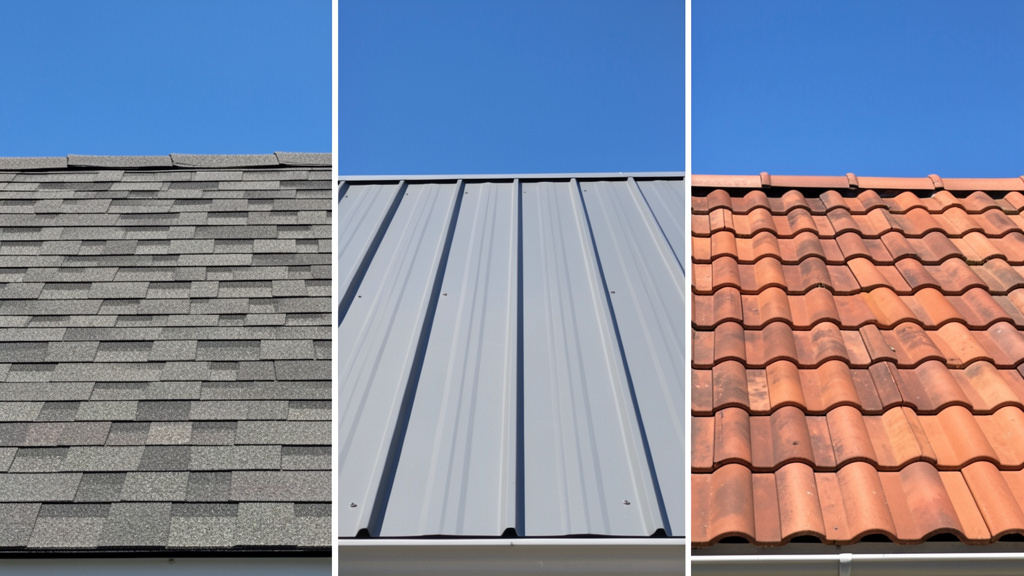
Navigate Material Choices Confidently Using Climate, Budget, Structure, and Long-Term Value—Without Marketing Hype or Overwhelming Detail
Selecting a roofing material is one of the most significant decisions a homeowner makes. This guide moves beyond superficial comparisons to provide a structured, adaptable framework for evaluating asphalt shingles, metal roofing, and clay or concrete tile. Grounded in building science principles, regional climate patterns, structural considerations, and real-world ownership experiences, this resource helps you identify the solution that aligns with your home’s unique context—not generic recommendations. You’ll gain clarity on hidden costs, seasonal vulnerabilities, maintenance rhythms, and how installation quality ultimately shapes decades of performance.
Introduction
Your roof is your home’s first defense against weather, a contributor to energy efficiency, and a defining element of architectural character. Yet material selection is often rushed, influenced by aesthetics alone, or driven by the lowest initial quote—leading to premature repairs, mismatched styles, or structural strain discovered too late. This guide replaces uncertainty with a clear, phased decision process. Drawing on widely recognized standards from organizations like the National Roofing Contractors Association (NRCA), International Code Council (ICC), and Metal Construction Association (MCA), we focus on actionable insights relevant across diverse regions and home types. Whether you’re planning a replacement next season or researching for the future, this framework empowers you to choose with confidence, balancing immediate needs with long-term stewardship.
The Context-First Roofing Framework
Choosing roofing material based solely on appearance or price is like selecting tires without considering road conditions. Performance depends entirely on environment, structure, and usage. This four-phase framework guides you step-by-step, filtering options early using non-negotiable constraints. Each phase builds logically, preventing emotional attachment to materials that won’t thrive in your specific situation. There is no universal “best” roof—only the best roof for your context.
Phase 1: Define Your Non-Negotiable Constraints
Before exploring materials, establish objective boundaries. These filters prevent costly mismatches and narrow your focus efficiently.
Climate and Weather Exposure: Match Material to Environment
Your location dictates material suitability more than any brochure. Key considerations by region:
-
High Wind Areas (Coastal Zones, Tornado Corridors): Wind uplift stresses roofing systems. Standard asphalt shingles may underperform in sustained high winds. Standing seam metal roofs with concealed clip systems typically achieve higher wind resistance ratings. Tile requires mechanical attachment (stainless steel clips) rather than mortar-setting in these zones. Action: Consult local building code wind maps. Require contractors to specify wind ratings meeting or exceeding code—not vague terms like “wind-resistant.”
-
Heavy Snow and Freeze-Thaw Cycles (Northern/Mountain Regions): Weight and thermal dynamics matter. Metal roofs shed snow efficiently due to smooth surfaces. Asphalt shingles can trap snow, increasing ice dam risk if attic ventilation is inadequate. Concrete or clay tile demands structural verification due to weight. Critical Insight: Ice dams form primarily from heat escaping the attic—not the roof material itself. Proper insulation (R-38 minimum) and balanced ventilation (soffit intake + ridge exhaust) are essential companions to any roofing material in cold climates. Metal roofs may reduce damage if ice dams form, as water slides off before penetrating vulnerable points.
-
Intense Sun and Heat (Southwest, Desert, Florida): UV exposure degrades organic materials over time. Light-colored metal roofs with reflective coatings can significantly reduce solar heat absorption. Clay tile’s thermal mass absorbs heat during the day and releases it slowly, moderating indoor temperature swings—a principle used in warm-climate architecture for generations. Note: Reflective “cool roof” options exist across materials. Verify Solar Reflectance Index (SRI) values; ENERGY STAR® certification indicates verified performance.
-
Hail-Prone Regions (Great Plains, Front Range): Impact resistance becomes critical. Standard asphalt shingles typically carry lower impact ratings. Impact-resistant asphalt variants, stone-coated steel, and concrete tile offer enhanced protection. Clay tile performance varies by firing quality. Insurance Note: Some insurers offer premium discounts for Class 4 impact-rated materials in designated zones. Request manufacturer test reports (UL 2218 standard) when evaluating options.
-
High Humidity, Rainfall, or Coastal Salt Spray (Southeast, Pacific Northwest, Shorelines): Moisture management is key. Aluminum or coated steel resists corrosion in coastal settings—specify marine-grade alloys and compatible fasteners. Asphalt shingles with algae-resistant granules help combat dark streaks in humid zones. Tile requires adequate slope and flashing to prevent water pooling. Regional Tip: In moss-prone areas, metal and tile allow gentler cleaning methods than asphalt, which can suffer granule loss if scraped aggressively.
Practical Step: Review historical weather data for your ZIP code via NOAA or local extension resources. Note patterns in rainfall, wind, hail frequency, and temperature extremes. Let this objective data inform your shortlist before aesthetics enter the conversation.
Budget Realities: Lifecycle Value Over Upfront Cost
Roofing costs are often quoted per square (100 sq. ft.), but true value spans decades. Consider three cost dimensions:
- Initial Investment: Includes tear-off, disposal, materials, labor, and structural upgrades if needed.
- Ownership Costs: Maintenance, energy impact, insurance implications, and potential repairs.
- End-of-Life Costs: Replacement timing, disposal fees, and disruption.
Hypothetical Illustration (for perspective only):
For a typical 2,000 sq. ft. roof:
– Option A: Mid-tier asphalt shingles (~$15,000 installed). Estimated lifespan: 20–25 years. May require replacement once within a 40–50 year horizon.
– Option B: Quality standing seam metal roof (~$40,000 installed). Estimated lifespan: 40–60+ years. Minimal maintenance. Potential energy savings in hot climates; possible insurance discounts in hail zones.
While Option B requires greater initial capital, its extended service life may reduce long-term disruption and cumulative cost. Important: Never select a contractor based solely on the lowest bid. Bids significantly below competitors may omit critical scope items (ice shield, quality underlayment), use uncertified labor, or lead to change-order surprises. Allocate a contingency (10–15%) for unforeseen deck repairs discovered during tear-off.
Architectural Harmony and Neighborhood Context
Your roof shapes 40–60% of your home’s street-facing appearance. Consider alignment with style and community:
- Traditional Homes (Colonial, Tudor, Victorian): Architectural asphalt shingles in charcoal, slate-gray, or weathered wood tones offer authentic texture. Clay tile suits Spanish Revival or Mediterranean styles. Standing seam metal may feel discordant on historic structures unless preservation guidelines permit it.
- Contemporary, Mid-Century, or Modern: Standing seam metal in matte black, charcoal, or natural zinc complements clean lines. Metal shingles mimicking slate provide versatility. Verify slope requirements—some asphalt shingles need minimum 4:12 pitch; metal systems often work on lower slopes.
- Farmhouse, Rustic, or Coastal: Exposed-fastener corrugated metal evokes barn charm. Stone-coated steel panels offer wood-shake aesthetics with fire resistance. Copper develops a distinctive patina valued in coastal settings.
- Southwestern or Adobe Styles: Clay tile (Mission or Spanish profile) harmonizes with stucco walls and regional architecture.
Pro Tip: Use manufacturer visualization tools (many offer free online apps) to upload a photo of your home and preview materials. Drive through established neighborhoods with similar homes. Note which roofs age gracefully. If your home is in a historic district, consult preservation guidelines early—material restrictions may apply.
Structural Capacity: Verify Before You Decide
Weight differences between materials are substantial. Installing heavy tile on framing designed for lightweight asphalt risks serious issues. This step is non-optional for heavier materials.
| Material Category | Approx. Weight per 100 sq. ft. | Structural Consideration |
|---|---|---|
| Asphalt Shingles | 200–400 lbs | Typically accommodated by standard residential framing. Often suitable for recover (overlay) if code permits and deck is sound. |
| Metal Roofing | 50–150 lbs | Lightest common option. Ideal for older homes with uncertain structural capacity. May allow safe installation over existing asphalt layer (verify local code). |
| Concrete Tile | 900–1,200 lbs | Requires engineered roof framing. Existing homes often need reinforcement (sistering rafters, upgraded sheathing). Retrofit costs vary significantly. |
| Clay Tile | 1,000–1,400+ lbs | Heaviest standard option. Mandates professional structural assessment before selection. Historic timber framing rarely supports clay tile without major reinforcement. |
Action Protocol: For any material heavier than standard asphalt, consult a licensed structural engineer. Provide proposed material specifications and local snow load requirements. Their stamped report confirms adequacy or outlines necessary upgrades. This modest investment prevents major future complications. Never rely solely on a contractor’s verbal assurance.
Phase 2: Material Deep Dive—Performance in Practice
With constraints defined, examine each material’s real-world behavior: subtypes, climate responses, installation essentials, and ownership experience.
Asphalt Shingles: Versatile and Accessible
Asphalt shingles remain widely used due to versatility, repairability, and moderate cost. Understanding subtypes prevents outdated assumptions.
Common Subtypes:
– 3-Tab Shingles: Uniform appearance, lighter weight. Lower wind resistance. Less common in new installations today; primarily used for repairs. Lifespan typically shorter than architectural styles.
– Architectural (Dimensional) Shingles: Layered mats create shadow lines mimicking wood or slate. Enhanced wind resistance (often rated 110+ mph), texture variety, and longer warranties (25–30 years common). The current market standard for mid-range projects.
– Impact-Resistant Variants: Reinforced mats or polymer-modified asphalt improve hail resistance (UL 2218 Class 3 or 4). Recommended in hail-prone areas; may qualify for insurance discounts.
– Cool Roof Options: Reflective granules increase solar reflectance. ENERGY STAR® certified options available in multiple colors. Pair with adequate attic ventilation for best results in hot climates.
Key Considerations:
– Thermal Management: Darker shingles absorb more heat. Lighter “cool” options reduce surface temperature. Always pair with balanced attic ventilation to mitigate heat transfer.
– Moisture & Algae: In humid regions, algae-resistant granules (copper/zinc-infused) help prevent dark streaks. Zinc or copper strips installed near the ridge can inhibit growth over time. Avoid harsh chemical cleaners; oxygen-based solutions are gentler.
– Installation Essentials: Synthetic underlayment (replacing traditional felt) offers superior tear strength and moisture resistance. Ice and water shield underlayment at eaves, valleys, and penetrations is critical in cold or wet climates. Proper nailing pattern per manufacturer specs ensures wind resistance.
– Maintenance: Annual visual inspection (binoculars from ground) after storms. Check gutters for granule accumulation (indicates aging). Small repairs (1–5 shingles) are often DIY-friendly. Tip: Store 5–10 spare shingles from your original installation for future color-matched repairs.
Illustrative Insight: In humid climates with consistent rainfall, specifying algae-resistant shingles upfront avoids aesthetic concerns later. The minor initial premium is often preferable to remediation efforts years down the line.
Metal Roofing: Engineered for Longevity
Modern metal roofing offers sophisticated aesthetics alongside durability, recyclability, and weather resilience. Subtypes serve distinct purposes.
Common Subtypes:
– Standing Seam: Vertical panels with concealed fasteners. Highest wind resistance, clean lines, thermal movement accommodation. Ideal for modern, coastal, or low-slope applications. Materials include steel (Galvalume® coated), aluminum (coastal corrosion resistance), copper, or zinc.
– Exposed-Fastener Panels (Corrugated, R-Panel): Lower cost, rustic aesthetic. Requires periodic fastener inspection as rubber washers degrade over time. Best for workshops, cabins, or budget-conscious projects in moderate climates.
– Metal Shingles/Shakes: Textured or stone-coated panels mimicking slate, tile, or wood. Blends traditional curb appeal with metal’s non-combustible benefits. Stone-coated steel often carries high impact ratings.
– Copper/Zinc: Develop distinctive patinas over decades. Exceptional longevity but higher initial investment. Requires compatible flashing materials to prevent galvanic corrosion.
Key Considerations:
– Durability: Non-combustible (Class A fire rating). Resists rot, insects, and UV degradation. Coating quality matters—PVDF (Kynar 500®/Hylar 5000®) coatings retain color significantly longer than economy options.
– Energy Efficiency: Reflective surfaces reduce cooling loads in hot climates. Above-sheathing ventilation (battens creating an air gap) enhances this effect. In snowy regions, smooth surfaces promote snow shedding, reducing ice dam risk.
– Noise Perception: Properly installed over solid sheathing with attic insulation, rain noise is comparable to other materials. The “noisy barn roof” myth stems from uninsulated agricultural structures.
– Installation Nuances: Thermal expansion requires floating clip systems (standing seam) or slotted holes (exposed-fastener). Flashing materials must be compatible to avoid corrosion. Seek contractors certified by the Metal Roofing Alliance (MRA) or specific manufacturers.
– Maintenance: Clear debris from valleys annually. Inspect exposed fasteners (if applicable) for washer integrity. Keep 1–2 spare panels stored flat for future repairs—color matching years later is challenging.
Illustrative Insight: In coastal environments, aluminum standing seam roofs with high-quality coatings have demonstrated decades of service with minimal maintenance when installed with compatible fasteners and flashings. Energy savings from reduced cooling demand and efficient snow shedding are frequently observed, though actual results depend on home-specific factors like insulation levels and local climate.
Clay and Concrete Tile: Timeless Craftsmanship
Tile roofs offer enduring beauty and exceptional service life when matched to the right setting. Clay and concrete serve similar roles with key distinctions.
Material Comparison:
– Clay Tile: Made from natural clay/shale, kiln-fired. Color is integral (won’t fade). Impervious to moisture. Lifespan often exceeds 50 years with proper installation. Higher cost, weight, and fragility during handling. Best in warm/dry climates but viable elsewhere with correct specification.
– Concrete Tile: Molded from cement, sand, pigments. Wider color range, lower cost than clay (typically 20–40% less). Slightly heavier per square. Porous—requires sealing in freeze-thaw zones. Lifespan typically 30–50 years with maintenance.
Key Considerations:
– Climate Adaptation: Excels in hot, dry regions where thermal mass reduces cooling needs. Performs well in cold climates when specified correctly: low-absorption concrete tile (<8% water absorption) or high-fired clay tile (<7% absorption), adequate slope (minimum 2.5:12 for interlocking systems), ice/water shield underlayment, and mechanical attachment (stainless steel clips).
– Wind Resistance: Modern interlocking profiles and clip systems achieve high wind ratings. Demand UL 2377 test reports matching local requirements.
– Fire & Pest Resistance: Non-combustible (Class A rating). Ideal for wildfire-prone areas. Resists insects and rodents.
– Installation Essentials: Counter-batten system (vertical then horizontal battens) creates airflow beneath tiles, preventing moisture trapping. Solid sheathing (5/8″ plywood/OSB) is standard for new installs. Flashing details—especially valleys and sidewalls—are critical; step flashing integrated with each tile course is best practice. Installation requires specialized skill; seek Tile Roofing Institute (TRI) affiliated contractors.
– Long-Term Care: Biannual visual inspections (binoculars). Gently remove moss/lichen in shaded areas. Order 5–10% extra tiles during installation for future repairs—sourcing matches decades later is difficult. Concrete tile in freeze-thaw zones may need resealing every 7–10 years.
Illustrative Insight: Historic tile roofs in diverse climates—from European alpine regions to coastal Japan—demonstrate longevity when originally installed with climate-appropriate materials and methods. Modern engineering enhances reliability, but success hinges on correct specification for your location and installer expertise.
Phase 3: Installation Excellence—Where Material Meets Craftsmanship
A premium material installed poorly will underperform a modest material installed expertly. Installation quality critically influences long-term performance. Focus here pays dividends for decades.
Contractor Vetting: Seven Essential Checks
- Verify Credentials: Confirm active state license. Request Certificates of Insurance (General Liability $1M+, Workers’ Comp). Call the insurer to validate. Uninsured crews risk your liability.
- Material Specialization: Ask: “Are you certified by the manufacturer for this specific material?” Metal and tile require specialized training. Certifications (MRA, TRI, GAF Master Elite, etc.) indicate investment in expertise.
- Review Past Work: Request photos of projects completed 3–7 years ago (not just new installs). Contact references with specific questions: cleanup protocol, handling of unexpected issues, communication clarity.
- Scrutinize the Estimate: Must detail: tear-off scope, material brand/product/color, underlayment type and coverage areas, flashing materials/locations, deck repair allowance, disposal fees, warranty terms (material vs. workmanship). Avoid vague line items like “miscellaneous.”
- Understand Warranties: Material warranty (manufacturer) often has prorated periods. Workmanship warranty (contractor) should be 2+ years; 5–10 years indicates confidence. “System warranties” (requiring all components from one brand + certified installer) offer strongest coverage—ask if available.
- Clarify Project Management: Who supervises daily? How is property protected (landscaping, driveways)? What is the protocol for discovering rotted deck sheathing? Expect daily cleanup and clear communication channels.
- Check Reputation Thoughtfully: Search “[Contractor] + complaint” beyond star ratings. Look for patterns in feedback. One negative review among many positives is normal; repeated issues with similar themes warrant caution.
What Quality Installation Looks Like
- Prep: Dumpster positioned, property protected with tarps, materials stored covered.
- Tear-Off & Deck Inspection: Thorough examination of roof deck. Reputable contractors photograph damaged sheathing and discuss repair scope before proceeding. Never install over compromised wood.
- Underlayment & Ice Shield: Synthetic underlayment rolled smoothly with proper overlaps. Ice/water shield applied meticulously at eaves (extending past interior wall per code), valleys, and penetrations. Seams taped per spec.
- Material Installation:
- Asphalt: Starter strip sealed correctly; shingles aligned; nails in designated zone; ridge cap properly formed.
- Metal: Panels measured precisely; clips engaged correctly; fasteners torqued (not overtightened); flashings integrated.
- Tile: Battens level; tiles securely clipped/interlocked; flashing integrated at every course.
Installer periodically checks alignment from multiple angles. - Final Walkthrough: Magnet sweep for nails. Gutters cleaned. Interior ceilings checked for damage. Homeowner walks perimeter to verify satisfaction before final payment. Warranty documents provided.
Red Flags Warranting Pause
- Pressure to sign “today only” for a discount.
- Upfront payment demanded beyond standard deposit (typically 10–30%, varies by state).
- Reluctance to provide license/insurance details.
- Vague answers about timeline, materials, or warranty.
- Crew lacks visible safety equipment (harnesses, hard hats).
- Disregard for property protection.
Trust your judgment. Reputable contractors welcome informed questions—they reflect shared commitment to quality.
Phase 4: Long-Term Ownership—Living With Your Roof
Your roof serves for decades. Understanding maintenance rhythms, repair realities, and system connections ensures lasting value.
Material-Specific Care Overview
| Material | Annual Focus | Every Few Years | Watch For |
|---|---|---|---|
| Asphalt Shingles | Post-storm visual check (binoculars); gutter cleaning; inspect for algae/moss | Professional inspection; check attic for moisture signs | Missing/cracked shingles; heavy granule loss in gutters; moss lifting shingles |
| Metal Roofing | Clear valleys/debris; inspect exposed fasteners (if applicable); check sealant at penetrations | Verify coating integrity; reseal penetrations; check attic ventilation | Loose panels; surface rust (treat early); seam separation; unusual noise |
| Clay/Concrete Tile | Remove debris from valleys/hips; check for slipped/cracked tiles; inspect moss in shaded areas | Professional inspection; reseal concrete tile (freeze-thaw zones); verify clip integrity | Broken tiles; water stains after rain; tiles visibly displaced |
Repair Realities and Planning
- Asphalt: Small repairs often DIY-friendly. Challenge: Matching aged shingles is difficult. Solution: Store spare shingles from original install.
- Metal: Panel replacement requires specialists. Challenge: Color matching years later. Solution: Store 1–2 full panels; specify PVDF coatings for color retention.
- Tile: Individual tiles can be replaced, but labor-intensive. Challenge: Sourcing matching tiles decades later. Solution: Order 5–10% extra tiles during installation; store securely with documentation.
Broader Implications: Resale, Insurance, Environment
- Resale Value: A well-maintained roof of any material signals responsible ownership. Regional preferences vary: tile may command premiums in Southwest markets; metal gains traction in snow-prone areas. Document maintenance records and warranty transfers for buyers.
- Insurance: Impact-resistant (Class 4) materials may qualify for discounts in hail zones. Class A fire-rated roofs (all three materials when properly installed) can reduce premiums in wildfire areas. Action: Consult your agent before installation about qualifying certifications.
- Environmental Perspective:
- Metal: High recycled content; 100% recyclable at end-of-life; long lifespan reduces replacement frequency.
- Asphalt: Recycling infrastructure growing (used in road paving); ask contractors about take-back programs.
- Tile: Long service life minimizes replacement burden; local sourcing reduces transport impact.
Longevity and end-of-life recyclability often outweigh minor differences in initial embodied energy.
Addressing Common Concerns and Misconceptions
Even thorough research leaves lingering doubts. Evidence-based clarity helps.
“Metal Roofs Attract Lightning”
Current understanding from fire safety and roofing organizations indicates metal roofs do not increase strike likelihood. Lightning seeks the highest point and path to ground—not material composition. If struck, a properly grounded metal roof safely dissipates the charge across its surface. Its non-combustible nature makes it a safer outcome than combustible materials. Proper grounding per NFPA 780 standards is essential regardless of material.
“Tile Roofs Only Work in Warm, Dry Climates”
Tile has protected structures for centuries across diverse climates—from alpine Europe to humid coastal Asia. Success depends on correct specification and installation: low-absorption tile, adequate slope, ice/water shield underlayment, and mechanical attachment in cold regions. Partner with installers experienced in your local climate challenges.
“Asphalt Shingles Are Outdated”
Continuous innovation has refined asphalt shingles: fiberglass mats improve fire resistance; polymer modifiers enhance flexibility; algae-resistant and reflective granules address regional needs. For many homeowners in moderate climates, high-quality architectural shingles offer exceptional value, repairability, and aesthetic flexibility. “Obsolete” is inaccurate; “context-dependent” is precise.
When Alternative Materials May Fit
- Wood Shakes/Shingles: Offer unmatched rustic appeal but require rigorous maintenance, carry fire risk (unless treated to Class A), and are restricted in many wildfire zones. Only choose with full commitment to upkeep and verified code compliance.
- Slate: Exceptional longevity (75–200 years) and beauty, but very heavy, costly, and requires scarce specialized installers. Primarily suited for historic restorations with verified structural capacity.
- Synthetic (Composite): Mimics slate, shake, or tile at lower weight. Quality varies widely—prioritize established brands with long warranties and impact ratings. A viable option where weight or budget limits authentic materials.
Tear-Off vs. Recover (Overlay): A Critical Decision
- Full Tear-Off (Generally Recommended): Removes all layers to inspect/repair deck. Ensures proper drainage, complies with most codes (IRC typically limits to two layers), and is often required for warranties on premium materials. Adds modest short-term cost but prevents future expensive repairs.
- Recover (Overlay): Installing new material over existing layer. Only consider if: exactly one sound asphalt layer exists; local code permits; manufacturer warranty allows; deck integrity is verified. Risks include trapped moisture, added weight, hidden damage, and reduced new roof lifespan.
Professional Consensus: NRCA and most manufacturers recommend full tear-off for optimal long-term performance. The modest savings of an overlay rarely justify the elevated risks.
Your Questions, Answered
Q: How do I know if my roof needs repair or full replacement?
A: Assess extent and age. For asphalt: widespread curling, granule loss exposing mat, or multiple cracked/missing shingles. For metal: penetrating rust, loose seams, or damaged fasteners causing leaks. For tile: numerous cracked/slipped tiles or underlying felt damage. If leaks persist after professional repair attempts, or over 30% of the surface requires fixing, replacement is often more economical long-term. When in doubt, get a second opinion from an independent inspector (not a contractor seeking work).
Q: Can solar panels be installed on these roofs?
A: Yes, but integration varies:
– Metal Standing Seam: Ideal. Panels clamp to seams without roof penetrations—preserving warranty and leak resistance.
– Asphalt Shingles: Common. Requires penetrations; meticulous flashing is critical. Best coordinated during roof replacement.
– Tile Roofs: More complex. May require tile removal/replacement during mount installation. Specialized “tile hook” systems exist.
Strategic Tip: If solar is planned within 5–10 years, discuss integration during material selection. Metal standing seam simplifies future installation.
Q: Which material is most eco-friendly?
A: “Eco-friendly” depends on priorities:
– Longevity & Recyclability: Metal often leads—long service life, high recycled content, fully recyclable.
– Local Sourcing: Regionally produced clay tile minimizes transport emissions.
– Operational Energy: Reflective metal roofs reduce cooling demand in hot climates; tile’s thermal mass moderates temperatures.
Prioritize durability and end-of-life recyclability. A roof lasting 50+ years with responsible material choices generally has a lower lifetime environmental impact than frequent replacements.
Q: How much does roof color affect energy bills?
A: Significantly in hot climates. Dark colors absorb more heat, raising attic temperatures. Light colors or “cool roof” products reflect solar radiation, potentially reducing cooling demand. In colder climates with high heating needs, the effect is less pronounced due to modern insulation standards. Recommendation: In regions with high cooling demands, prioritize lighter colors or verified reflective products. Always ensure adequate attic ventilation regardless of color.
Q: Are there current tax credits for energy-efficient roofing?
A: As of 2024, federal tax credits (Inflation Reduction Act) apply to solar, battery storage, and other clean energy systems—not standalone roofing. However:
– Many utilities offer rebates for ENERGY STAR® “cool roofs” (check DSIRE database or contact your provider).
– Insurance discounts for impact-resistant or fire-rated materials often provide greater financial benefit than rebates.
Verify opportunities specific to your location before finalizing decisions.
Q: What’s a realistic installation timeline?
A: Varies by roof size, complexity, weather, and material:
– Asphalt (tear-off + install): Small roof: 1–2 days; large roof: 2–4 days. Weather-sensitive.
– Metal: Small roof: 3–5 days; large roof: 5–8 days. Less weather-dependent than asphalt.
– Tile: Small roof: 5–8 days; large roof: 8–12+ days. Precision placement and batten systems require time.
Reputable contractors build in weather buffers and provide written schedules. Avoid promises of “one-day replacements” for full installations—it often signals rushed work.
Q: What are the top questions to ask contractors?
A: Go beyond “Are you licensed?” Ask:
1. “Can you show the specific warranty document for the proposed material and explain material vs. workmanship coverage?”
2. “What is your protocol for inspecting and repairing the roof deck after tear-off?”
3. “Exactly where will ice/water shield and synthetic underlayment be installed?”
4. “How many roofs of this specific material have you installed recently? May I see photos of completed projects?”
5. “What is your process for protecting my property and handling unexpected issues like rotted sheathing?”
Answers reveal transparency, expertise, and attention to detail far more than price alone.
Q: Is impact-resistant asphalt worth it outside hail zones?
A: Often yes. Benefits extend beyond hail: reinforced mats improve wind resistance and durability against foot traffic or falling branches. Some insurers offer modest discounts regardless of location. The typical 10–20% premium over standard architectural shingles may be justified by extended warranty terms and peace of mind. Discuss with your insurance agent.
Q: How can I inspect my roof safely?
A: Prioritize safety—roof falls cause serious injuries.
– Ground Inspection: Use binoculars on a clear day. Scan for missing/damaged material, debris in valleys, flashing issues.
– Attic Check: On a sunny day, turn off lights and look for pinpricks of light. Check rafters/sheathing for stains, mold, or dampness.
– Drone Photos: Hire a licensed operator for aerial imagery.
– Professional Inspection: Certified roof inspectors ($150–$300) use moisture meters and provide detailed reports. Recommended every 3–5 years or before buying/selling.
Never walk on a wet, steep, or fragile roof.
Q: What’s the biggest mistake homeowners make?
A: Prioritizing lowest upfront cost over lifecycle value and installation quality. This manifests as: selecting the cheapest bid (risking omitted scope or uninsured labor), ignoring climate-specific requirements, or skipping thorough contractor vetting. Remember: installation quality determines the majority of long-term performance. Investing time in Phases 1–3 prevents costly regrets later.
Conclusion and Your Next Step
Choosing a roof is an investment in safety, comfort, and your home’s legacy. The Context-First Framework guides you from objective constraints (climate, structure, budget) through material realities to installation excellence and long-term stewardship. There is no single “best” material—only the best choice for your unique situation, installed with care and maintained with awareness.
Three Anchors for Confident Decision-Making
- Context Guides Choice: Let your location, home structure, architectural style, and realistic budget—not trends or neighbor choices—define viable options. A roof thriving in Arizona may struggle in Minnesota. Honor your home’s specific needs.
- Knowledge Empowers Action: Understand why certain materials suit certain conditions. This transforms overwhelming options into clear, logical pathways.
- Craftsmanship Is Crucial: The most advanced material fails under poor installation. Diligent contractor vetting is not optional—it is the foundation of decades of reliable performance.
The 24-Hour Rule: One Small Step Forward
Within the next day, take one concrete action:
– Early Research Phase: Download a roofing decision worksheet. Note your ZIP code’s climate patterns, estimated budget range, home style, and whether you’ve verified structural capacity.
– Ready for Quotes: Identify 3–5 local contractors meeting the vetting criteria. Call tomorrow to schedule consultations, armed with the five critical questions from the FAQ.
– Noticing Warning Signs: Perform a safe ground-level inspection with binoculars. Photograph any visible concerns (missing shingles, slipped tiles, rust spots) to discuss with professionals.
This single step builds momentum and transforms knowledge into progress.
The Integrated View
Your roof functions within a larger system: attic ventilation, insulation levels, gutter management, and even tree placement all influence its performance and longevity. A thoughtfully chosen, expertly installed roof does more than keep rain out—it enhances energy efficiency, elevates curb appeal, provides storm-time peace of mind, and becomes a quiet testament to informed stewardship. It shelters not just a structure, but the life within. Choose with clarity. Install with care. Maintain with diligence. Your roof will reward that wisdom with decades of faithful service.
Explore Our Complete Roofing System Guides:
[How to Spot Roof Damage Early: A Safe Visual Inspection Guide] | [Attic Ventilation Essentials: Prevent Ice Dams and Moisture Issues] | [Roofing Contractor Vetting Checklist: 7 Steps to Avoid Costly Mistakes] | [Understanding Roof Warranties: Material, Workmanship, and System Coverage] | [Eco-Conscious Roofing: Balancing Longevity, Recyclability, and Local Impact] | [Emergency Roof Leak Response: Immediate Actions to Minimize Damage] | [Historic Home Roofing: Preserving Character While Ensuring Protection]