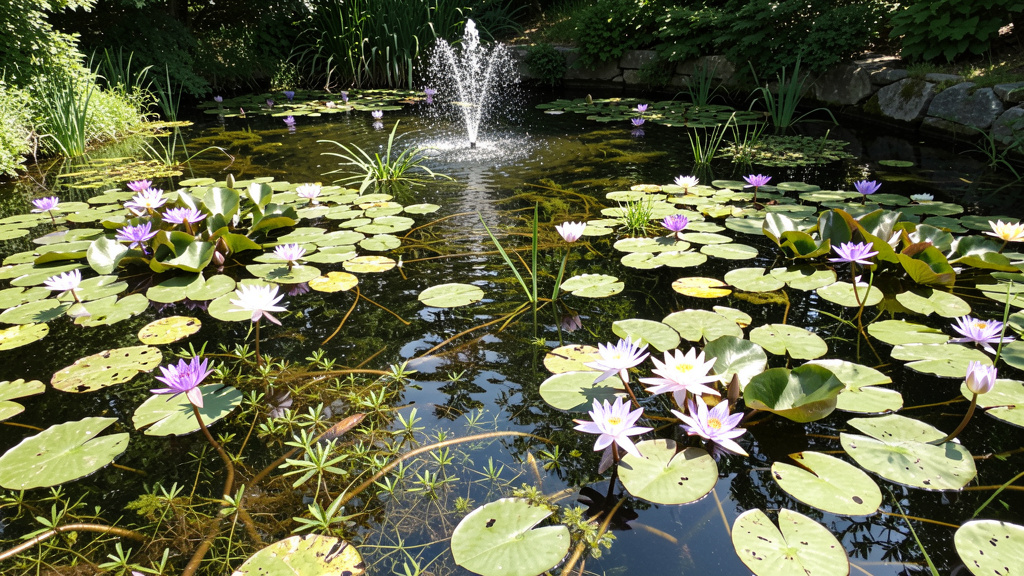
Transform Your Pond into a Balanced, Low-Maintenance Oasis with Thoughtful Plant Selection, Strategic Placement, and Seasonally Attuned Care
Imagine stepping into your backyard at dawn to find dew-kissed lotus blossoms unfurling above clear water, dragonflies skimming past emerald reeds, and fish gliding peacefully through submerged forests of oxygenating plants. This serene scene is not reserved for botanical gardens—it is the achievable reality of a water garden designed with ecological intention. More than decoration, aquatic plants form the living infrastructure of a self-regulating ecosystem where beauty and function intertwine. This guide merges horticultural principles with practical artistry to help you select, position, and nurture water garden plants that purify water, support local wildlife, and deliver year-round visual interest—without demanding constant intervention.
Introduction: Where Art Meets Aquatic Ecology
Water gardens represent one of humanity’s oldest horticultural traditions, appearing in ancient Persian courtyards and refined through centuries of East Asian and European landscape design. Their modern appeal reflects a growing desire for restorative outdoor spaces that actively support ecological health. Unlike static landscape features, aquatic plants perform vital biological roles: they absorb excess nutrients that fuel algae, release oxygen for aquatic life, create shelter for amphibians and insects, and stabilize pond edges against erosion. When selected and arranged with ecological awareness, these plants transform still water into a resilient, self-sustaining habitat.
Horticultural practice consistently shows that ponds with substantial plant coverage—typically around two-thirds of the surface and submerged areas—tend to maintain clearer water with fewer interventions than sparsely planted counterparts. This balance emerges from understanding how different plant types occupy distinct ecological niches within the water column. A marginal reed processes nutrients differently than a submerged oxygenator; a floating water lettuce shades the surface while a deep-water lily anchors sediment below. Success lies not in collecting rare specimens, but in composing layered plant communities that echo nature’s own wetland architectures. This guide offers a practical framework for creating water gardens that thrive across climates, sizes, and maintenance preferences—demonstrating that ecological intelligence and enduring beauty are deeply connected.
The Four-Layer Ecosystem Framework: Building Balance from Bottom to Surface
Successful water gardens avoid treating plants as isolated ornaments. Instead, they apply a stratified approach where each botanical layer performs specific biological functions while contributing to visual harmony. This framework creates redundancy: if one plant type slows seasonally, others compensate. Think of it as cultivating a living filtration system where roots, leaves, and stems collaborate to maintain water quality. Below, we explore each layer with placement guidance, species considerations, and ecological rationale. Implementing all four layers establishes the foundation for a pond that clarifies water naturally, suppresses algae, and supports biodiversity with minimal human intervention.
Layer 1: The Oxygenator Layer (Submerged Plants) – The Pond’s Invisible Lungs
Submerged plants operate beneath the surface as the metabolic engine of your water garden. Through photosynthesis, they release dissolved oxygen directly into the water—critical for fish respiration, beneficial bacteria that break down organic matter, and overall water clarity. Simultaneously, their dense foliage absorbs ammonia, nitrates, and phosphates (common algae nutrients) directly through leaves and stems, limiting resources available for unwanted growth. Unlike mechanical aerators that consume energy, these plants provide silent, solar-powered oxygenation while offering shelter for fry, tadpoles, and aquatic invertebrates.
Why This Layer Is Essential:
Ponds lacking sufficient submerged vegetation may experience oxygen fluctuations that stress aquatic life and contribute to cloudy water. In natural wetlands, submerged plants form a significant portion of the plant community—a ratio worth emulating. They also stabilize sediment; without their root networks, bottom debris easily clouds water during wind or activity. Crucially, they compete with filamentous algae for nutrients, acting as a living buffer against “blanket weed.”
Implementation Guidance:
– Placement Depth: Entirely submerged, typically 12–36 inches (30–90 cm) below surface. Use planting baskets weighted with gravel to prevent floating.
– Coverage Target: A general starting point is one small bunch per two square feet of pond surface area. Adjust based on observed growth and water clarity over several weeks.
– Seasonal Timing: Introduce in early spring as water temperatures begin to rise, allowing plants to establish before warmer months.
– Planting Method: Anchor stems in mesh baskets filled with aquatic soil (not garden soil, which clouds water). Cover roots lightly with pea gravel to deter disturbance.
Species Considerations by Climate Adaptation:
| Plant Name | Typical Hardiness Range | Key Attributes | Important Notes |
|————|————————-|—————-|—————–|
| Hornwort (Ceratophyllum demersum) | Widely adaptable | Rapid growth, excellent oxygenator, provides habitat | Floats freely; trim periodically to prevent surface crowding |
| Anacharis/Elodea (Egeria densa) | Warmer regions | Thrives in varied light, efficient nutrient uptake | Check local regulations—restricted in some areas due to invasiveness concerns |
| Vallisneria (Vallisneria americana) | Broad range | Graceful ribbon-like leaves, tolerates gentle water movement | Spreads via runners; contain in pots if space is limited |
| Cabomba (Cabomba caroliniana) | Warmer climates | Delicate feathery foliage, high nutrient absorption | Requires ample light; sensitive to cold temperatures |
| Waterweed (Elodea canadensis) | Cooler regions | Cold-tolerant native, supports local insect life | Slower initial growth; pair with faster-establishing species |
Common Challenges & Gentle Corrections:
– Seasonal die-back: In colder zones, some submerged plants naturally recede in winter. Leaving a portion intact supports winter oxygen levels.
– Water preparation: Rinse new plants in dechlorinated water or existing pond water to avoid shocking delicate tissues.
– Secure planting: Unweighted plants may float upward. Always use gravel-topped baskets for stability.
– Regional adaptation: In cooler climates, supplement with cold-tolerant species if primary choices recede significantly.
Observational Insight:
In a documented case from a northern climate, persistent green water improved noticeably within weeks after introducing robust submerged vegetation across the pond floor. Water quality testing indicated a marked reduction in nutrient levels—not because nutrients vanished, but because plants absorbed them more effectively than algae could access them. This illustrates the principle of competitive exclusion: desirable plants gain the advantage when given proper establishment conditions.
Layer 2: The Marginal Layer (Shallow Water Plants) – The Ecological Interface
Marginal plants inhabit the critical transition zone between land and water—typically 2–12 inches (5–30 cm) deep—where they perform multifaceted roles. Their roots stabilize pond edges, preventing soil erosion during heavy rain. Above water, their stems and leaves provide perches for dragonflies, shelter for frogs, and nesting sites for birds. Below the surface, dense root masses host beneficial bacteria that process organic compounds. Visually, they soften hard pond edges, create vertical interest, and extend seasonal color from early spring growth to late-fall seed heads.
Why This Layer Defines Character:
Marginals shape the pond’s silhouette and integrate it into the surrounding landscape. Aweeping iris cascading over a stone edge feels intentional; a cluster of pickerel weed signals natural authenticity. Ecologically, they intercept runoff nutrients before they enter deeper water—a function observed in constructed wetland systems. Their seasonal cycles also support wildlife year-round: cattail seed heads feed birds in winter; emerging shoots offer early-spring habitat for insects.
Implementation Guidance:
– Placement Depth: Position pots so the crown (where roots meet stems) sits 1–6 inches below water surface. Adjustable shelves during pond construction allow precision.
– Zoning Strategy: Group plants by moisture tolerance:
– Zone A (0–2″ depth): Creeping Jenny, dwarf cattails
– Zone B (3–6″ depth): Japanese iris, sweet flag
– Zone C (7–12″ depth): Pickerel weed, umbrella palm
– Pot Selection: Use 1–2 gallon (4–8 L) mesh baskets. Line with burlap if soil leaks.
– Soil Mix: Heavy, clay-based aquatic soil provides stability and slow nutrient release.
Species Selection by Function:
For Erosion Control & Bank Stabilization:
– Creeping Jenny (Lysimachia nummularia): Golden or green trailing stems root at nodes, forming dense mats. Tolerates light foot traffic near edges.
– Blue Flag Iris (Iris versicolor): Fibrous roots bind soil; striking purple blooms in late spring. Native to North American wetlands.
– Sweet Flag (Acorus calamus): Sword-like leaves release a subtle aroma when brushed; thrives near moving water.
For Wildlife Habitat & Biodiversity:
– Pickerel Weed (Pontederia cordata): Spikes of blue flowers attract pollinators; seeds feed waterfowl. Spreads gently via rhizomes.
– Dwarf Cattail (Typha minima): Compact variety avoids invasiveness concerns of common cattail. Provides nesting material for birds.
– Marsh Marigold (Caltha palustris): Early yellow blooms offer critical nectar for emerging pollinators.
For Year-Round Visual Interest:
– Japanese Iris (Iris ensata): Large, orchid-like flowers in June; foliage turns bronze in fall. Prefers slightly acidic water.
– Umbrella Palm (Cyperus alternifolius): Tropical silhouette with umbrella-shaped clusters; brings height to container ponds.
– Horsetail Reed (Equisetum hyemale): Architectural vertical lines; evergreen in mild climates. Caution: Can spread aggressively—plant only in submerged pots with root barriers.
Seasonal Care Considerations:
– Spring: Divide overcrowded clumps (like irises) every 2–3 years as new growth emerges. Refresh gravel topping on pots.
– Summer: Deadhead spent blooms to redirect energy. Trim yellowing leaves at the base to maintain water quality.
– Fall: Cut back deciduous marginals to a few inches above the crown after frost. Leave seed heads for wildlife where desired.
– Winter: In colder zones, sink pots below the frost line or store in a cool, damp location.
Addressing Common Challenges:
– Leaves yellowing despite adequate light: May indicate nutrient needs. Apply aquatic plant fertilizer tabs directly into soil near roots. Avoid high-phosphorus formulas.
– Plants leaning toward pond center: Could signal insufficient light at the edge. Relocate to a sunnier shelf or trim overhanging vegetation.
– Roots escaping pot mesh: Repot into a double-lined basket or wrap the exterior with landscape fabric before adding soil.
Design Insight:
A documented project transformed a problematic muddy runoff area beside a patio into a functional marginal zone. By installing a shallow gravel-lined trench planted with moisture-loving species, they created a bio-swale that filtered rainwater before it reached the main pond. Within a season, sediment accumulation in the primary pond decreased noticeably, and the marginal strip became a valued viewing area for observing damselflies. This illustrates how marginals solve practical challenges while enhancing aesthetics—a dual purpose central to ecological design.
Budget Tip: Native marginal species are often more affordable and better adapted to local conditions, reducing long-term replacement costs and maintenance needs.
Layer 3: The Floating Layer (Surface Coverage) – Nature’s Living Sunscreen
Floating plants drift freely on the water’s surface, their roots dangling directly into the water column to absorb nutrients efficiently. Their most celebrated function is shading: by covering a portion of the pond surface, they limit sunlight penetration that fuels algae growth. This isn’t merely cosmetic—adequate surface coverage can moderate water temperature during heatwaves, reducing stress on aquatic life and slowing metabolic rates of unwanted organisms. Their dangling roots also provide nursery habitat for micro-crustaceans that consume suspended particles, adding a secondary biological filtration layer.
Why Surface Coverage Is Strategic:
Many beginners worry floating plants will “take over,” but thoughtful coverage prevents ecological imbalance. Unshaded water receives full solar energy—ideal for algae blooms. Floating plants convert that same energy into growth, effectively harvesting excess nutrients. They also reduce evaporation (valuable in arid climates) and minimize leaf litter accumulation by intercepting falling debris. Crucially, they offer psychological comfort to fish: many species instinctively seek cover from aerial predators. A pond with balanced floating coverage often shows calmer, more visible aquatic activity.
Implementation Guidance:
– Coverage Target: Begin with modest coverage in spring (around 30%); allow natural expansion toward 50–60% by midsummer. Thin weekly to maintain balance.
– Introduction Method: Simply place on water surface. No planting required.
– Containment Strategy: Use floating rings (made from PVC pipe) in small ponds to concentrate plants for easier management.
– Seasonal Timing: Add after last frost when water is consistently warm. Remove before first fall frost in cold climates.
Floating Plant Profiles: Benefits and Boundaries
| Plant | Growth Habit | Suggested Coverage | Climate Notes | Wildlife Value |
|——-|————–|——————–|—————|—————-|
| Water Hyacinth (Eichhornia crassipes) | Vigorous | 20–30% max | Warm regions; annual elsewhere | Roots shelter fry; flowers attract pollinators |
| Water Lettuce (Pistia stratiotes) | Rapid | 30–40% max | Warm regions; annual elsewhere | Dense roots filter fine particles; duck habitat |
| Duckweed (Lemna minor) | Very rapid | 10–15% max | Wide range | High-protein food source; requires careful monitoring |
| Frogbit (Hydrocharis morsus-ranae) | Moderate | 40–50% | Temperate zones | Small white flowers; less aggressive than duckweed |
| Salvinia (Salvinia minima) | Fast | 25–35% | Warm regions | Velvety leaves; avoid known invasive varieties |
Essential Management Practices:
– Weekly Thinning: Scoop excess plants with a fine-mesh net. Compost removed biomass or share responsibly. Never discard in natural waterways.
– Nutrient Awareness: If floating plants show pale leaves or stunted growth, water may be nutrient-deficient (common in new ponds). Apply liquid aquatic fertilizer sparingly.
– Wildlife Consideration: In areas with turtles or large fish, floating plants may be consumed rapidly. Use temporary floating protectors initially.
– Winter Protocol: In cooler zones, floating plants are typically annuals. Remove before frost to prevent decay. Save a few specimens indoors in an aquarium with adequate light for spring reintroduction.
Understanding Duckweed Dynamics:
Duckweed exemplifies the floating plant balance. A light layer (covering under 15% of surface) can indicate healthy nutrient levels and provides food for wildlife. But unchecked, it may form a dense mat that limits oxygen exchange. Management focuses on balance:
– Prevention: Maintain robust submerged and marginal plants to compete for nutrients.
– Control: Use a pond skimmer during peak growth. In larger ponds, certain fish species may help manage populations—research local regulations first.
– Benefit Recognition: Duckweed absorbs nutrients efficiently. In a controlled separate container, it can be harvested regularly for compost.
Practical Observation:
A community garden in a hot, arid region struggled with recurring green water despite previous efforts. Volunteers introduced water lettuce and frogbit to cover approximately half the surface. Within days, water clarity improved visibly. Throughout the summer heat, the pond maintained transparency, and temperature monitoring indicated a cooling effect under the plant cover. The garden now harvests excess floating plants monthly for compost, closing the nutrient loop. This case underscores how floating plants deliver significant impact relative to effort—a cornerstone of low-maintenance water gardening.
Budget Tip: Frogbit and native duckweed alternatives are often more economical starter options than tropical varieties like water hyacinth.
Layer 4: The Deep Water Layer (Water Lilies and Lotuses) – The Crown Jewels
Deep-water plants anchor the visual and ecological heart of larger ponds (minimum 18 inches/45 cm depth). Water lilies (Nymphaea) and lotuses (Nelumbo) captivate with their iconic blooms and expansive pads, but their value extends beyond aesthetics. Their substantial root systems process nutrient loads, while floating leaves provide critical shade and shelter. Lotus flowers, revered across cultures, symbolize resilience and transformation. Cultivating these plants connects gardeners to enduring horticultural traditions while delivering measurable water quality benefits.
Ecological and Aesthetic Distinctions:
– Water Lilies: Pads float directly on the water surface; flowers rest among leaves. Prefer still water. Rhizomes spread horizontally.
– Lotuses: Pads and flowers rise above water on rigid stalks. Require deeper water (18–30 inches/45–75 cm) and full sun. Rhizomes grow vertically downward.
Both types absorb excess nutrients, but lotuses often exhibit resilience in richer conditions. Their large leaves also intercept rainfall, reducing disturbance on pond bottoms.
Planting Deep-Water Species Correctly:
Water Lilies:
1. Select a wide, shallow pot (14–18 inch/35–45 cm diameter).
2. Place rhizome at pot edge with growing tip angled upward.
3. Cover roots with aquatic soil, leaving crown exposed.
4. Add a thin gravel layer to prevent soil clouding.
5. Submerge pot gradually: start shallower for one week, then lower to final depth (12–18 inches for hardy types; deeper for tropical varieties).
Lotuses:
1. Use a deep, narrow pot (12 inch diameter x 10 inch deep/30×25 cm) to contain vigorous rhizomes.
2. Position tuber horizontally with growth tips facing center.
3. Cover lightly with soil (¼ inch); heavy covering may inhibit sprouting.
4. Submerge pot so water covers soil by only 2–4 inches initially.
5. As stalks grow, gradually lower pot to final depth (18–24 inches/45–60 cm).
Hardy vs. Tropical Considerations:
| Characteristic | Hardy Water Lilies (Nymphaea) | Tropical Water Lilies (Nymphaea) | Lotus (Nelumbo) |
|—————-|———————————-|———————————–|——————-|
| Winter Survival | Tolerate freezing temps with proper depth | Lift tubers before frost in cold zones | Hardy to moderate cold with depth |
| Bloom Time | Day-blooming (some night varieties) | Day or night-blooming; often fragrant | Day-blooming; distinctive seed pods |
| Flower Colors | Whites, pinks, yellows, reds | Vibrant blues, purples, oranges | Pinks, whites, pale yellows |
| Leaf Size | 6–12 inches (15–30 cm) diameter | 8–15 inches (20–38 cm) | 18–30 inches (45–75 cm) |
| Best For | Beginners, cooler climates, lower maintenance | Warm climates, fragrance seekers, color diversity | Larger ponds, symbolic meaning, architectural impact |
Cultivar Considerations:
Hardy Water Lilies:
– ‘Comanche’: Fiery orange-red blooms; vigorous grower; tolerates partial shade.
– ‘James Brydon’: Deep rose-pink flowers; compact size ideal for modest ponds.
– ‘Pygmaea Helvola’: Miniature yellow lily; perfect for container water gardens.
Tropical Water Lilies:
– ‘Blue Bird’: True blue star-shaped flowers; night-blooming variety.
– ‘Director George T. Moore’: Vibrant red with yellow stamens; notable fragrance.
– ‘Panama Pacific’: Changeable blooms (pink to blue); heat-tolerant.
Lotus Varieties:
– ‘Momo Botan’: Double pink flowers; more compact growth habit.
– ‘Green Maiden’: Unique green-centered pink blooms; vigorous.
– ‘Chawan Basu’: Small white flowers; suitable for container culture.
Seasonal Lifecycle Awareness:
– Spring (After Last Frost):
– Hardy lilies: Remove winter debris; apply aquatic fertilizer tabs if desired.
– Tropicals/Lotus: Replant stored tubers; position pots shallowly until growth begins.
– Summer (Peak Growth):
– Remove yellowing leaves and spent flowers at stem base.
– Fertilize every few weeks with slow-release tabs pushed into soil near rhizome.
– Watch for aphids on pads; spray gently with water (avoid pesticides near water).
– Fall (Pre-Winter Prep):
– Hardy lilies: Reduce feeding in early fall; trim foliage after frost.
– Tropicals: Lift tubers before water cools significantly. Rinse, dry, store in damp medium at cool room temperature.
– Lotus: After foliage yellows, trim stalks to a few inches above rhizome. Sink pot below frost line.
– Winter (Dormancy):
– In cold zones, move hardy lily pots to the deepest pond area.
– Check stored tropical tubers periodically for moisture and rot.
Addressing Common Challenges:
– Lilies producing leaves but no flowers: Often due to insufficient sunlight (needs 6+ hours direct sun) or overcrowded rhizome. Divide in early spring.
– Leaves developing spots or holes: May be leafcutter bees (generally harmless) or environmental stress. Remove affected leaves; ensure good air circulation.
– Lotus slow to emerge in spring: Rhizome may be too deep or water too cool. Raise pot shallower; ensure water is sufficiently warm.
– Fish disturbing rhizomes: Cover pot soil with larger river rocks or use a hardware cloth barrier over the soil surface.
Cultural Connection:
In one documented instance, a family planted a lotus variety to honor cultural heritage. Each morning, observing the buds unfurling became a meaningful ritual that deepened their connection to seasonal cycles. Ecologically, the lotus’s expansive leaves provided significant shade, resolving previous clarity issues. When seed pods matured in fall, children collected them for crafts, learning about plant life cycles. This illustrates how deep-water plants transcend decoration: they become living anchors for personal meaning, education, and intergenerational connection while performing essential ecosystem services. Choosing plants with personal significance transforms routine care into a cherished practice.
The Fundamental Principle: A thriving water garden isn’t about controlling nature—it’s about inviting the right biological partners to co-create balance. Each plant layer answers a specific ecological question: Oxygenators address underwater respiration. Marginals bridge land and water. Floaters manage sunlight wisely. Deep-water plants anchor beauty in depth. When these roles harmonize, the pond answers a deeper question: “Can I nurture a piece of wild serenity right outside my door?” The evidence from countless gardens affirms that with thoughtful design, the answer is yes.
Designing Your Water Garden: From Vision to Vibrant Reality
Translating the Four-Layer Framework into your unique space requires thoughtful synthesis of site conditions, aesthetic goals, and practical constraints. This section guides you through intentional design decisions that prevent common pitfalls and amplify success. Whether installing a new pond or revitalizing an existing one, these principles ensure your plant selections work with your environment.
Assessing Your Site: The Essential First Step
Before purchasing plants, conduct a simple site analysis. Misalignment here contributes significantly to long-term challenges.
Sunlight Mapping:
Track sun exposure hourly from morning to evening across two to three consecutive days. Note:
– Full sun: 6+ hours direct sun (essential for water lilies, lotuses, most marginals)
– Partial shade: 3–6 hours sun (suitable for pickerel weed, sweet flag, some irises)
– Full shade: <3 hours sun (limits options to shade-tolerant species like Acorus, Lysimachia)
Critical Insight: Deciduous trees create seasonal shifts—full sun in spring before leaf-out, deeper shade by midsummer. Design for summer conditions when plant demands peak.
Water Source & Quality Awareness:
– Tap Water: Chlorine/chloramine can stress aquatic life. Use a dechlorinator when adding significant new water.
– Well Water: Test pH and hardness. High alkalinity may challenge acid-loving plants like Japanese iris.
– Runoff Risk: Observe during rain. If lawn treatments or debris enter the pond, install a gravel bioswale or redirect flow before planting.
– Evaporation Rate: In dry climates, floating plants become valuable for moisture retention. Plan for regular top-offs with dechlorinated water.
Size and Depth Considerations:
| Pond Type | Minimum Depth | Planting Guidance |
|———–|—————|——————-|
| Container (15–50 gal) | 12 inches (30 cm) | Focus on dwarf marginals, mini water lilies, floating plants. Typically no fish. |
| Small (50–200 gal) | 18 inches (45 cm) | Include one hardy lily, marginals on shelves, floaters. May support small goldfish. |
| Medium (200–800 gal) | 24 inches (60 cm) | Full Four-Layer implementation possible. Supports fish with proper filtration. |
| Large (800+ gal) | 36+ inches (90+ cm) | Zone planting feasible (deep lily area, shallow wildlife shelf). |
Pro Tip: For new ponds, construct shelves at multiple depths (6″, 12″, 18″) during installation. Retrofitting shelves later is difficult.
Creating a Planting Blueprint: The 70/20/10 Approach
Avoid random planting. Allocate coverage strategically:
– 70% Functional Plants: Oxygenators + marginals focused on filtration and habitat (e.g., hornwort, iris, pickerel weed).
– 20% Aesthetic Stars: Deep-water lilies/lotuses and showy marginals (e.g., ‘Comanche’ lily, Japanese iris).
– 10% Flexible Floaters: Water lettuce or frogbit adjusted seasonally for shade control.
Sample Blueprint for a Modest Pond (Approx. 80 sq ft):
– Deep Zone (3 ft depth): One hardy water lily + submerged oxygenators
– Marginal Shelf (1 ft depth): Groupings of Japanese iris, pickerel weed, dwarf cattail
– Shallow Edge (6″ depth): Creeping Jenny along perimeter + sweet flag accents
– Surface: Start with a few floating plants; thin to maintain balanced coverage
– Submerged: Additional oxygenators distributed across the pond floor
Visual Design Principles for Lasting Appeal:
– Repetition with Variation: Plant marginals in small groups (e.g., three irises, five sweet flags) for natural rhythm. Vary heights: tall (umbrella palm) behind medium (iris) before low (creeping jenny).
– Color Placement: Cool colors (blues/purples) recede visually—place toward the pond’s far end to enhance perceived depth. Warm colors (reds/yellows) advance—position near seating areas.
– Seasonal Sequencing: Plan for continuous interest:
– Spring: Marsh marigold, early iris blooms
– Early Summer: Water lilies, pickerel weed
– Mid-Late Summer: Lotus, cannas, cardinal flower
– Fall: Ornamental seed heads (cattail, lotus pods), bronzing foliage
– Wildlife Access: Leave one pond edge unplanted with rocks/logs for amphibians. Add a shallow “beach” area (gradual slope) for birds to drink safely.
Budget Tip: Start with the 70% functional plants—they deliver the greatest ecological return. Add aesthetic stars gradually over seasons as your budget allows.
Container Water Gardens: Beauty Without Excavation
Limited space or rental constraints need not exclude you from aquatic gardening. Container ponds offer surprising versatility with proper execution.
Container Selection Guidance:
– Material: Glazed ceramic (non-porous), fiberglass, or food-grade plastic. Avoid unsealed terracotta (may leach minerals) or metal (can overheat water).
– Size Minimum: 18 inches diameter x 12 inches deep (45×30 cm). Smaller containers heat rapidly.
– Watertight: Ensure container holds water without drainage holes.
Step-by-Step Container Setup:
1. Place container in a sunny location. Add a thin gravel base for stability.
2. Fill ¾ full with dechlorinated water. Let sit 24 hours to reach ambient temperature.
3. Plant dwarf marginals in small pots:
– Back: Dwarf papyrus (provides height)
– Middle: Miniature water lily
– Front: Creeping jenny spilling over edge
4. Add a few floating plants for surface coverage.
5. Optional: One or two small feeder goldfish (koi outgrow containers quickly).
6. Maintain: Top off evaporated water regularly; fertilize lily sparingly during growth season.
Addressing Container Challenges:
– Water overheating: Increase floating plant coverage; move container to afternoon shade if possible.
– Algae on walls: Introduce one or two mystery snails (Pomacea bridgesii); they clean surfaces without harming plants.
– Mosquito concerns: Add Bacillus thuringiensis israelensis (Bti) dunks—harmless to plants and fish, targets larvae specifically.
Realistic Container Example:
An urban gardener transformed a glazed ceramic pot on a balcony into a thriving micro-pond. Using a dwarf water lily, miniature cattails, and water lettuce, they created a habitat that attracted visiting dragonflies. During summer heat, a small solar-powered fountain maintained gentle circulation. This demonstrates that aquatic beauty adapts to spatial constraints with thoughtful choices—no backyard required.
Budget Tip: Start with one container. Repurpose a watertight vessel you already own. Many aquatic nurseries offer smaller, affordable starter plants perfect for containers.
Seasonal Care Calendar: Month-by-Month Maintenance for Year-Round Vitality
Water gardens follow nature’s rhythms. This calendar provides climate-adjusted guidance, but always observe your pond’s specific cues: water clarity, plant growth rates, and wildlife activity. Flexibility is more valuable than rigid scheduling.
Spring (March–May): Awakening and Activation
Cooler Climates (Zones 3–6):
– March: As ice melts, remove winter debris. Test water parameters if concerned.
– April: Divide overcrowded marginals (irises, cattails) as new shoots emerge. Repot lilies if rhizomes circle the pot. Begin adding oxygenators as water warms.
– May: Plant tropicals/lotus after last frost. Introduce floating plants when water is consistently warm. Begin light fertilization for deep-water plants. Add Bti if mosquitoes appear.
Warmer Climates (Zones 7–10):
– March: Trim winter-damaged marginal foliage. Divide aggressive spreaders (sweet flag, horsetail).
– April: Perform light cleaning if needed—remove a portion of water, gently vacuum debris. Reintroduce floating plants.
– May: Monitor for early algae; increase oxygenator coverage if water greens. Fertilize deep-water plants as growth accelerates.
Universal Spring Tasks:
– Water Changes: Replace a small portion of pond water weekly with dechlorinated water to refresh the system.
– Fish Feeding: Begin feeding when water is consistently above 55°F (13°C). Start with easily digestible food every other day.
– Plant Health Check: Inspect new growth for pests (spray with water jet if needed) or damage.
Summer (June–August): Vigilance and Balance
Peak Growth Management:
– Floating Plants: Thin weekly to maintain balanced coverage. Compost excess.
– Marginals: Deadhead spent blooms; trim yellow leaves at base. Stake tall plants if windy.
– Deep Water Plants: Remove spent flowers to encourage reblooming. Watch for leaf issues; remove affected leaves.
– Submerged Plants: Trim back oxygenators if they approach the surface to prevent matting.
Heat Management (Temperatures >85°F/29°C):
1. Increase surface coverage with floaters.
2. Add temporary shade cloth (30% density) over part of the pond during peak sun hours.
3. Ensure adequate circulation: solar fountain or air pump with diffuser.
4. Reduce fish feeding during extreme heat—they produce less waste.
5. Top off evaporated water daily with dechlorinated water (avoid adding cold tap water directly).
Algae Response Approach:
– Green Water:
→ Verify adequate plant coverage (add floaters/oxygenators)
→ Reduce fish feeding temporarily
→ Add barley straw bundle (natural inhibitor)
→ Avoid algaecides—they disrupt beneficial microbes
– String Algae on Surfaces:
→ Remove manually with a pond-safe brush
→ Increase competing submerged plants
→ Consider adding algae-eating species appropriate for your region (research first)
Fall (September–November): Graceful Transition
Cooler Climates:
– September: Reduce fertilization for lilies/lotus. Begin reducing fish feeding as temperatures drop.
– October: After first frost, trim hardy marginal foliage to a few inches above crown. Remove tropicals/floaters before hard frost.
– November: Lower lily pots to the deepest part of the pond. Install pond netting to catch falling leaves.
Warmer Climates:
– September: Divide aggressive marginals before cool weather slows growth.
– October: Plant spring-blooming marginals (marsh marigold) for early color.
– November: Reduce floating plant coverage to allow more sunlight for winter growth.
Universal Fall Tasks:
– Leaf Management: Use fine-mesh netting before leaves fall. Remove trapped debris daily. Never let leaves decompose in pond—they release compounds that affect water quality.
– Fish Preparation: Switch to cold-water fish food when water cools. Stop feeding entirely when water drops below 50°F (10°C).
– Equipment Care: Drain and store pumps, filters, and UV clarifiers per manufacturer instructions. Leave air stones running if fish overwinter.
Winter (December–February): Rest and Observation
Frozen Climate Guidance (Zones 3–6):
– Critical: Maintain an open area in ice for gas exchange. Use a pond de-icer (not heater) or floating ball. Never break ice with force—shockwaves can harm aquatic life.
– Plant Care: Hardy lilies and marginals remain dormant underwater. Remove decaying foliage to prevent gas buildup.
– Fish Safety: Ensure pond depth exceeds local frost penetration. Minimize disturbance below ice.
Mild Climate Guidance (Zones 7–10):
– December: Trim back spent blooms on evergreen marginals (sweet flag, acorus).
– January: Divide cool-season growers like Caltha palustris as new growth appears.
– February: Begin light preparation for spring growth. Monitor for early pests on new shoots.
Winter Observation Practice:
Even in dormancy, ponds offer lessons. Note ice patterns, bird visitors drinking at open water, or the skeletal beauty of lotus seed pods. This mindful observation deepens your connection to the ecosystem’s cyclical nature—a practice as valuable as physical maintenance.
Budget Tip: Many seasonal tasks require only basic tools: pruning shears, a pond net, and gloves. Invest in quality basics that last seasons.
Troubleshooting Common Issues: Algae, Pests, and Plant Health
Even well-designed ponds encounter challenges. This section addresses frequent concerns with ecologically sound solutions that preserve your garden’s balance. Avoid quick-fix chemicals—they often create new problems while masking symptoms.
Algae Management: Understanding the Root Cause
Algae are symptoms of imbalance, not the core problem. Address the underlying trigger:
| Algae Type | Appearance | Primary Cause | Ecological Solution |
|---|---|---|---|
| Green Water | Pea-soup opacity | Excess nutrients + sunlight + insufficient plants | Add oxygenators + floaters; reduce fish load; add barley straw |
| String/Blanket Weed | Hair-like strands on surfaces | High nutrients + low plant competition | Manual removal + increase submerged plants; test water source |
| Blue-Green Film | Slimy film; possible odor | Stagnant water + nutrient overload | Improve circulation; partial water change; reduce feeding |
| Brown Diatom Film | Dusty brown coating | New pond cycling process | Wait 4–6 weeks; add fast-growing plants; avoid excessive cleaning |
Barley Straw Insight:
As barley straw decomposes underwater, it releases compounds that may inhibit algae growth—not by killing algae, but by altering water chemistry to favor higher plants. Use loosely packed straw in a mesh bag near water flow. Takes several weeks to activate; replace every few months. Note: Works best as a preventative measure; less effective on established heavy blooms.
Budget Tip: Barley straw is an economical natural option compared to chemical treatments.
Pest and Disease Considerations: Gentle Interventions
Aphids on Lily Pads:
– Why they appear: Soft new growth in warm weather; often arrive via wind.
– Impact: May distort leaves; secrete honeydew promoting sooty mold.
– Solution: Spray pads vigorously with water jet at dusk. For persistent cases, dab leaves with cotton swab dipped in mild soap solution (rinse after 10 minutes). Never use systemic insecticides near water.
– Prevention: Encourage beneficial insects by planting nearby dill, fennel, or yarrow.
Snails and Slugs:
– Beneficial Species: Mystery snails (Pomacea) clean algae from surfaces.
– Pest Species: Some pond snails multiply rapidly, nibbling tender shoots.
– Control: Hand-pick at night with a flashlight. Place a lettuce leaf on a rock at dusk; collect snails feeding on it by morning. Consider assassin snails (Clea helena)—natural predators that don’t harm plants.
– Prevention: Quarantine new plants for 1–2 weeks; inspect undersides of leaves for eggs.
Fungal Leaf Spot:
– Symptoms: Brown/black spots with yellow halos on leaves.
– Cause: Prolonged leaf wetness + poor air circulation.
– Solution: Remove affected leaves immediately. Improve spacing between plants. Avoid overhead watering.
– Prevention: Position pond where morning sun dries dew quickly. Thin dense plantings.
Nutrient Balance: Reading Water Quality Clues
Plants communicate water conditions through visible cues:
| Symptom | Possible Cause | Gentle Correction |
|---|---|---|
| Yellowing leaves | Iron or nutrient deficiency | Add chelated iron tabs to soil near roots |
| Stunted growth, pale new leaves | Nitrogen deficiency | Use low-phosphorus aquatic fertilizer tab sparingly |
| Purple-tinged leaves | Phosphorus deficiency | Apply balanced aquatic fertilizer cautiously |
| Brown leaf tips | Mineral buildup | Perform partial water change with dechlorinated water |
Critical Reminder: Over-fertilization causes more problems than under-fertilization. Always apply fertilizer directly to planting soil—not into open water. Use slow-release tabs designed for aquatic plants. When uncertain, skip a feeding cycle.
Wildlife Coexistence Strategies
Herons Visiting Fish:
– Deterrents: Place a realistic decoy near the pond (move weekly). Install fishing line grid just above water surface around perimeter.
– Habitat Modification: Create deep zones with rock caves for fish escape. Plant dense marginals along edges for cover.
– Ethical Note: Herons are protected species. Focus on making your pond less accessible rather than deterring the bird itself.
Ducks Overgrazing Plants:
– Prevention: Avoid feeding ducks—they attract more. Install motion-activated sprinkler near pond edge.
– Plant Selection: Choose less palatable species: horsetail, sweet flag, pickerel weed. Avoid tender water lettuce if ducks frequent the area.
– Physical Barrier: Temporary netting over pond during migration seasons.
Turtles and Plants:
– Reality: Many turtles are omnivores; some plant consumption is natural.
– Balance: Provide alternative food sources. Plant extra floating plants as “sacrificial” crops.
– Species Note: Research local regulations before introducing turtles; some species are highly destructive to vegetation.
Responsive Care Guide
| Situation | Immediate Action | Follow-Up |
|---|---|---|
| Fish at surface gasping | Add temporary aeration; perform partial water change with dechlorinated water | Test water quality; reduce feeding; check equipment function |
| Sudden plant decline | Remove decaying matter immediately; test water pH | Quarantine new plants next time; check for chemical runoff |
| Water murky after rain | Add beneficial bacteria supplement; avoid disturbing bottom | Install bioswale to filter runoff before it reaches pond |
| Concern about plant spread | Remove entire plant including roots; dispose in trash (not compost) | Research local species guidelines before purchasing plants |
Your Questions, Answered
Q: How many plants do I really need for a clear pond?
A: Aim for substantial plant coverage across all layers—submerged, marginal, floating, and deep-water. For a typical 100 sq ft pond, a starting guideline might be 30–40 bunches of oxygenators, 15–20 marginal plants, one water lily, and enough floaters to cover roughly half the surface. This density creates nutrient competition that naturally suppresses algae. Begin with about 70% of your target and adjust based on water clarity over 4–6 weeks. Every pond is unique; observation is your best guide.
Q: Can I use regular potting soil for aquatic plants?
A: No. Standard potting mixes contain lightweight components (perlite, vermiculite) and fertilizers that cloud water, float out of pots, and may harm aquatic life. Always use heavy, clay-based aquatic soil specifically formulated for water gardens. It stays dense underwater, provides slow nutrient release, and won’t alter water chemistry. Never use garden soil—it can introduce pathogens, weeds, and excessive nutrients.
Q: My water lily isn’t blooming. What’s wrong?
A: Three common factors: (1) Insufficient sunlight—lilies generally need 6+ hours of direct sun; (2) Overcrowded rhizome—divide every 2–3 years in early spring; (3) Lack of nutrients—insert an aquatic fertilizer tab into the soil near the rhizome (not in the water). Also verify the variety’s requirements: some hardy lilies bloom best in cooler climates; tropicals require consistent warmth.
Q: Are water gardens mosquito breeding grounds?
A: Properly maintained water gardens are generally not significant mosquito sources. Mosquitoes require stagnant, nutrient-rich water with no predators. Your solutions: (1) Maintain fish that consume larvae; (2) Add mosquito dunks (Bti bacteria—harmless to plants/fish); (3) Ensure water movement with a fountain or waterfall; (4) Keep surface covered with floating plants where mosquitoes cannot lay eggs. A balanced ecosystem naturally suppresses mosquitoes.
Q: How do I choose plants for my climate?
A: First, identify your regional climate patterns (USDA zone is a starting point). For cooler regions: prioritize hardy water lilies, native irises, cattails, and cold-tolerant oxygenators. Avoid tropicals unless treated as seasonal additions. For warmer regions: expand to tropical lilies, lotuses, papyrus, and water hyacinth (contain aggressively). Always verify plant suitability with reputable aquatic nurseries—they provide region-specific guidance beyond standard labels.
Q: Can I add plants to a pond with koi?
A: Yes, with strategy. Koi may disturb tender plants. Solutions: (1) Use heavy gravel topping on pots; (2) Plant in protected areas (behind rocks); (3) Choose resilient species: lotus (koi often avoid fuzzy pads), anacharis, vallisneria; (4) Install temporary plant cages (wire mesh) around new plantings until established; (5) Provide adequate alternative food to reduce plant nibbling. Many koi ponds thrive with thoughtful plant integration.
Q: Why is my pond water tea-colored?
A: Tannins from decomposing leaves (especially oak) or driftwood. While generally harmless to plants and fish, it affects appearance. Solutions: (1) Install pond netting in fall to catch leaves; (2) Add activated carbon filter media to your pump; (3) Perform partial water changes; (4) Use a commercial pond clarifier designed for tannins. Prevention through consistent leaf management is most effective.
Q: How often should I fertilize aquatic plants?
A: Deep-water plants (lilies, lotus): Insert slow-release fertilizer tab into soil every 4–6 weeks during active growth (spring to early fall). Marginals: Fertilize every 6–8 weeks. Oxygenators and floaters: Usually require no fertilizer—they absorb nutrients directly from water. Critical: Never fertilize the open water. Always apply tabs directly into planting soil to avoid feeding algae. Reduce or stop fertilizing in fall as growth slows.
Q: Can I grow water plants indoors?
A: Yes, in large containers (minimum 20 gallons) with strong artificial light (full-spectrum LED, 12 hours/day). Best candidates: dwarf papyrus, umbrella palm, water lettuce, dwarf water lilies. Maintain water temperature 70–75°F (21–24°C) with a submersible heater if needed. Use a small air pump for oxygenation. Indoor ponds won’t typically support fish long-term but create stunning living art. Start modestly—a glazed ceramic pot on a plant stand makes an elegant statement.
Q: What’s the difference between invasive and aggressive plants?
A: Invasive species can escape cultivation, displace native ecosystems, and are often regulated (e.g., water hyacinth in some regions). Aggressive plants spread vigorously within your pond but won’t escape if contained (e.g., horsetail in pots). Always: (1) Research local species guidelines; (2) Contain vigorous plants in pots with root barriers; (3) Never discard pond plants in natural waterways. Responsible gardening protects wild habitats.
Q: How do I divide overgrown marginal plants?
A: Best done in early spring as new growth emerges. Steps: (1) Remove pot from pond; (2) Rinse soil from roots; (3) Using a sharp knife or spade, cut rhizome into sections with 2–3 healthy shoots each; (4) Discard old, woody center; (5) Replant divisions in fresh aquatic soil; (6) Return to pond at original depth. Divide irises, cattails, and sweet flag every 2–3 years to maintain vigor.
Q: Are native plants better for water gardens?
A: Often yes, especially for wildlife support and lower maintenance. Native marginals like pickerel weed (Pontederia cordata) or blue flag iris (Iris versicolor) provide optimal habitat for local pollinators, birds, and amphibians. They’re adapted to regional climate patterns and resist local pests. However, non-invasive non-natives (like hardy water lilies) can coexist beautifully. Prioritize natives for marginals and oxygenators; use non-natives selectively for deep-water features. Consult your state’s native plant society for region-specific recommendations.
Conclusion and Next Step
Creating a water garden with aquatic plants is less about horticultural perfection and more about cultivating relationship—with water, with plants, with the subtle rhythms of an ecosystem unfolding in your care. The Four-Layer Framework provides structure, but the true magic emerges in daily observation: noticing how dragonfly nymphs cling to reed stems, how water clarity shifts with plant growth, how morning light transforms lotus petals. This isn’t passive decoration; it’s active participation in a living process that rewards patience with profound serenity.
Recap: The Three Pillars of Aquatic Success
1. Layered Balance: Implement all four plant layers—oxygenators, marginals, floaters, deep-water species—to create redundant biological support. No single plant type can fulfill all roles.
2. Site-Aligned Selection: Match plants to your specific sunlight, depth, climate, and goals. A thriving dwarf cattail in a container holds more value than a struggling lotus in unsuitable conditions.
3. Seasonal Partnership: Work with nature’s cycles—planting in spring, thinning in summer, preparing in fall, observing in winter. Flexibility consistently outperforms force.
The 24-Hour Rule: Your First Step Toward Aquatic Beauty
Within the next day, take one concrete action:
– If planning a new pond: Sketch your space with sun/shade patterns marked. Note where runoff enters. Measure potential dimensions.
– If revitalizing an existing pond: Spend 15 minutes observing. Note current plants, algae spots, or bare areas. Take a water clarity photo for future comparison.
– If space-limited: Research one container-friendly plant (e.g., ‘Pygmaea Helvola’ water lily) and locate a reputable aquatic nursery.
This small step breaks inertia. Momentum builds from action, not contemplation. Your water garden journey begins not with perfection, but with presence.
The Big Picture: Your Pond as a Ripple of Change
Every thoughtfully planted water garden contributes to something larger. It becomes a micro-sanctuary for local wildlife, a classroom for curious minds, a quiet refuge for weary spirits. In urban areas, these oases reconnect fragmented habitats. In suburban yards, they model sustainable water stewardship. When you choose native marginals over chemical interventions, you support ecological intelligence. When you share excess water lettuce responsibly, you cultivate community. This humble patch of aquatic beauty is never just about you—it’s a node in a growing network of conscious care. Start where you are, tend with attention, and watch how your ripple expands.
Explore Our Complete Water Garden System:
The Beginner’s Guide to Pond Construction: Liners, Pumps, and Ecosystem Setup | Natural Algae Control: 10 Chemical-Free Strategies That Work | Wildlife-Friendly Water Gardens: Attracting Frogs, Dragonflies, and Birds | Container Water Gardens: Stunning Aquatic Displays for Patios and Balconies | Seasonal Pond Maintenance: A Month-by-Month Care Calendar | Choosing the Right Fish for Your Water Garden: Koi, Goldfish, and Beyond | Aquatic Plant Propagation: Dividing, Seeding, and Sharing Your Collection