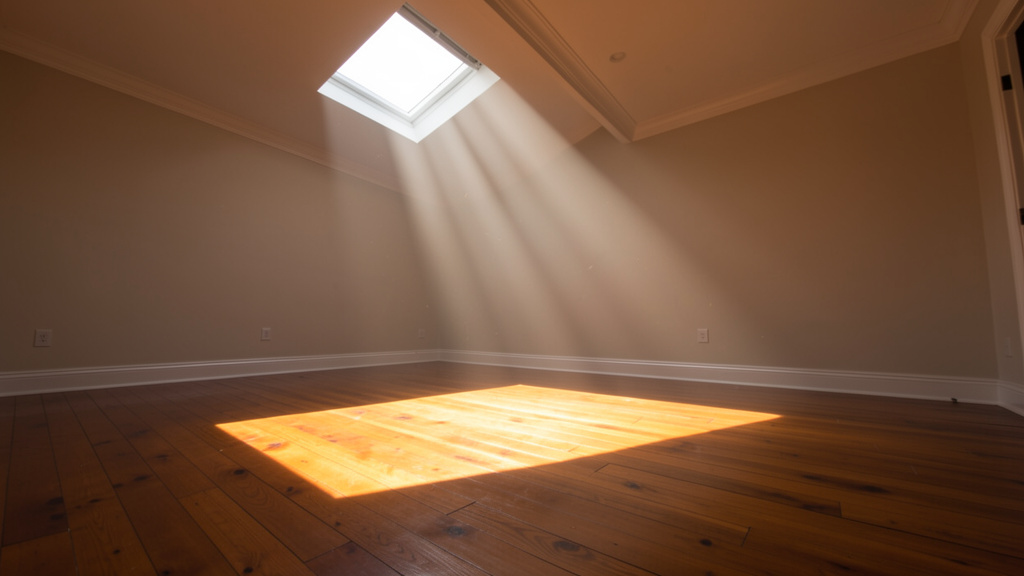
Transform Your Living Space and Well-Being with Science-Backed Strategies to Maximize Daylight—Room by Room, Season by Season
Natural light is far more than mere illumination—it is a biological necessity woven into the very fabric of human physiology. Decades of peer-reviewed research confirm that strategic daylight exposure helps regulate circadian rhythms, supports serotonin production, enhances cognitive function, strengthens immune response, and positively influences emotional resilience. Yet modern lifestyles often keep us indoors beneath static artificial lighting that fails to replicate sunlight’s dynamic spectrum, intensity, and timing. This comprehensive guide synthesizes insights from chronobiology, environmental psychology, architectural science, and wellness research to deliver a deeply practical, room-specific framework for transforming your home into a sanctuary of light-driven vitality. Whether you inhabit a sun-drenched suburban home, a compact urban apartment, or a space challenged by northern latitudes or dense surroundings, you will discover actionable, adaptable techniques to harness daylight’s therapeutic potential—without structural renovations or significant expense. This is not about perfection; it is about intentional, cumulative progress toward sustained well-being.
Introduction: The Biological Imperative of Daylight
For millennia, human biology evolved in synchrony with the sun’s daily and seasonal cycles. Our ancestors rose with dawn, sought shade at midday, and rested as darkness fell. Today, studies estimate people spend over 90% of their time indoors, often under artificial lighting delivering modest illumination levels—dwarfed by the significantly brighter light of even an overcast outdoor sky. This disconnection carries documented consequences. Research correlates chronic low daylight exposure with disrupted sleep patterns, elevated risks of mood disturbances, diminished vitamin D synthesis, and reduced cognitive performance. Conversely, leading health and building standards recognize access to natural light as a critical determinant of occupant well-being, linking daylight quality and duration to measurable improvements in mood, focus, and physiological regulation.
This guide moves beyond superficial advice like “open your curtains.” We explore the nuanced interplay of light intensity (measured in lux), spectral composition (color temperature), timing relative to your personal rhythm, duration of exposure, and directional quality (direct vs. diffuse). You will learn why a brief window-side moment early in the day supports cortisol regulation and melatonin timing in ways afternoon exposure cannot replicate. Why the angle of winter sun through a south-facing window delivers different biological signals than the high-angle summer beam. How reflective surfaces in a north-facing room can transform perceptual brightness and circadian efficacy. Every recommendation is grounded in reproducible science—not anecdote—while remaining accessible to homeowners, renters, and design enthusiasts alike. This is a holistic system where architecture, behavior, and seasonal awareness converge to restore your innate connection to solar rhythm. Your journey toward light-optimized living begins not with a renovation, but with awareness.
The Circadian Harmony Framework: A Three-Layer Strategy for Lifelong Well-Being
At the core of natural light optimization lies a foundational biological truth: light is information. Specialized photoreceptors in your retina—distinct from rods and cones used for vision—detect light intensity and spectral quality, sending signals to your brain’s master clock: the suprachiasmatic nucleus (SCN). This cluster of cells orchestrates physiological processes: timed release of cortisol for morning alertness, melatonin for nighttime restoration, regulation of body temperature, hunger cues, immune activity, and cellular repair processes. When daylight exposure aligns with your internal clock (a state researchers term “circadian alignment”), you may experience sustained energy, emotional stability, deeper sleep, sharper cognition, and enhanced metabolic health. Misalignment—caused by insufficient morning light, excessive evening blue-rich light, irregular exposure patterns, or seasonal deficits—can manifest as fatigue, irritability, brain fog, sleep fragmentation, and long-term vulnerability to chronic conditions.
Developed from principles established by chronobiology researchers and environmental design institutions, the Circadian Harmony Framework provides a systematic, adaptable methodology. It operates across three interdependent layers. Neglecting any single layer diminishes the entire system’s efficacy. Installing expansive windows (Architectural Layer) yields minimal benefit if mornings are spent in a windowless space (Behavioral Layer). Perfect morning routines falter during December without Seasonal Layer adaptations. True optimization requires intentional synergy. Below, we unpack each layer with granular detail, actionable steps, evidence-based rationale, common pitfalls, and adaptable solutions for diverse living situations.
Layer 1: The Architectural Layer—Designing Your Home as a Light Conduit
Your physical environment forms the foundation of light optimization. This layer focuses on passive, non-mechanical strategies to capture, distribute, diffuse, and modulate daylight—maximizing biological benefit while minimizing drawbacks like glare, heat gain, UV exposure, or privacy loss. These techniques require no electricity, generate no waste, and work continuously when implemented thoughtfully.
Step 1: Conduct a 72-Hour Light Audit (Your Personal Blueprint)
Before altering a single curtain or mirror, understand your home’s unique light dynamics. This audit transforms guesswork into precision.
How to execute:
– Tools needed: Compass app on your smartphone, notebook, floor plan sketch (hand-drawn is fine), camera.
– Timing: Choose three consecutive clear-sky days. Observe at three critical solar points: 9:00 a.m. (circadian activation window), 12:30 p.m. (peak intensity/spectrum), and 4:00 p.m. (evening transition).
– Record for each window:
– Orientation: Use compass app. Label windows N, S, E, W. (Critical: In Northern Hemisphere, south-facing receives most consistent annual sun; east = gentle morning light; west = intense afternoon/evening light; north = cool, diffuse, shadow-free light. Reverse applies in Southern Hemisphere.)
– Obstructions: Note shadows cast by trees (deciduous vs. evergreen), neighboring buildings, awnings. Photograph shadow patterns hourly.
– Light quality: Describe—harsh direct beam? Soft diffuse glow? Glare on surfaces?
– Interior impact: Measure how far light penetrates room (e.g., “Sunbeam reaches 8 feet into living room at noon”). Note hotspots or dark zones.
– Seasonal note: If auditing in summer, mentally project winter sun angles (lower in sky, casting longer shadows). Vice versa.
Why this step is essential: A small east-facing kitchen window may deliver more circadian-effective light during breakfast than a large west-facing living room window used only in the evening. Without this audit, efforts may be misdirected. One designer in Chicago discovered her “bright” west-facing home office received zero direct sun before 3 p.m.—explaining persistent morning fatigue. Repositioning her desk to a north-facing window with reflective surfaces resolved her energy slumps.
Common mistake: Assuming window size equals light value. A narrow east-facing window delivering morning light holds greater biological value for circadian entrainment than a vast west-facing window flooding the room with sleep-disrupting evening light.
Pro tip: Sketch light penetration lines on your floor plan. This visual becomes your optimization roadmap—revealing where mirrors, light shelves, or furniture repositioning will yield highest impact.
Step 2: Enhance Light Capture and Distribution (Passive Amplification)
Armed with your audit, implement these evidence-based tactics to multiply available daylight without structural changes.
- Strategic Window Treatments: Prioritize light-filtering over light-blocking. Sheer linen or voile curtains diffuse harsh direct sun into soft, shadow-reducing ambient light while preserving view and spectrum transmission. For precise glare control, install roller shades with “light-filtering” fabric (openness factor 3–10%)—allowing visibility while softening intensity. Avoid heavy blackout curtains in daytime living zones; reserve them for bedrooms used at night. Budget alternative: Repurpose white bedsheets as temporary diffusers on intensely sunny windows.
- Reflective Surface Engineering: Place full-length mirrors opposite primary light sources. A mirror facing an east window in a hallway can extend morning light penetration. Use light-colored, matte-finish furniture: a light oak dining table reflects more usable light than a dark one. Paint walls in high-reflectance whites or warm neutrals (e.g., paints reflecting over 90% of light). Critical nuance: Avoid glossy surfaces on task areas (desks, countertops)—they create disabling glare. Opt for matte or satin finishes.
- Light Shelves (DIY-Friendly): Install a horizontal shelf (12–18 inches deep), painted matte white, mounted just below the top of a south-facing window. In summer, high-angle sun hits the shelf, reflecting light upward onto the ceiling, which then diffuses deeply into the room while shading the lower window from direct glare. In winter, the lower sun angle passes beneath the shelf, delivering direct warmth and light. Renter solution: Use a tension rod with a removable white acrylic shelf.
- Prism Films and Light Tubes: For windowless or light-starved rooms (interior bathrooms, basements), consider tubular daylighting devices (TDDs). These capture roof light via a dome, channel it through highly reflective tubes, and diffuse it through a ceiling fixture—delivering meaningful illumination on sunny days. Prism window films (static-cling, removable) refract incoming light upward toward the ceiling, significantly increasing ambient illumination while reducing direct glare on surfaces below.
Real-world validation: Case studies document notable increases in useful daylight illuminance in north-facing spaces after installing light shelves—without added heat gain or energy use.
Emergency adaptation: On persistently cloudy days or in severely light-limited spaces, supplement with a clinically validated light therapy lamp positioned within your peripheral vision (not staring directly) during morning routines. Place it on a desk while working or a kitchen counter while eating breakfast.
Step 3: Mitigate Light Quality Risks (Safety and Comfort)
Daylight requires intelligent management. Unfiltered UV radiation accelerates material fading and contributes to skin concerns with prolonged exposure. Glare causes digital eye strain (symptoms: headaches, dry eyes, blurred vision). Evening blue-rich light may suppress melatonin. Address these proactively:
- UV Protection: Apply clear window film blocking 99% of UVA/UVB rays (look for films specifying “UV rejection,” not just tint). This preserves visible light transmission while protecting occupants and interiors. Critical note: Standard glass blocks UVB (vitamin D synthesis rays) but transmits a significant portion of skin-damaging UVA. Film is advisable for prolonged exposure zones.
- Glare Elimination Protocol:
- Position computer screens perpendicular to windows (90-degree angle).
- Use matte screen protectors on all devices.
- For reading or detailed tasks, ensure light falls on the page from the side (left for right-handed individuals) to minimize shadows.
- Install adjustable blinds to fine-tune light angles throughout the day.
- Evening Spectrum Management: In west-facing rooms used after sunset, apply warm-tinted window film (amber hue) or use amber-hued bulbs in lamps. This filters out wavelengths that may disrupt sleep preparation while preserving warmth and ambiance. Pair with smart bulbs programmed to shift from cooler to warmer tones as evening progresses.
The Fundamental Principle: Daylight optimization is not about maximizing brightness—it’s about maximizing biological relevance. The right light, at the right time, in the right place, supports physiological harmony; indiscriminate brightness may create strain and circadian confusion.
Layer 2: The Behavioral Layer—Syncing Daily Rhythms with Solar Time
Even a thoughtfully designed home yields minimal benefit without intentional habits. This layer leverages timing, activity sequencing, and micro-routines to strengthen circadian signals. Consistency often matters more than duration—small, daily exposures create cumulative adaptation.
Step 1: Anchor Your Dawn (The Foundational Morning Ritual)
Within 30 minutes of waking, seek 15–30 minutes of daylight exposure. This critical window supports suppression of residual melatonin, triggers a healthy cortisol awakening response, and sets your internal clock’s phase for the day.
- Ideal method: Step outside barefoot on grass or pavement. Have breakfast on a balcony, walk to get mail, or simply stand facing the morning sky (eyes closed initially) for a few minutes. Even on cloudy days, outdoor light delivers significantly more illumination than typical indoor lighting.
- Apartment adaptation: Sit within 3 feet of your brightest window (east-facing preferred). Open all curtains/blinds. Sip coffee while looking toward the light source (not directly at sun). Avoid screens during this window—phone blue light, while weak, may interfere in dark-adapted eyes.
- Severe limitation solution: Use a clinically validated light therapy lamp. Position it at eye level (30–45 degrees off-center), 16–24 inches away, while eating breakfast or working. Session duration: 20–30 minutes. Critical: Begin use within 1 hour of waking; later use may delay sleep onset.
Why timing is everything: Morning light tends to advance your circadian phase—supporting earlier alertness and sleepiness. Evening light may delay it. Research indicates office workers with consistent morning light exposure reported improved sleep quality and afternoon cognitive performance compared to controls.
Common pitfall: Checking email or social media before seeking light. This traps you in artificial glow during your most light-sensitive window. Make daylight exposure your absolute first ritual.
Counter-example: A software engineer worked from a basement office. He’d wake at 7 a.m., check his phone in bed, then descend to his dim workspace. By noon, he felt drained. After shifting his routine—stepping onto his fire escape for 15 minutes with coffee before opening his laptop—his afternoon energy improved within days.
Step 2: Harness Solar Noon (The Focus and Mood Amplifier)
Around solar noon (when the sun reaches its highest point—check via weather app), daylight is richest in wavelengths that stimulate non-visual photoreceptors, supporting alertness, cognitive processing, and mood stability.
- Actionable integration: Schedule demanding cognitive work (writing, coding, strategic planning) for late morning to early afternoon. Position your desk to receive indirect ambient light. Take a 10-minute “light walk” during lunch—no headphones, simply observing surroundings. Hold walking meetings near windows or outdoors.
- Science insight: Research demonstrates that midday daylight exposure supports serotonin regulation—correlating with improved mood stability and reduced irritability in longitudinal studies.
- Indoor adaptation: If outdoor access is limited, perform focused work in your sunniest room. Sit with light falling on your shoulders (not directly in eyes). Open all window coverings.
Critical nuance: This is not about vitamin D synthesis (which requires direct skin exposure to UVB rays). It’s about non-visual photoreception for neurological regulation. You receive circadian benefit while fully clothed, indoors near a window.
Avoid: Working through lunch in a dim room followed by screen time. This misses the peak circadian reinforcement window and may accelerate afternoon fatigue.
Step 3: Engineer Twilight (The Sleep Preparation Sequence)
As sunset approaches, shift intentionally toward warmer, dimmer light to support melatonin production. This transition should mimic natural twilight—gradual, not abrupt.
- Evening protocol:
- 60 minutes before target bedtime: Close curtains on west-facing windows to block residual evening sun.
- Dim overhead lights. Activate warm-white lamps placed behind seating areas (indirect lighting reduces eye strain).
- Engage in calming activities in rooms with north or east-facing windows receiving soft ambient sky light: reading physical books, gentle stretching, conversation.
- Implement a “digital sunset”: Power down screens or enable aggressive blue-light filters 90 minutes before bed.
- Why gradual matters: Abrupt darkness may confuse physiological signals. A slow dimming over 60–90 minutes replicates natural dusk, easing the transition to sleep readiness.
- Exception handling: For social evenings requiring brighter light, use warm-white bulbs and position light sources below eye level (floor lamps vs. ceiling fixtures).
Evidence base: Studies indicate participants using warm, dim lighting in the hours before bed experienced earlier melatonin onset and reported deeper sleep compared to those using standard cool-white overhead lighting.
Layer 3: The Seasonal Layer—Adapting to Earth’s Rhythmic Shifts
Daylight duration, angle, and intensity shift with seasons and latitude. A strategy thriving in June may require adjustment in December. True optimization requires proactive seasonal recalibration.
Winter Optimization (Shorter Days, Lower Sun Angle, Reduced Intensity)
Primary challenges: Limited daylight hours increase risks of low mood, vitamin D considerations, circadian delay (“winter hibernation” feeling), and disrupted sleep-wake cycles. Low sun angle creates long shadows but allows deeper penetration through south-facing windows.
Solutions:
– Maximize every photon: Keep south-facing windows completely unobstructed. Remove seasonal decor blocking light paths. Clean windows inside and out—dirt can reduce transmission noticeably.
– Amplify strategically: Deploy mirrors opposite south windows. Use light-reflective rugs on dark floors. Paint interior walls with high-reflectance paint. Place light therapy lamps strategically in morning routine zones (kitchen counter, bathroom vanity).
– Prioritize midday exposure: Schedule outdoor time between 10 a.m. and 2 p.m.—even brief walks. Snow cover reflects light, effectively increasing exposure intensity.
– Supplement thoughtfully: Use a clinically validated light therapy lamp for 20–30 minutes upon waking. Position correctly (see Layer 2). Critical: Consult a physician before use if you have bipolar disorder, retinal conditions, or are on photosensitizing medications.
– Dawn simulation: For wake times before sunrise, use a dawn simulator alarm clock that gradually brightens over 30 minutes, mimicking sunrise to ease awakening.
Latitude consideration: Above 40° latitude (e.g., Boston, Rome, Beijing), winter daylight duration drops below 9 hours. Below 30° (e.g., Miami, Cairo), seasonal variation is minimal—focus shifts to heat/glare management year-round.
Summer Optimization (Longer Days, Higher Sun Angle, Intense Heat/Glare)
Primary challenges: Excessive heat gain, disabling glare, prolonged evening light potentially delaying sleep onset, UV exposure risks.
Solutions:
– Exterior shading first: Install retractable awnings, bamboo screens, or deciduous vines on south/west windows. Exterior shading blocks heat before it enters glass—significantly more effective than interior solutions.
– Smart window films: Apply films that reject solar heat gain while maintaining visible light transmission.
– Manage extended twilight: In high-latitude summers (e.g., Seattle, Oslo), use blackout curtains in bedrooms to create darkness for children’s bedtimes or early sleepers. Close them by early evening if sunset is late.
– Evening light hygiene: Be mindful of west-facing window exposure after late afternoon. Close light-filtering shades. Shift evening relaxation to north-facing rooms with cooler, diffuse light.
Critical balance: Do not eliminate all summer light. Morning and midday exposure remains vital for circadian health. Focus shading efforts on afternoon/evening sun.
Special Scenarios: Urban Canyons, Tropical Zones, High Altitudes
- Urban canyons (tall buildings blocking low-angle sun): Target midday light capture (11 a.m.–2 p.m.) when sun is highest. Use light-reflecting materials where possible. Prioritize behavioral layer—maximize time near available windows during peak hours. Supplement with full-spectrum lighting in workspaces if needed.
- Tropical regions (consistent day length, intense overhead sun): Prioritize deep roof overhangs, louvered windows, and interior courtyards with reflective surfaces. Use light-filtering films year-round. Embrace open floor plans to allow cross-light penetration. Focus behavioral routines on early morning and late afternoon outdoor time.
- High altitudes (increased UV intensity, clearer air): UV radiation increases with elevation. Prioritize UV-blocking window film indoors. Wear broad-spectrum sunscreen near windows during prolonged exposure. Glare is more intense—use polarized sunglasses outdoors and anti-glare screens indoors.
Room-by-Room Optimization Guide: Precision Strategies for Every Space
Each room serves distinct physiological and psychological functions. Optimization must align light quality, timing, and intensity with these purposes. Below, we detail actionable, layered strategies for eight critical living spaces—integrating Architectural, Behavioral, and Seasonal tactics. Each section includes ideal implementations, budget-conscious alternatives, renter-friendly adaptations, and common pitfalls to avoid.
The Living Room: Cultivating Connection, Calm, and Circadian Cues
As the primary hub for relaxation and socialization, the living room demands adaptable light that supports both daytime vitality and evening restoration. Poor lighting here directly impacts mood, conversation quality, and pre-sleep wind-down.
Architectural Adjustments:
– Seating arrangement: Position primary seating (sofas, armchairs) to face windows, ensuring occupants receive indirect daylight on their faces during daytime hours. This maximizes non-visual photoreceptor stimulation without glare. Avoid placing seating with backs to windows—creates visual discomfort and minimizes biological light exposure.
– Surface strategy: Choose light-colored, matte-finish upholstery. Use area rugs in light neutrals over dark floors. Install wall sconces with warm-white bulbs aimed upward to graze walls—creating ambient “wall wash” that feels expansive and reduces eye strain versus harsh downlights.
– Window treatment: Install dual-layer coverings: light-filtering roller shades for daytime glare control + blackout curtains on a separate rod for evening movie nights or shift workers sleeping during day. Use motorized shades programmed to open fully at sunrise and close gradually after late afternoon on west-facing windows.
Behavioral Integration:
– Schedule family connection time (board games, conversation) during daylight hours when ambient light is abundant and mood-elevating.
– Implement a “light transition ritual” at dusk: As natural light fades, sequentially turn on warm lamps (starting with floor lamps behind seating), then dim overheads. This signals the nervous system to shift toward rest.
– Avoid screen-based activities in near-darkness. If watching TV, keep a low-level warm lamp illuminated to reduce contrast strain.
Seasonal Tweaks:
– Winter: Place a full-length mirror opposite the largest south-facing window. Add a light therapy lamp discreetly on a side table for morning use. Maximize time in this room during daylight hours.
– Summer: Deploy sheer curtains to diffuse harsh midday sun while maintaining view and airflow. Close light-filtering shades on west windows after mid-afternoon to prevent heat buildup. Use ceiling fans to enhance perceived comfort.
Common Pitfall Alert: Over-reliance on recessed “can” lights. These create “cave lighting”—bright ceiling, dark periphery—which feels unnatural and fails to stimulate circadian photoreceptors effectively. Layer ambient (windows, wall sconces), task (floor lamps), and accent (art lighting) sources instead.
Real Impact: Studies associate living rooms with layered, warm ambient lighting during evening hours with higher self-reported family cohesion scores and reduced pre-sleep anxiety compared to rooms dominated by cool overhead lighting.
The Kitchen: Fueling Morning Rituals and Midday Vitality
Kitchens are command centers for circadian anchoring. Morning light exposure here sets the day’s hormonal tone. Task lighting must support safety during food preparation while avoiding shadow-induced errors.
Architectural Adjustments:
– Window priority: Maximize east or south-facing windows above the sink or breakfast nook. This delivers critical morning light during coffee brewing, breakfast prep, or cleanup.
– Reflective surfaces: Install light-colored backsplashes, countertops, and cabinets. These reflect light onto task areas, reducing reliance on harsh under-cabinet lighting during daytime.
– Task lighting upgrade: Replace standard under-cabinet lights with LED strips featuring adjustable color temperature. Program to emit cooler light during morning prep hours for alertness; shift to warm-white for evening cleanup to support wind-down. Ensure even coverage—no dark spots over cutting boards.
Behavioral Integration:
– Eat breakfast within 3 feet of a window. Even brief morning light while eating significantly strengthens circadian entrainment.
– Position the kitchen table perpendicular to windows to avoid glare on plates or devices. Use this space for morning planning or journaling.
– During evening cooking, rely primarily on under-cabinet and pendant lighting—avoid bright overheads that may disrupt evening wind-down.
Seasonal Tweaks:
– Winter: Keep window sills completely clear of clutter to maximize low-angle sun penetration. Place a small light therapy lamp on the counter for use during morning routines if windows face north.
– Summer: Apply temporary static-cling UV-protection film to south-facing windows above the sink to reduce heat on countertops. Use sheer curtains to soften intense morning sun while preserving view.
Safety Imperative: Test task lighting by holding your hand over the cutting board. If a sharp, defined shadow appears, add supplementary lighting from another angle. Reputable lighting standards recommend adequate illuminance on kitchen work surfaces. Use a light meter app to verify if concerned.
Nutritional Synergy: Morning light exposure may support metabolic regulation. Pair your window-side breakfast with balanced nutrition for stabilized energy—light and nutrition working in concert.
The Bedroom: Engineering Deep, Restorative Sleep
The bedroom’s singular purpose is sleep initiation and maintenance. Light strategy here is paradoxical: maximize morning light exposure for circadian entrainment while ensuring darkness at night for unbroken melatonin production. Compromising either element may undermine sleep quality.
Architectural Adjustments:
– Dual-layer window system: Install blackout curtains (light-blocking) on an inner rod, with light-filtering sheer curtains on an outer rod. Upon waking, open sheers immediately to flood room with light; at dusk, close blackouts to ensure darkness. Critical: Blackout curtains should extend beyond window frame on all sides to prevent light leakage.
– Wall and surface choices: Paint walls in soft, warm neutrals. Avoid cool grays or stark whites—they may amplify the perception of darkness and feel sterile. Use matte finishes to eliminate glare from residual light sources.
– Bed positioning: Orient bed so feet face the window (if layout allows). This enables gentle morning light to reach your face upon waking without direct glare. Avoid placing bed directly under a window where drafts or light leakage may occur.
Behavioral Integration:
– Morning protocol: Open all window coverings before getting out of bed. Allow light to flood the room while stretching or practicing deep breathing. This supports healthy cortisol rhythm.
– Evening protocol: Begin dimming lights 90 minutes before target bedtime. Use smart bulbs programmed to shift from neutral to warm tones as evening progresses. Eliminate all light pollution: cover LED indicators on electronics with opaque tape, use battery-powered alarm clocks (not phones), place chargers in closets.
– Wind-down ritual: Read physical books under a warm, dimmable bedside lamp positioned to illuminate the page without shining into eyes. Avoid screens entirely.
Seasonal Tweaks:
– Winter: If sunrise occurs after your wake time, use a dawn simulator alarm clock. It gradually brightens over time, mimicking sunrise to ease awakening. Place it across the room to encourage getting out of bed.
– Summer: In regions with late sunsets, close blackout curtains by early evening to maintain consistent bedtime darkness for children or early sleepers. Use white noise machines to mask evening activity sounds.
Evidence-Based Insight: Research demonstrates that even minor light exposure during sleep (from streetlights, electronics) correlates with reduced deep sleep, altered glucose metabolism, and diminished melatonin production. Total darkness supports optimal physiological restoration.
Common Mistake: Using “blackout” roller shades that leak light around edges. True blackout requires fabric-backed curtains with overlapping side channels or magnetic seals. Test by closing curtains at noon—room should feel significantly darkened.
The Home Office: Sustaining Focus, Preventing Digital Eye Strain, and Avoiding Burnout
With remote work permanence, home office lighting directly impacts productivity, cognitive endurance, and long-term visual health. Poor lighting contributes significantly to visual discomfort—symptoms include dry eyes, headaches, neck strain—while misaligned light timing may disrupt circadian rhythm.
Architectural Adjustments:
– Desk positioning: Place desk perpendicular to windows (90-degree angle). This provides even ambient light across your workspace without screen glare or harsh shadows on documents. Avoid positioning with your back to a window (causes screen reflections) or facing directly into it (causes squinting).
– Glare defense: Install an anti-glare screen protector on all monitors. Use matte-finish desk surfaces. Position task lighting to illuminate paperwork without casting shadows—ideally from the side opposite your writing hand.
– Bias lighting: Mount a soft LED strip (warm-white) behind your monitor, emitting light onto the wall. This reduces contrast between bright screen and dark room—a primary cause of eye strain. Studies suggest bias lighting may reduce visual discomfort symptoms.
– Supplemental lighting: Use an adjustable-arm desk lamp with high-color-rendering LED bulb. Position to light documents without shining into eyes or reflecting on screen.
Behavioral Integration:
– Schedule deep-focus work for morning hours when natural light is abundant and circadian alertness peaks. Reserve administrative tasks for lower-energy afternoon periods.
– Implement the 20-20-20 rule plus light: Every 20 minutes, look at something 20 feet away for 20 seconds while also glancing toward a window. This relaxes eye muscles and provides critical circadian reinforcement.
– Take a “light break” at solar noon: Step outside or sit by a window for 10 minutes without screens. This resets visual fatigue and boosts afternoon cognitive performance.
– Power down work screens by early evening. Use blue-light filtering software aggressively after sunset if essential work continues.
Seasonal Tweaks:
– Winter: Supplement with a daylight-spectrum desk lamp positioned to illuminate your workspace without casting shadows. Use light therapy lamp on desk during first hour of work if morning light access is limited.
– Summer: Use adjustable blinds to block direct sun on screens during peak hours. Close blinds on west-facing windows after mid-afternoon to prevent heat buildup and glare.
Ergonomic Precision: Ideal desk illuminance falls within a standard range. Use a light meter app to measure at desk surface level. If below recommended levels during daytime, add supplemental lighting. If above, reduce intensity to avoid glare.
Long-Term Health Note: Chronic exposure to cool-white overhead lighting in home offices correlates with increased reports of headaches and afternoon fatigue in occupational health studies. Prioritize warm, layered ambient light with task-specific supplementation.
The Bathroom: Setting the Tone for Morning Activation and Evening Unwinding
Bathrooms are critical transition zones where light directly influences the quality of morning awakening and evening relaxation. Poor lighting here may undermine circadian anchoring and create safety hazards.
Architectural Adjustments:
– Window strategy: Install vertical (clerestory) windows high on walls for privacy while admitting sky light. Use frosted or textured glass for diffusion.
– Mirror lighting: Replace overhead vanity lights with vertical LED strips mounted alongside the mirror (left and right edges). Choose bulbs with high color rendering index and warm-white color temperature. This eliminates shadows under eyes and chin—critical for accurate grooming and reducing visual stress. Avoid single overhead lights casting shadows downward.
– Surface choices: Use large-format light tiles on walls and floors. Install a light-colored vanity with matte finish to reflect ambient light. Paint walls in warm whites to enhance perceived brightness without glare.
Behavioral Integration:
– Morning: Open curtains while showering or brushing teeth. Allow indirect light to reach your face. Perform skincare routine facing the window. This provides crucial early circadian signaling.
– Evening: Switch exclusively to warm, dim lighting. Avoid bright overheads before bed—they may suppress melatonin. Use a small warm nightlight (very low output) if needed for safety, positioned low to avoid direct line of sight.
Seasonal Tweaks:
– Winter: Place a compact light therapy lamp on the counter for use during morning grooming if the bathroom lacks windows. Keep window sills clear to maximize low-angle sun.
– Summer: Use sheer curtains to diffuse harsh morning sun while maintaining privacy. Keep exhaust fan running briefly after showers to prevent moisture buildup on windows that blocks light.
Safety & Well-Being Link: Proper bathroom lighting reduces fall risk by improving depth perception. Warm, shadow-free lighting also reduces anxiety during nighttime visits—critical for maintaining sleep continuity.
Design Insight: The human face appears most natural under light sources with high color rendering. Low-quality bulbs distort skin tones, potentially increasing subconscious stress during grooming. Invest in quality vanity lighting.
The Entryway: Creating a Psychologically Supportive Threshold
Often neglected, the entryway sets the emotional and physiological tone upon arriving home. Light quality here signals safety, transition, and welcome—or stress and disorientation.
Architectural Adjustments:
– Light capture: Install a transom window above the front door to channel light deep into the space. Use a light-colored console table and large mirror to reflect available light.
– Ambient lighting: Install wall sconces with warm-white bulbs on dimmers. Position to graze walls softly—avoid harsh downlights that create intimidating shadows.
– Surface strategy: Paint walls in light, warm neutrals. Use a light runner rug to reflect light from adjacent rooms.
Behavioral Integration:
– Upon returning home at dusk, turn on entryway lights immediately. This signals safety to the nervous system and creates a welcoming transition.
– Keep the area clutter-free. Shadows cast by coats, shoes, or bags create visual chaos and subconscious stress. Implement a “drop zone” system with baskets to maintain order.
– In the morning, open the front door briefly while leaving to allow a burst of daylight into the space—reinforcing circadian cues during departure.
Psychological Impact: Environmental psychology research indicates that well-lit, uncluttered entryways may reduce stress levels upon home arrival by creating a sense of order and sanctuary. Conversely, dark, cluttered entries correlate with heightened stress and difficulty transitioning from work mode.
Renter-Friendly Tip: Use removable adhesive hooks to hang a small mirror opposite the door. Place a warm LED puck light inside a decorative bowl on the console table for soft ambient glow.
Children’s Rooms: Supporting Development, Learning, and Healthy Sleep Patterns
Children’s circadian systems are significantly more sensitive to light cues than adults. Optimization directly impacts sleep duration, mood regulation, learning capacity, and long-term sleep habit formation. Safety and adaptability are paramount.
Architectural Adjustments:
– Blackout solution: Install true blackout curtains (with side channels) for naps and early bedtimes, especially critical during summer months with late sunsets. Test for light leaks at noon.
– Reflective surfaces: Choose light-reflective colors for walls and furniture. Avoid dark accent walls that absorb light.
– Nightlight strategy: Use dimmable, warm-white nightlights with motion sensors or timers. Place low to the ground, out of direct line of sight while sleeping. Ideal output: very low lux. Avoid blue or white nightlights—they may suppress melatonin.
– Window safety: Ensure all window treatments use cordless mechanisms or inaccessible cord cleats to prevent hazards.
Behavioral Integration:
– Encourage morning play near windows. Position play mats or reading nooks in sunlit areas during daytime hours.
– Establish a consistent “digital sunset” 60 minutes before bedtime: no screens, dim lights gradually, read physical books under warm lamp.
– Use light as a sleep trainer: “When the sun is up, we play. When the room is dark, our bodies rest.” For toddlers, use an “OK-to-Wake” clock that shifts from red (sleep) to green (wake) using light cues.
Seasonal Tweaks:
– Winter: Use a dawn simulator clock to ease morning wake-ups during dark months. Position it across the room to encourage getting out of bed.
– Summer: Close blackout curtains by early evening to maintain consistent bedtime darkness despite daylight. Use white noise machines to mask evening outdoor activity sounds.
Developmental Evidence: Longitudinal research associates children in homes with consistent light/dark cycles (bright days, dark nights) with longer average nightly sleep, fewer reported behavioral issues, and improved performance on cognitive readiness assessments.
Critical Note: Children’s lenses transmit more blue light to the retina than adults’, making them more vulnerable to circadian disruption from evening screen use. Consistent digital sunset protocols are essential.
Parent Tip: Involve children in “light audits”—using a flashlight to find “light leaks” around curtains makes sleep hygiene a game, not a battle.
The Basement or Windowless Room: Bringing Daylight to Challenging Spaces
Basements, interior rooms, and ground-floor apartments with obstructed views present significant challenges—but are not hopeless. Strategic layering of architectural hacks, behavioral adaptations, and targeted supplementation can create biologically supportive environments.
Architectural Adjustments:
– Tubular Daylighting Devices (TDDs): Install systems that capture roof light via a dome, channel it through reflective tubes, and diffuse it through a ceiling fixture—delivering meaningful illumination to interior spaces on sunny days. Ideal for hallways, bathrooms, or home offices.
– Full-spectrum lighting: Install LED panels with daylight color temperature and high color rendering index in ceiling fixtures. Position to illuminate peripheral vision. Use timers to simulate natural daylight patterns: brightest at “noon,” dimming toward “evening.”
– Reflective amplification: Paint all walls and ceilings in high-reflectance white. Use light-colored flooring. Place large mirrors strategically to bounce artificial light deeper into the space. Install under-cabinet lighting in work zones with warm-white bulbs for evening use.
Behavioral Integration:
– Limit continuous occupancy during daytime hours. Take a 10-minute break every 60 minutes in a sunlit area of your home (or step outside).
– Use a clinically validated light therapy lamp positioned within peripheral vision during morning work sessions. Session duration: 20–30 minutes.
– Schedule high-focus tasks for times when you can access daylight elsewhere in the home. Reserve windowless rooms for storage, laundry, or low-cognitive activities during peak daylight hours.
Seasonal Tweaks:
– Winter: Increase reliance on full-spectrum lighting. Set smart bulbs to maximum brightness during daytime hours. Use light therapy lamp consistently upon entering the space.
– Summer: If high windows exist, keep them completely unobstructed. Install light shelves outside (if accessible) to bounce light deeper. Use exterior shading to prevent heat buildup without blocking all light.
Psychological Strategy: Combat “cave effect” by incorporating biophilic elements: large nature photographs with daylight scenes, indoor plants under grow lights, water features with soft lighting. These provide psychological cues of openness and connection to nature.
Evidence Note: While artificial full-spectrum light cannot replicate all benefits of true sunlight, studies show properly implemented systems significantly reduce reports of fatigue, low mood, and eye strain in windowless environments compared to standard lighting.
Overcoming Common Challenges: Practical Solutions for Real-World Constraints
Real homes present real limitations. Below are evidence-based solutions for frequent obstacles—prioritizing effectiveness, accessibility, and adaptability.
Challenge 1: Apartment Living with Limited Modification Rights
Problem: Renters cannot install permanent fixtures, face restrictions on window treatments, or deal with suboptimal building orientation.
Solutions:
– Removable window films: Use static-cling UV-protection film or prism light-diffusing film. Easily applied and removed without residue. Many brands offer renter-friendly options.
– Freestanding light redirectors: Place adjustable tripod-mounted mirrors to bounce light from windows into darker room zones. Position opposite east windows in morning, west in afternoon.
– Negotiate strategically: Propose light-filtering roller shades as a “building improvement” that may reduce cooling load in summer. Many landlords approve upgrades that lower utility costs.
– Behavioral focus: Maximize time near available windows during critical circadian windows (morning, noon). Use portable light therapy lamps consistently. Rearrange furniture to optimize light exposure within constraints.
– Community advocacy: Suggest building-wide initiatives: cleaning shared windows, adding reflective surfaces in hallways. Collective action yields greater impact.
Success Story: A renter in a north-facing studio used an adjustable mirror on a tripod to redirect hallway light into her sleeping nook. Combined with a dawn simulator alarm and consistent morning light breaks on her fire escape, she eliminated winter fatigue without landlord permission.
Challenge 2: Northern Climates with Short Winter Days and Low Light Intensity
Problem: Locations above 40° latitude experience daylight durations under 8 hours in deep winter, with low sun angles and frequent overcast skies—elevating seasonal mood challenges and circadian disruption.
Solutions:
– Aggressive midday exposure: Prioritize outdoor time between 10 a.m. and 2 p.m., even for brief walks. Cloudy daylight delivers significantly more illumination than indoor lighting. Snow cover reflects light, effectively increasing exposure.
– Light therapy protocol: Use a clinically validated light therapy lamp daily upon waking. Position correctly (30–45 degrees off-center, 16–24 inches away). Session duration: 20–30 minutes. Critical: Begin use consistently at same time daily; inconsistency reduces efficacy. Consult physician if history of bipolar disorder.
– Interior reflectance maximization: Paint all walls with highest-reflectance white paint available. Use light rugs over dark floors. Install mirrors opposite any south-facing windows.
– Smart lighting integration: Install smart bulbs programmed with circadian routines: brighter cooler tones at wake time, shifting gradually to warm tones by evening. Sync with local sunrise/sunset times.
– Vitamin D strategy: While light therapy addresses circadian needs, discuss vitamin D supplementation with your healthcare provider during low-sun months—light through windows does not trigger vitamin D synthesis.
Clinical Insight: Light therapy is a recognized approach for seasonal mood challenges per clinical guidelines. Consistent use correlates with symptom reduction in many cases. Effectiveness relates to timing (morning use) and consistency (daily use).
Community Resource: Seek public spaces with high daylight exposure (libraries with large windows, conservatories). Schedule regular visits during winter months.
Challenge 3: Privacy Concerns in Dense Urban or Suburban Settings
Problem: Opening curtains invites visibility from neighbors, streets, or adjacent buildings—creating discomfort that leads to perpetually closed window coverings and light deprivation.
Solutions:
– Frosted or patterned window film: Apply static-cling films that diffuse light while obscuring clear views. Options range from subtle etched patterns to nature-inspired designs. Preserves light transmission while ensuring privacy.
– Top-down/bottom-up shades: Install cellular or roller shades allowing you to lower the top portion to admit sky light while keeping the bottom closed for street-level privacy. Ideal for street-facing windows.
– Exterior screening: Use removable bamboo screens, lattice panels with climbing plants (in containers), or exterior roller shades. These block direct lines of sight while allowing light diffusion. Many cities allow temporary exterior modifications.
– Strategic landscaping: Place tall potted plants (bamboo, ornamental grasses) on balconies or window boxes to create living privacy screens that filter light beautifully.
– Interior layering: Use sheer curtains closest to glass for light diffusion, with blackout or room-darkening curtains on a separate rod behind for nighttime privacy. Open sheers during day; close blackouts only when needed.
Design Principle: Privacy and light are not mutually exclusive. Diffused light (through films, sheers, screens) often creates softer, more flattering illumination than direct unfiltered sun—reducing glare while maintaining biological benefit.
Psychological Note: Feeling observed triggers low-grade stress responses. Solving privacy concerns removes a significant barrier to consistent daylight exposure, yielding compounding well-being benefits.
Challenge 4: Glare, Heat Gain, and UV Damage in Sunny Climates
Problem: Intense direct sun causes visual discomfort, increases cooling costs, fades furnishings, and poses skin health risks—leading many to keep windows covered year-round.
Solutions:
– Exterior shading priority: Install retractable awnings, pergolas with deciduous vines, or solar screens. Exterior solutions block heat before it hits glass—significantly more effective than interior treatments. Deciduous vines provide summer shade while allowing winter sun penetration.
– Spectrally selective window film: Apply professional-grade film that rejects solar heat gain and UV rays while maintaining visible light transmission. Look for films with high “Visible Light Transmittance” and low “Solar Heat Gain Coefficient.”
– Adjustable interior solutions: Use light-filtering roller shades with specific “openness factors.” Install plantation shutters with adjustable louvers for precise light angle control.
– Reflective surface management: Replace glossy tabletops or countertops in direct sun paths with matte finishes. Use anti-glare screen protectors on all devices. Position seating to avoid direct sun on faces during peak hours.
– Landscaping strategy: Plant deciduous trees on south/west sides of home. They provide summer shade while allowing winter sun penetration after leaf drop.
Energy Synergy: Energy departments confirm that effective daylighting strategies (exterior shading + light-colored interiors) can reduce cooling energy use in sunny climates—turning light optimization into an economic benefit.
Safety Reminder: UV radiation through standard glass contributes to photoaging with prolonged exposure. UV-blocking film supports skin health during extended time near windows.
Measuring and Monitoring Your Light Environment: From Guesswork to Precision
You cannot optimize what you do not measure. These accessible tools transform subjective impressions (“Is this room bright enough?”) into objective data for targeted improvements.
Light Meters and Smartphone Applications
- Professional-grade: Dedicated illuminance meters measure lux accurately. Ideal for verifying workspace lighting meets standards. Investment: moderate.
- Smartphone apps: Reputable light meter apps provide reliable relative comparisons: “Is my desk brighter than my sofa?” “How does light change when I open the curtain?”
- How to measure effectively:
- Hold sensor/app at eye level or task surface height.
- Measure at consistent times (e.g., 9 a.m., 12 p.m., 4 p.m.).
- Record values in a simple log: Room, Time, Lux Reading, Notes.
- Target thresholds (general guidance):
- Morning circadian stimulus: >1,000 lux at eye level
- Office/workspace: 300–500 lux on desk
- Evening wind-down: <50 lux in bedroom pre-sleep
- Darkness for sleep: minimal light (use red-light mode on meter)
Circadian Light Assessment Tools
- Online resources: Lighting research institutions offer circadian stimulus calculators estimating biological impact based on location, time, window orientation, and room reflectance. Input your coordinates and audit data for personalized insights.
- Wearable sensors: Some devices track personal light exposure patterns. While not essential, they reveal habits: “I get most daylight before 10 a.m.” or “Evening screen time exceeds comfortable thresholds.”
- Journaling protocol: For one week, log:
- Time spent within 6 feet of a window each hour
- Energy level (1–10 scale) at mid-afternoon daily
- Sleep quality rating (1–10) upon waking
Correlate energy dips with low-light periods. Adjust routines accordingly.
Interpreting Your Data: Actionable Insights
- Readings consistently below 300 lux during daytime: Prioritize reflective surface upgrades, mirror placement, or light-filtering window treatments to amplify available light.
- Evening readings above 100 lux in bedroom: Identify light leaks (electronics, streetlights), implement blackout solutions, transition to warmer bulbs.
- High midday lux but low morning exposure: Shift critical routines (breakfast, planning) to sunlit rooms earlier in the day.
- Seasonal comparison: Audit in summer and winter. Note differences—plan seasonal adjustments proactively.
Empowerment Note: Measurement removes anxiety. Instead of wondering “Am I getting enough light?”, you gain clarity: “My home office averages 250 lux at 10 a.m.—adding a light shelf will boost it.” Data drives confident, targeted action.
Your Questions, Answered
Q: How much natural light do I actually need each day for measurable health benefits?
A: Research suggests 20–30 minutes of morning light exposure (ideally between sunrise and 10 a.m.) at sufficient intensity supports robust circadian regulation. For mood support and vitamin D synthesis (requiring direct skin exposure to UVB rays), brief midday sun exposure on arms/face a few times weekly may be beneficial—but always balance with skin health considerations. Consult a dermatologist for personalized guidance based on skin type, location, and health history. Consistency matters more than duration; daily moderate exposures yield greater benefit than sporadic long sessions.
Q: Can I get meaningful circadian benefit from sitting near a window on a heavily overcast or rainy day?
A: Yes. Even under thick cloud cover, outdoor light intensity typically ranges from 1,000 to 2,000 lux—significantly exceeding standard indoor lighting. Position yourself within 3 feet of the window with curtains fully open. The diffuse, shadow-free quality of cloudy-day light is often gentler on the eyes while still providing potent circadian signaling. This is why light therapy lamps remain effective regardless of weather—they deliver consistent intensity.
Q: Do skylights provide effective natural light for circadian health, or are they just for ambiance?
A: Skylights can be highly effective light sources but require thoughtful implementation. They deliver excellent overhead illumination, particularly valuable in windowless rooms or deep floor plans. However, unshielded skylights may cause glare, heat gain, and UV exposure. Opt for models with diffusing glazing (frosted or prismatic) to scatter light evenly. Install light-filtering shades or blinds for adjustable control. Position skylights over areas where people spend daytime hours. Avoid placing directly over beds or primary seating where glare could occur. When properly managed, skylights significantly boost circadian-effective light exposure.
Q: I work permanent night shifts. How can I strategically use light to stay alert during work and sleep deeply during the day?
A: Light management is critical for shift workers. During your shift: Use bright, blue-enriched light sources in your workspace to support alertness. Wear blue-light blocking glasses only during your commute home at dawn to prevent morning light from resetting your clock prematurely. Upon returning home: Sleep in a pitch-black environment—install blackout curtains with side seals, use a comfortable sleep mask, cover all electronic LEDs. Upon waking for your “evening”: Use bright light exposure to signal wakefulness. Consult a sleep specialist experienced with shift work; they may recommend timed protocols alongside light strategies. Consistency in your light/dark schedule—even on days off—is paramount for adaptation.
Q: Are there documented health risks to excessive natural light exposure indoors?
A: Yes, requiring balanced management. Unfiltered UV radiation through windows contributes to skin photoaging with prolonged, repeated exposure (e.g., desk positioned in direct sunbeam for hours daily). Always apply UV-blocking window film in high-exposure zones. Glare causes digital eye strain, headaches, and reduced visual performance—mitigate with adjustable shades, anti-glare screens, and proper task lighting. For individuals with certain medical conditions (e.g., lupus, migraines, specific eye conditions), bright light may require medical guidance. The goal is optimal exposure—not maximal brightness. Quality, timing, and spectral composition matter more than sheer intensity.
Q: How does natural light exposure affect children and adolescents differently than adults?
A: Children’s eyes transmit more blue light to the retina than adults’, making their circadian systems more sensitive to light cues. Consistent bright-day/dark-night cycles support healthy sleep development, learning capacity, and emotional regulation. However, their skin is also more vulnerable to UV damage. Prioritize UV-protected play areas and window films in children’s rooms. Crucially, enforce consistent “digital sunsets” 60+ minutes before bedtime—screen use in dark rooms disproportionately disrupts pediatric sleep architecture. Research links consistent light hygiene in childhood to reduced adolescent sleep issues and better academic performance.
Q: Can optimizing natural light in my home genuinely reduce electricity consumption and utility bills?
A: Indirectly, yes—through “daylight harvesting.” By maximizing usable daylight during waking hours, you reduce reliance on electric lighting. Energy departments estimate effective daylighting strategies can cut lighting energy use significantly in commercial buildings; homes see proportional savings, especially in frequently used daytime spaces. Pair daylight optimization with LED bulbs, motion sensors in closets/hallways, and strategic use of task lighting. While savings vary by climate, home layout, and habits, the environmental benefit of reduced energy demand is clear. The primary benefit, however, remains enhanced human well-being.
Q: What is the meaningful difference between “daylight” LED bulbs and actual sunlight?
A: Daylight-spectrum bulbs mimic the color temperature of noon sun but lack its dynamic qualities. Real sunlight continuously shifts in intensity, spectral composition, directionality, and diffusion. Bulbs provide static, directional light without the full spectral range or intensity variations critical for robust circadian signaling. They are valuable supplements—especially in windowless spaces or during winter—but cannot replicate the biological impact of genuine daylight. Prioritize windows and behavioral light exposure first; use bulbs strategically to support, not replace, natural light.
Q: I’ve been diagnosed with seasonal mood challenges. Beyond using a light therapy lamp, what environmental modifications provide the greatest relief?
A: Combine lamp therapy with multi-layered environmental strategies: Paint interior walls in high-reflectance whites to amplify every available photon. Install mirrors opposite south-facing windows. Schedule all daytime activities (meals, work, relaxation) in your sunniest room. Take mandatory brief outdoor breaks during peak daylight (10 a.m.–2 p.m.), even on cloudy days. Use dawn simulator alarms to ease morning awakening. Critically, pair environmental changes with evidence-based therapies: Cognitive Behavioral Therapy for seasonal patterns has shown strong efficacy in clinical trials. Work with a mental health professional to develop a comprehensive plan.
Q: How do I balance maximizing winter solar heat gain (to reduce heating costs) with preventing summer overheating?
A: This is the essence of passive solar design. During winter daytime: Open curtains/blinds on south-facing windows to capture solar heat; close them at night for insulation. Use thermal curtains with reflective backing. During summer daytime: Close light-colored shades or blinds on south/west windows before the sun hits them. Install exterior shading (awnings, deciduous vines) which blocks heat before it enters glass. Apply window film that allows visible light transmission while reflecting infrared heat. Small behavioral adjustments (opening/closing coverings at optimal times) yield significant energy and comfort benefits.
Q: Does the direction I face while receiving morning light matter for circadian effectiveness?
A: Yes. Research indicates that light entering the eyes from above the horizon line is more effective for circadian entrainment than light arriving from below. Upon waking, face toward the light source (window, outdoors) with eyes open—do not stare directly at the sun, but allow ambient light to reach your retina. Sitting upright rather than lying down enhances exposure. This positional awareness amplifies the biological signal of morning light, strengthening circadian alignment more effectively than passive exposure while looking downward.
Q: Are there specific times of day when natural light exposure is actually counterproductive for sleep or mood?
A: Timing is critical. Bright light exposure (especially blue-rich light) within 2–3 hours of your target bedtime may suppress melatonin production, delay sleep onset, and fragment sleep. This includes:
– Evening screen use without aggressive blue-light filtering
– Bright overhead lighting in bedrooms after dusk
– West-facing window exposure after sunset without shading
Conversely, insufficient bright light exposure during the first half of your day (particularly morning) may weaken circadian amplitude, leading to afternoon fatigue and mood dips. The solution is not avoiding light, but strategically timing it: abundant bright light early in your day, progressively warmer and dimmer light as evening approaches. This rhythm aligns with human biological patterns.
Conclusion and Next Step
Recap: The Three Pillars of Light Harmony
True natural light optimization rests on three interdependent pillars, each essential for holistic well-being:
1. Architectural Intelligence: Transform your home into an active participant in your health. Through strategic window treatments, reflective surfaces, light shelves, and thoughtful spatial arrangements, you harness passive daylight to nourish your biology without energy expenditure.
2. Behavioral Rhythm: Align daily micro-routines with solar time. Anchor your dawn with intentional light exposure. Harness solar noon for focus and mood. Engineer twilight for restorative wind-down. Consistency in these small acts creates profound circadian resilience.
3. Seasonal Adaptability: Honor Earth’s rhythms with proactive adjustments. Aggressively harvest scarce winter light. Thoughtfully manage abundant summer light. Adapt to your latitude, climate, and living constraints with flexible, evidence-based solutions.
These pillars do not operate in isolation. A light shelf (Architectural) is most effective when paired with sitting near the window during morning coffee (Behavioral). A dawn simulator (Seasonal) loses impact if bedroom curtains leak streetlight at night. Synergy is everything.
The 24-Hour Rule: Your First Step Starts Now
Knowledge without action remains inert. Within the next 24 hours, complete this single, transformative action:
Tomorrow morning, immediately upon waking, open every curtain and blind in your home. Sit within three feet of your brightest window for 15 minutes while drinking your first beverage of the day. No screens. No distractions. Simply observe the light—its warmth on your skin, the way it illuminates dust motes in the air, the subtle shift in your mental clarity.
This micro-habit accomplishes three critical things:
– It delivers a potent circadian signal to support your master clock
– It builds awareness of your home’s unique light patterns
– It proves that profound change begins with simplicity, not complexity
Do not wait for “perfect” conditions. Do it on a cloudy day. Do it in your apartment. Do it before the kids wake up. This single act initiates momentum. Tomorrow, you might add a mirror opposite the window. Next week, you might shift your breakfast spot. Progress compounds.
The Big Picture: Light as a Lifelong Ally
Natural light optimization is not a weekend project or a design trend. It is a mindful, evolving practice—a conscious dialogue between your biology and your environment. It requires no expensive gadgets, no structural overhauls, no perfectionism. It asks only for awareness and small, consistent choices.
As seasons turn and life evolves, revisit your light audit. Notice how the winter sunbeam now reaches the center of your living room rug. Celebrate the ease of waking after two weeks of consistent morning exposure. Find calm in the warm, shadow-softened light of your evening ritual. You are not merely adjusting curtains or rearranging furniture. You are cultivating a sanctuary that actively nurtures your nervous system, sharpens your mind, uplifts your spirit, and honors your deepest biological rhythms.
In a world saturated with artificial glow, choosing daylight is a meaningful act of self-care. It is a return to an ancient wisdom written in our biology: we thrive when we live in rhythm with the sun. Begin today. Your body, mind, and spirit are waiting for the light.
Explore Our Complete System:
[Designing a Circadian-Friendly Bedroom: From Blackout Curtains to Dawn Simulators] | [The Science-Backed Guide to Light Therapy Lamps: Selection, Timing, and Safety] | [Biophilic Home Design: Integrating Nature for Stress Reduction and Joy] | [Seasonal Wellness Rituals: Aligning Home and Habits with Nature’s Rhythms] | [Home Office Ergonomics: Lighting, Posture, and Productivity for Remote Workers] | [The Complete Guide to Window Treatments: Balancing Light, Privacy, and Energy Efficiency] | [Creating Calm: Sensory Design Strategies for Anxiety Reduction at Home]