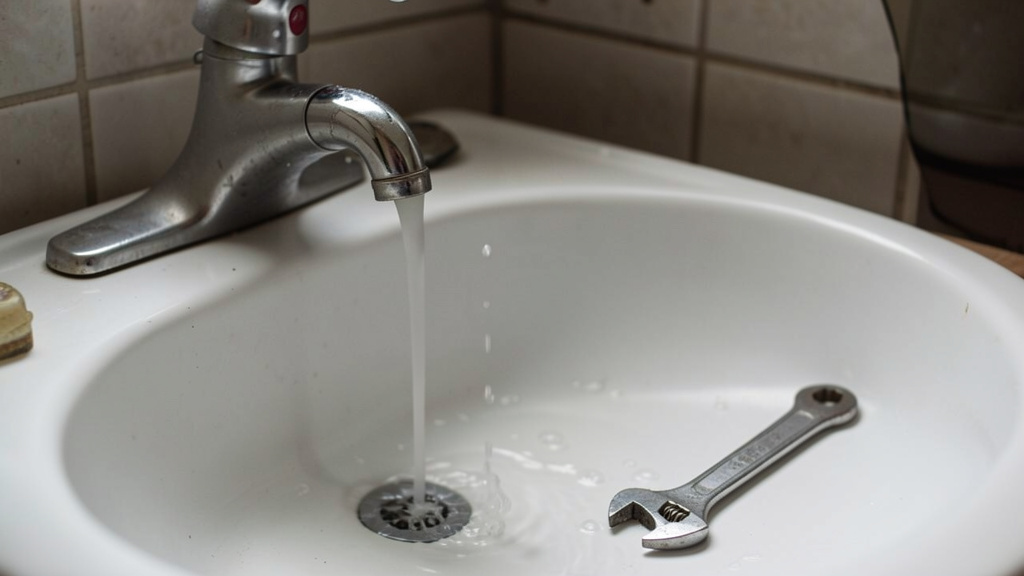
Stop Wasting Water, Money, and Peace of Mind—Learn Proven, Step-by-Step Repair Techniques for Every Common Plumbing Emergency, Plus When to Call a Professional
Water is the silent circulatory system of your home—essential, invisible in its proper function, and profoundly disruptive when compromised. That persistent drip… drip… drip from the kitchen faucet isn’t just an annoyance; it’s a slow drain on your resources and a potential precursor to significant damage. The gurgle in the bathtub drain after flushing the toilet whispers of deeper issues. The sudden puddle under the bathroom sink triggers a familiar wave of homeowner anxiety. Yet within these moments lies opportunity: the chance to build competence, protect your largest investment, and reclaim control. This guide transforms plumbing uncertainty into actionable knowledge. We move beyond fragmented quick-fix videos and oversimplified hacks to deliver a comprehensive, safety-first methodology applicable to every fixture, pipe material, and scenario you’ll encounter. Whether you’re tightening a loose connection beneath the sink or diagnosing a mysterious main-line clog, you’ll gain the clarity to act decisively, prevent recurring issues, and know precisely when professional expertise is essential. This isn’t just about fixing problems—it’s about cultivating lasting confidence in your home’s most vital system.
Introduction
Every home tells a story through its plumbing. The faint mineral deposits around a showerhead speak of hard water history. The slight hesitation in a toilet flush reveals years of wear on internal components. The quiet hum of water moving through walls is a constant, unnoticed rhythm—until it breaks. For most homeowners, plumbing exists in the periphery of awareness until a crisis demands attention. That moment of discovery—a damp cabinet floor, a sink refusing to drain, the ominous sound of running water when all fixtures are off—triggers a cascade of questions: Is this serious? Can I fix it myself? How much will it cost? What if I make it worse?
These concerns are entirely valid. Plumbing repairs sit at the intersection of practical skill, material science, and household safety. A misstep can escalate a minor drip into structural damage, mold growth, or costly emergency service calls. Yet the inverse is equally true: thoughtful, informed action transforms anxiety into accomplishment. Industry patterns indicate that the most successful DIY interventions share a foundational trait—they begin not with tools, but with understanding. They prioritize systematic assessment over impulsive reaction. They recognize that every leak, drip, or clog is a symptom with a specific cause, and addressing that cause requires methodical observation.
This guide is built upon that principle. We reject the notion that plumbing mastery belongs only to licensed professionals. Instead, we provide a structured framework accessible to anyone willing to learn. You’ll discover why certain repairs succeed while others fail, how material choices impact longevity, and where preventative habits yield the greatest return. We emphasize safety without inducing fear, precision without demanding perfection, and empowerment without encouraging recklessness. Whether you’re a first-time homeowner navigating your initial repair or a seasoned DIYer expanding your capabilities, this resource meets you where you are. By the final page, you’ll possess not just step-by-step instructions, but a durable mental model for approaching any plumbing challenge with calm competence. Your home’s flow is within your grasp—let’s begin.
The D.A.A.P. Framework: Your Universal Blueprint for Plumbing Confidence
Before examining wrenches, plungers, or pipe materials, we establish the cornerstone of lasting plumbing proficiency: a repeatable cognitive framework. Across documented repair methodologies used in diverse home environments, a consistent pattern emerges among successful outcomes. They follow a deliberate sequence: awareness precedes action, assessment informs execution, and prevention cements resolution. We crystallize this pattern into the D.A.A.P. Framework: Detect, Assess, Act, Prevent. This four-phase cycle replaces panic with purpose, transforming isolated fixes into sustainable system stewardship. Internalize this framework, and you’ll navigate any plumbing scenario with clarity.
Phase 1: Detect – Cultivating Proactive Awareness
Detection is the art of noticing what others overlook. A visible puddle demands attention, but true mastery lies in identifying subtle precursors long before crisis strikes. Train your senses to recognize the language of your plumbing system:
-
Auditory Signals: Listen beyond the obvious drip. A faint hiss near a toilet tank suggests a slow leak at the fill valve. Gurgling sounds from multiple drains after flushing indicate vent stack or main-line obstruction. The constant low hum of a running toilet wastes significant water—often unnoticed until the water bill arrives. At night, when household noise diminishes, conduct a “silence check”: turn off all water sources and listen intently near fixtures and pipe access points.
-
Visual Indicators: Water leaves traces. Inspect cabinet interiors under sinks with a flashlight—look for water stains, warped particleboard, mineral deposits (white or green crusty buildup), or mold spots. Check baseboards near plumbing walls for discoloration or bubbling paint. Examine toilet bases for persistent dampness or warped flooring. Monitor utility bills: a sudden, unexplained increase in water usage with unchanged habits suggests a hidden leak. Place food coloring in the toilet tank; if color appears in the bowl within 15 minutes without flushing, the flapper seal is compromised.
-
Tactile and Olfactory Clues: Run your hand along pipe joints under sinks—dampness indicates seepage. Press gently on flooring around toilets and showers; softness or sponginess signals subfloor water damage. A persistent musty or earthy odor in basements, crawlspaces, or under sinks often accompanies hidden moisture and mold growth. These sensory inputs form a diagnostic mosaic far richer than any single symptom.
Why Detection Matters: Early intervention is exponentially more cost-effective. A pinhole leak in a copper supply line, caught during routine inspection, requires a simple clamp or section replacement. Ignored for months, it saturates wall studs, promotes mold, and necessitates drywall replacement, structural drying, and potential remediation—costs escalating substantially. Detection is not paranoia; it’s proactive home stewardship. Implement a monthly “Plumbing Pulse Check”: spend five minutes inspecting high-risk zones (under sinks, around toilets, near water heater). Document findings in a notes app—date, location, observation. Over time, this log reveals patterns and builds intuitive familiarity with your home’s unique plumbing personality.
Common Detection Pitfalls: Dismissing intermittent sounds (“It’s just the pipes settling”), attributing minor stains to spills without investigation, or assuming a slow drain is “just old pipes” without probing deeper. Remember: plumbing systems are interconnected ecosystems. A symptom in one location often originates elsewhere. That gurgle in the kitchen sink when the washing machine drains? Likely a partial blockage in the shared branch line. Train yourself to connect dots.
Phase 2: Assess – The Strategic Pause Before Action
Assessment is your critical decision-making checkpoint. Rushing to tighten a valve or plunge a drain without understanding scope, severity, and safety implications risks worsening the problem. This phase demands disciplined inquiry. Ask these non-negotiable questions:
-
Precise Location & Scope: Is the issue isolated (e.g., only the master bathroom sink drips) or systemic (e.g., all downstairs drains gurgle when the toilet flushes)? Trace the symptom’s origin. For leaks: Is water emerging from the fixture itself (faucet spout, toilet tank), a supply line connection, a drain pipe joint, or the floor around the fixture base? For clogs: Does water drain slowly in one fixture only, or do multiple fixtures exhibit backup? Systemic symptoms point to branch-line or main-line issues requiring different strategies than isolated fixture problems.
-
Severity Calibration: Rate the issue objectively:
- Level 1 (Minor): Slow faucet drip; drain clears with plunger; minor condensation on cold-water pipes.
- Level 2 (Moderate): Steady leak from visible pipe joint; clog requiring hand auger; toilet running continuously.
- Level 3 (Serious): Gushing supply line leak; sewage backup in lowest fixture; visible water accumulation under flooring.
- Level 4 (Critical): Burst pipe with active flooding; gas odor near water heater; electrical outlets submerged.
-
Level 5 (Emergency): Structural compromise (sagging ceiling from water weight); confirmed gas leak; sewage contamination in living space.
-
Safety Imperatives: Before touching a tool, address hazards:
- Water near electricity? Shut off power at the circuit breaker for affected areas. Never handle wet electrical components.
- Gas appliances involved? If you smell gas (rotten egg odor) near a water heater or boiler, evacuate immediately. Do not operate switches, lights, or phones indoors. Call the gas company and plumber from outside.
- Water shutoff access confirmed? Know the location of your main house shutoff valve (typically near water meter in basement, garage, or crawlspace) and individual fixture valves (under sinks, behind toilets). Test them before an emergency—they often seize from disuse. Practice closing and reopening them. Keep a wrench nearby if valves require one.
-
Personal protection: Wear safety glasses (debris flies during disassembly), gloves (sharp pipe edges, contaminants), and old clothing. Work over towels or buckets to contain spills.
-
Skill & Resource Inventory: Honestly evaluate: Do I possess the tools, knowledge, and physical capability for this repair? Replacing a faucet cartridge is Level 1 for someone with basic tool familiarity; soldering copper pipe is Level 3 requiring specific skill. Consult this guide’s detailed sections—but if uncertainty persists after research, choose mitigation over risk. Assessment isn’t about limitation; it’s about intelligent resource allocation.
Why Assessment Matters: Consider two scenarios. Scenario A: Toilet won’t stop running. Without assessment, you repeatedly jiggle the handle. With assessment, you add food coloring to the tank, confirm flapper leak (Level 1), shut off fixture valve, and replace the flapper in minutes. Scenario B: Water pooling under kitchen sink. Without assessment, you tighten the P-trap nut until it cracks. With assessment, you place paper towels under each joint overnight, identify the exact leak source (worn washer), and replace only the necessary component. Assessment prevents collateral damage, saves time and money, and builds decision-making confidence. It transforms you from a reactive responder into a strategic problem-solver.
Real-World Assessment in Action: A homeowner noticed dampness under the bathroom vanity. Instead of immediately tightening connections, they placed folded paper towels beneath the P-trap, supply lines, and drain tailpiece. After 12 hours, only the towel under the slip-joint nut on the trap arm was saturated. Assessment pinpointed the faulty washer—saving unnecessary disassembly. This simple, low-cost diagnostic step reflects experienced problem-solving.
Phase 3: Act – Precision Execution with Purpose
“Act” encompasses three intentional pathways—not just DIY repair. Your assessment determines the correct path:
- Path A: Confident DIY Repair (Levels 1–2 within verified skill range)
Execute with methodical care: - Water control first: Always shut off the fixture’s supply valves. If absent, stuck, or leaking, shut off the main house valve. Open the fixture faucet to drain residual pressure in the line—a critical step preventing unexpected sprays during disassembly.
- Document the “before” state: Use your phone camera to photograph connections, wire placements (for disposal units), or component orientations. This visual reference is invaluable during reassembly.
- Right tool, right task: Forcing a mismatched wrench strips nuts. Use basin wrenches for tight sink spaces, channel-lock pliers for slip nuts, and appropriately sized screwdrivers to avoid cam-out damage. Keep tools clean and organized.
- Replace, don’t overtighten: Plumbing seals rely on compression of gaskets, washers, or O-rings—not brute force. Hand-tighten connections, then add only a quarter to half-turn with a wrench. If leakage persists after proper tightening, the seal component is faulty and requires replacement. Overtightening cracks plastic fittings, strips threads, and damages porcelain.
-
Test incrementally: After reassembly, slowly open the water supply. Observe at low pressure first. Wipe joints dry and watch for seepage. Gradually increase flow. Run water for several minutes to verify sustained performance.
-
Path B: Temporary Mitigation (Levels 3–4 to prevent escalation)
Goal: Contain damage until professional help arrives. - Active leak: Shut off main water immediately. Place buckets under drips. For small pipe leaks (non-pressurized drain lines), apply epoxy putty designed for wet surfaces as a temporary seal. For pressurized supply lines, use a pipe repair clamp with a rubber gasket over the leak site—tighten bolts evenly. Never rely on duct tape or standard epoxy on pressurized lines.
- Sewage backup: Cease all water use. Block floor drains with towels to prevent further backup. Evacuate the area. Contact a plumber and water remediation specialist immediately—do not attempt cleanup yourself due to biohazard risks.
-
Frozen pipe: Shut off main water. Open faucets on the affected line to relieve pressure. Apply gentle heat (hair dryer, heat lamp) to the frozen section—never use open flame. If pipe bursts during thawing, shut off water and call a plumber.
-
Path C: Professional Engagement (Levels 3–5, complex diagnostics, or skill gaps)
Knowing when to call a plumber is a sign of wisdom, not defeat. This path includes preparing for the technician’s arrival: clear access to the problem area, document symptoms and steps already taken, and have shutoff valves accessible. A prepared homeowner receives more efficient, cost-effective service.
Why Action Matters: Execution quality determines repair longevity. When replacing a toilet flapper, taking time to match the old part ensures compatibility—preventing frustration. When snaking a drain, feeding the auger cable slowly and rotating it prevents kinking and maximizes clog engagement. Action grounded in preparation yields durable results. Conversely, rushed actions create recurring problems: a hastily tightened compression fitting leaks again in days; a chemical drain cleaner poured into a partially blocked PVC pipe generates heat that warps the plastic.
Universal Action Principles:
– Work cleanly: Lay towels. Contain parts in small containers. Clean threads before reassembly—old plumber’s putty or mineral deposits prevent proper seals.
– Respect materials: Copper requires different handling than PEX or PVC. Porcelain fixtures crack under excessive force. Know your materials.
– Patience over power: If a nut won’t budge, apply penetrating oil and wait. Tap gently with a hammer to break corrosion. Forcing it risks catastrophic failure. Sometimes, the most skilled action is pausing to seek guidance.
Phase 4: Prevent – Engineering Long-Term Resilience
Prevention transforms reactive maintenance into proactive home care. It’s the phase most guides omit, yet it delivers the highest return on investment. After resolving an issue, implement these targeted habits:
- Monthly Micro-Habits:
- Inspect under all sinks with a flashlight—check for moisture, corrosion, loose connections.
- Flush drain traps: Pour ½ cup baking soda followed by 1 cup white vinegar down each drain. Wait 10 minutes, then flush with hot water. This dissolves minor organic buildup without harsh chemicals.
- Test toilet flappers monthly with the food coloring test.
-
Check washing machine and dishwasher supply lines for bulges, cracks, or dampness.
-
Seasonal Safeguards:
- Before winter: Insulate exposed pipes in garages, crawlspaces, and exterior walls with foam sleeves. Disconnect and drain garden hoses. Shut off outdoor faucet valves indoors and open spigots to drain residual water.
- Spring check: Inspect outdoor faucets, irrigation systems, and hose bibbs for leaks after thawing. Clean aerators on all faucets—mineral deposits reduce flow and strain fixtures.
-
Annual deep check: Examine the water heater for rust, leaks, or sediment buildup. Test the temperature-pressure relief valve by lifting the lever briefly (water should discharge then stop). Flush the tank per manufacturer instructions.
-
Strategic Upgrades:
- Replace rubber washing machine hoses with braided stainless steel supply lines—they resist bursting and last significantly longer.
- Install drain strainers in every sink, shower, and tub. Empty them daily. This single habit prevents most hair and debris clogs.
- Upgrade old compression faucets to modern ceramic-disk models—they rarely drip and require less maintenance.
-
Install a water pressure regulator if your home’s pressure exceeds 80 PSI (test with an inexpensive gauge). High pressure accelerates wear on all fixtures and pipes.
-
Household Education:
- Teach every capable household member the location and operation of the main water shutoff valve. Practice quarterly.
- Post emergency contacts (trusted plumber, water company, gas company) on the refrigerator or in a central digital note.
- Establish clear guidelines: “Only toilet paper and human waste go in the toilet,” “No grease down the kitchen sink,” “Use strainers always.”
The Fundamental Principle: Plumbing mastery is not the accumulation of isolated repair skills—it is the consistent application of a systematic mindset that transforms uncertainty into actionable clarity, empowering you to protect your home with informed confidence.
This framework aligns with established repair methodologies documented across diverse home environments. By internalizing D.A.A.P., you develop a transferable skill applicable to leaks under the sink, clogs in the shower, or mysterious gurgles in the basement. It builds resilience far beyond any single fix. Now, let’s apply this framework to the most common household challenges—fixture by fixture, scenario by scenario.
Part 1: Silencing Drips and Sealing Leaks—A Comprehensive Fixture-by-Fixture Guide
Drips and leaks represent the most frequent plumbing complaints—and significant sources of water waste and potential damage. The U.S. Environmental Protection Agency notes that household leaks can waste substantial water annually. A single faucet dripping once per second wastes thousands of gallons per year—enough to fill a standard bathtub dozens of times. Beyond environmental impact, this translates to unnecessary costs on your water bill. More critically, persistent moisture creates ideal conditions for mold growth, wood rot, and structural compromise. This section provides exhaustive, material-specific repair protocols for every common leak source. We begin with the heart of most leaks: the faucet.
Faucet Fundamentals: Decoding Mechanisms and Executing Precision Repairs
Faucets operate via four primary internal mechanisms. Correct identification is non-negotiable—repair steps and parts vary drastically. Misdiagnosis leads to frustration, wasted parts, and recurring leaks. Learn to recognize each type visually and functionally.
Compression Faucets: The Classic Two-Handle Design
Identification: Two separate handles (hot and cold). Turning the handle raises or lowers a stem assembly. Common in homes built before the 1990s, especially on exterior hose bibbs and older bathroom sinks.
How it Works: Each handle controls a stem. At the base of the stem sits a rubber or neoprene washer. When the handle is closed, the washer compresses against a brass valve seat inside the faucet body, blocking water flow.
Why It Drips: Washer wear is inevitable. Constant compression against the valve seat flattens, cracks, or erodes the washer material. Simultaneously, the brass valve seat can become pitted or corroded from mineral deposits.
Repair Protocol – Step by Step:
1. Shut Off Water: Close both hot and cold supply valves under the sink. Open the faucet fully to drain residual water. Place towels and a small bucket underneath.
2. Remove Handle: Pry off the decorative cap on top of the handle (use a flathead screwdriver wrapped in tape). Unscrew the handle screw beneath. Lift the handle straight off. If stuck, gently wiggle while pulling upward—do not pry against the faucet body.
3. Extract Stem Assembly: Use an adjustable wrench to unscrew the stem retaining nut. Turn counterclockwise. Once loose, unscrew the stem assembly by hand and pull it straight out. Note: Hot and cold stems are often mirror images—keep them separated.
4. Inspect Components: Examine the washer at the stem’s base. Replace it regardless of appearance—washers are inexpensive insurance. Next, inspect the O-ring(s) on the stem shaft. Brittle or cracked O-rings cause leaks around the handle base. Replace the entire O-ring kit. Finally, peer into the faucet body at the valve seat. Use a flashlight. Is the brass surface smooth or pitted?
5. Address Valve Seat Issues: If the seat is damaged, replacement is essential. Use a valve seat wrench to unscrew the old seat. Install the new seat hand-tight, then snug with the wrench—do not overtighten. For minor pitting, a valve seat grinder tool can smooth the surface, but replacement is more reliable for DIYers.
6. Reassemble: Install the new washer (ensure it sits flat). Lubricate new O-rings lightly with plumber’s grease. Insert the stem assembly straight into the faucet body. Hand-thread the retaining nut, then tighten with a wrench until snug. Reattach handles and decorative caps.
7. Test: Slowly open supply valves. Check for leaks at the spout and around the handles. Operate handles through full range.
Pro Tips & Nuances:
– Washer Material Matters: Neoprene washers withstand hot water better than standard rubber. For hot water sides, specify “neoprene” when purchasing replacements. Take the old washer to the hardware store for exact size matching.
– Stem Packing: Some older compression faucets use graphite or Teflon string packing around the stem instead of O-rings. If water leaks around the handle when the faucet is on, repacking is needed. Unscrew the packing nut, remove old packing, wrap new packing clockwise around the stem 3–4 times, and reinstall the nut snugly.
– Handle Stiffness: After repair, if handles are hard to turn, the stem may be overtightened. Loosen the retaining nut slightly. Never force handles—this accelerates washer wear.
– Prevention Insight: Compression faucets require periodic washer replacement. Consider upgrading to a cartridge or ceramic-disk faucet during your next remodel—they eliminate washer wear entirely.
Cartridge Faucets: The Modern Single or Dual-Handle Workhorse
Identification: Single handle controlling both temperature and flow (common in kitchens) OR two handles where lifting the handle(s) controls flow (common in bathrooms). Brands include Moen, Delta, Pfister. Look for a setscrew under a decorative cap.
How it Works: A cylindrical cartridge sits inside the faucet body. Moving the handle shifts the cartridge, aligning internal ports to mix hot and cold water. Seals are maintained by O-rings on the cartridge body.
Why It Drips: Worn or hardened O-rings cause leaks around the handle base. A damaged cartridge causes dripping from the spout. Mineral buildup can prevent the cartridge from seating fully.
Repair Protocol – Step by Step:
1. Shut Off Water & Drain: Close supply valves. Open faucet to relieve pressure. Place towels/bucket underneath.
2. Remove Handle: Pry off the decorative cap. Unscrew the setscrew beneath with an Allen wrench. Lift the handle straight off.
3. Extract Cartridge: You’ll see a retaining clip or a large retaining nut. For clip-style: Use needle-nose pliers to squeeze and lift the clip out. For nut-style: Use an adjustable wrench to unscrew the retaining nut. Grasp the cartridge stem and pull straight out. Resistance is normal—wiggle gently while pulling.
4. Inspect & Clean: Examine the cartridge for cracks or heavy mineral deposits. Rinse thoroughly. Scrub mineral buildup gently with an old toothbrush and vinegar. Inspect the O-rings—replace if brittle or cracked.
5. Replace Components: Install new O-rings from the repair kit. Lubricate them lightly with plumber’s grease. If the cartridge itself is damaged or cleaning doesn’t resolve dripping, replace the entire cartridge. Critical: Match the exact model number. Take photos of the old cartridge.
6. Reinstall: Insert the new or cleaned cartridge straight into the faucet body, aligning any tabs or notches. Reinstall the retaining clip or nut. Reattach the handle and setscrew.
7. Test: Slowly open supply valves. Check for leaks. Operate through full range of motion.
Pro Tips & Nuances:
– Cartridge Orientation is Critical: Most cartridges have alignment tabs. Inserting incorrectly prevents proper handle operation. Study the old cartridge’s position before removal. Take multiple photos.
– Plumber’s Grease is Essential: Never install dry O-rings. Grease reduces friction during insertion and extends seal life. Use only silicone-based plumber’s grease.
– Mineral Buildup Solutions: For severe buildup, soak the cartridge in a 50/50 vinegar-water solution for 30 minutes before scrubbing. Avoid abrasive pads—they scratch sealing surfaces.
– Brand-Specific Kits: Moen, Delta, and Pfister sell model-specific repair kits containing the exact cartridge, O-rings, and tools. Investing in the correct kit prevents mismatched parts.
Ball Faucets: The Single-Handle Kitchen Staple
Identification: Single handle mounted on a rounded, dome-shaped cap. Extremely common on Delta kitchen faucets (Series 1400, 1700). The handle moves side-to-side for temperature and forward-back for flow.
How it Works: Beneath the cap sits a rotating ball with internal chambers. Moving the handle shifts the ball, aligning ports to mix water. Springs and rubber seats below the ball create the seal.
Why It Drips: Worn rubber seats and springs are the primary culprits for spout drips. A degraded cam seal causes leaks around the handle base.
Repair Protocol – Step by Step:
1. Shut Off Water & Drain: Close supply valves. Open faucet. Place towels/bucket underneath.
2. Remove Handle & Cap: Unscrew the setscrew under the handle. Lift off handle. Unscrew the large dome-shaped cap counterclockwise. Lift off the cap assembly.
3. Extract Internal Components: Lift out the ball carefully. Note its orientation. Remove the cam and cam washer. Use needle-nose pliers to extract the two rubber seats and springs from their recesses. Work inside a shallow container to prevent losing tiny springs.
4. Inspect & Replace: Examine the ball for scratches—replace if damaged. Inspect seats and springs—replace all seats and springs regardless of appearance. Check the cam washer and seal for wear—replace if cracked.
5. Reassemble: Insert new springs into the recesses, followed by new seats (flat side down). Place the new cam washer and seal onto the faucet body. Position the ball exactly as removed. Place the cam over the ball stem. Screw the dome cap back on hand-tight, then snug with pliers. Reattach handle and setscrew.
6. Test: Open supply valves slowly. Check for leaks. Operate handle through full range.
Pro Tips & Nuances:
– Seat Size Variability: Repair kits include multiple seat sizes. Test fit each seat into the recess—it should sit flush without wobbling.
– Spring Direction: Springs have a coiled end and a flat end. Insert with the coiled end down against the faucet body.
– Ball Lubrication: Lightly lubricate the ball with plumber’s grease before reinsertion—reduces friction and wear.
– Handle Tension Adjustment: If the handle feels too loose or tight after repair, the dome cap tension can be adjusted. Loosen the cap slightly to reduce tension; tighten slightly to increase it.
Ceramic Disk Faucets: The Durable Single-Handle Solution
Identification: Single handle on a wide, cylindrical body (often chrome). Common in high-end kitchens and bathrooms (brands: American Standard, Kohler, Pfister). Known for smooth operation and longevity.
How it Works: Two ceramic disks—one stationary, one movable—sit inside a cylinder. The movable disk has ports that align with ports in the stationary disk when the handle is lifted, allowing water flow.
Why It Drips: Rarely the disks themselves—they last decades. Dripping usually stems from sediment trapped between disks, a cracked disk, or worn inlet seals/O-rings on the cylinder body.
Repair Protocol – Step by Step:
1. Shut Off Water & Drain: Close supply valves. Open faucet. Place towels/bucket underneath.
2. Remove Handle & Escutcheon: Pry off decorative cap. Remove setscrew. Lift off handle. Unscrew the escutcheon to expose the cylinder retaining nut.
3. Extract Cylinder: Use an adjustable wrench to loosen the retaining nut. Lift out the entire cylinder assembly. Note orientation.
4. Clean or Replace: Rinse the cylinder thoroughly. Soak in vinegar for 15 minutes to dissolve mineral deposits. Use a soft brush to clean the ceramic disks—never use abrasives. Inspect disks under bright light for hairline cracks. If damaged, replace the entire cylinder assembly. Also inspect the O-rings—replace if worn.
5. Reinstall: Lubricate new O-rings with plumber’s grease. Insert the cylinder straight down, aligning tabs if present. Hand-thread the retaining nut, then tighten snugly. Reattach escutcheon, handle, and cap.
6. Test: Open supply valves slowly. Check for leaks. Operate handle.
Pro Tips & Nuances:
– Gentle Cleaning Only: Ceramic disks are hard but brittle. Avoid metal tools or harsh chemicals. Vinegar and soft brushes are sufficient.
– Cylinder Replacement Cost: While ceramic disk faucets are durable, cylinder replacements can be costly. For older faucets, weigh replacement cost against installing a new faucet. Newer models often have more affordable repair parts.
– Sediment Prevention: Install a whole-house sediment filter to reduce mineral buildup in all fixtures, extending disk life.
– Handle Operation: These faucets require a distinct lift-then-turn motion. Forcing rotation without lifting strains the mechanism. Educate household members on proper use.
Pipe Leaks: Strategic Repair for Supply Lines and Drain Pipes
Leaks occur in two distinct systems: pressurized supply lines (bringing water to fixtures) and gravity-fed drain pipes (carrying water away). Repair approaches differ fundamentally due to pressure dynamics and material properties. Misapplying a drain-pipe fix to a supply line can cause catastrophic failure.
Supply Line Leaks: Copper, PEX, and Galvanized Steel
Critical Safety Note: Supply lines operate under constant household water pressure. Always shut off the water supply at the fixture valve or main shutoff before attempting any repair. Never attempt “hot” repairs on pressurized lines.
Copper Pipe Leaks
Common Causes: Pinhole leaks from water chemistry, physical damage, or joint failure.
Temporary Mitigation:
– For slow leaks: Clean the pipe surface thoroughly. Apply epoxy putty designed for wet surfaces. Knead putty per instructions, mold firmly over the leak site, and allow full cure time. This is strictly temporary—schedule permanent repair promptly.
– For active leaks: Use a pipe repair clamp. Position the rubber gasket over the leak, align the metal clamp halves, and tighten bolts evenly until leakage stops.
Permanent Repair Options:
1. Push-Fit Connector (Recommended for DIYers):
– Shut off water, drain line. Cut out damaged section. Deburr pipe ends thoroughly.
– Mark insertion depth on pipe. Push connector straight onto pipe until it clicks/snaps into place.
– Advantages: No soldering, no tools beyond tubing cutter. Code-approved (check local codes), reliable, reversible. Brands: SharkBite, GatorBite.
– Critical Step: Ensure pipe is clean, dry, and deburred. Push firmly until fully seated.
Material Insight: Copper pinhole leaks often indicate underlying water chemistry issues. If multiple pinholes appear in the same pipe run, consult a plumber about water testing.
PEX Tubing Leaks
Common Causes: Damaged crimp ring, puncture during installation, or UV degradation.
Repair Protocol:
– Shut off water, drain line. Cut out damaged section with PEX cutter.
– Install new PEX coupling:
– Push-Fit Method: Deburr, push connector on fully. Ideal for DIYers without specialized PEX tools.
– Prevention Tip: When routing PEX near studs, use protective plates to prevent future punctures.
Galvanized Steel Pipe Leaks
Critical Context: Common in homes built before 1960. Pipes corrode from the inside out.
Temporary Fix: Epoxy putty or repair clamp may hold briefly, but corrosion will spread.
Permanent Solution: Sectional replacement is strongly recommended. Cut out leaking section. Transition to copper or PEX using a dielectric union. Strong Recommendation: If your home has extensive galvanized piping and recurring leaks, consult a plumber about whole-house repiping. Modern PEX is flexible, freeze-resistant, and less prone to corrosion.
Drain Pipe Leaks: PVC, ABS, and Cast Iron
Key Difference: Drain pipes are not pressurized. Leaks are slower, allowing more time for assessment. However, constant moisture causes significant damage over time.
Slip-Joint Leaks (Under Sinks)
Most Common Cause: Worn or misaligned washer in the P-trap slip joint.
Repair Protocol:
1. Place bucket under P-trap. Loosen slip nuts on both ends of the trap.
2. Remove trap. Clean old plumber’s putty, debris, or mineral deposits.
3. Inspect washers. Replace if cracked, flattened, or hardened. Never reuse old washers.
4. Apply a thin layer of pipe thread sealant to the male pipe threads. Hand-thread the slip nut onto the pipe. Insert new washer. Hand-tighten the nut, then give a quarter-turn with pliers. Overtightening cracks plastic nuts.
5. Reassemble. Run water to test.
Pro Tip: Keep spare P-trap kits under each sink. Replacement takes minutes and costs under $10.
Cracked PVC/ABS Pipes
Repair Protocol:
– For small cracks: Clean area thoroughly. Apply PVC cement designed for wet surfaces. Clamp a rubber repair sleeve over the crack if available. Temporary only.
– For permanent repair: Cut out damaged section. Deburr edges. Dry-fit new section and couplings. Apply PVC primer then cement. Join pieces quickly and hold firmly. Allow full cure time.
– Critical Safety: Work in well-ventilated area. Wear gloves and eye protection.
Cast Iron Drain Leaks
Context: Found in older homes (pre-1980s). Heavy, durable, but prone to internal corrosion.
Minor Leak: Clean area thoroughly. Dry completely. Apply epoxy putty designed for metal pipes. Monitor closely—this is temporary.
Major Leak: Strong Recommendation: Contact a plumber. Cast iron is heavy, difficult to cut, and requires specialized couplings for repair. Attempting DIY repair without experience risks injury and incomplete fixes.
Toilet Leaks: Addressing the Silent Water Waster
Toilets account for a significant portion of indoor household water use. A leaking toilet is a major source of hidden water waste. This section covers all leak locations with precision.
Tank Leaks: Internal Components
Symptom: Water trickling into bowl when not flushed; constant running sound; water pooling on floor behind toilet.
Diagnostic Step: Add food coloring to the tank. Wait 15 minutes without flushing. If color appears in the bowl, the flapper seal is compromised.
Flapper Leak Repair
1. Shut off water at the valve behind the toilet. Flush to empty tank. Sponge out residual water.
2. Disconnect flapper chain from the flush lever arm. Unhook flapper ears from the overflow tube posts.
3. Take the old flapper to the hardware store. Match style and size. Critical: Flappers vary by toilet model—generic “universal” flappers often fail.
4. Install new flapper: Hook ears onto posts. Reconnect chain with slight slack.
5. Turn water on. Adjust chain length if needed. Test flush. Recheck with food coloring test after 24 hours.
Why Flappers Fail: Chlorine in water degrades rubber over time (typically 3–5 years). Using in-tank bowl cleaners accelerates deterioration—avoid them.
Fill Valve Leak Repair
Symptom: Water continuously running into the overflow tube; hissing sound.
Adjustment First: Most modern fill valves have an adjustment screw or clip. Lower the float cup until water stops 1 inch below the top of the overflow tube. Test.
Replacement Protocol (If Adjustment Fails):
1. Shut off water, flush tank empty. Sponge dry.
2. Disconnect supply tube from bottom of fill valve.
3. Unscrew the lock nut under the tank. Lift out old valve.
4. Insert new valve. Hand-tighten lock nut underneath, then snug with pliers (do not overtighten—porcelain cracks).
5. Reconnect supply tube. Attach refill tube to the overflow tube clip.
6. Turn water on. Adjust float height. Test flush cycle.
Pro Tip: Upgrade to a newer fill valve model with anti-siphon features and quieter operation.
Tank Bolt Leak Repair
Symptom: Water seeping from under the tank onto the bowl rim or floor.
Repair Protocol:
1. Shut off water, flush tank empty. Disconnect supply line.
2. Tighten tank bolts evenly—alternate sides in small increments. Over-tightening cracks the porcelain tank.
3. If leakage persists: Shut off water fully. Disconnect supply line. Remove tank bolts/nuts. Lift tank straight up (get help—it’s heavy).
4. Scrape old tank-to-bowl gasket. Install new gasket kit.
5. Align tank over bowl bolts. Press down firmly. Tighten bolts evenly until snug. Reconnect supply. Test.
Critical Insight: Tank bolts should be snug, not tight. Porcelain is brittle.
Base Leaks: The Wax Ring Seal
Symptom: Water pooling around the base of the toilet after flushing; rocking toilet; foul odor from floor.
Cause: Failed wax ring seal between the toilet horn and the closet flange.
Repair Protocol – Step by Step:
1. Preparation: Shut off water. Flush repeatedly to empty tank and bowl. Sponge out all residual water. Disconnect supply line. Place towels around base.
2. Remove Toilet: Remove caps covering closet bolts. Unscrew nuts. Rock toilet gently side-to-side to break wax seal. Lift straight up—do not tilt excessively. Have helper support weight.
3. Clean Flange and Horn: Scrape old wax thoroughly. Inspect flange: Is it secure? Level with or slightly above finished floor? Cracked? If flange is damaged, repair or replace it before reinstalling toilet.
4. Install New Seal:
– Traditional Wax Ring: Place ring centered on flange.
– Wax-Free Alternative: Rubber gaskets (e.g., Sani Seal) are reusable, easier to position, and allow minor repositioning. Recommended for DIYers.
5. Reinstall Toilet: Align toilet bolts with holes in base. Lower toilet straight down onto seal. Press down firmly—do not rock. Alternate tightening nuts in small increments until snug.
6. Final Steps: Reconnect supply line. Turn water on. Test flush multiple times. Check for leaks. Caulk around base except the back 2–3 inches—this allows future leak detection.
Pro Tips:
– Flange Height is Crucial: If flange sits below floor level, use an extra-thick wax ring or flange extender kit.
– Bolt Alignment: If closet bolts are bent or corroded, replace them with new stainless steel bolts.
– Test Before Caulking: Run several flush cycles and check for leaks before applying caulk.
Appliance Connection Leaks: Washing Machines, Dishwashers, Ice Makers
These connections endure constant pressure cycles, making them high-risk zones.
Washing Machine Hoses
Prevention is Paramount:
– Replace rubber hoses every 3–5 years. Upgrade to braided stainless steel supply lines—they resist bursting and last longer.
– Install an emergency shutoff valve that automatically closes if a leak is detected.
If Leaking at Connection:
– Tighten gently with wrench. If leak persists, shut off water, disconnect hose. Inspect washer inside connector—replace washer or entire hose.
Dishwasher Leaks
Common Sources:
– Door Gasket: Clean regularly. Replace if cracked or hardened.
– Inlet Valve: Located under sink. Check supply line connection.
– Drain Hose: Ensure it’s securely clamped to the sink tailpiece or garbage disposal inlet.
– Filter: Clean monthly. Clogged filters cause water to pool and leak from door.
Refrigerator Ice Maker/Water Line
Leak at Connection: Tighten compression fitting gently. If leak persists, shut off water, disconnect line. Inspect ferrule—replace if cracked. Reassemble with new ferrule.
Prevention: Use flexible braided supply lines instead of rigid copper—they withstand vibration better.
Part 2: Conquering Clogs—Clearing Drains Safely and Effectively
Clogs are inevitable, but the wrong approach can transform a minor obstruction into a pipe-damaging crisis. Chemical drain cleaners promise convenience but carry significant risks. This section provides a graduated, tool-specific methodology prioritizing pipe safety and long-term effectiveness.
Understanding Clog Types: Matching Solution to Symptom
Not all clogs are created equal. Successful clearance requires diagnosing the obstruction type:
- Organic Buildup (Kitchen Sinks): Grease, coffee grounds, food particles. Grease solidifies in pipes, trapping other debris. Never pour grease down drains—collect in a can and discard.
- Hair and Soap Scum (Bathroom Sinks, Showers, Tubs): Hair binds with soap residue, forming dense mats just below the drain cover. Most common clog type.
- Paper and Wipes (Toilets): Excess toilet paper, “flushable” wipes (which rarely break down), cotton swabs, or foreign objects. Wipes are a leading cause of municipal sewer blockages.
- Tree Roots (Main Lines): Roots infiltrate sewer lines through tiny cracks. Symptoms: slow drains throughout house, gurgling sounds, sewage backup. Requires professional diagnosis.
- Mineral Scale (Hard Water Areas): Calcium and magnesium deposits narrow pipe diameter over years. Requires water softening or professional descaling.
- Foreign Objects: Toys, jewelry, utensils—common in households with children. Often lodge at pipe bends.
Critical Insight: Chemical drain cleaners are ineffective against hair mats, solid objects, or root intrusions. They generate heat that can warp PVC pipes and create hazardous fumes. Reserve chemicals as an absolute last resort for minor organic buildup in metal pipes—and only after mechanical methods fail. Enzymatic cleaners (bacteria-based) are safer for monthly maintenance but won’t clear serious blockages.
Tool Mastery: Selecting and Using the Right Instrument
Choosing the correct tool prevents damage and maximizes success.
The Plunger: First Line of Defense
Types Matter:
– Cup Plunger: Flat rubber cup. Ideal for sinks, tubs, showers.
– Flange Plunger: Cup with extended soft rubber flange. Essential for toilets—the flange seals the curved toilet drain opening.
Proper Technique:
1. Create a Seal: For sinks/tubs: Block the overflow opening with a wet rag. For toilets: Extend the flange fully into the drain opening.
2. Position: Center plunger over drain. Push down gently to expel air from the cup.
3. Action: Pull up sharply to create suction, then push down firmly. The upward pull is more critical than the downward push. Repeat 10–15 times rhythmically.
4. Test: Quickly pull plunger away. If clog clears, water will drain rapidly. Flush toilet or run sink water to verify.
Why Technique Fails:
– Skipping overflow blockage (sinks): Air escapes through overflow, breaking suction.
– Using wrong plunger type: Cup plunger on toilet = ineffective seal.
– Pushing too hard initially: Forces air out but doesn’t create vacuum.
Hand-Crank Auger (Drain Snake): For Sinks, Tubs, Showers
Best For: Clogs 1–25 feet deep—typically hair mats in bathroom drains or food debris in kitchen sinks beyond the P-trap.
How to Use:
1. Extend cable fully. Insert tip into drain opening.
2. Crank handle clockwise while gently feeding cable.
3. When resistance is felt, continue cranking to hook or break up obstruction. Rotate handle to wind clog onto cable.
4. Slowly retract cable. Wipe clean.
5. Flush drain with hot water.
Critical Nuances:
– Direction Matters: Always crank clockwise. Counterclockwise can unwind the cable.
– Gentle Pressure: Forcing the cable can kink it or scratch porcelain.
– P-Trap First: For sinks, remove the P-trap first if accessible. Clean it manually—many clogs reside here.
Closet Auger (Toilet Snake): Toilet-Specific Solution
Why Specialized?: Standard augers can scratch porcelain bowls. Closet augers have a protective vinyl sleeve and a curved tip designed for toilet trap geometry.
How to Use:
1. Insert auger tip into toilet bowl, aiming toward the drain opening.
2. Crank handle clockwise while feeding cable gently.
3. When resistance is met, continue cranking to hook or break up obstruction. Rotate to retrieve debris.
4. Retract slowly. Flush to verify.
5. Clean auger thoroughly with disinfectant wipes.
Safety & Care:
– Never force: Porcelain cracks easily. If significant resistance persists, stop.
– Hygiene: Always clean the auger after use. Store separately.
Zip-It Tool: The Hair Clog Specialist
Design: Thin plastic strip with barbed hooks. Inexpensive, disposable.
How to Use:
1. Insert barbed end straight down the drain past the clog.
2. Pull up slowly—the barbs catch hair and debris.
3. Wipe tool clean. Repeat until no more debris is retrieved.
4. Flush with hot water.
Advantages:
– Reaches clogs just below drain covers where augers struggle.
– No risk of scratching fixtures.
– Ideal for quick bathroom sink/shower maintenance.
Limitation: Only effective for hair/scum clogs within 6–8 inches of the drain opening.
Wet/Dry Vacuum: Emergency Toilet Clog Remover
When to Use: After plunger and closet auger fail on a toilet clog. Only use a shop vac rated for wet pickup.
Procedure:
1. Remove vacuum bag/filter. Attach hose directly to wet inlet.
2. Create an airtight seal: Place vacuum hose firmly over toilet drain opening. Use duct tape if needed (protect bowl rim first).
3. Set vacuum to “wet” mode. Turn on for 30–60 seconds.
4. Turn off, remove hose. Flush to test.
5. Critical: Empty vacuum tank immediately. Disinfect thoroughly.
Warnings:
– Never use a standard household vacuum—water will destroy the motor.
– Wear gloves and eye protection.
– Ensure no one is near the toilet during operation.
Chemical Drain Cleaners: Understanding Risks and Limited Utility
When Might They Be Considered?
– Minor, slow-moving organic clogs in metal pipes only.
– As a last resort after mechanical methods fail, and only if the drain is not completely blocked.
– Never use in completely blocked drains, PVC/ABS pipes, or after attempting other methods.
Safer Alternatives:
– Enzymatic Cleaners: Contain bacteria that digest organic matter. Safe for monthly maintenance.
– Baking Soda & Vinegar: Pour ½ cup baking soda, then 1 cup vinegar. Cover drain, wait 15 minutes, flush with hot water. More effective as prevention.
– Boiling Water: Pour slowly down metal pipes. Effective for light grease buildup. Never use on porcelain fixtures—thermal shock can crack them.
Critical Warnings:
– Toxic Fumes: Never mix chemical cleaners.
– Pipe Damage: Caustic chemicals generate heat that damages PVC. Acid-based cleaners corrode metal pipes.
– Health Hazards: Splashes cause severe burns. Keep away from children/pets.
– Environmental Impact: Harsh chemicals enter waterways.
Professional Consensus: Plumbers overwhelmingly recommend mechanical methods first. Chemicals should be the exception.
Step-by-Step Clog Removal by Fixture
Kitchen Sink Clog Protocol
- Boiling Water Flush: Pour 2–3 kettles of boiling water slowly down the drain. Only for metal pipes.
- Baking Soda/Vinegar Treatment: Pour ½ cup baking soda, followed by 1 cup vinegar. Cover drain. Wait 15 minutes. Flush with hot tap water.
- Plunge: Block overflow opening with wet rag. Use cup plunger. Plunge vigorously 15 times.
- P-Trap Removal: Place bucket under sink. Loosen slip nuts. Remove trap. Clean manually. Reassemble with new washers if needed.
- Auger: If clog persists, feed hand-crank auger into the wall pipe stub. Crank clockwise while feeding. Retrieve debris. Flush with hot water.
- Prevention: Install sink strainers. Scrape food scraps into compost/trash. Never pour grease, coffee grounds, or eggshells down drain. Monthly: flush with baking soda/vinegar.
Bathroom Sink or Shower Clog Protocol
- Remove Visible Debris: Use tweezers to pull hair from drain cover.
- Zip-It Tool: Insert, pull up slowly. Repeat until clean. Most effective for shower clogs just below the strainer.
- Plunge: For sinks, block overflow with wet rag. For showers, ensure plunger seals over drain. Plunge 15 times.
- Auger: Feed hand-crank auger down drain. Crank clockwise. Retrieve hair mat.
- Prevention: Install hair catchers. Empty daily. Weekly: pour boiling water down drain (if metal pipes) or use enzymatic cleaner.
Toilet Clog Protocol
- Plunge Immediately: Use flange plunger. Ensure flange is extended into drain. Create seal. Plunge rhythmically 15–20 times—focus on sharp upward pulls.
- Wait and Observe: If water level drops but doesn’t drain fully, wait 10 minutes.
- Closet Auger: If plunging fails, insert auger. Crank clockwise gently. Hook clog. Retract slowly.
- Wet/Dry Vacuum: As last DIY resort.
- Cease Water Use: If clog persists after multiple attempts, stop flushing. Place towels around base. Call plumber.
- Prevention: Keep small trash can in bathroom. Educate household: only toilet paper and human waste belong in toilet. Avoid “flushable” wipes.
Main Line Clog: Recognizing the Emergency
Symptoms:
– Multiple fixtures backing up simultaneously.
– Gurgling sounds from drains when water is used elsewhere.
– Sewage smell from floor drains or multiple fixtures.
– Water backing up in the lowest drain.
Immediate Actions:
1. Stop All Water Use: Cease showers, dishwashing, laundry.
2. Evacuate Area: If sewage is visible, avoid contact.
3. Call a Professional Plumber Immediately: Main line clogs require motorized augers, hydro-jetting, or camera inspection. DIY attempts often push clogs deeper.
4. Document: Note which fixtures are affected. This helps the plumber diagnose faster.
Why DIY Fails Here: Hand augers lack the length and torque for main lines. Chemicals are ineffective against root masses.
Advanced Insight: Vent Stack Issues and Gurgling Drains
Symptom: Drains gurgle or bubble when other fixtures are used; slow drainage throughout house.
Cause: Plumbing systems require vent pipes extending through the roof to allow air into the system. If vents are blocked (bird nests, ice, debris), negative pressure forms.
DIY Assessment:
– Go to roof (safely). Locate vent pipes. Clear visible debris with gloved hand or garden hose.
– Caution: Roof work is hazardous. If uncomfortable, call a plumber.
Professional Solution: Plumbers use camera scopes to inspect vent lines and motorized augers to clear deep blockages.
Part 3: Knowing Your Limits—When to Call a Professional Plumber
Confidence in DIY repairs must be balanced with wisdom in recognizing boundaries. Calling a professional plumber is strategic resource management that protects your home, health, and finances. This section provides clear criteria for engagement.
Unmistakable Red Flags: Immediate Professional Engagement Required
These scenarios demand cessation of DIY efforts and prompt professional contact.
- Sewage Backup or Overflow: Raw sewage contains hazardous pathogens. Do not attempt cleanup. Evacuate the area. Close doors to contain contamination. Contact a plumber and a certified water damage restoration company.
- Suspected Gas Leak: If you smell gas near a gas water heater, evacuate immediately. Do not operate light switches, appliances, or phones indoors. From a safe location outside, call your gas company’s emergency line and a licensed plumber.
- Major Water Leak with Structural Impact: Burst pipe flooding a room; ceiling sagging from water accumulation; walls bulging; electrical outlets submerged. Shut off main water immediately. If safe, shut off electricity. Call a plumber and water restoration company.
- No Accessible Water Shutoff: If you cannot locate or operate the main shutoff valve during an active leak, call a plumber.
- Recurring Issues After Repair: If a leak or clog returns within days of your repair, the root cause is unresolved. Persistent symptoms require professional diagnostics (camera inspection, pressure testing).
- Permit-Required Work: Local building codes mandate permits for repiping sections, relocating fixtures, installing new water heaters (gas models), or adding plumbing for new fixtures. DIY work without permits risks failed inspections and voided insurance claims. Licensed plumbers handle permitting.
- Lead Pipe Concerns: Homes built before 1986 may have lead service lines or lead solder. If you suspect lead pipes (dull gray metal, soft to scratch), do not attempt repairs. Contact your water utility and a plumber specializing in lead abatement.
- Water Heater Malfunctions: Leaking tank, no hot water (gas models), rumbling noises, or rust-colored water. Water heaters involve gas, electricity, and high pressure. Incorrect repair risks fire or scalding.
- Frozen Pipes That Burst: If a pipe bursts during thawing, shut off water and call a plumber. Hidden damage may exist.
- Mold Growth Linked to Plumbing: Visible mold near leaks indicates moisture intrusion beyond surface level. Mold remediation requires containment and professional treatment.
How to Select and Collaborate with a Qualified Plumber
Choosing the right professional ensures quality work and peace of mind.
- Verify Credentials:
- License: Required in most states/counties. Verify license number with your local licensing board.
- Insurance: Confirm they carry liability insurance and workers’ compensation.
- Reviews: Check Google, Yelp for consistent positive feedback.
-
BBB Accreditation: A+ rating adds credibility.
-
Get Detailed Quotes:
- Describe the issue clearly.
- Request a diagnostic fee (typically $50–$150). Reputable plumbers credit it toward repair.
- Ask for a written scope: “What exactly will be done? What parts are included? What is the warranty?”
-
Compare 2–3 quotes. Beware of prices significantly below market.
-
Ask Key Questions:
- “Are you familiar with homes of my era?”
- “What is your warranty on parts and labor?”
- “Will you provide before/after photos?”
-
“Do you clean up after the job?”
-
During the Service Call:
- A trustworthy plumber will explain the problem clearly, often showing you the faulty part.
- Present options (e.g., “We can repair this section, or replace the entire run”).
- Obtain your approval before proceeding with additional work.
-
Red flags: Pressure to replace entire systems immediately; vague explanations; cash-only payments.
-
Post-Service Follow-Up:
- Test the repair thoroughly before the plumber leaves.
- Request an itemized invoice with parts, labor, and warranty details.
- Keep records for home maintenance files.
Many emergency plumbing calls stem from issues that could have been addressed early with minor intervention—a pattern the D.A.A.P. framework helps you avoid. By using this guide to handle Level 1–2 issues confidently and engaging professionals strategically for complex scenarios, you optimize both home safety and financial resources.
Your Questions, Answered
Homeowners face recurring uncertainties around plumbing repairs. These answers synthesize industry standards and practical experience to address frequent concerns with clarity.
Q: How much water does a dripping faucet really waste?
A: Even a slow drip adds up significantly. According to the U.S. Environmental Protection Agency, a faucet dripping once per second can waste more than 3,000 gallons of water annually. Beyond environmental impact, this creates conditions conducive to mold and structural damage. Addressing drips promptly is a simple yet impactful conservation step.
Q: Can I use chemical drain cleaners safely?
A: Chemical drain cleaners carry substantial risks and should be used with extreme caution, if at all. They can damage pipes (especially PVC), create hazardous fumes, and are often ineffective against common clogs like hair mats. Mechanical methods—plungers, augers, zip-it tools—are safer, more reliable, and environmentally preferable. Reserve chemical cleaners for rare, minor organic buildup in metal pipes, and always follow label instructions meticulously.
Q: How do I know if a leak is an emergency?
A: Treat these as emergencies requiring immediate professional attention: active sewage backup, gas odor near water heaters, major leaks causing structural saturation (sagging ceilings, bulging walls), or electrical components exposed to water. For less urgent leaks (e.g., a slow drip under the sink), follow the D.A.A.P. framework: detect the source, assess severity, act with appropriate mitigation or repair, and implement prevention. When uncertainty exists, err on the side of caution.
Q: What’s the difference between a hand auger and a closet auger?
A: A hand-crank auger is designed for sinks, tubs, and showers, featuring a flexible cable to navigate P-traps. A closet auger is specifically engineered for toilets, with a protective vinyl sleeve to prevent scratching porcelain and a curved tip for the toilet trap. Using the correct tool prevents damage and increases effectiveness—never substitute a standard auger for a toilet clog.
Q: How often should I replace washing machine hoses?
A: Replace rubber washing machine supply hoses every 3–5 years, or immediately if you notice bulges, cracks, or dampness. For enhanced safety, upgrade to braided stainless steel hoses, which resist bursting and typically last longer. Consider installing an automatic water shutoff valve that detects leaks—a worthwhile investment given the catastrophic potential of a burst hose.
Q: Why does my toilet keep running after I replaced the flapper?
A: If a new flapper doesn’t stop the leak, the issue likely lies elsewhere. Common culprits include a corroded flush valve seat, an improperly adjusted chain (too tight or too loose), or a faulty fill valve. Check the valve seat for mineral deposits, ensure the chain has slight slack, and verify the water level is 1 inch below the overflow tube. If problems persist, the flush valve assembly may require replacement.
Q: Is it safe to use a plunger on a clogged toilet?
A: Yes, when used correctly. Always use a flange plunger designed for toilets. Create a tight seal over the drain opening, then apply firm, rhythmic plunges—emphasizing the upward pull. Avoid excessive force that could crack the porcelain. If plunging fails after 15–20 attempts, switch to a closet auger. Never use a cup plunger on a toilet.
Q: How can I prevent frozen pipes in winter?
A: Insulate exposed pipes in unheated spaces with foam sleeves. Disconnect and drain garden hoses before the first freeze. Shut off outdoor faucet valves indoors and open spigots to drain residual water. During extreme cold, let faucets drip slightly, and keep cabinet doors open under sinks. For extended absences, set the thermostat no lower than 55°F (13°C).
Q: What should I do if I smell gas near my water heater?
A: Evacuate the home immediately. Do not operate light switches, appliances, or phones indoors. From a safe location outside, call your gas company’s emergency line and a licensed plumber. Gas leaks pose severe explosion and health risks—never attempt to locate or repair the leak yourself. Ensure your home has functioning gas detectors near fuel-burning appliances.
Q: How do I find the main water shutoff valve in my home?
A: The main shutoff is typically located near the water meter (in basements, garages, or utility closets) or where the main water line enters the house. It may be a gate valve (turn clockwise to close) or a ball valve (turn handle 90 degrees). If unsure, consult your home inspection report. Once located, label the valve clearly and test it periodically to ensure it operates smoothly.
Q: Are “flushable” wipes really safe for toilets?
A: Despite marketing claims, most “flushable” wipes do not break down quickly in plumbing systems and are a leading cause of clogs and sewer backups. Municipal wastewater authorities consistently advise against flushing them. Dispose of wipes in the trash. For toilet cleaning, use toilet paper or products explicitly certified by water utilities.
Q: When should I consider repiping my entire house?
A: Whole-house repiping is warranted if you have recurrent leaks in galvanized steel pipes (common in pre-1960s homes), widespread corrosion, significantly reduced water pressure, or discolored water indicating internal pipe deterioration. While sectional repairs address isolated issues, systemic pipe failure often makes full repiping more cost-effective long-term. Consult a licensed plumber for a camera inspection and professional assessment.
Conclusion and Next Step
Mastering home plumbing isn’t about memorizing every repair—it’s about adopting a systematic mindset. The D.A.A.P. framework (Detect, Assess, Act, Prevent) empowers you to approach leaks, drips, and clogs with clarity, transforming anxiety into actionable confidence. By understanding your system’s interconnected nature, respecting material constraints, and knowing when to engage professionals, you protect your home’s integrity and your peace of mind.
- Recap: The three pillars of plumbing resilience are proactive detection (monthly inspections catch issues early), informed assessment (matching repair scope to skill and severity), and strategic prevention (simple habits like drain strainers and hose replacements yield outsized returns).
- The 24-Hour Rule: Within the next day, locate your home’s main water shutoff valve. Test that it turns smoothly—if stiff, apply penetrating oil and work it gently until operational. Label it clearly. This single action prepares you for any future plumbing emergency.
- The Big Picture: Your home’s plumbing is a dynamic ecosystem. Each repair, prevention habit, and informed decision contributes to long-term resilience. By stewarding this system thoughtfully, you conserve resources, avoid costly emergencies, and cultivate a deeper connection to the space you inhabit.
Explore Our Complete System:
[Preventative Home Maintenance Checklist] | [Understanding Your Home’s Water Pressure] | [DIY Guide to Installing a New Faucet] | [How to Winterize Your Home’s Plumbing] | [Reading Your Water Bill: A Homeowner’s Guide] | [Emergency Preparedness: Home Systems Edition] | [Water-Efficient Fixtures: A Buyer’s Guide]